.jpg)
Eco-Friendly Burials: Sustainable End-of-Life Options


Green Funeral Practice
|
September 11, 2026
Choosing what happens after a death is deeply personal. While traditional burial and cremation remain familiar choices, more people are interested in options that reflect their environmental values, personal beliefs, and the legacy they want to leave behind.
From natural burial and aquamation to soil transformation and other lower-impact alternatives, families today have more sustainable end-of-life choices than they may realize.
This guide explores eco-friendly burial and other green funeral options to help you understand how they differ and what to consider when choosing among them.
An eco-friendly burial is an end-of-life option designed to reduce environmental impact compared with traditional burial methods. Depending on the approach, that may mean avoiding embalming chemicals, choosing biodegradable materials, using less land and fewer resources, or supporting a more natural return to the environment.
The term can refer specifically to green or natural burial, where the body is placed directly in the ground without many of the materials commonly used in a traditional burial. But people searching for eco-friendly burial options may also be exploring other low-impact approaches. These include soil transformation, also called natural organic reduction or human composting, and aquamation, also known as alkaline hydrolysis or water cremation. Biodegradable urns can also reduce waste when cremated remains are buried or released into water.
These choices share an environmental focus, but they work in very different ways. A natural burial with biodegradable materials may be right for one person, while another may prefer aquamation or the return to soil through human composting.
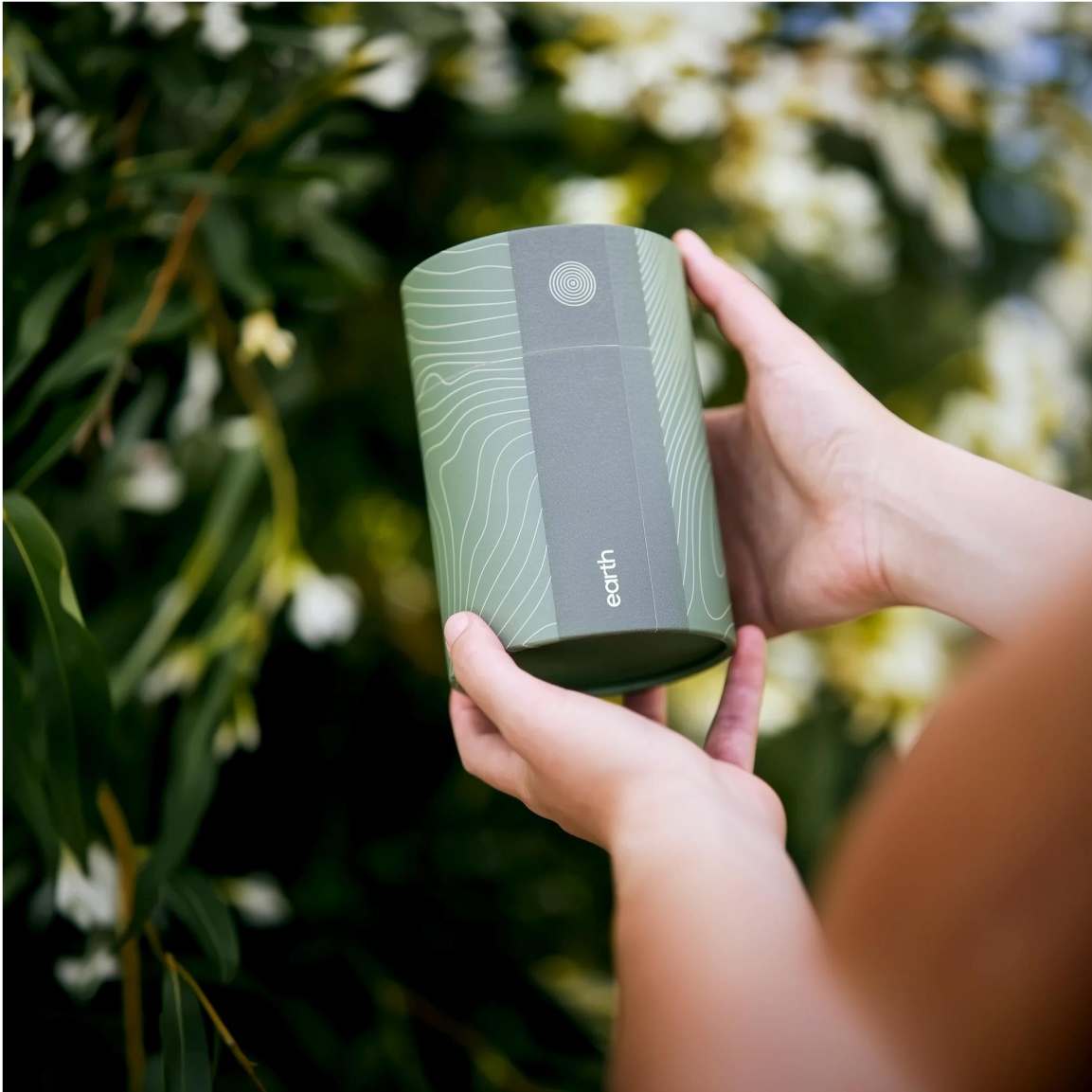
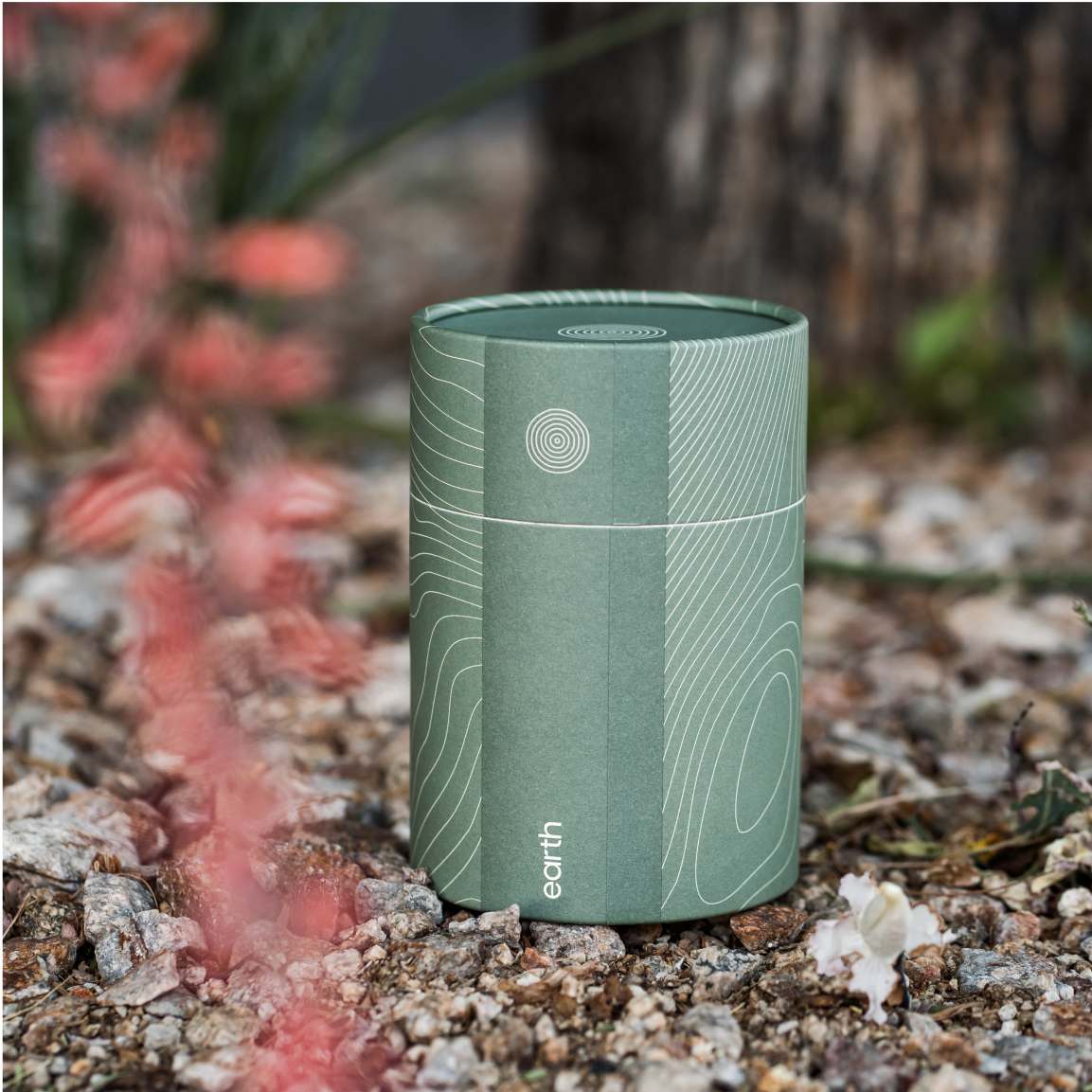
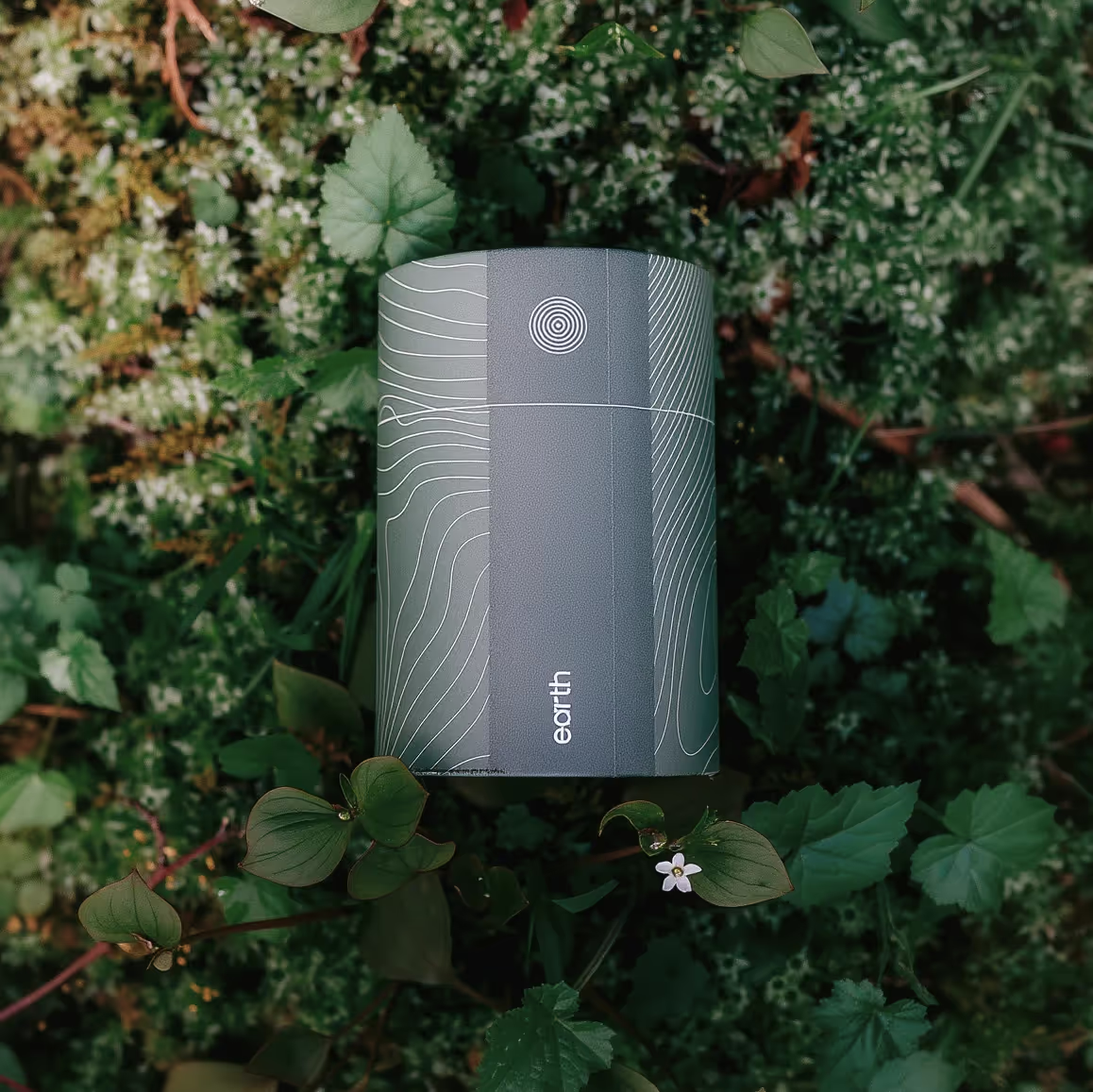
Earth Funeral specializes in soil transformation, a process that uses renewable electricity and creates nutrient-rich soil rather than ashes. Later in this guide, we’ll also look at practical considerations such as cost, availability, and planning ahead so you can compare your options more clearly.
{{CTA-webinar-2}}
Traditional burial and flame cremation are familiar end-of-life choices, but both have environmental effects that greener approaches aim to reduce. Conventional burial can involve chemical preservation, manufactured caskets and vaults, permanent cemetery land, and ongoing maintenance. Flame cremation uses fossil fuels and extremely high temperatures. Understanding those tradeoffs can help you decide how heavily environmental impact weighs in your plans.
Some of the biggest considerations include:
Neither traditional burial nor cremation is inherently the wrong choice. But their use of chemicals, materials, land, and fossil fuels helps explain why people are looking for eco-burial options. One way to reduce those impacts is to rethink the materials and practices surrounding burial.
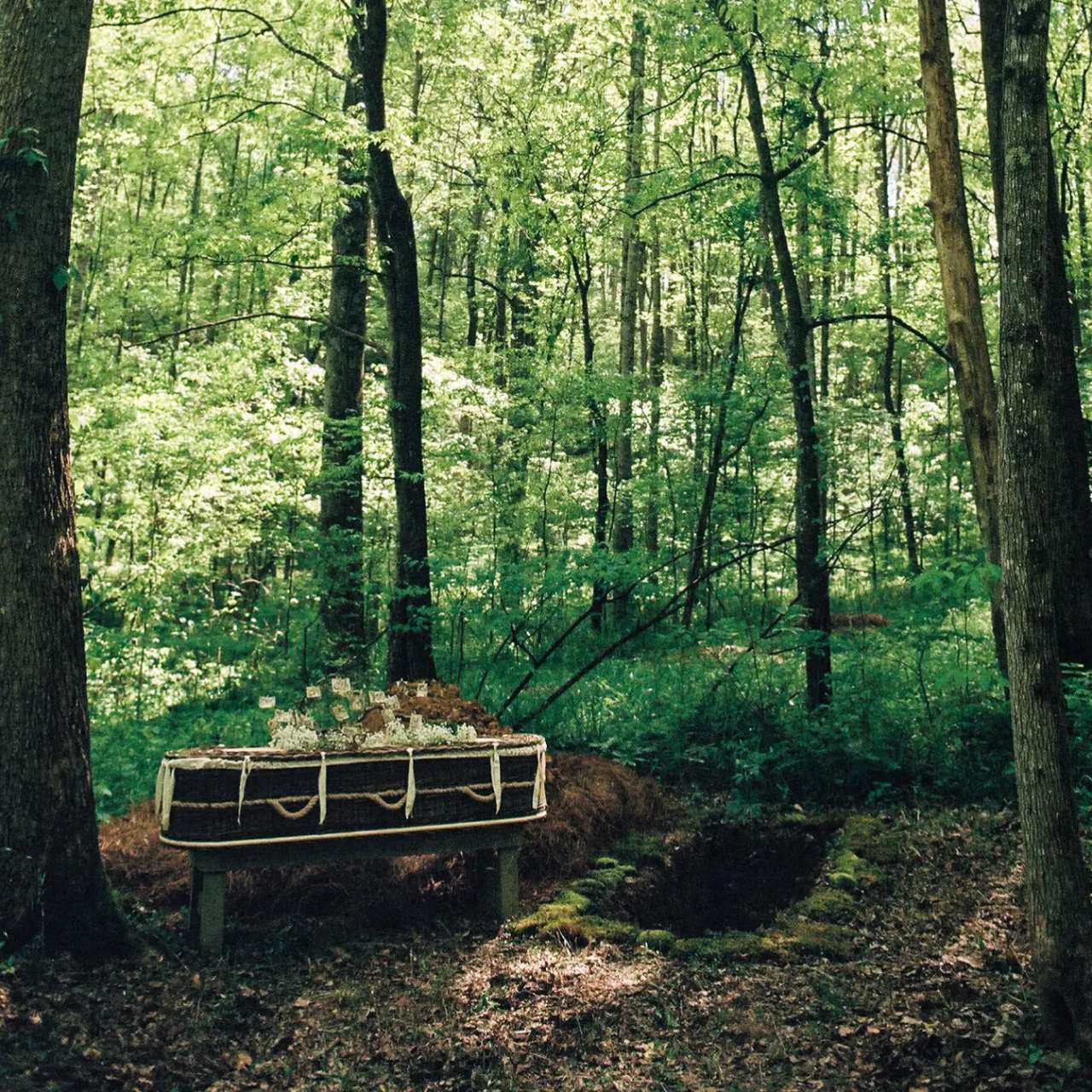
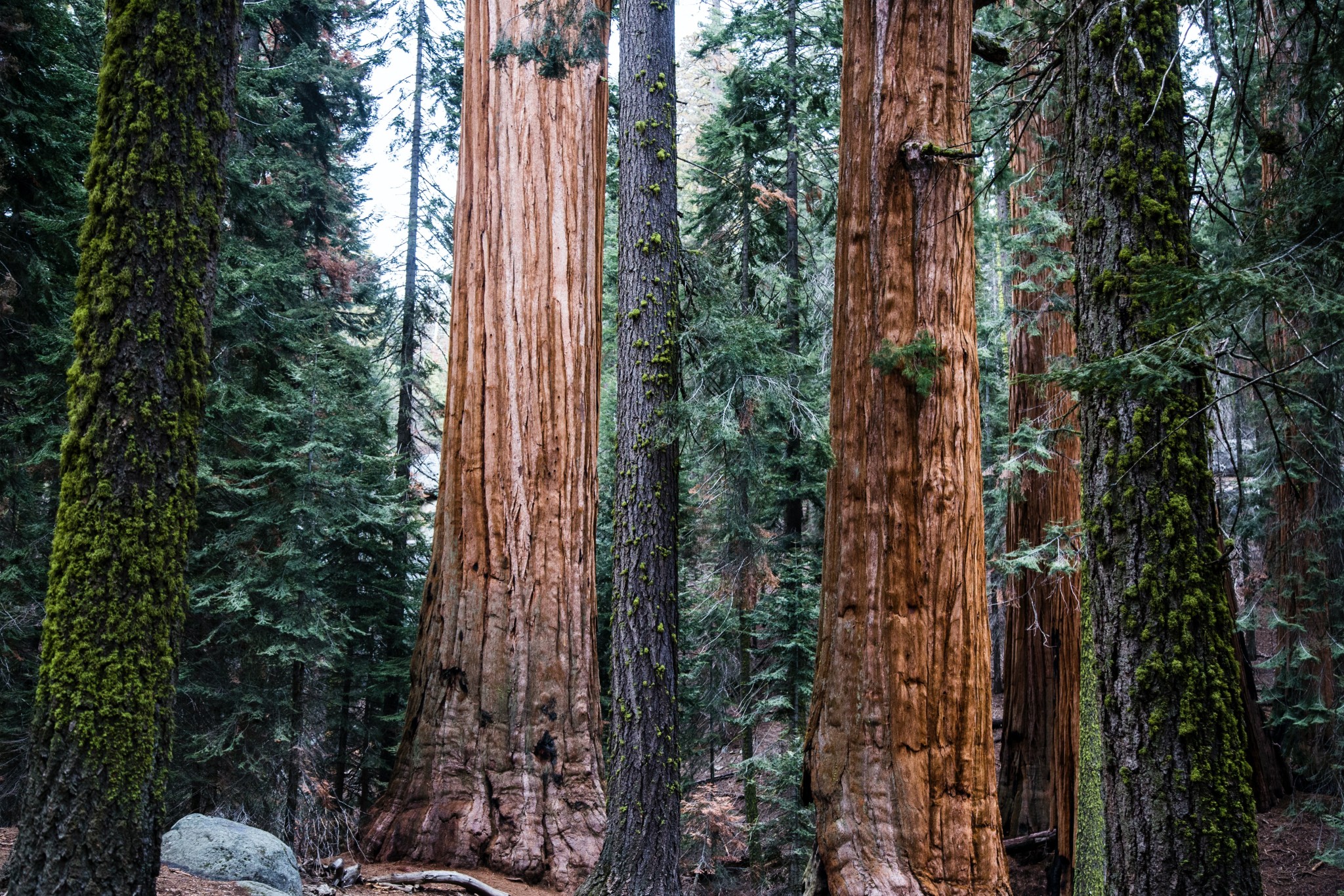
Green burial removes many of the materials associated with traditional burial practices. The human body is typically not embalmed and is buried without a burial vault in a biodegradable coffin or shroud made from materials that can decompose naturally.
Although today’s interest in green burial options is closely tied to environmental stewardship, the basic idea is far from new. Jewish, Muslim, and other cultural traditions have long practiced natural burials using shrouds and forgoing embalming altogether.
What makes the experience different from a conventional cemetery can include:
For families choosing green burial, the physical act of burial remains familiar while many of the resources surrounding it are reduced. Those interested in an option outside the cemetery setting may consider a very different path: soil transformation.
{{CTA}}
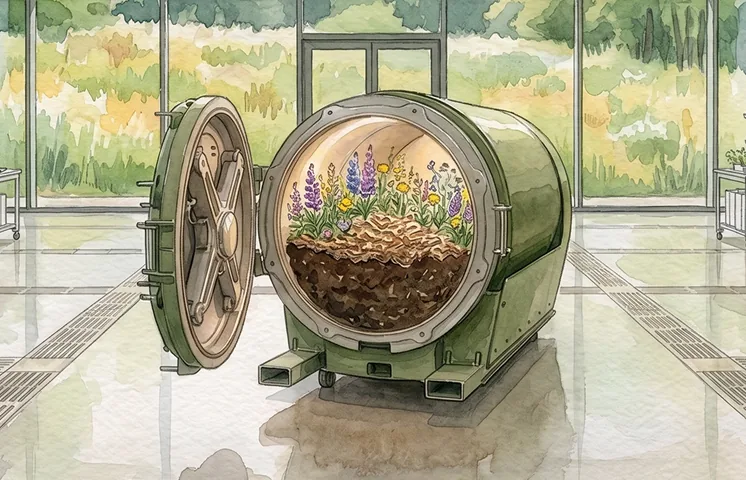
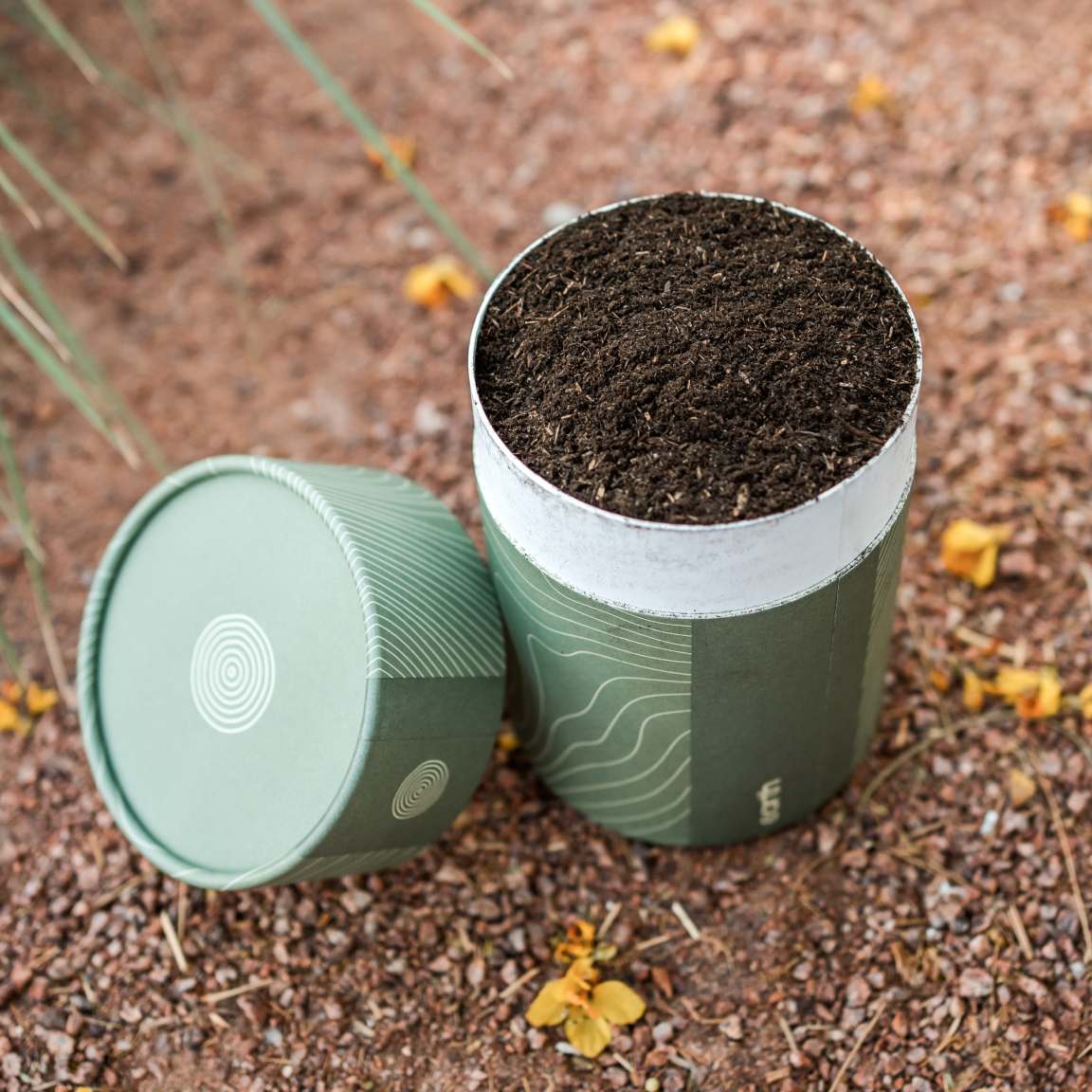
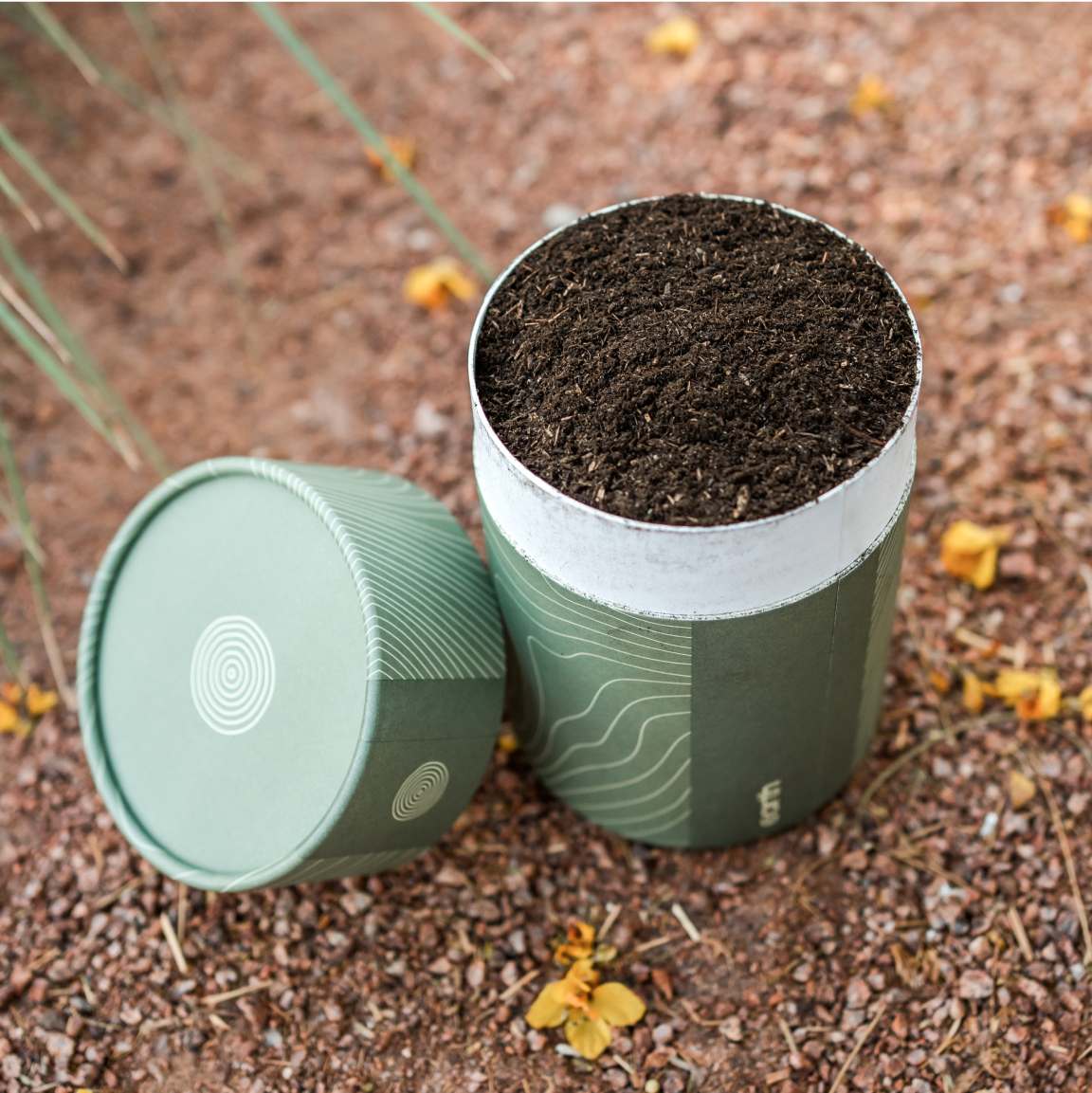
Human composting, known legally as natural organic reduction, offers a way to return the body to the natural world without burial or flame. Earth Funeral calls its service soil transformation. The human body is placed in a proprietary vessel with wood chips, organic mulch, and other organic matter, where monitored temperature, airflow, and naturally occurring microbes support the natural decomposition process. After 45 days, the process creates about one cubic yard of nutrient-rich soil.
From start to finish, Earth Funeral’s soil transformation service takes about 8 weeks. Its dedicated Care Team helps families plan and make arrangements. Once arrangements are confirmed and the required legal documents are signed, Earth Funeral brings your loved one into its care, registers the death with the county or state, and begins the 45-day transformation. The soil is typically ready for the family within a few days after the transformation is complete.
Its resource use also differs considerably from that of conventional disposition methods. The process runs on renewable electricity, uses about 40 gallons of water, and produces no net CO₂ emissions. By comparison, about 400 gallons of water are used for aquamation, and 535 pounds of CO₂ emitted from traditional cremation.
Families can decide what to do with the resulting soil:
As of September 2026, natural organic reduction has been authorized in 14 states. Even if soil transformation is not currently available in your area, Earth Funeral can still serve many families by coordinating transportation to a licensed facility where the service is permitted.
Nature lovers, climate-conscious planners, and anyone drawn to the idea of returning to the natural cycle of life may find soil transformation especially meaningful. Aquamation takes a different route, using water rather than soil.
{{CTA-7-question}}
Alkaline hydrolysis, sometimes called aquamation or water cremation, is a flameless alternative to traditional cremation. It uses a pressurized vessel filled with a solution of about 95% water and 5% sodium hydroxide or potassium hydroxide to break down the body's tissues. The decomposition process can take about 4 to 16 hours, after which the remaining bone is dried and processed into ashes that can be kept, scattered, buried, or memorialized much like cremated remains.
Aquamation can offer an eco-friendly alternative to flame cremation, particularly when energy use is a priority. It uses about 90% less energy and does not rely on direct combustion. It does, however, require considerably more water, generally around 300 to 400 gallons per body, compared with roughly 40 gallons for Earth Funeral’s soil transformation process.
Water cremation also produces a sterile liquid containing organic compounds after the soft tissue has broken down. That liquid, as it is safe, is typically released into a municipal wastewater system or otherwise handled according to strict local regulations.
Alkaline hydrolysis remains a less widely available green funeral option. Although water cremation is legal in about 28 U.S. states, legal status does not necessarily mean there is a service provider nearby. Specialized equipment and limited provider availability may require families to work with a regional facility or arrange transport to access it.
Unlike soil transformation, however, alkaline hydrolysis does not produce usable, living soil or support land restoration, making it less regenerative.
Not every greener decision requires changing the primary body disposition method. Families can also reduce waste through what happens to ashes, where someone is laid to rest, or how a memorial contributes to the natural environment. These approaches can make existing arrangements more environmentally conscious and personally meaningful.
These choices do not all have the same environmental impact. Looking at the full process, including energy use, chemicals, land, water, and what remains afterward, can help you decide which approach best reflects your priorities.
Green cemetery practices can vary, which is why established standards matter. The Green Burial Council (GBC) is a nonprofit organization that develops standards and certifies cemeteries, funeral homes, and burial products, helping families identify providers that follow established green burial practices. Currently, there are about 220 natural burial cemeteries in the U.S., although availability varies considerably by region.
The GBC recognizes three main types of green cemeteries:
Across its certified cemeteries, the GBC generally requires practices such as burial without concrete vaults, the use of biodegradable containers, and limits on conventional embalming. Its standards also encourage land management that reduces the use of herbicides, pesticides, and fertilizers, while protecting the surrounding habitat and natural landscape.
Families can use the GBC’s cemetery and funeral home directories to look for certified providers in their area. If there are no certified options nearby, it can still be worth asking local cemeteries or funeral directors whether they offer natural burials or allow choices such as skipping embalming fluids, using a biodegradable casket or shroud, and forgoing a burial vault.
Policies around ashes or soil from other disposition methods vary by cemetery. Some green cemeteries may accept cremated remains or soil from human composting, while others place limits on scattering or interment, so families should ask the cemetery directly before making plans.
There is more than one way to measure how environmentally friendly an end-of-life option is. Energy use matters, but so do water, land, materials, emissions, and what the process leaves behind. Cost adds another layer, and the least expensive choice is not necessarily the one with the smallest environmental footprint.
Here is how the major options compare:
These numbers are useful starting points, but they do not always represent the same level of service. Transportation, permits, paperwork, ceremonies, containers, cemetery fees, and other expenses may be included in one provider’s price and added separately by another. Asking for itemized pricing makes it easier to see what you are actually comparing.
Earth Funeral offers transparent pricing for its soil transformation package and clearly outlines what is included, giving families a better sense of the total cost before arrangements are made. Ultimately, cost is only one part of the decision. Looking at the resources each option uses and its environmental impact can help you choose a final disposition that fits both your priorities and your budget.
.jpg)
Making end-of-life arrangements can feel more manageable when you break the process into practical steps. Whether you are planning for the future or making arrangements after a loss, these steps can help you sort through the decisions.
Earth Funeral allows soil transformation arrangements to be made online, by phone, or in person, with digital paperwork and updates available throughout the process. Prepaid plans are also available in eligible service areas for those who want to make arrangements in advance and lock in pricing.
{{CTA-13-question}}
The environmental impact of a funeral does not end with the choice of burial, cremation, aquamation, or human composting. The memorial itself can reflect the same values through decisions about where people gather, what materials are used, and how food, flowers, and keepsakes are handled.
Small choices can add up without taking away from what makes the gathering meaningful.
Families who choose soil transformation can carry those same values into the memorial itself. Returned nutrient-rich soil might become part of a garden, tree planting, or another lasting tribute. Earth Funeral can also help arrange the donation of any soil a family does not want to keep to approved conservation projects.
As you consider these choices, a few common questions may come up.
It depends on the option. Green burial is legal nationwide, while human composting is currently legal in 14 states and aquamation in about 28 states. Availability can still vary by location and provider.
Yes, in many cases. Refrigeration or other cooling methods can often be used instead of embalming, although individual funeral homes may have their own policies for public viewings.
Respect is personal, but soil transformation is designed to provide dignified, private care. At Earth Funeral, each person undergoes the transformation in an individual proprietary vessel, with care provided by licensed funeral professionals and in accordance with state regulations.
The nutrient-rich, living soil from human composting can be used for gardens, trees, or other meaningful purposes where permitted. Earth Funeral can help arrange donation of any amount of soil a family does not want to keep to approved conservation or restoration partners. Ashes from cremation or aquamation can be kept, buried, scattered where permitted, or incorporated into memorials.
It depends on the faith and individual beliefs. Simple natural burial has roots in traditions such as Judaism and Islam, while guidance on newer options like human composting continues to vary. Speaking with a trusted faith leader can provide additional guidance.
Earth Funeral allows families to begin soil transformation arrangements online, by phone, or in person. The dedicated Care Team can help with an immediate need, an expected loss, or planning ahead.
Ready to explore soil transformation for your family?

Green Funeral Practice
A green burial is a burial process that removes many of the environmentally damaging aspects of conventional burial.
6/3/2026
3 min read
Green Funeral Practice
Discover alternative funeral options that promote environmental responsibility through soil transformation, natural burial, and water cremation.
8/13/2026
15 mins

Green Funeral Practice
Embalming is a very common practice in the US, however in recent years awareness has grown about the environmental harm caused by embalming chemicals.
3/1/2022
4 min read
Company News
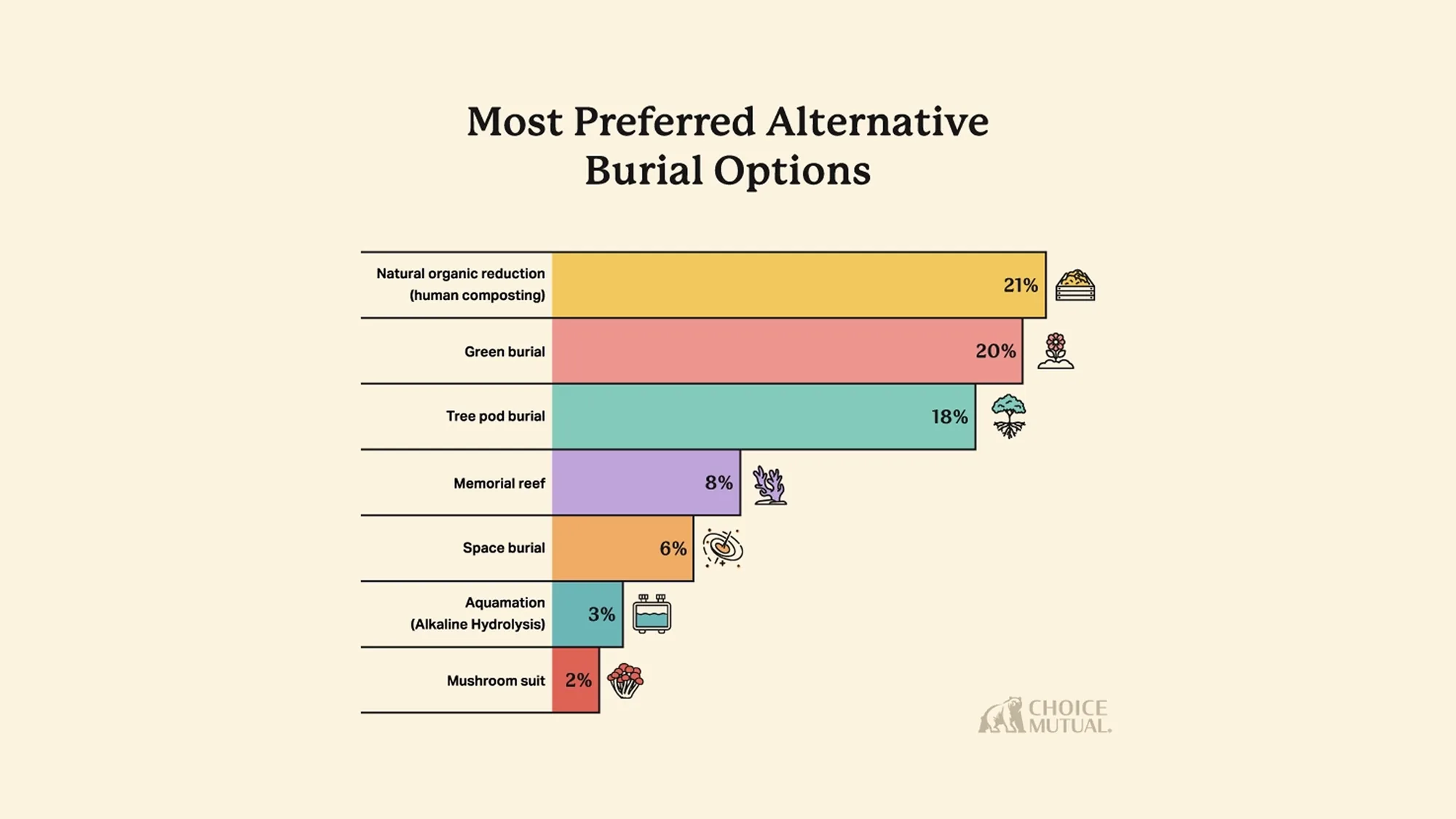
A new national survey confirms what thousands of families have already shown us, and the numbers tell a remarkable story.
6/5/2026
4 min read

Human Composting 101
Human composting is the gentle, natural process of turning a person into soil. This green burial option takes place in a controlled environment and allows individuals to return to nature upon death, and become part of a regenerating and natural ecosystem. It is an eco-friendly alternative to burial and cremation.
6/3/2026
9 min read