The Science Behind The Soil
Discover how Soil Transformation works, why its soil matters, how it’s tested for safety, and how it compares to standard compost.
Discover how Soil Transformation works, why its soil matters, how it’s tested for safety, and how it compares to standard compost.
December 3, 2025
For most of human history, our bodies returned to the earth naturally. Ancient cultures understood the cycle of life, death, and renewal, allowing the body to rejoin the soil and nourish new life.
Modern practices broke this cycle.
Today, concrete vaults, embalming chemicals, and energy-intensive methods have replaced the simple return to nature.
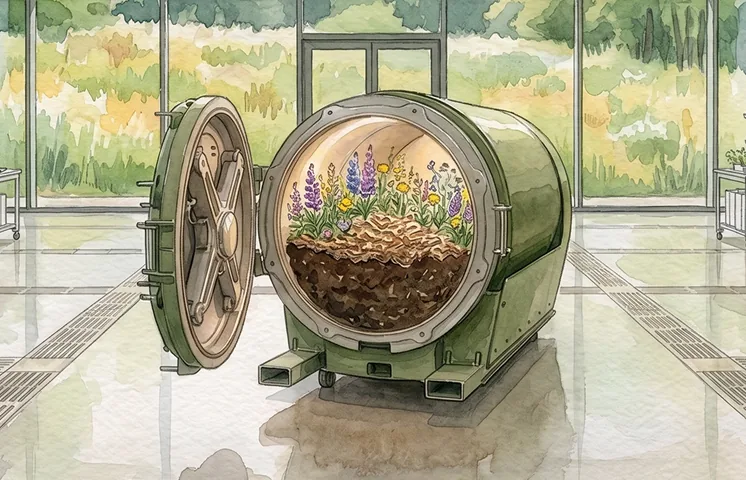
Soil Transformation reconnects us with that natural cycle. Also known as Natural Organic Reduction, human composting, or terramation, soil transformation combines nature’s wisdom with modern science to carefully accelerate decomposition in a controlled environment.
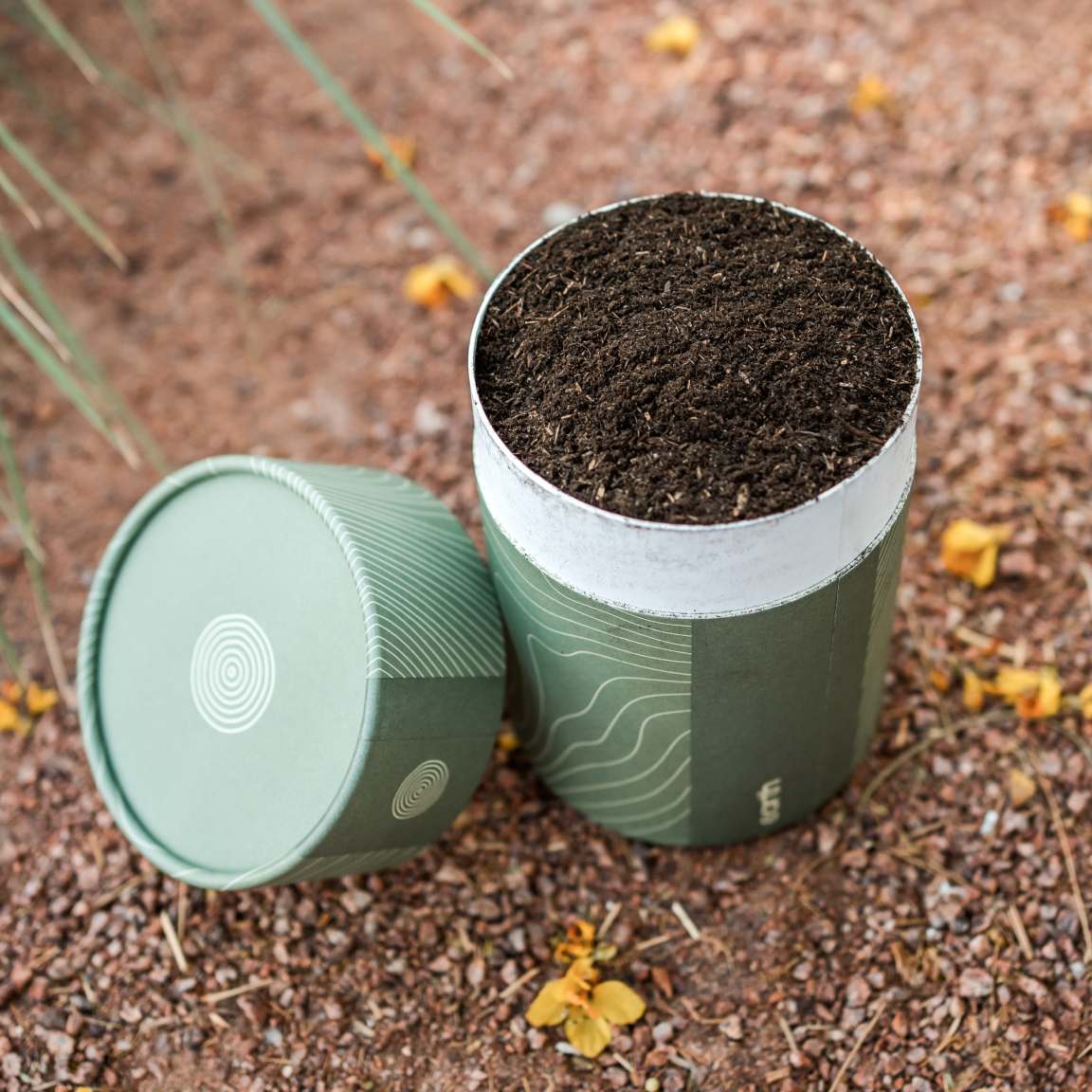
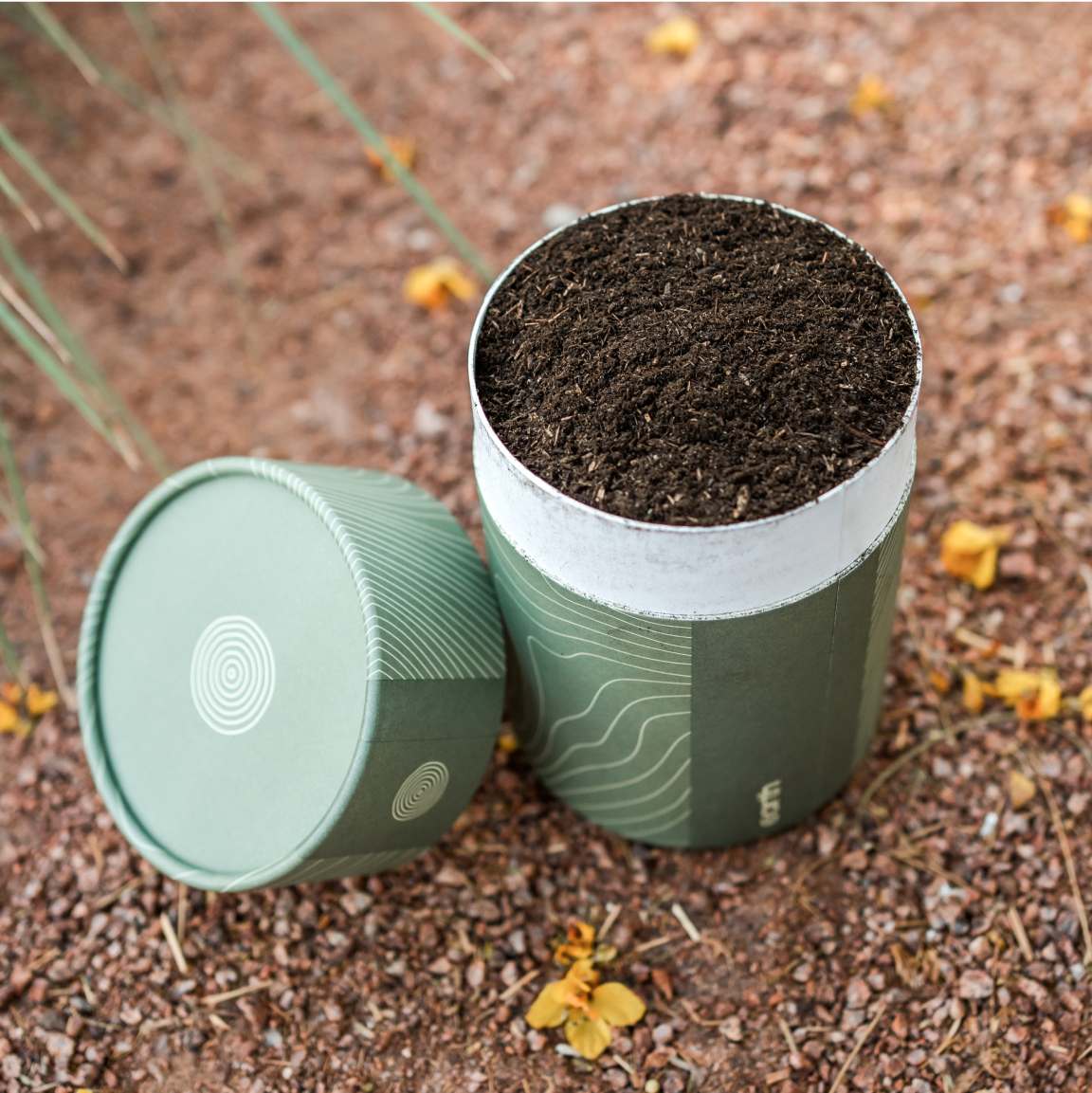
The result is clean, nutrient-rich soil that can be used to restore ecosystems and sustain new life. It enhances water retention, strengthens soil structure, and supports new plant growth, offering tangible ways for a single life to continue nurturing the planet long after death.
In this report, we explain:
When we see how the body can become soil, we see death differently. Our remains are not waste to be managed, but a resource that restores balance to the natural world.
{{CTA-webinar-1}}
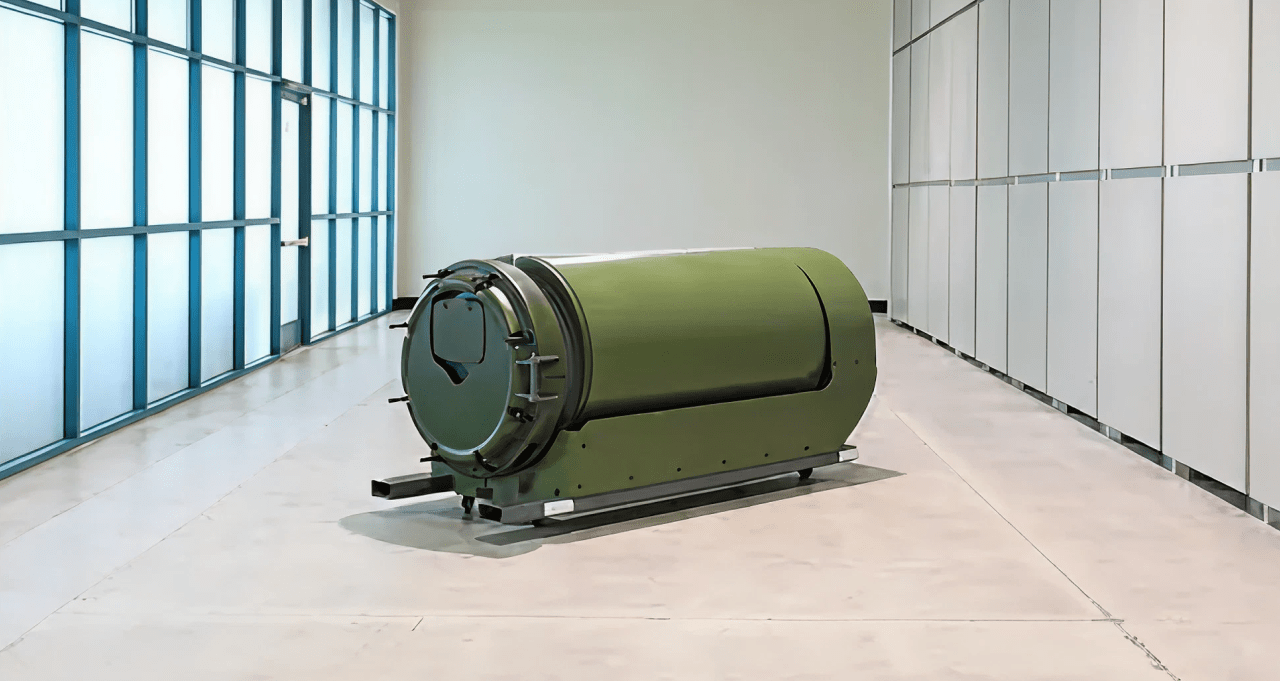
In nature, a human body buried in soil can take eight to twelve years to fully decompose. Today, Soil Transformation creates optimal conditions to complete this process in approximately four to six weeks.
Within every Soil Transformation, billions of microorganisms work together to complete the process. Each group plays a vital role in breaking down organic material and creating healthy, living soil.
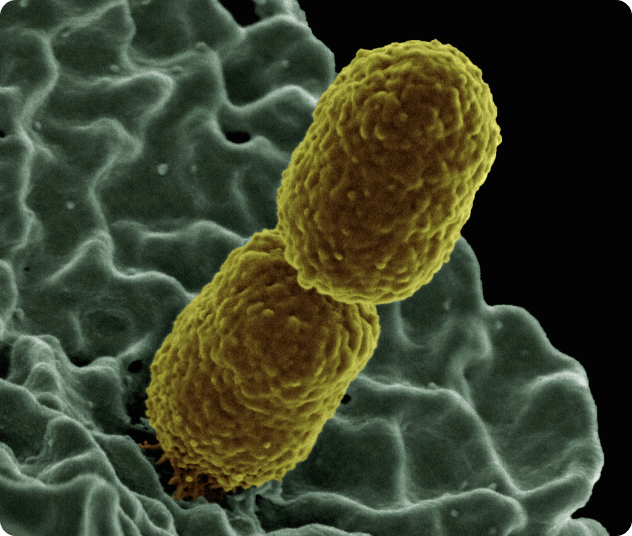
Each group plays a vital role in breaking down organic material and creating healthy, living soil.
The human body transforms in specific, measurable ways. Each component contributes to the creation of stable, nutrient-rich soil.
This process retains more than 90 percent of the body’s nutrients and converts them into stable, plant-available forms:
Soil Transformation is part of nature’s carbon cycle, which continually moves carbon through plants, animals, soil, and the atmosphere. Human bodies accumulate carbon throughout life in order to grow and maintain their tissues, obtaining this carbon from plants that originally sequestered it from the atmosphere through photosynthesis.
When a person dies and their body undergoes Soil Transformation, microorganisms oxidize a portion of that stored carbon and return it to the atmosphere as carbon dioxide. This mirrors the natural decomposition that occurs in forests and grasslands, where fallen leaves, plants, and animal tissues break down and release carbon back into the soil and atmosphere.
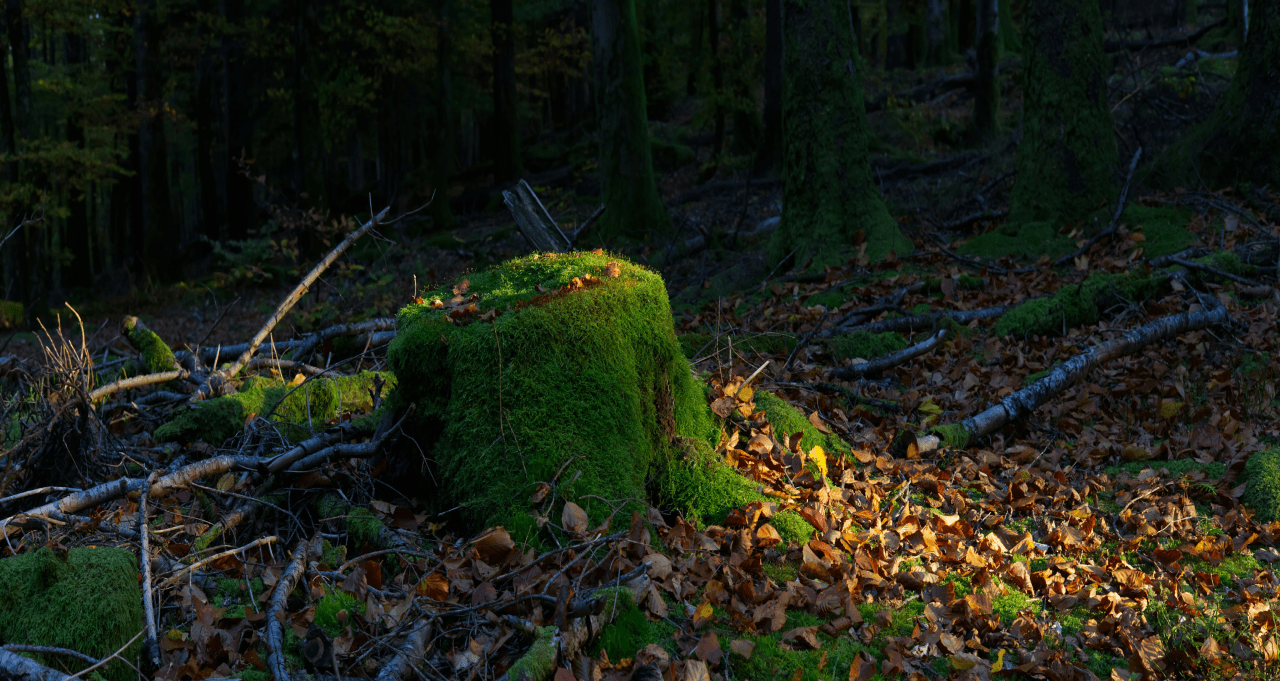
During the NOR process, microorganisms convert organic carbon from the body into natural forms that circulate through living systems. About 30 to 40 percent of this carbon becomes carbon dioxide through microbial respiration, the same biological process that occurs in healthy soil. This is not added pollution, but a natural exchange within the earth’s fast carbon cycle.
The remaining carbon follows several beneficial paths:
Unlike other disposition methods, Soil Transformation keeps carbon within this natural loop:
By returning carbon to living soil, Soil Transformation sustains Earth’s cycles of renewal, keeping a portion of the carbon in motion through life rather than releasing it into the air.
Independent laboratories certified through the U.S. Composting Council’s Seal of Testing Assurance (STA) program regularly test Earth Funeral’s soil and confirm its exceptional quality.
Transformed soil contains a balanced range of nutrients essential for healthy plant growth. Exact values vary slightly with each transformation, but typically fall within the following ranges:
These nutrients are stored within stable organic compounds that release slowly over time, feeding plants gradually and sustainably, just as nature intended.
A defining feature of transformed soil is its rich biological life and resilient structure. Together, these qualities create a living, self-sustaining ecosystem that promotes plant growth and lasting soil health.
When introduced into native soils, this biological vitality helps build a regenerative soil environment that continues to improve over time, making nutrients more accessible to plants, fostering diverse microbial communities, and helping the soil naturally resist disease.
Independent laboratory testing confirms that the soil produced by Earth Funeral is fully processed, rigorously monitored, and meets all state safety and quality standards.
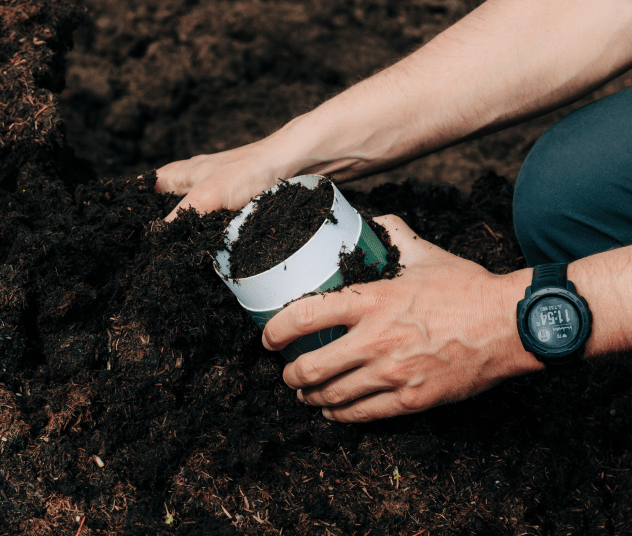
Through this rigorous testing program, Earth Funeral ensures its transformed soil is safe, stable, and ready for use in gardens, landscapes, and ecological restoration projects.
The soil created through Soil Transformation doesn’t just contain nutrients, it becomes part of a living ecosystem that supports renewal and balance in the natural world. When added to gardens or landscapes, it returns essential elements to the earth:
Unlike synthetic fertilizers that wash away in rain, transformed soil’s high organic matter helps retain nutrients and release them slowly and steadily, mirroring natural systems and making nutrient runoff far less likely.
Transformed soil naturally improves how water moves through landscapes and supports plant health in all conditions.
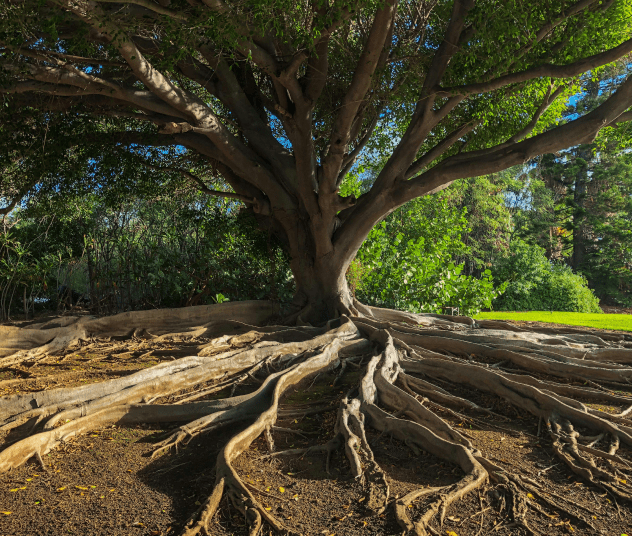
This living soil acts as a natural water management system, absorbing, storing, and slowly releasing water back into the environment. In a changing climate marked by more frequent droughts and intense rainfall, its ability to stabilize landscapes and conserve water makes it an increasingly valuable resource.
Transformed soil helps store carbon and reduce greenhouse gas emissions in multiple ways.
By storing carbon directly in the soil and supporting new plant life, each transformation contributes to long-term climate stability and the regeneration of living ecosystems.
The complex structure and nutrient balance of transformed soil create ideal conditions for a thriving web of life.
Laboratory testing confirms this biological richness, showing stable respiration and strong plant growth—key indicators of living soil capable of supporting vibrant, self-renewing ecosystems.
Based on its known structure and chemistry, transformed soil is a strong candidate for environmental restoration and land improvement projects.
Its high organic matter, neutral pH, and stable composition make it a promising material for:
These applications represent future opportunities grounded in established soil science and supported by findings summarized in the U.S. EPA’s Environmental Value of Applying Compost. As research and partnerships expand, transformed soil could one day support the recovery of damaged ecosystems and help restore the natural systems that sustain life.

Earth Funeral applies these same ecological principles through active restoration initiatives.
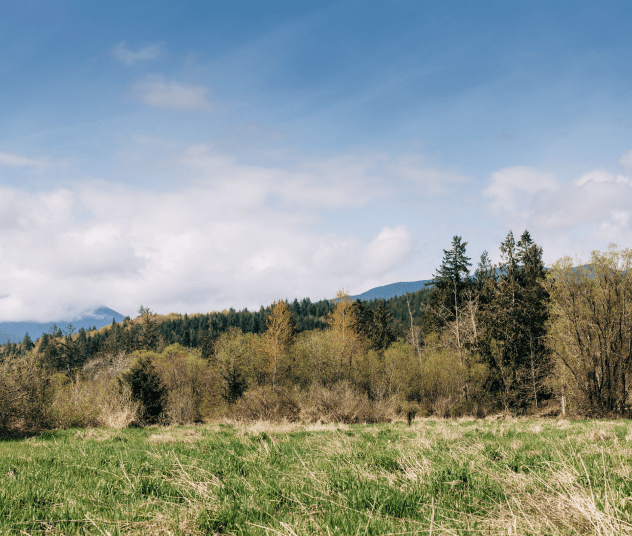
Restoring logged landscapes with native trees and enriched soils that support long-term forest health.
Through projects like these, transformed soil moves from concept to conservation, helping renew the very ecosystems that sustain life.
{{CTA}}
The Soil Transformation process is designed with multiple layers of safety and environmental protection to ensure public health and ecological integrity.
Together, these scientific, regulatory, and procedural safeguards ensure that every aspect of Soil Transformation remains safe, stable, and environmentally responsible.
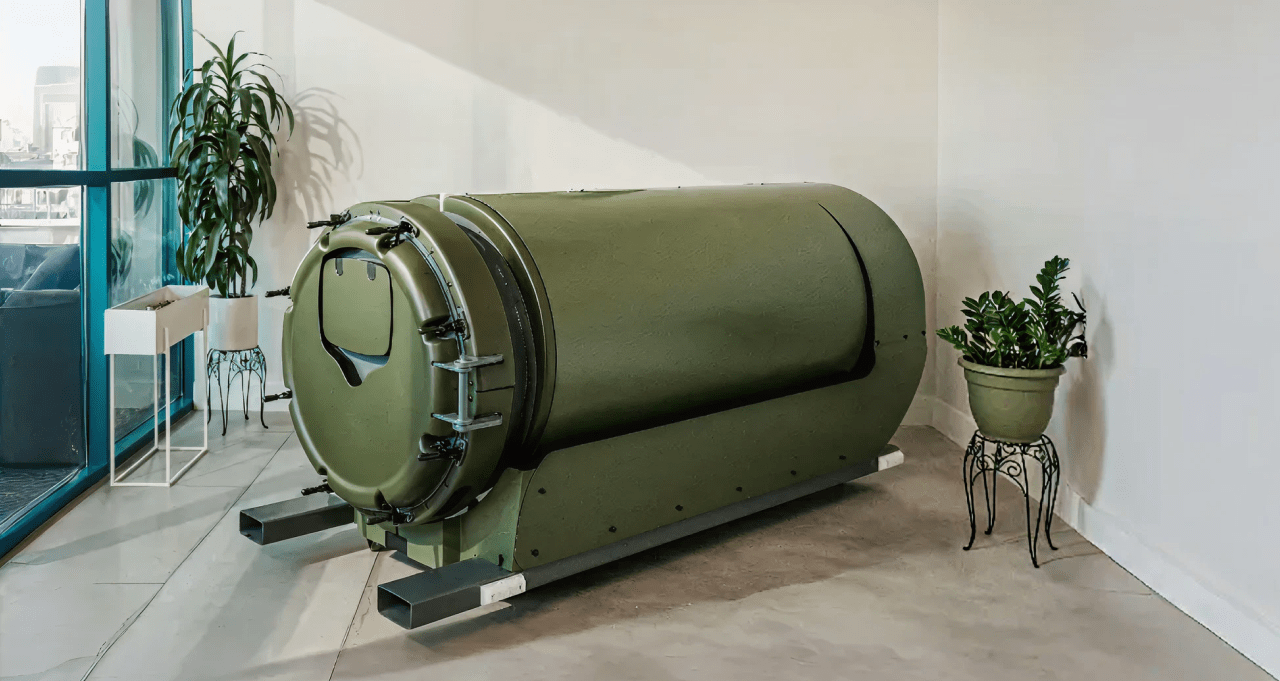
The safety of transformed soil begins with the process itself.
Together, these safeguards confirm that the Soil Transformation process not only meets but exceeds established safety benchmarks, producing clean, healthy soil ready to rejoin natural ecosystems.
The Soil Transformation process includes multiple safeguards to protect surrounding ecosystems and minimize environmental impact.
Together, these measures ensure Soil Transformation produces safe, stable soil while conserving resources and protecting the environment at every stage.
Earth Funeral upholds safety and transparency as core principles throughout every stage of the Soil Transformation process.
This commitment ensures Soil Transformation remains not only safe and environmentally responsible, but also transparent, accountable, and grounded in scientific integrity.
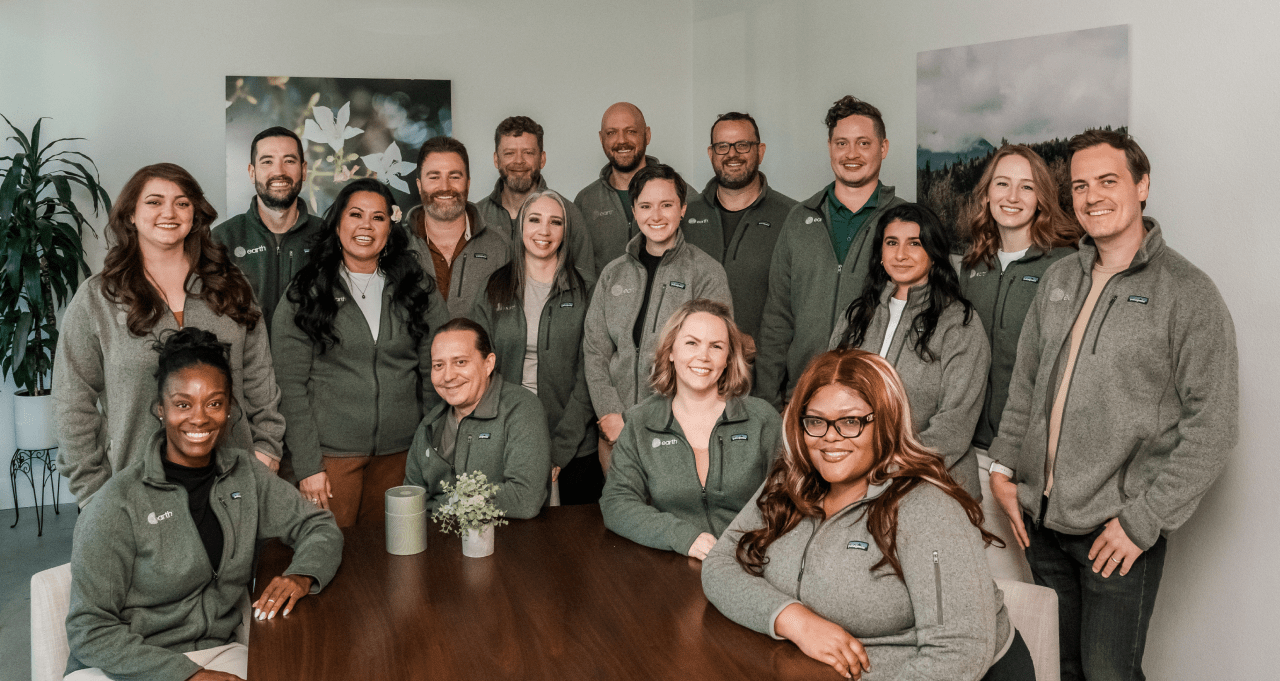
Soil Transformation naturally raises questions. Here are answers to the ones most often asked:
No. The high temperatures achieved during the process exceed public health standards for pathogen elimination. Independent tests confirm the resulting soil is safe for use.
All inorganic or non-decomposable materials, such as medical devices, prosthetics, and implants, are respectfully removed and recycled.
Dental amalgam, which contains trace amounts of mercury, is removed prior to the process whenever present. This precaution prevents metals from entering the transformation system and ensures the resulting soil remains clean and safe.
Yes. Independent laboratory testing consistently classifies the soil as “Mature: safe for use on gardens and fields.” When using returned soil in this way, we recommend verifying and following all local laws and regulations, as these vary by location.
Detailed state regulations govern every stage of Soil Transformation, including facility permits, temperature monitoring, and testing protocols that ensure safety and transparency.
Human soil transformation reimagines our relationship with death and the natural cycles of life. By viewing the body as a valuable contributor to soil health, the process turns an ending into a beginning—creating new ecological possibilities.
The journey from body to living soil follows nature’s oldest rule: nothing is wasted, everything transforms. What once made up human tissue now nourishes trees, flowers, and entire ecosystems.
By becoming nutrient-rich soil, we can help restore landscapes and sustain life in ways traditional funerals cannot. Choosing to become soil is a final act of renewal—joining Earth’s ancient cycles and leaving a living legacy for generations to come.
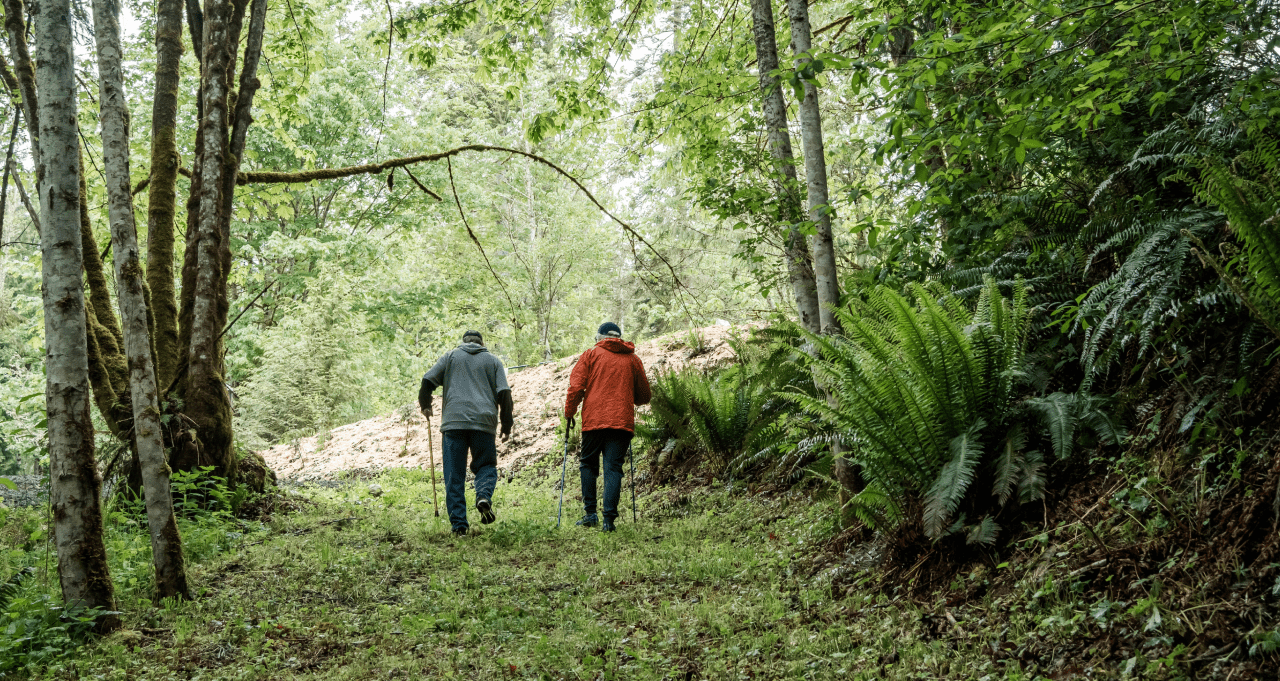
Ready to learn more about Soil Transformation? Visit EarthFuneral.com to:
Join us in reimagining what comes after life—and create a positive impact that lasts for generations.
As a national leader in Soil Transformation, Earth Funeral has advanced the practice through rigorous testing, environmental stewardship, and compassionate care.
Building on pioneering research from Washington State University and innovators such as Katrina Spade, Earth Funeral developed operational protocols that optimize the transformation process and ensure consistent safety, stability, and soil quality.
Our approach combines deep respect for families with a commitment to transparency, environmental responsibility, and science-driven innovation.
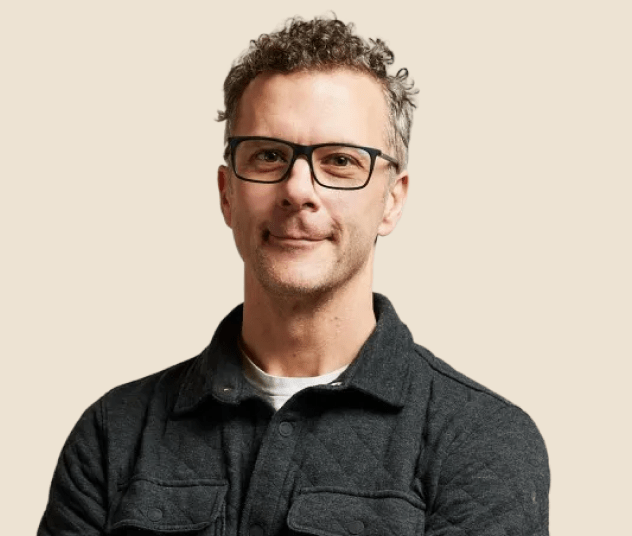
Dr. Geoff Hill, PhD from UBC Vancouver in compost science and pathogen destruction, worked as a compost facility operator of one of Canada’s largest compost facilities, compost facility designer for Engineered Compost Systems, regular speaker at national composting conferences such as US Compost Council, Canada Compost Council, Biocycle, and Waste Expo, and founding staff scientist for Mill, in-home food composter.

Josh Forbes serves as Head of Operations at Earth Funeral with 7 years of experience in funeral service operations and regulatory affairs, and has led facility operations for 3 years at Earth Funeral's Auburn, WA and Las Vegas, NV locations. He oversees Earth's funeral compliance strategy across the country and brings operational scaling expertise from his time at Tulip Cremation.
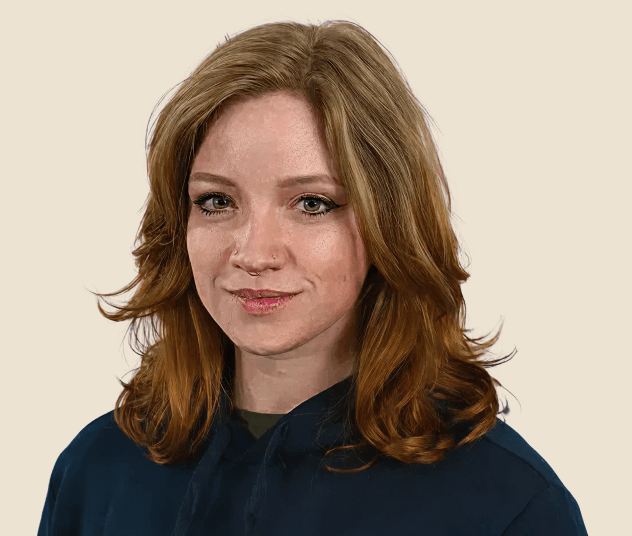
Emily Martin began her career as a military photojournalist before pursuing an Applied Associate Degree in Funeral Service. She is a licensed Funeral Director, Crematory Operator, and Natural Organic Reduction Operator. Emily joined Earth Funeral as a Soil Transformation Specialist and now oversees Process Operations Management across all facilities. Her role brings together hardware, software, soil science, and funeral service.
{{CTA}}
Aerobic Decomposition: The breakdown of organic matter in the presence of oxygen, preventing methane formation and speeding up natural decay.
Actinomycetes: Filamentous bacteria that decompose tough materials like cellulose and lignin, contributing to soil structure and the earthy smell of healthy soil.
Amendment (Soil Amendment): Material added to soil to improve its physical, chemical, or biological properties, including transformed soil from human composting.
Aquamation: Also known as resomation, alkaline hydrolysis, or water cremation; a process that dissolves human remains in a pressurized water-alkali solution. It reduces energy use compared to flame cremation but produces liquid effluent requiring wastewater treatment.
Biodegradable Shroud: A natural, non-toxic cloth used to wrap the body before Soil Transformation, allowing for full decomposition without synthetic materials.
Biological Transformation: The natural process in which microorganisms convert organic matter into soil components.
Carbon Cycling: The continuous movement of carbon through living organisms, the atmosphere, and the soil as part of Earth’s natural balance.
Carbon Sequestration: The long-term storage of carbon in soil, plants, or other natural “sinks” that help reduce greenhouse gases and stabilize climate.
Compost Stability: A measure of how fully organic materials have decomposed, indicating safety and maturity for soil use.
Conventional Burial: A traditional funeral practice involving embalming, caskets, and vaults, which slows decomposition and can introduce chemicals to the environment.
Cremation: The reduction of a body to ashes through combustion, converting nearly all organic carbon into carbon dioxide (CO₂).
Ecological Renewal: The restoration and revitalization of natural systems by returning nutrients and life to ecosystems.
Environmental Legacy: The lasting positive impact on ecosystems that results from choosing environmentally beneficial end-of-life options.
Green Burial: A funeral practice that minimizes environmental impact by using biodegradable materials and avoiding embalming or vaults.
Heavy Metals: Naturally occurring elements such as arsenic, cadmium, and lead. In Soil Transformation, testing shows they occur at levels well below state safety limits.
Human Composting: See Soil Transformation. A natural process that converts human remains into nutrient-rich soil through controlled aerobic decomposition.
Humus: Stable organic matter that gives soil its dark color and nutrient-holding capacity, formed after complete decomposition.
Living Legacy: The ongoing environmental benefit created when human remains become soil that supports new life.
Microbial Action: The work of bacteria and other microorganisms that drive decomposition and create stable soil components.
Microbial Communities: Diverse populations of microorganisms—including bacteria and actinomycetes—that maintain soil health and fertility.
Natural Organic Reduction (NOR): The legal term for the process of transforming human remains into soil under controlled, aerobic conditions.
Natural Return: The practice of allowing human remains to rejoin natural cycles through environmentally responsible methods such as Soil Transformation or green burial.
Nutrient Cycling: The movement of elements like carbon, nitrogen, and phosphorus between organisms, soil, and the atmosphere.
Organic Matter: Decomposed plant and animal material that enhances soil fertility, structure, and water retention
.Pathogen Reduction: The elimination of disease-causing organisms through sustained natural heat (pasteurization) during Soil Transformation.
pH Balance: A measure of acidity or alkalinity; transformed soil typically maintains a near-neutral pH ideal for plant growth.
Regenerative Burial: An end-of-life practice that actively improves soil health and ecosystem function.
Soil Food Web: The interconnected community of soil organisms—bacteria, fungi, protozoa, nematodes, and worms—that sustain fertility and plant health.
Soil Restoration: The rebuilding of depleted soils using nutrient-rich organic matter, including transformed soil.
Soil Transformation: The controlled process of converting human remains into nutrient-rich soil through aerobic decomposition, also known as Natural Organic Reduction or human composting.
Sustainable Deathcare: Funeral practices that minimize environmental impact and promote ecological renewal.
Terramation: A term for human composting, derived from Latin terra (“earth”) and mation (“transformation”).
Thermophilic Phase: The high-temperature composting stage (113–176°F) in which heat-loving microorganisms rapidly decompose organic material and eliminate pathogens.
Water Conservation: The significant reduction in water use achieved through Soil Transformation compared to traditional burial practices.
Woody Bulking Agent: The mix of wood chips, plant material, and wildflowers placed in Soil Transformation vessels to balance carbon and nitrogen for microbial activity.
Pre-planning your funeral is one of the most meaningful ways to ease the burden on loved ones and ensure your final wishes are honored. This guide offers a comprehensive overview of everything you need to know—from costs and documentation to choosing between burial options and personalizing your arrangements.

Discover meaningful ways to memorialize your loved one with nutrient-rich soil created through natural transformation. From planting memorial gardens to creating keepsake jewelry, this guide shares eight heartfelt approaches families use to continue their connection—each as unique as the bond you shared.