The Environmental Impact Of Funeral Choices
This report compares the ecological footprints of traditional burial, cremation, aquamation, and natural burial, equipping you with data to make more sustainable choices.
This report compares the ecological footprints of traditional burial, cremation, aquamation, and natural burial, equipping you with data to make more sustainable choices.
June 18, 2025
If you care about the environment, you're probably asking "What's the most eco-friendly way to handle my body after I die?" It's a smart question, and you're not alone. Nearly 7 out of 10 Americans want green funeral options.
Every year, 3 million Americans die, and our funeral choices have a massive environmental impact:
The good news? You have better options than ever before. This guide gives you the facts on five real options: Traditional burial, Cremation, Aquamation, Green burial, Soil Transformation™. You'll learn:
Whether you're planning for yourself or helping a loved one, this guide will help you choose with confidence.
{{CTA-webinar-2}}
Traditional burial is what most Americans think of as a "normal" funeral. The practice started during the Civil War and hasn't changed much since. The process involves embalming the body with chemicals, placing it in a casket, and burying it at a cemetery.
Traditional burial has been the standard for generations, but it's losing popularity. It's the most expensive option available, and the environmental impact is significant.
U.S. cemeteries cover 2 million acres—more land than Los Angeles, Chicago, New York City, and Houston combined. That's enough space for approximately 8 million homes. These costs explain why more Americans are looking for better options.
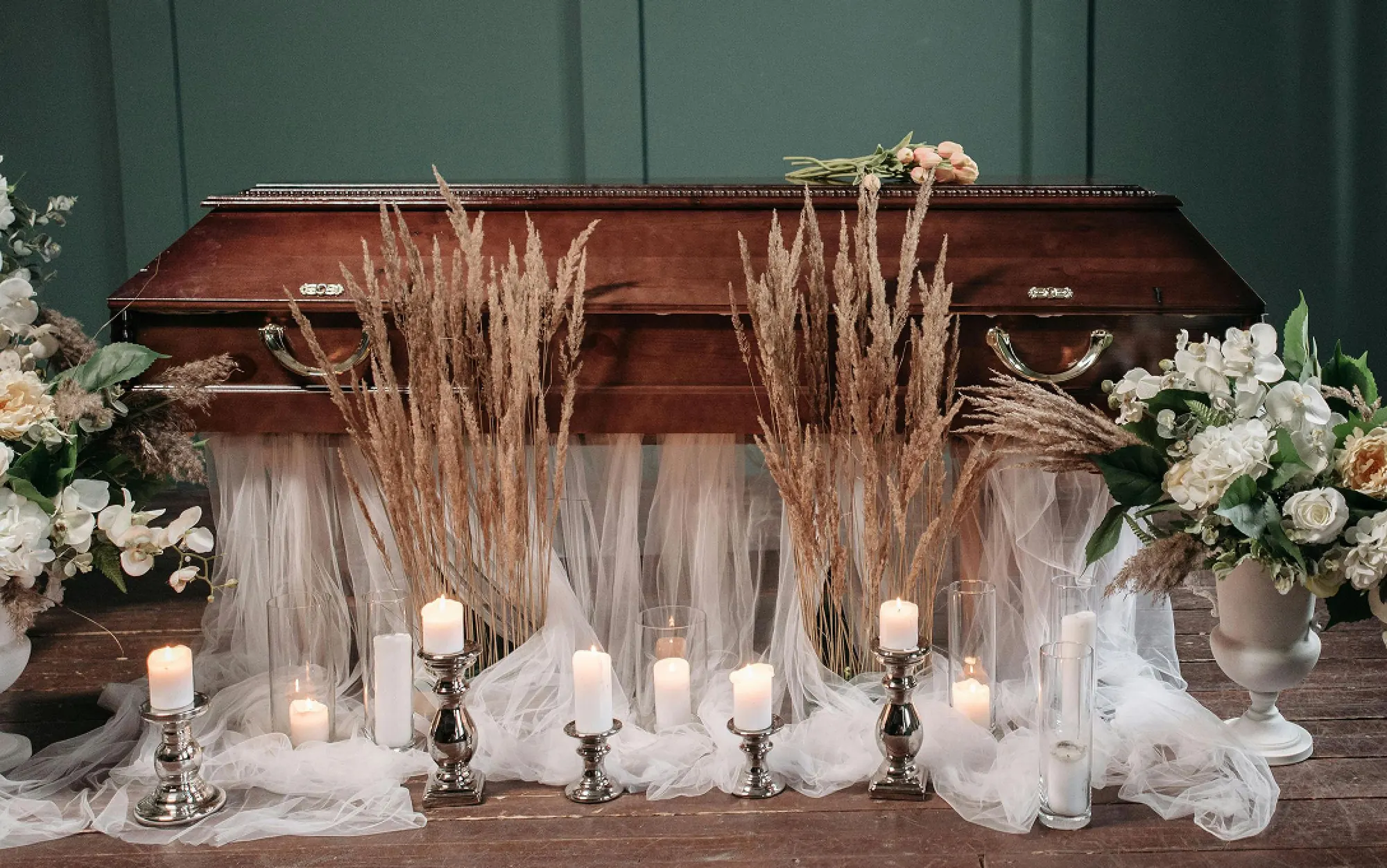
In just 5 years, traditional burial will use enough resources to build 150,000 homes—while releasing 500,000 gallons of formaldehyde into the ground.
If we continue for 50 years, we'll face an environmental crisis. Millions of gallons of toxic chemicals will transform cemeteries into slow-release contamination sites. These are the same substances that require evacuation and emergency response when just one gallon spills.
We'll also waste millions of acres needed for housing, while burying an entire city's worth of construction materials underground every few years.
When concrete vaults and steel caskets inevitably deteriorate, communities will face substantial cleanup costs for what was marketed as "permanent" burial. By then, traditional burial will likely be viewed as environmentally costly and outdated as other practices society has abandoned.
Cremation burns human remains in purpose-built furnaces at temperatures of 1,400-1,800°F for 2-3 hours. This method has become increasingly popular mainly due to its flexibility and lower cost. With a median cost of $6,280, it’s often less expensive than traditional burial. Families also appreciate that there's no grave to maintain, and having multiple options for the ashes.
This convenience comes at an environmental cost. Annually in the US, cremation releases 360,000 tons of CO₂, equivalent to powering 31,500 homes for an entire year and requiring a forest 20 times the size of Manhattan to offset.
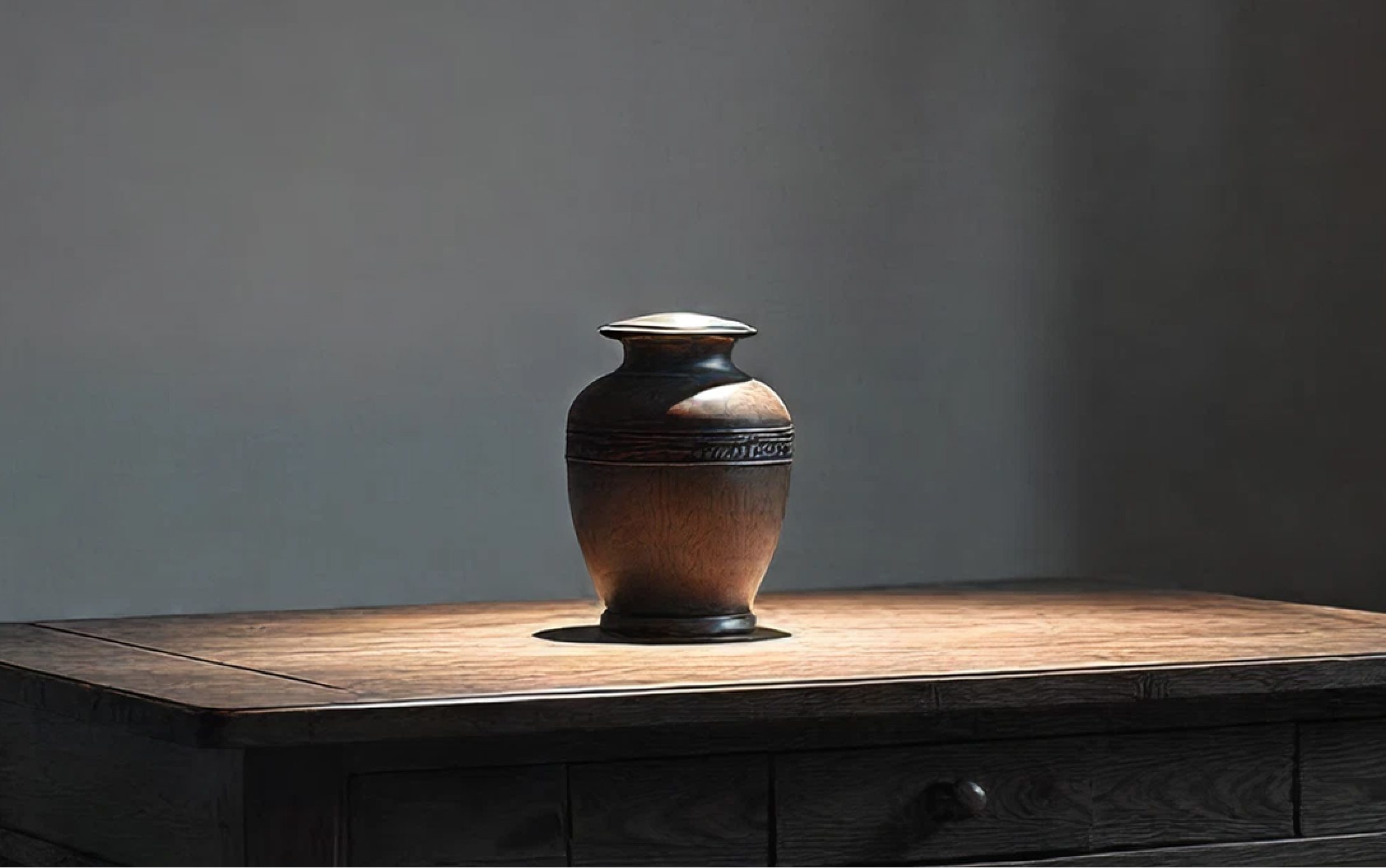
In the next 5 years, cremation will emit enough CO₂ to power 150,000 homes for an entire year.
If cremation rates continue growing over the next 50 years, we'll face an air pollution crisis that undermines climate goals and adds over 27 billion pounds of CO₂ to the atmosphere.
Mercury from dental fillings will continue contaminating air, water, and food chains despite filtering systems. Other pollutants—nitrogen oxides, carbon monoxide, sulfur dioxide, and harmful particulates—will worsen urban air quality. As society transitions to clean energy, cremation's dependence on fossil fuels and extreme heat will make it increasingly outdated and expensive.
Stricter air pollution regulations will likely force costly upgrades to cremation facilities. Environmental damage from scattered ashes—which harm flora and fauna due to high pH levels and sodium content—will become more apparent, driving people toward better alternatives.
Aquamation, also called resomation, alkaline hydrolysis, or water cremation, uses water, heat, and alkaline chemicals to break down the body. This water-based method gives families similar results to cremation—ash-like remains that you can keep, scatter, or bury. The process dissolves soft tissue while preserving bones, which are then ground into fine powder.
Aquamation costs more than regular cremation but less than traditional burial. However, it's less commonly available due to higher equipment costs and specialized facility requirements. Its reputation as a cleaner option is driving growing interest across the country.
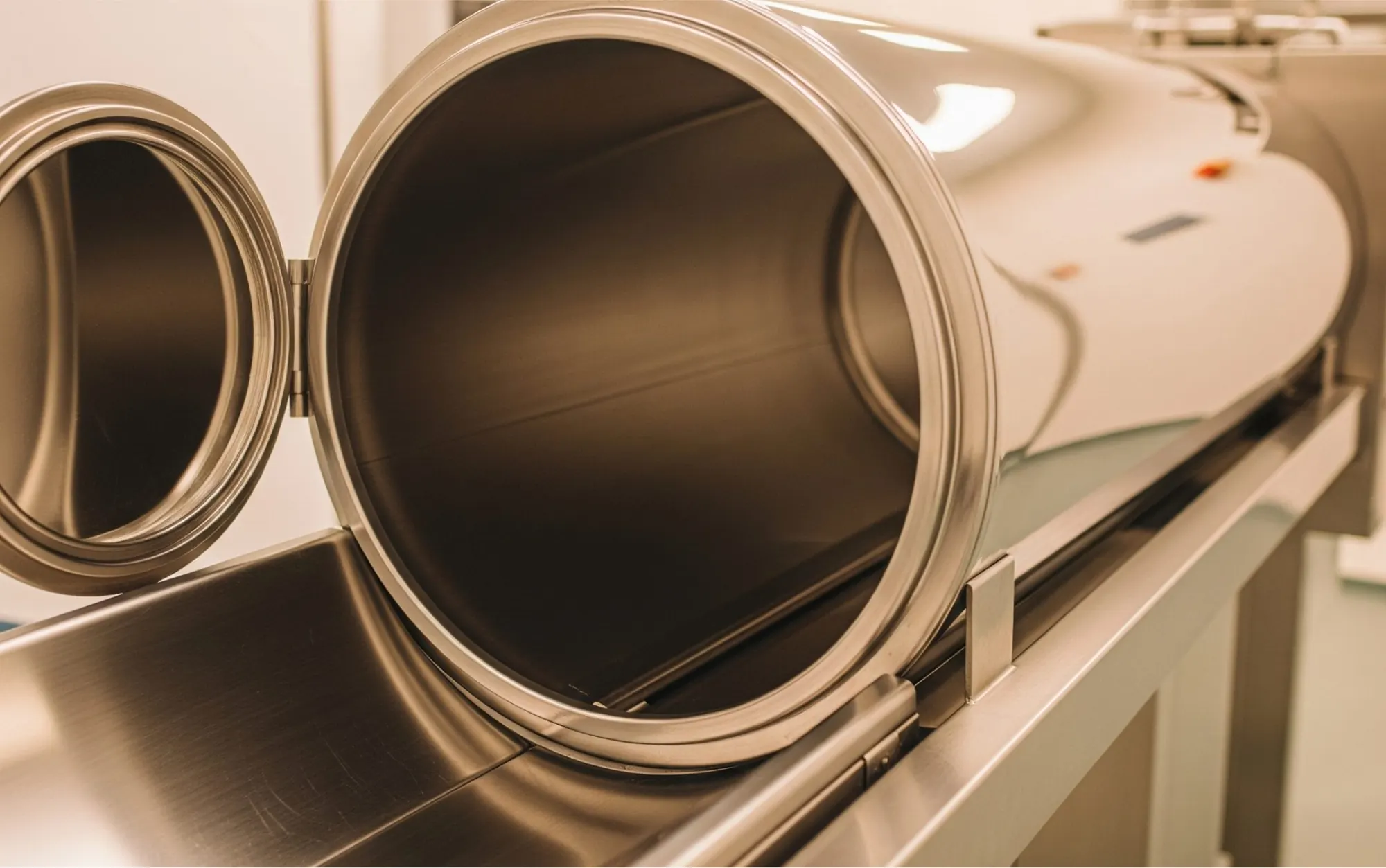
Aquamation could become the funeral industry's middle-ground choice, eliminating cremation's emissions while trading air pollution for water usage.
When powered by clean energy, aquamation produces virtually no carbon emissions and eliminates the mercury pollution associated with cremation.
However, widespread adoption would dramatically increase water usage, which could become problematic as climate change makes fresh water increasingly precious. While future technology might develop water recycling systems, some regions may lack equal access without significant facility improvements.
By 2075, aquamation may be viewed as an excellent choice for families wanting cremation-like results without climate impact. However, environmentally conscious individuals will likely choose methods like human composting that use less water and actively help restore nature.
Green burial works the way nature intended. This method eliminates embalming chemicals, non-biodegradable caskets, and concrete burial vaults, following a simple "dust to dust" philosophy. Bodies decompose naturally within designated natural areas that are often permanently protected.
Green burial currently handles about 5% of all burials but represents one of the fastest-growing funeral options, with 68% of Americans saying they would explore green funeral options for environmental benefits.
While green burial costs are comparable to or less than traditional burial, families appreciate knowing their choice helps restore wildlife habitat.
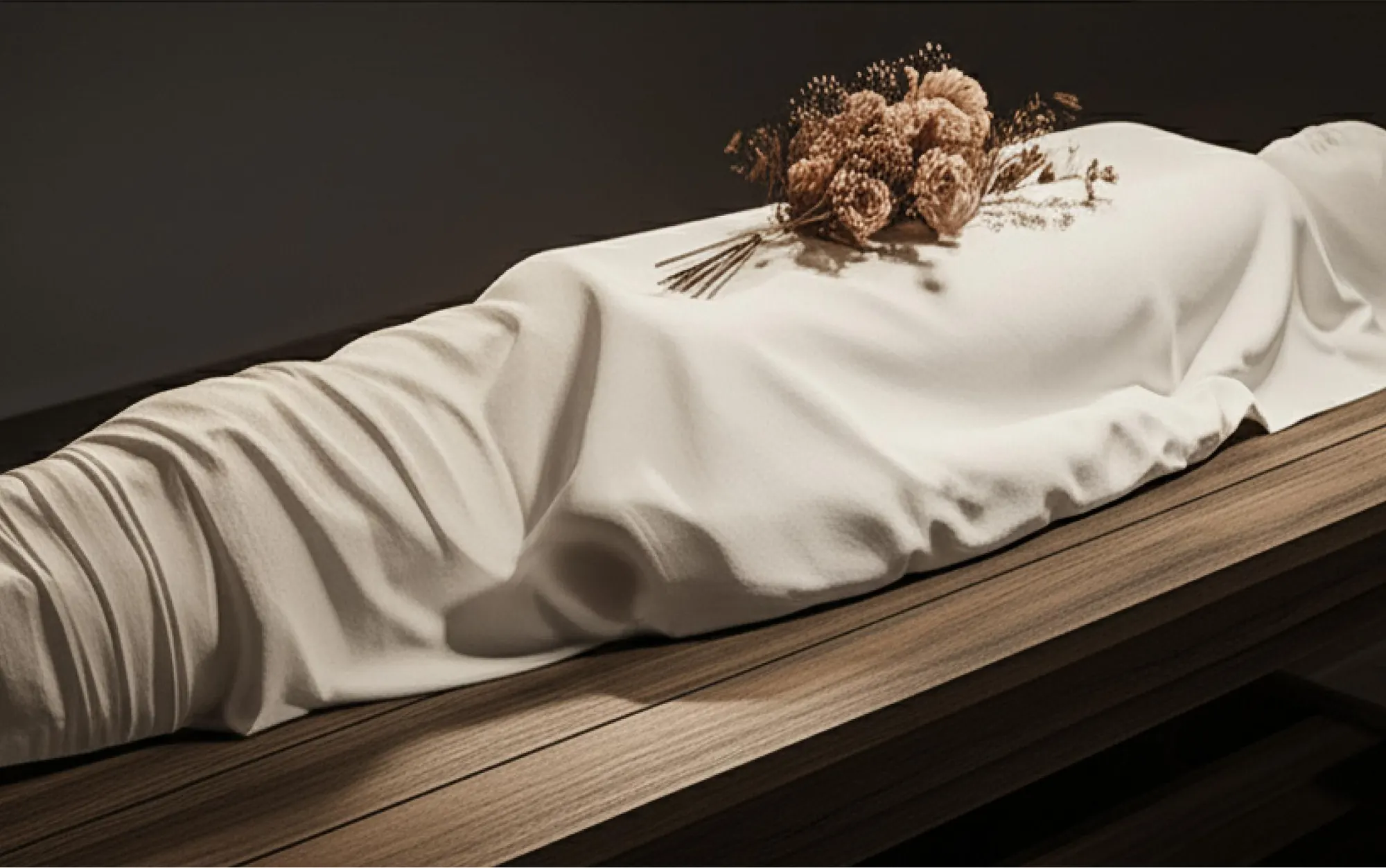
Continued green burial adoption could eliminate the materials and chemicals of traditional cemeteries, while trading land use for carbon sequestration.
Over the next 50 years, green burial could create thousands of acres of thriving conservation parks, serving as wildlife refuges and ecological corridors within increasingly developed regions. These natural burial grounds would evolve into ecosystems that improve with age, storing carbon in plants and soil while providing climate benefits like reducing urban heat and managing stormwater.
Eliminating millions of gallons of toxic chemicals and reducing demand for casket wood, metals, and concrete vaults would conserve significant resources and improve local water quality as embalming chemicals are phased out.
By 2075, green burial may overcome cultural barriers entirely, becoming viewed as both honorable and practical—creating landscapes where visiting a loved one's grave means walking through a thriving forest.
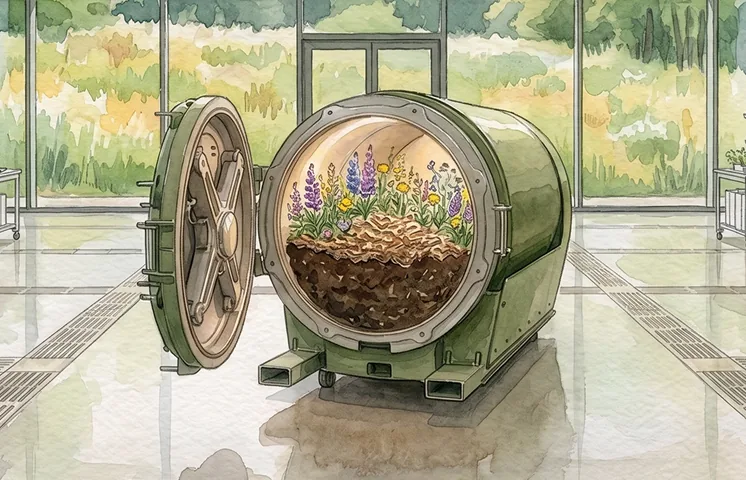
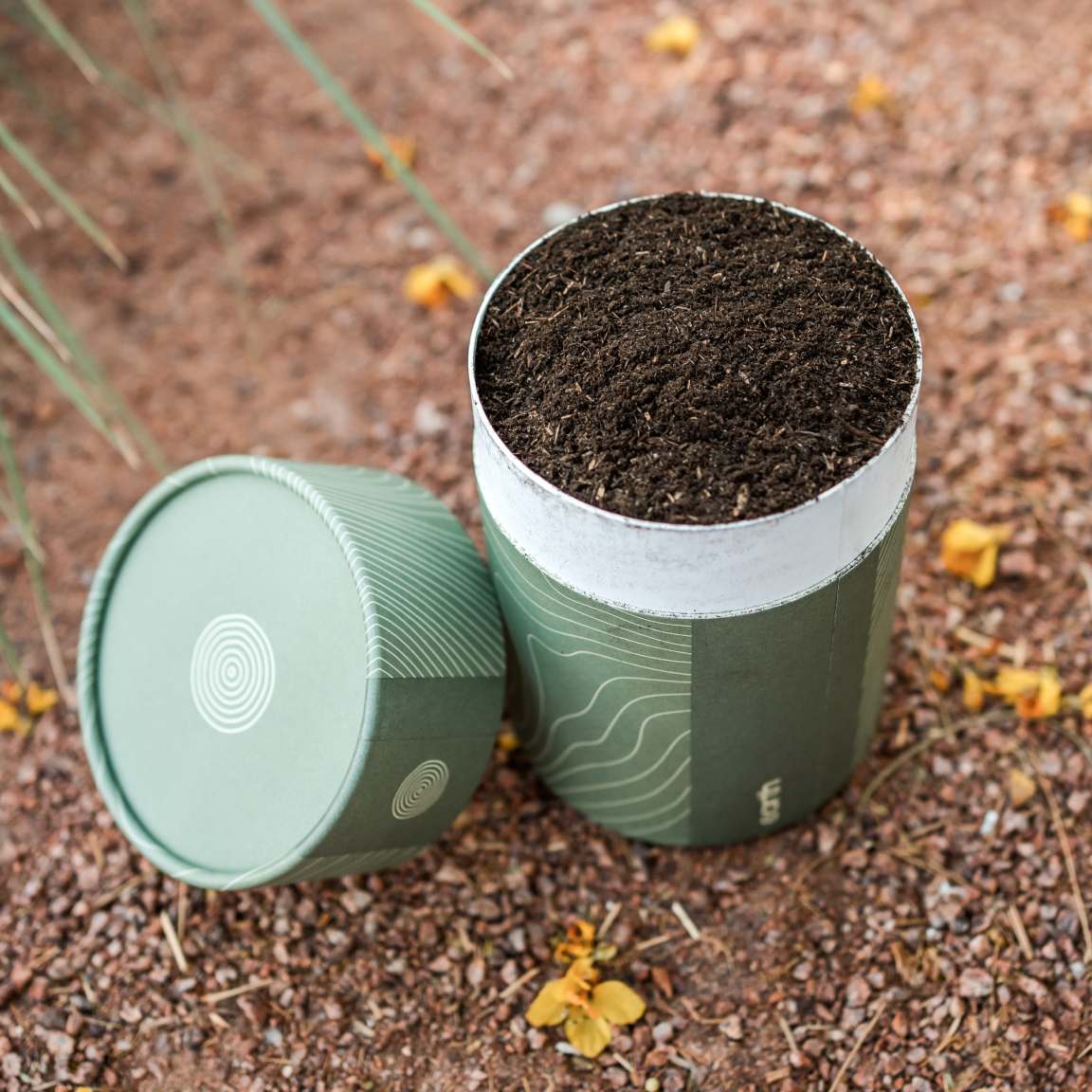
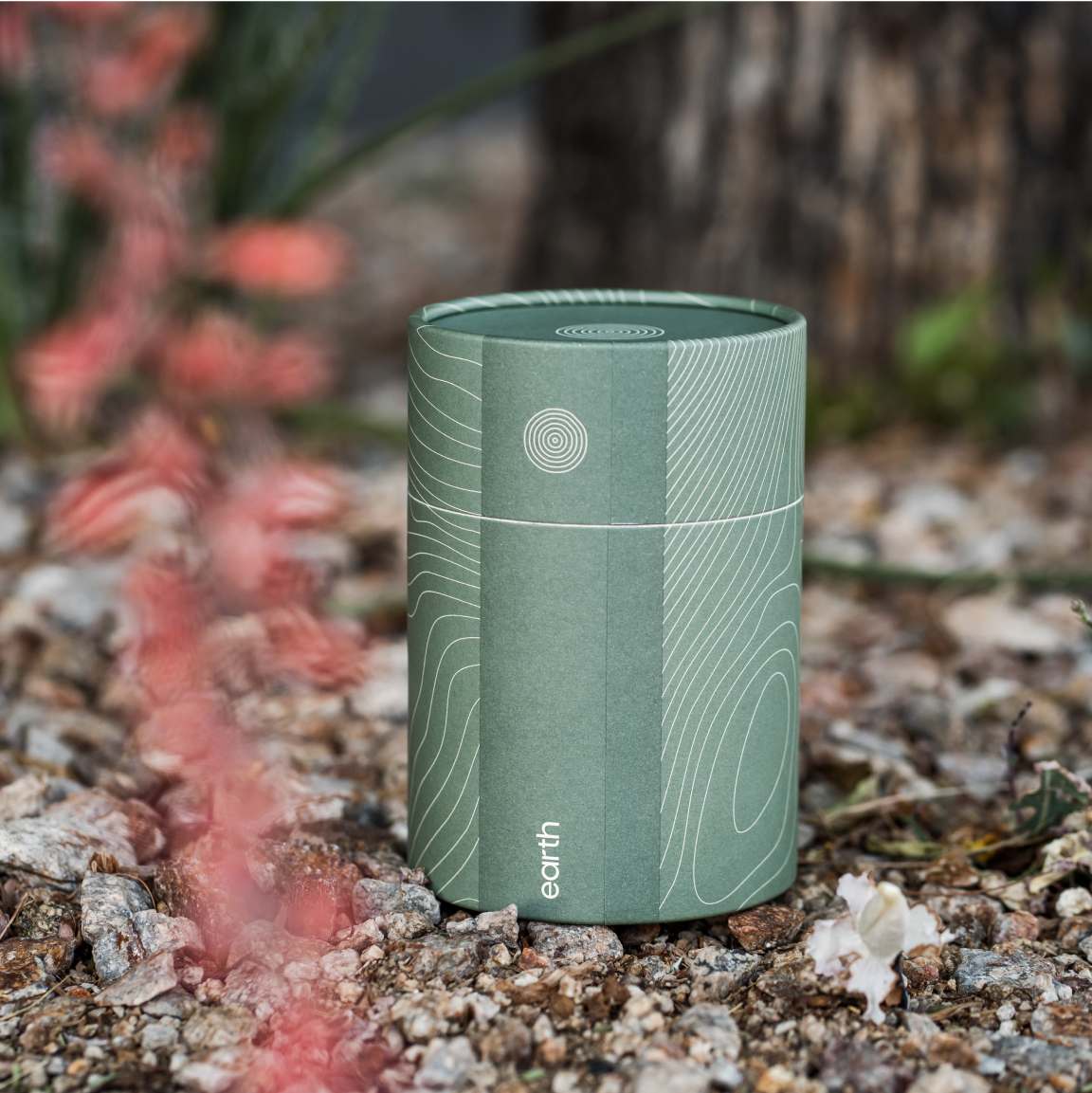
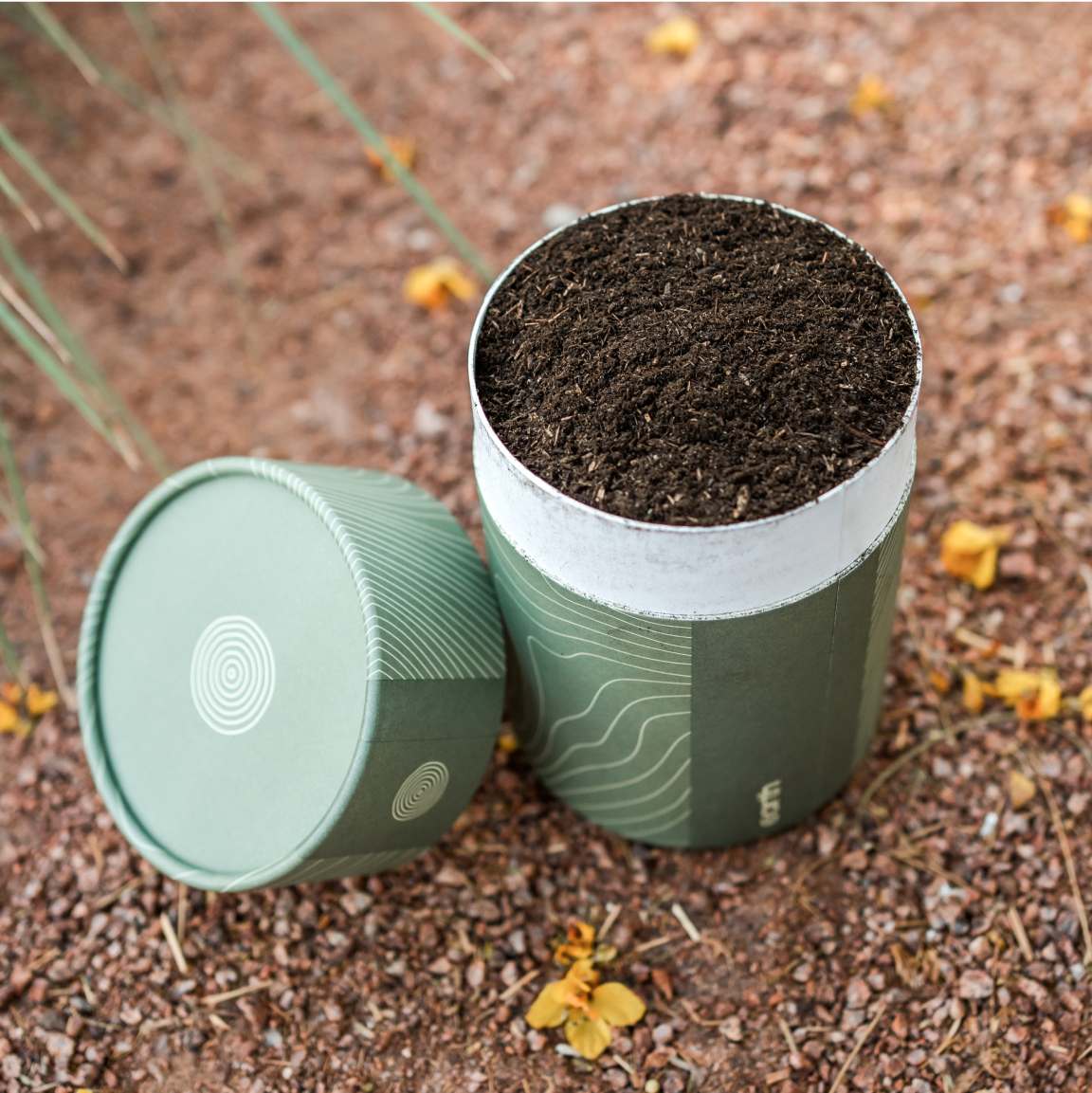
Soil transformation, also called natural organic reduction, human composting, or terramation, transforms the body into nutrient-rich soil. This process accelerates what happens naturally on a forest floor, only faster, safer, and in a controlled environment.
Over 30-45 days, the body naturally breaks down with help from organic materials like mulch, wood chips, and wildflowers into living soil that supports new life.
Soil transformation eliminates embalming chemicals, expensive caskets, and burial plots while typically costing less than traditional options. Nearly half of Americans find this appealing because they want their final act to benefit future generations.
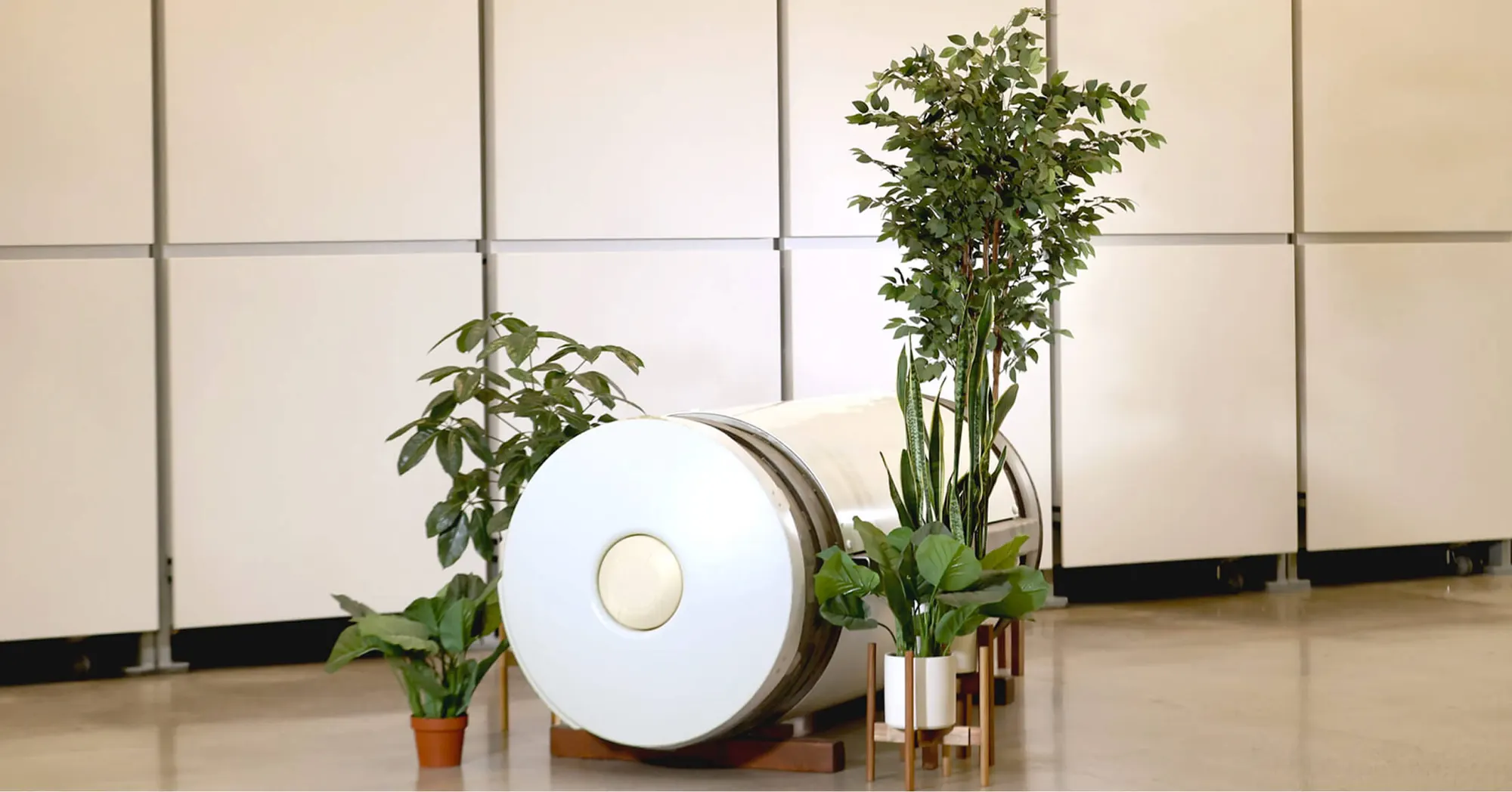
Soil transformation eliminates the downsides of current funeral practices while fundamentally reshaping our relationship to death.
If human composting becomes widely adopted over the next 50 years, we could transform death from an environmental problem into active planetary healing. Each person choosing this method prevents CO₂ emissions while creating soil that helps trees capture even more carbon for decades—a multiplying benefit that could sequester millions of tons of greenhouse gases annually.
Communities could convert existing cemetery land into parks and nature preserves, freeing thousands of acres for housing, habitat, and recreational spaces. Rather than visiting somber graveyards, families would tend living memorials that invite ongoing connection.
By 2075, human composting may be recognized as the choice that helped heal damaged ecosystems, combat climate change, and transform how we view death, making death an act of environmental restoration rather than environmental harm.
{{CTA-4}}
Across millions of deaths in America each year, each person's funeral choice adds up.
Traditional burial practices are hard on the planet and there are viable green options that dramatically reduce CO₂ emissions, water consumption, and land use.
While the funeral industry is at a crossroads, individuals don't need to be.
For people asking "what's the most environmentally friendly burial option," the data points to human composting. It creates a positive environmental impact that grows over generations, transforming death from an environmental problem into environmental healing.
As sustainable funeral choices become more popular, several myths persist about human composting, green burial, and other environmentally friendly options. Here are the facts:
Human composting often costs less than full-service traditional funerals. Traditional burial averages $8,300, cremation with services costs $6,280, while Earth Funeral soil transformations begin at $5,450 with worldwide travel protection included.
No U.S. state requires chemical preservation except in rare edge cases. Funeral homes may promote embalming for profit reasons, but refrigeration works perfectly for short-term body care.
Human composting facilities operate under comprehensive state regulations covering permits, temperature monitoring, pathogen testing, and safety protocols. Green burial grounds follow the same health department oversight as traditional cemeteries.
Families can hold viewings, memorial services, and traditional ceremonies with green options. The only difference is the final disposition method used.
Families can safely use soil from human composting in home gardens, donate it to conservation projects, or plant it in memorial forests. The soil meets all safety standards for unrestricted use.
Earth Funeral is the nation's leading provider of soil transformation services, pioneering an approach to end-of-life care that transforms death into environmental healing. We specialize in natural organic reduction—offering families a meaningful alternative that honors both their loved ones and the planet.
Our process operates on 100% clean energy, produces zero net CO₂ emissions, and uses minimal water. Over 30-45 days, we transform the body into approximately one cubic yard of nutrient-rich soil that helps restore nature. Families can keep a portion for personal gardens and memorials while donating the remainder to conservation projects.
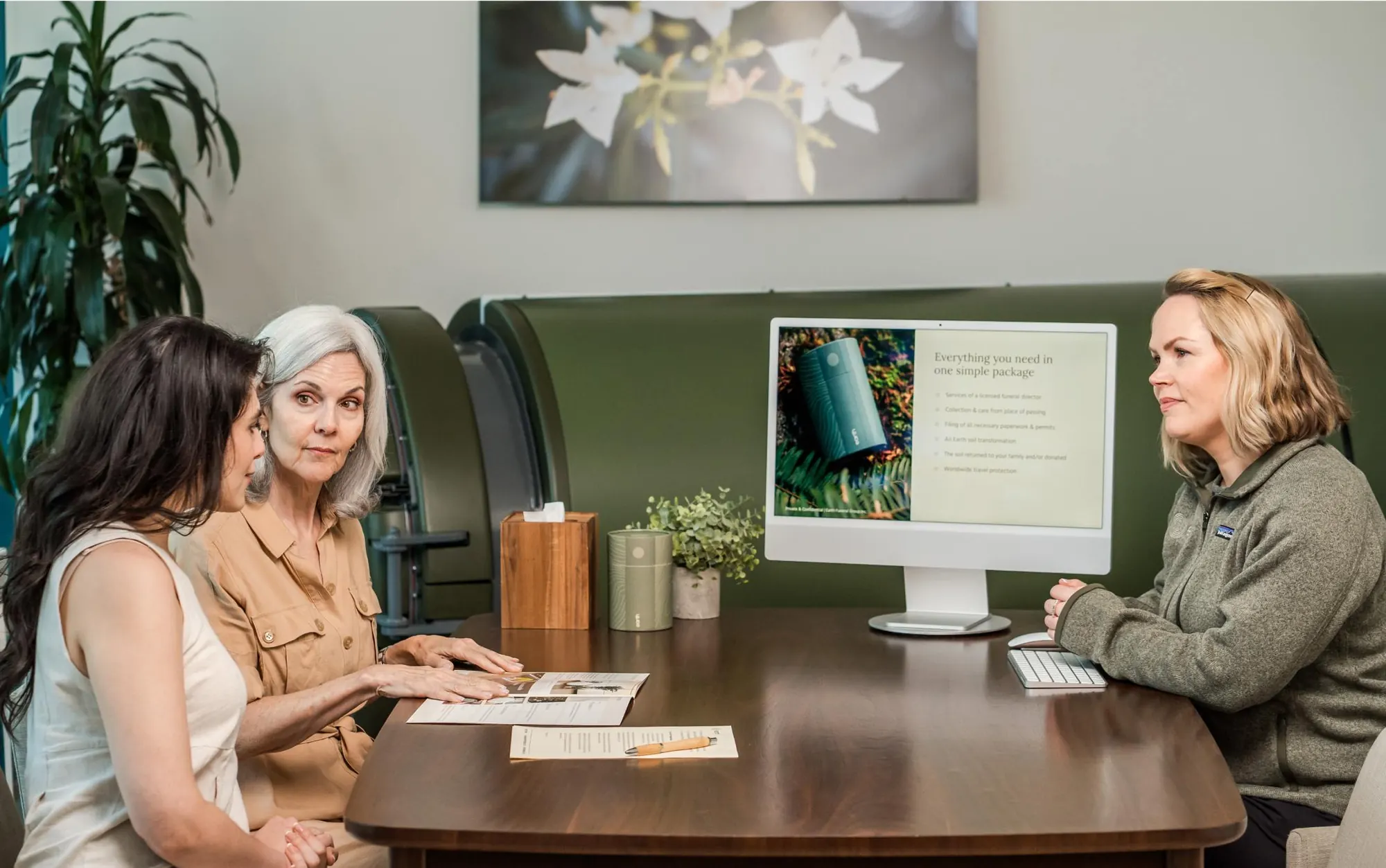
Our team combines decades of funeral industry experience with cutting-edge soil science and advanced technology. We operate state-of-the-art facilities equipped with proprietary vessel technology that mimics natural conditions, providing peaceful, dignified settings for this transformative process.
As fully licensed funeral professionals, Earth Funeral provides comprehensive services including transportation, documentation, the transformation process, and respectful return of soil to families. Our online platform simplifies arrangements while providing real-time updates and memorial resources.
{{CTA-webinar-1}}
Pre-planning spares your family from making over 125 decisions while grieving. Only 36% of Americans have funeral plans—meaning nearly two-thirds leave difficult decisions for their survivors during vulnerable times. Your plan provides clear guidance, preventing confusion and family disagreements.
Funeral costs continue rising. Pre-planning locks in today's pricing and protects against emotional overspending—when grieving families make expensive choices due to guilt and time pressure. Unprepared families face lost wages, travel costs, and rush charges—totaling up to $34,100.
Pre-planning creates "mortality ease"—a sense of completion that allows you to focus fully on living. Pre-planning ensures your final farewell truly represents who you are while creating positive environmental impact.
Wills often aren't reviewed until after the funeral during probate. A will might say "I want soil transformation" but won't specify which facility or how to pay. You need both a will and a funeral plan.
The most common regret isn't about what was planned—it's about what wasn't planned when there was still time. Even when families think they know your wishes, they often misunderstand verbal instructions. Written plans eliminate confusion and family conflict.
Pre-planning your funeral is one of the most meaningful ways to ease the burden on loved ones and ensure your final wishes are honored. This guide offers a comprehensive overview of everything you need to know—from costs and documentation to choosing between burial options and personalizing your arrangements.
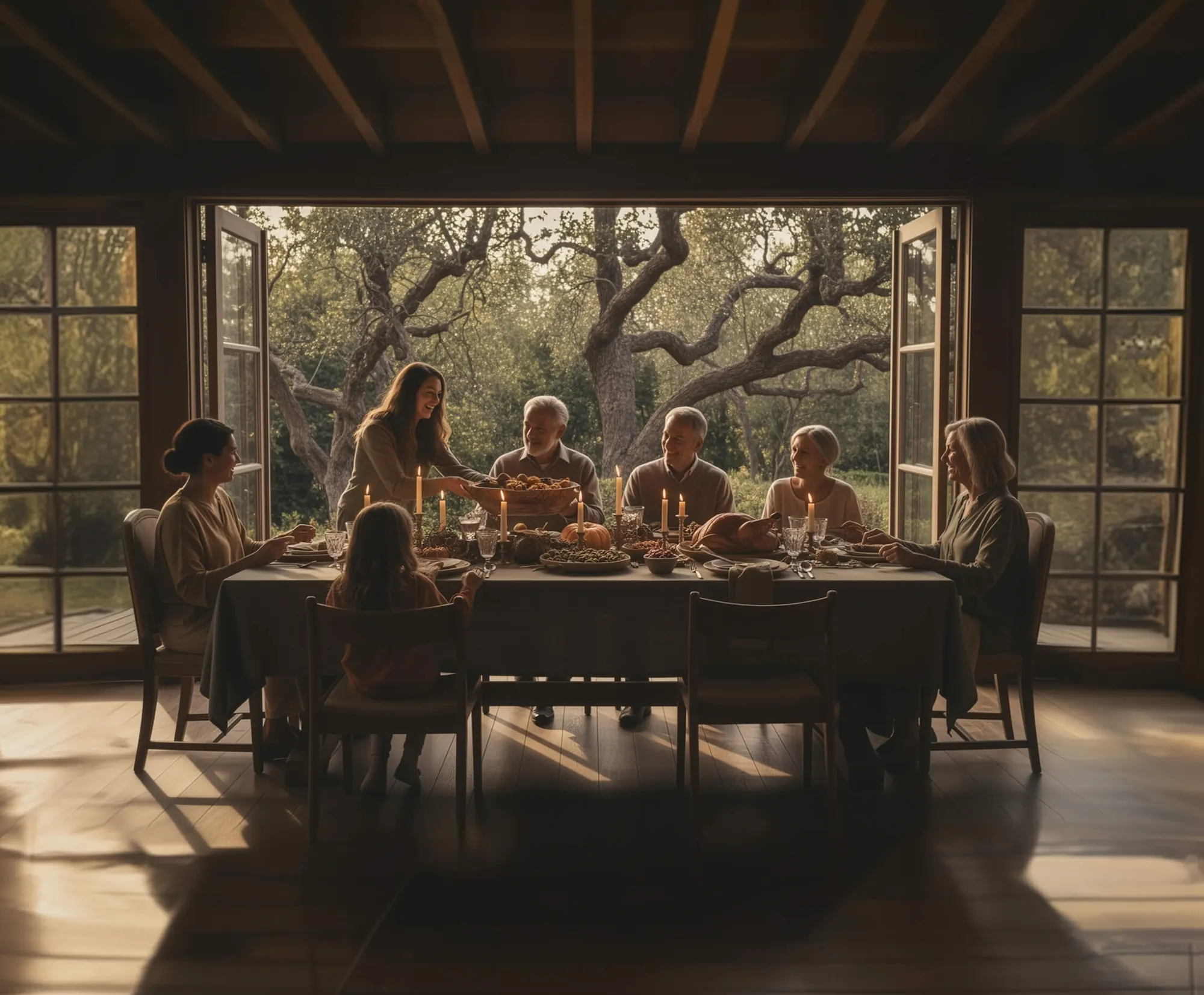
End-of-life planning rarely happens alone. Families who talk openly about death tell us the same thing: it brought relief, not burden. Seattle grief therapist Dr. Jill Gross shares practical advice for starting these conversations with your spouse, parents, children, or close friends.
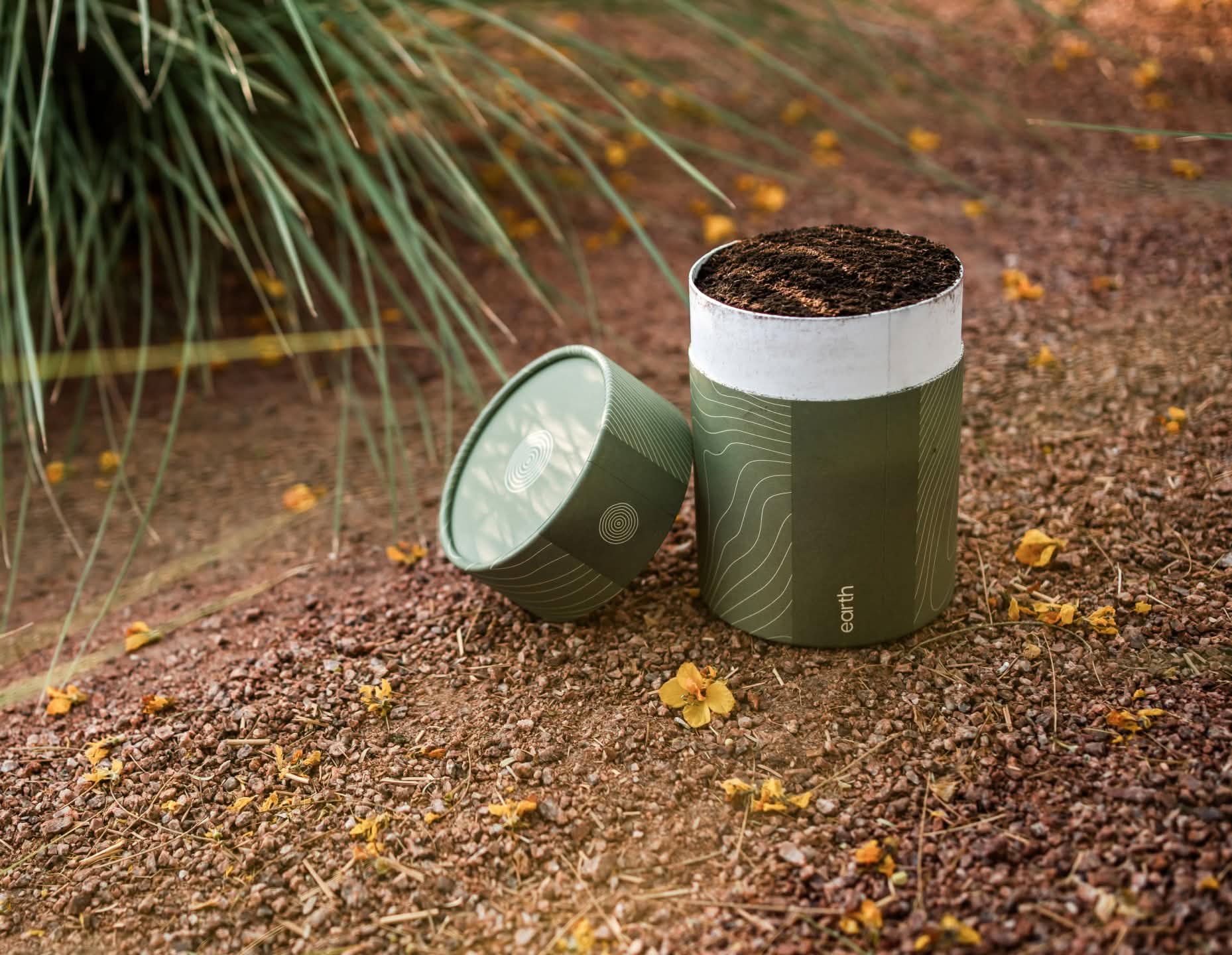
Earth Funeral's comprehensive guide to natural organic reduction (NOR) best practices, safety standards, and regulatory recommendations, informed by five years of innovation and operations.