A Guide to Best Practices in NOR
Earth's comprehensive guide to natural organic reduction (NOR) best practices, safety standards, and regulatory recommendations.
Earth's comprehensive guide to natural organic reduction (NOR) best practices, safety standards, and regulatory recommendations.
November 20, 2025
Natural Organic Reduction (NOR) represents one of the most significant innovations in modern deathcare, and it is one of the newest industries in the United States. More commonly known as human composting, NOR gently transforms a body into nutrient-rich soil. The process accelerates what occurs in the natural world so that families can receive their loved one’s soil after approximately one month. Families can use this soil to plant trees, nurture gardens or restore conservation lands to honor their loved one’s legacy.
A new form of deathcare means pioneering new safety standards and best practices, as well as new statutory and regulatory oversight. The funeral industry is a tightly regulated industry, predominately at the state level. Each state’s rules are designed to reflect its local consumer landscape and funeral traditions.
Washington State was the first to legalize NOR in 2019, with the law taking effect in May 2020. As the first state to legalize NOR, Washington took exceptional care to develop a framework that encouraged continued research and development, and innovation, while also enforcing robust safety standards and protections.
Today, 14 states have signed NOR into law in just five years, a remarkable rate of adoption. This momentum is being driven by public demand. Research shows that 68% of consumers are interested in more sustainable alternatives to traditional burial and cremation. An aging population in the U.S. combined with growing awareness of NOR will continue to encourage more states to legalize sustainable alternatives like NOR in coming years. As a result, state policymakers and regulators will be tasked to update their funeral laws and regulations to honor broader consumer choices in deathcare.
While there is no one size fits all approach for states considering NOR legalization, precedent in Washington and key learnings from NOR industry leaders can provide valuable insight. These lessons can be a guide for policymakers, regulators, and industry leaders seeking to expand access to safe, transparent, and sustainable end-of-life care.
Earth Funeral’s mission is rooted in integrity, innovation, and care. Founded in 2020, we set out to build something radically new: a modern funeral home pioneering NOR, as a safe, trusted, sustainable option available to anyone who wants it.
Since our launch in 2022, Earth Funeral has become the largest provider of NOR in the United States with facilities in Washington, Nevada, and Maryland, including the largest soil transformation center on the East Coast. Our facilities are the most advanced NOR operations in the world. To date, we have invested more than $15 million into research and development to design and build proprietary NOR vessels that enable a safe, consistent, and environmentally sound process. We continue to invest in innovation, integrating feedback to make significant improvements and better support families and our workforce.
The Earth Funeral team brings together experts from multiple disciplines, including hardware engineering, industrial design, funeral care, and the nation’s leading compost scientist. This collaboration allows us to uphold the highest standards of quality and compassion in every service we provide.
Earth Funeral has worked with families from nearly every state, completed more than 1,500 reductions, and helped thousands more pre-plan their arrangements. Each process is overseen by licensed Funeral Directors, NOR Operators, engineers, and maintenance specialists, all guided by a shared commitment to ethics, dignity, and safety.
Although NOR does not raise the same safety concerns as conventional deathcare, which involve inherent environmental and occupational hazards1, the NOR industry is not without its own risks and challenges. The NOR process is still in its early stages of innovation and development, and each existing NOR provider has created its own method and approach for both the NOR process, and how to conduct and operate its processes safely.
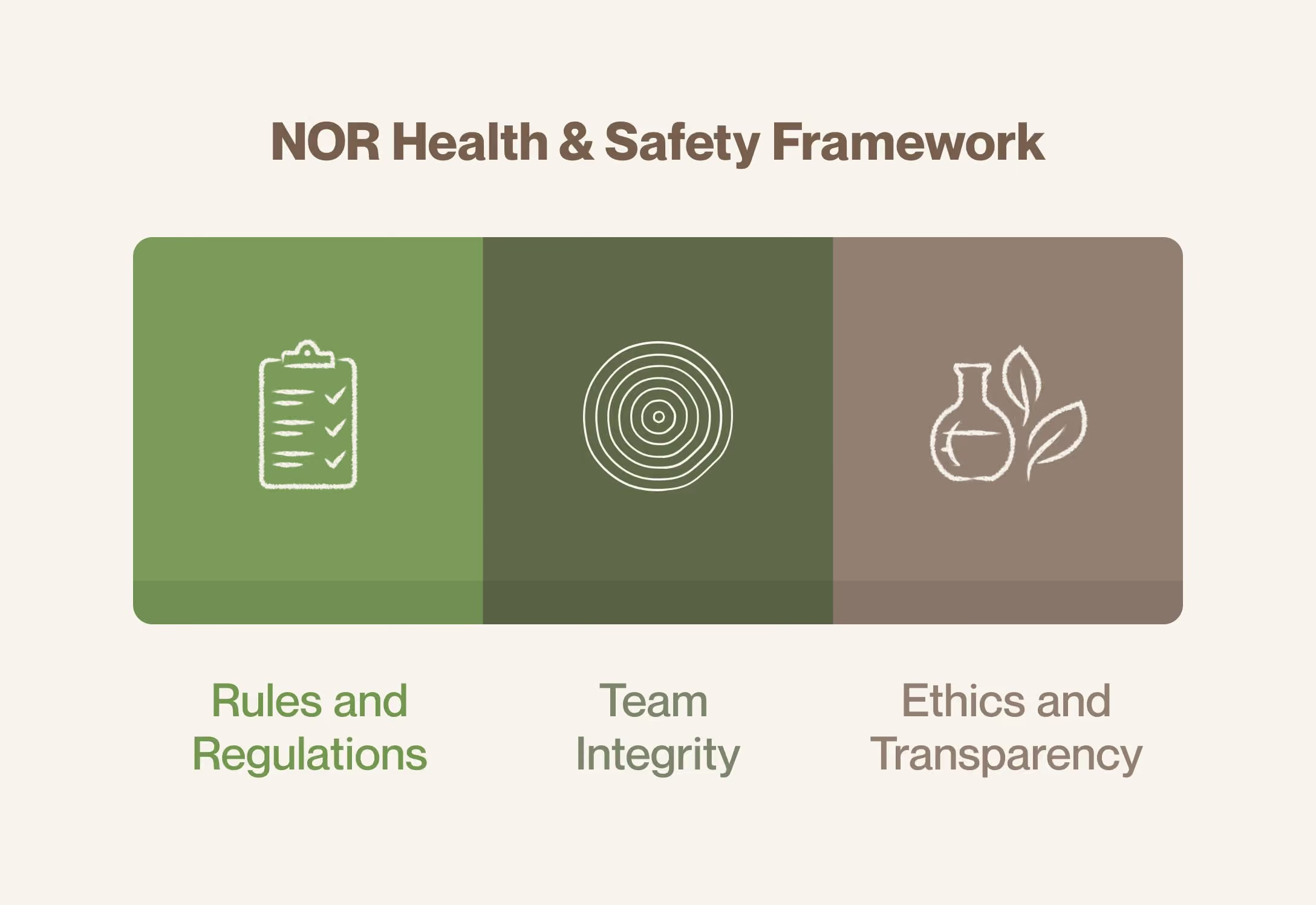
Our goal with this report is to share the lessons that we have learned over the past five years as a leading provider of NOR. As a new and still largely unfamiliar method of deathcare, it is imperative that NOR providers act with the highest ethics, integrity, and transparency. We believe that high standards for the NOR industry can help ensure families have access to safe, reliable, and meaningful care.
1 Traditional burial methods include embalming that carries risk of toxic chemical exposure and potential leaching and contamination into groundwater. Cremation produces significant carbon emissions and air pollutants as well as extreme heat exposure and airborne toxin exposure to operators.
Earth Funeral applies the principles of nature, including biology, microbiology, and compost science, to transform the body into nutrient-rich soil.
The NOR process recreates and accelerates what occurs naturally in the environment by carefully balancing carbon and nitrogen, and maintaining optimal temperature, moisture and airflow levels. These conditions allow naturally occurring microbes to break the body down at a molecular level.
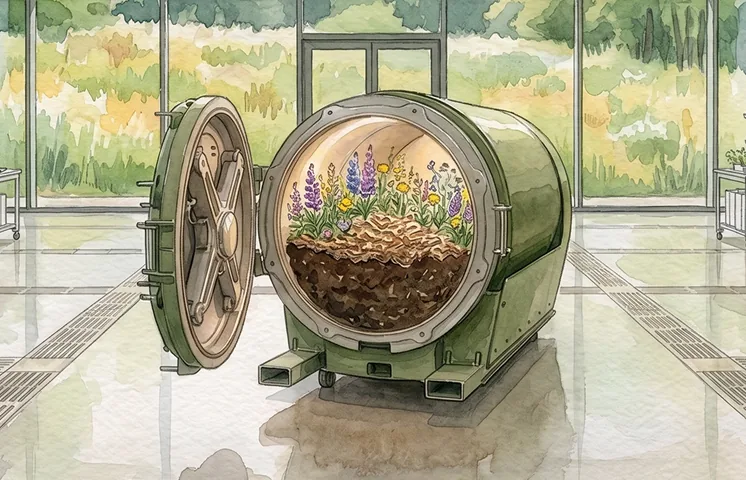
Each reduction takes place in one of our customized, proprietary vessels. A body is placed inside the vessel along with organic materials such as wood chips, mulch, and wildflowers to provide the proper balance of carbon and nitrogen.
Inside our vessel, beneficial microbes from the body and the organic materials begin their work. The vessel environment is carefully regulated for temperature, airflow, and moisture to maintain aerobic composting and support a safe, efficient transformation.
As the microbes metabolize organic matter, they naturally generate heat. When temperatures rise above 131°F, that self-generated heat destroys any harmful pathogens. We test the transformed soil to ensure it is mature and safe for humans, plants, and wildlife.
Each reduction typically takes 30 to 45 days, with ongoing research and innovation continuing to improve this timeline.

Prior to being placed in the soil transformation vessel, the body is gently washed and wrapped in a biodegradable shroud.
The shroud is placed in its own individual vessel on a layer of organic mulch and wood chips. Wildflowers are added with the shroud.
The body and organic material remain in the vessel for 45 days. Microbes break everything down at the molecular level, producing a nutrient-rich soil.
Following transformation, material, including both soil and bone fragments, are further reduced in size in a process similar to the cremulation process used to break down bone fragments after cremation in compliance with state regulations.
Each process produces about one cubic yard of nutrient-rich soil. This soil can be used to restore forests, preserve conservation land, nourish gardens and spread in meaningful places. When using returned soil in this way, we recommend verifying and following all local laws and regulations, as these vary by location.

The heart of Natural Organic Reduction (NOR) is the vessel itself. Guided by a safety-by-design philosophy, Earth Funeral’s vessels are purpose-built to ensure safety, consistency, and environmental integrity throughout the transformation process.
Each Earth Funeral vessel is equipped with a proprietary sensor suite that continuously monitors temperature and airflow. This technology enables early detection and intervention in the rare event of a thermal fluctuation or mechanical issue. Continuous monitoring also ensures that vessels reach and sustain a minimum temperature of 131°F for 72 consecutive hours, the standard required to destroy harmful pathogens.
Our vessels are constructed from stainless steel to maximize safety and durability. This design also makes them naturally fire-resistant and corrosion-proof.
When operated correctly, Earth Funeral’s vessels are completely sealed and leak-proof, ensuring that all materials remain contained within the system throughout the process.
As the manufacturer of this proprietary equipment, we conduct regular inspections and maintenance checks to verify that every vessel operates safely and efficiently.
We have pioneered several different models of our vessels, and we are planning to introduce our fourth generation vessel in 2026. Each model reflects lessons we have learned to improve both safety and performance. Our engineering and operations teams work in close collaboration to identify and resolve any issues that arise, continually refining and improving our equipment, technology, and processes.

At Earth Funeral, we've assembled a team united by a shared mission to provide families with a safe, meaningful deathcare option. We aim to create a culture where engineers, scientists, Funeral Directors, and NOR Operators work collaboratively. Each team member brings specialized expertise while sharing a common commitment to dignity, safety, and continuous improvement.
Funeral Director: Earth Funeral employs licensed Funeral Directors at our facilities and to lead our care team. In addition to their traditional mortuary education, our Funeral Directors at our facility are skilled experts in the NOR process. The Funeral Directors on our care team work directly with families, oversee arrangements including all necessary paperwork and coordinating safe transfer of individuals into care at our facilities. They communicate with families throughout each step of the process, ensure state regulatory compliance, and set the standard of dignity and care.
NOR Operator: We also employ trained operators who assist our Funeral Directors in the NOR process. Some states require special NOR Operator licensing and certification. At Earth Funeral, our NOR Operators facilitate and monitor our vessels and processing equipment, administer in-house testing, and prepare soil to be returned to families. This role requires deep technical understanding of how to use and maintain Earth Funeral’s proprietary equipment, strict adherence to safety protocols and chain of custody, and strong attention to detail to ensure safe operations.
Engineering: Our engineering team includes mechanical, electrical, and firmware specialists who design, build, and continuously refine Earth Funeral's proprietary NOR vessels and other custom equipment. This team works in close collaboration with the NOR Operations team and our soil scientist to translate insights and feedback into improvements that enhance safety, efficiency, process consistency, and soil quality.
Compost Science: Earth Funeral employs one of the country’s leading experts in compost science who is dedicated to ensuring that we are creating safe and mature NOR soil through advanced monitoring and testing systems.

Earth Funeral provides comprehensive training to ensure safety, consistency, compliance, and ethical conduct. Our orientation program combines internal procedures with recognized third-party standards, including the Cremation Association of North America (CANA) NOR Operator Certification Program. Training covers equipment operation, safety protocols, environmental monitoring, and the proper use of personal protective equipment (PPE).
We strive to ensure that our team honors the important sensitivities and emotional stakes of the funeral industry. Each Earth Funeral team member is expected to perform their duties with compassion, dignity, and respect for each individual in our care. This expectation is embedded in our job descriptions, hiring practices, and ongoing training. NOR Operators are expected to treat every individual as they would a member of their own family.
All team members formally acknowledge their understanding of these expectations through signed documentation, reinforcing accountability at every stage of care. We provide opportunities for continuing education and regular retraining to ensure that these standards remain active throughout each operator’s tenure.
{{CTA-webinar-1}}
We are dedicated to ethically providing the most advanced, safe, and trusted NOR process. To date, Earth Funeral has invested $15M in research and development to create proprietary technology, equipment, materials, and procedures for its NOR process, and we invest each year to make further improvements. This is due to the active feedback loop between our operations, engineering, and science teams.
Since launching, we have evolved our vessels to reduce energy use, improve process time and enhance our sensor suite, monitoring, and data collection. We have streamlined our processes to ensure compliance with strict regulatory standards and better support our workforce.
At Earth Funeral, innovation and care evolve together. Our engineering and compost science teams work side by side with Funeral Directors, NOR Operators, and facility staff to create an active feedback loop between technology and people.
Each NOR process is carefully monitored, documented, and analyzed to identify opportunities for refinement, whether through equipment upgrades, software adjustments, or enhanced training protocols. The engineering team continuously improves the performance and safety of every vessel and system component.
By uniting scientific expertise with hands-on experience, we ensure the NOR process remains safe, efficient, and continuously evolving for the families and communities we serve.
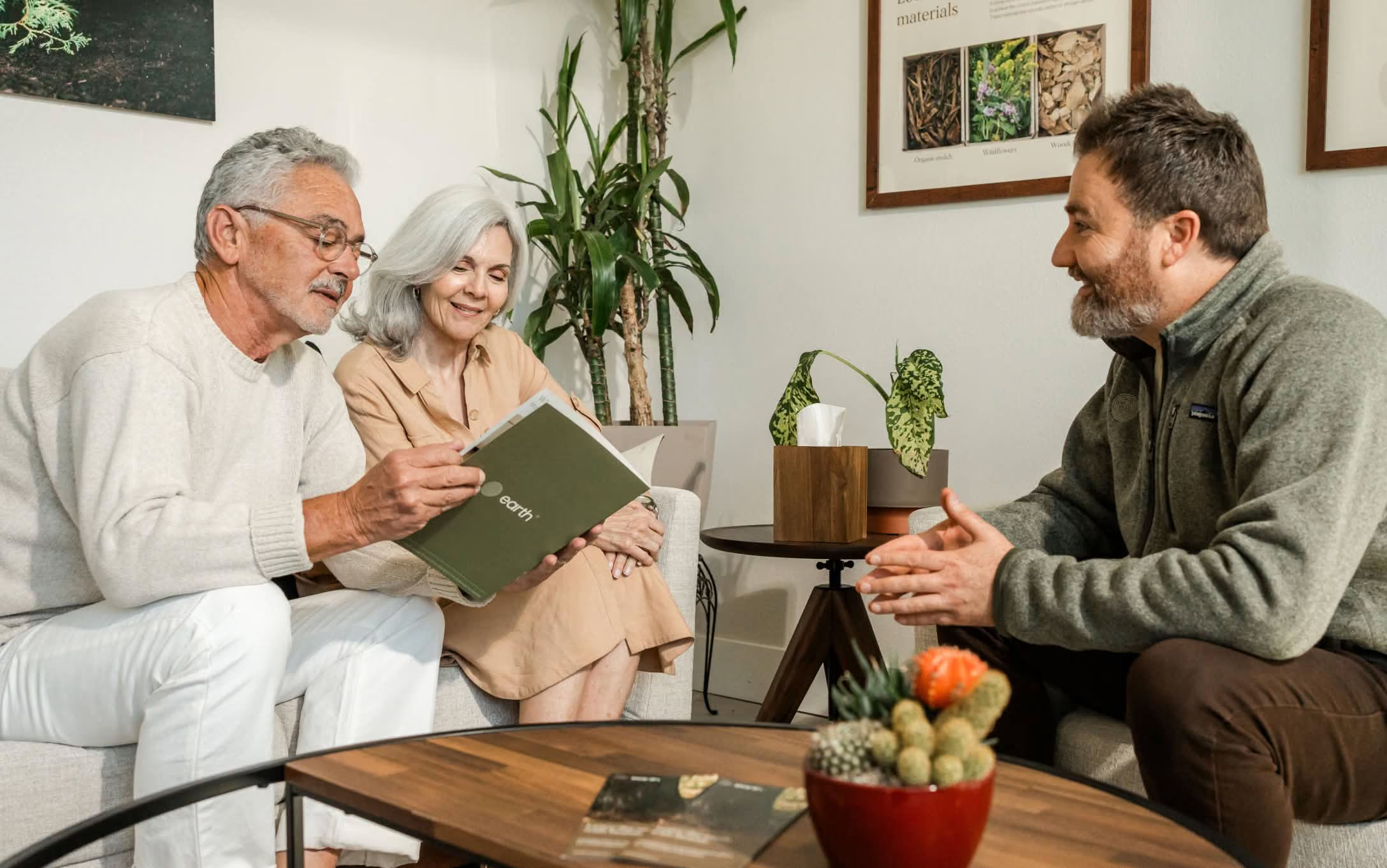
At Earth Funeral, our goal is to provide a new standard of transparency in deathcare. Since NOR is a new form of disposition, we find it is essential to educate consumers and provide updates to families across multiple channels.
For the families we serve, once a loved one enters our care, our team is committed to open communication, clear documentation, and compassionate guidance through every stage of the process. All documentation, including authorizations, permits, and chain-of-custody records, is reviewed in detail with the family and signed by an authorized agent for the deceased to ensure full understanding and confidence.
Earth Funeral has also developed an online platform that provides regular updates on the process. Families are able to see where their loved one is in the process and when they can expect soil returned. Additional updates and support from our licensed Funeral Directors and Care Team are tailored to each family.
By maintaining open communication and a culture of honesty and care, we ensure that families feel supported, informed, and confident that their loved one’s final act is treated with dignity and respect.
NOR is available to almost everyone. However, there are certain exceptions due to health and safety reasons. In some cases, specific medical conditions or causes of death make NOR unsuitable even though most harmful pathogens are destroyed during the process. These exceptions apply to the NOR industry at large and are usually enshrined in statute or regulations.
Unfortunately, no NOR facility can accept individuals who suffered from rare diseases like prion diseases (such as Creutzfeldt-Jakob disease), mycobacterium tuberculosis or Ebola. The industry also can’t accept individuals who died due to a radiologic event. Individuals with a radioactive implant or nuclear pacemaker if those devices were not removed 30 days before death are also ineligible. Lastly, most states allow for local Health Departments’ discretion should new health risks arise.
At this time, the NOR industry is also unable to work with individuals who have been embalmed. The preservative chemicals used in embalming, such as formaldehyde and methanol, are designed to prevent natural decomposition and would hinder the NOR process.
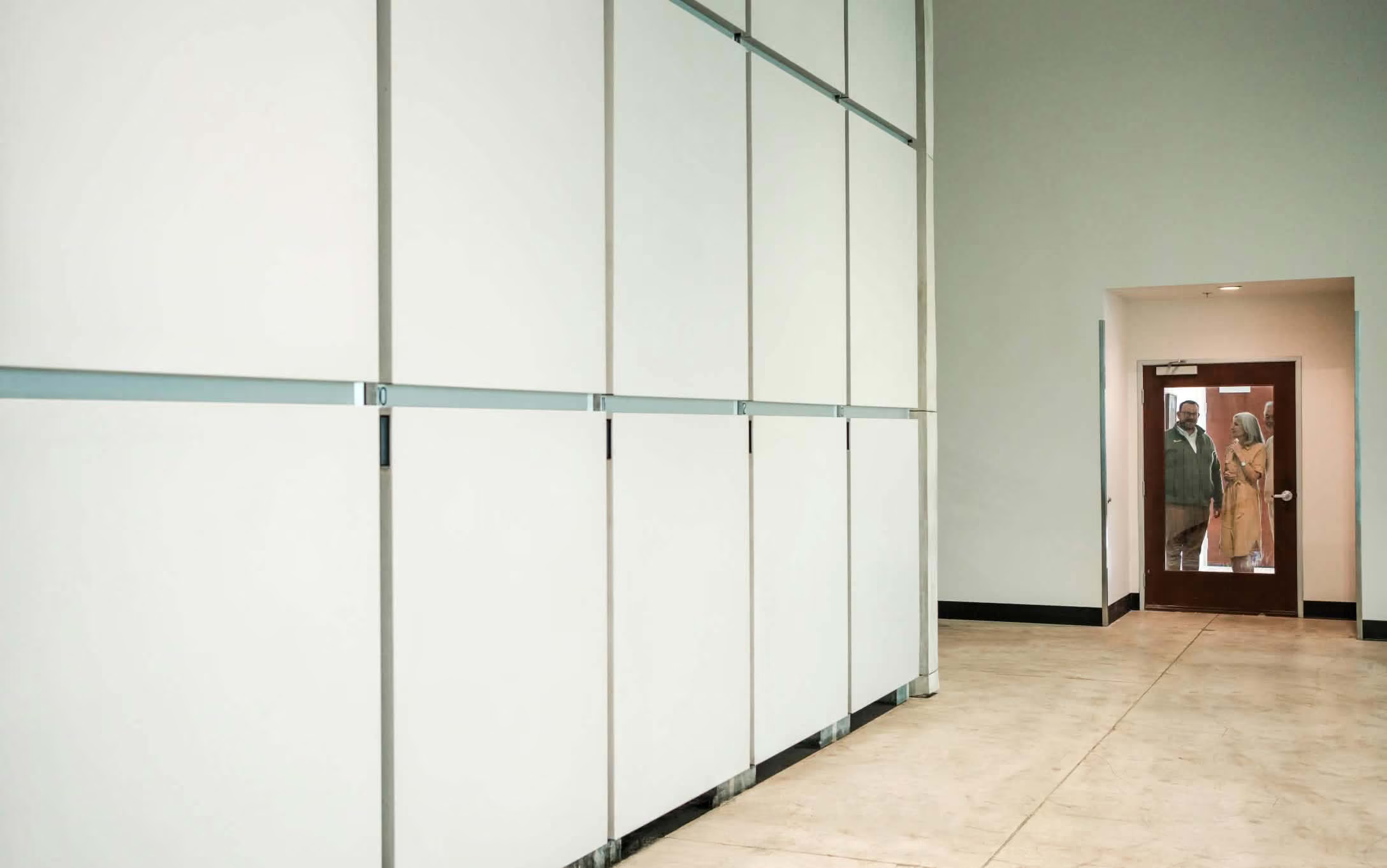
Earth Funeral maintains a strict and transparent chain of custody for every individual in our care. Each NOR Operator receives training on the importance of maintaining chain of custody and additional steps and precautions we require to prevent any commingling of remains. Through these protocols, we ensure that each family receives only their loved one’s soil, handled with accuracy, care, and respect from beginning to end.
Earth Funeral uses a combination of digital records and physical documentation including both paperwork and a metal ID tag to ensure accuracy and accountability at every stage. This system begins the moment we receive an individual at one of our facilities and continues throughout the NOR process until the mature soil is returned to the family and/or donated to a conservation project.
First, our Funeral Directors receive an individual and verify their identity in a designated, private check-in area. This verification includes cross-checking items like a hospital wristband or coroner tag with the information within Earth’s facility management system. We also confirm that the individual’s identity is consistent across the burial transit permit and NOR authorization.
Once verified, we affix a metal ID tag with a unique identifier to the individual, and this ID tag accompanies them throughout the process. The unique identifier is also saved digitally in Earth’s facility management system. After check-in, the individual is kept in secure refrigerated storage until they can be placed in a vessel for the NOR process to begin.
Next, when an individual is placed into one of our vessels, the metal ID tag remains with them throughout the transformation process. We also place the individual’s paperwork, which includes NOR authorization paperwork, disposition permit, and a working copy of the death certificate adjacent to the vessel.
Once the NOR process inside the vessel is complete, the soil is removed along with the metal ID tag and paperwork for processing. Two NOR Operators confirm that the soil has been properly and totally removed from the vessel. The metal ID tag and paperwork accompany the soil until the family’s designated portion has been prepared for shipment or in-person return.
We have developed comprehensive standard operating procedures to prevent commingling of soil.
Each Earth Funeral vessel is used for one individual at a time. Once each process is complete, the vessel is emptied, inspected, and cleaned before being used again. This ensures the integrity of each transformation and prevents commingling of remains.
Our NOR Operators are trained on a multi-point inspection checklist for vessel turnover. After the turnover process has been completed, a second NOR Operator then performs an independent inspection, providing an additional layer of verification and accountability.
Each vessel and all processing equipment are cleaned between reductions. Earth Funeral has developed proprietary cleaning tools to ensure thorough cleaning throughout the process.
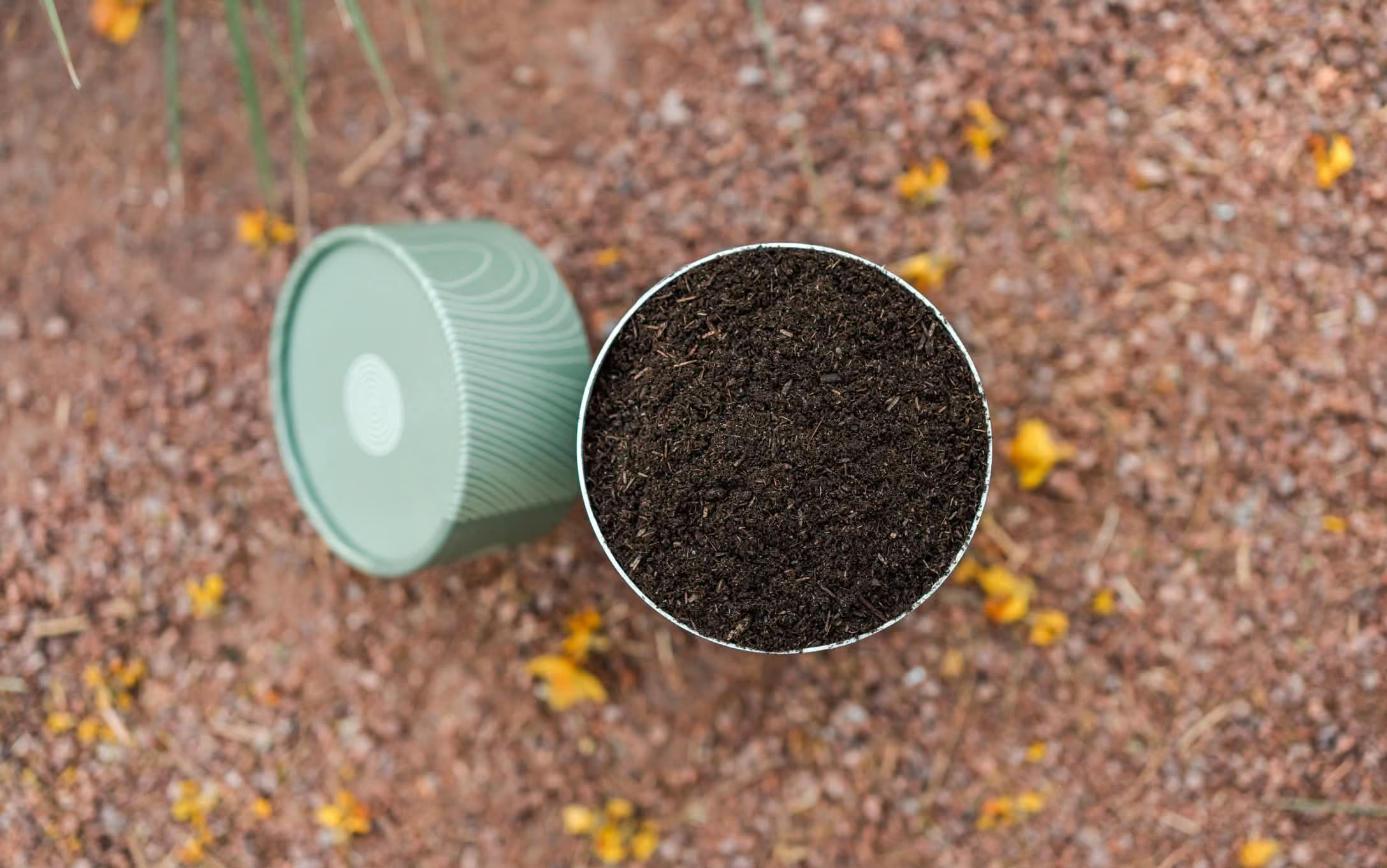
This soil is the most meaningful part of the NOR process, and we are honored to hear beautiful stories of how families are memorializing their loved ones.
Each individual process yields about 300 pounds on average. Unlike cremation, NOR soil goes through comprehensive and robust testing before it is returned to families. Reduced soil may not include any intact bone, dental filings or medical implants.
Most states require a testing program to ensure that NOR soil is safe for handling and the environment. For example, Washington requires that samples from the first 20 reductions are sent to an accredited laboratory to test for heavy metals and pathogen indicators like arsenic, cadmium, lead, mercury, and selenium, and either fecal coliform or salmonella at levels set by the state2:
2 https://app.leg.wa.gov/wac/default.aspx?cite=246-500-055
Once 20 reductions meet these limits, in Washington, NOR providers are then required to analyze at minimum 25% or a total of 80 of tests that meet state standards of the facility’s monthly reductions. Should reduced soil fail to meet any of the state thresholds, the soil is reprocessed and re-tested until it does. NOR facilities are required to keep testing records and file an annual report with the state.
Earth Funeral maintains one of the most rigorous testing and monitoring programs in the NOR industry. Our program is overseen by one of the country’s leading compost scientists. We use in-house and third party testing methods.
The goal of our in-house testing is to ensure that the soil is stable and mature so that it is safe for families to handle and appropriate for ecosystem restoration and other conservation work. Our compost scientist has created a proprietary in-house testing program that reflects the latest research in this field.
Our third party testing is conducted by an independent lab that is certified by the U.S. Composting Council’s Seal of Testing Assurance Program. We exceed all regulatory standards by submitting significantly more than the minimum required samples of NOR soil to third-party laboratories for independent testing every month.
We are confident in the quality and safety of NOR soil before returning it to families, and to our conservation partners.

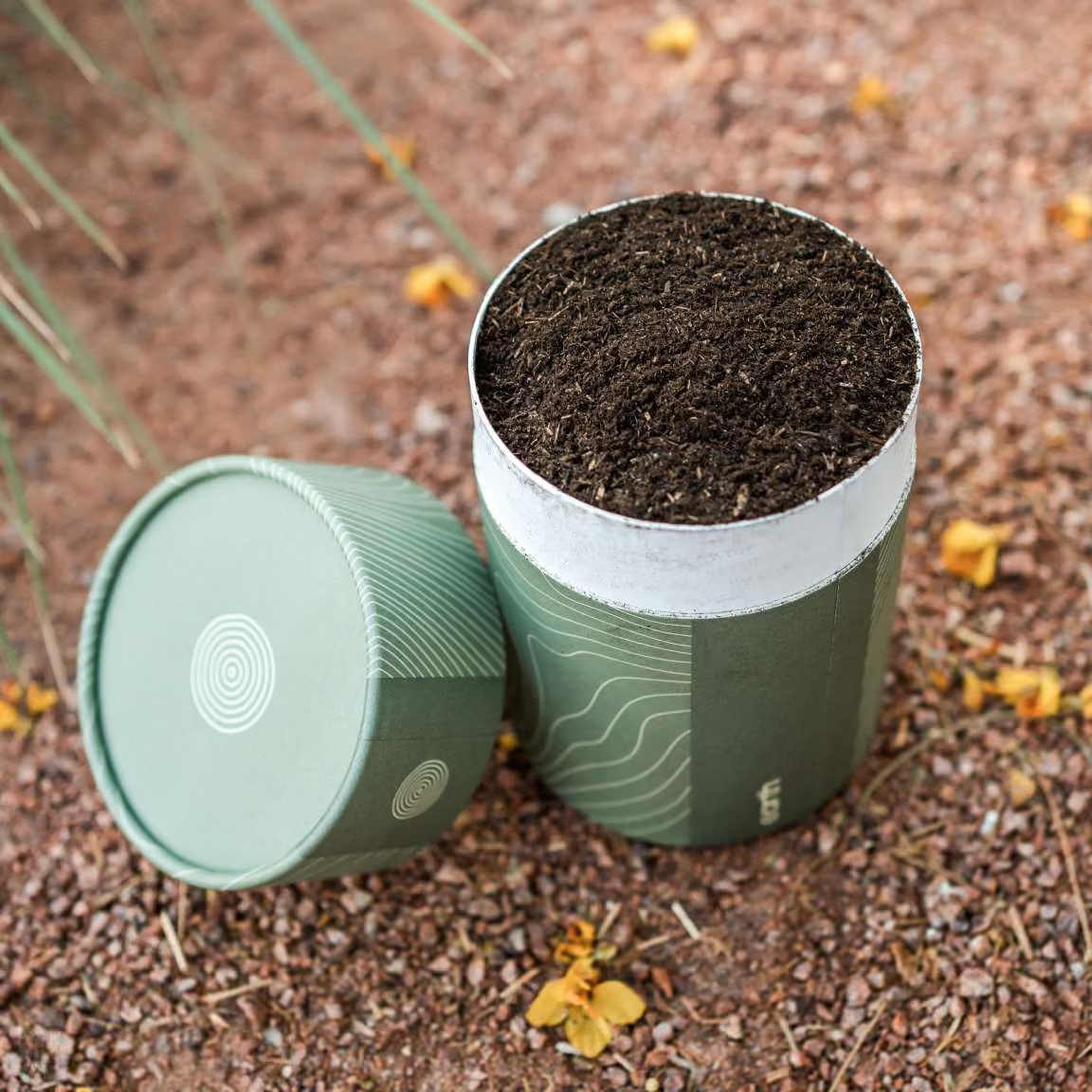
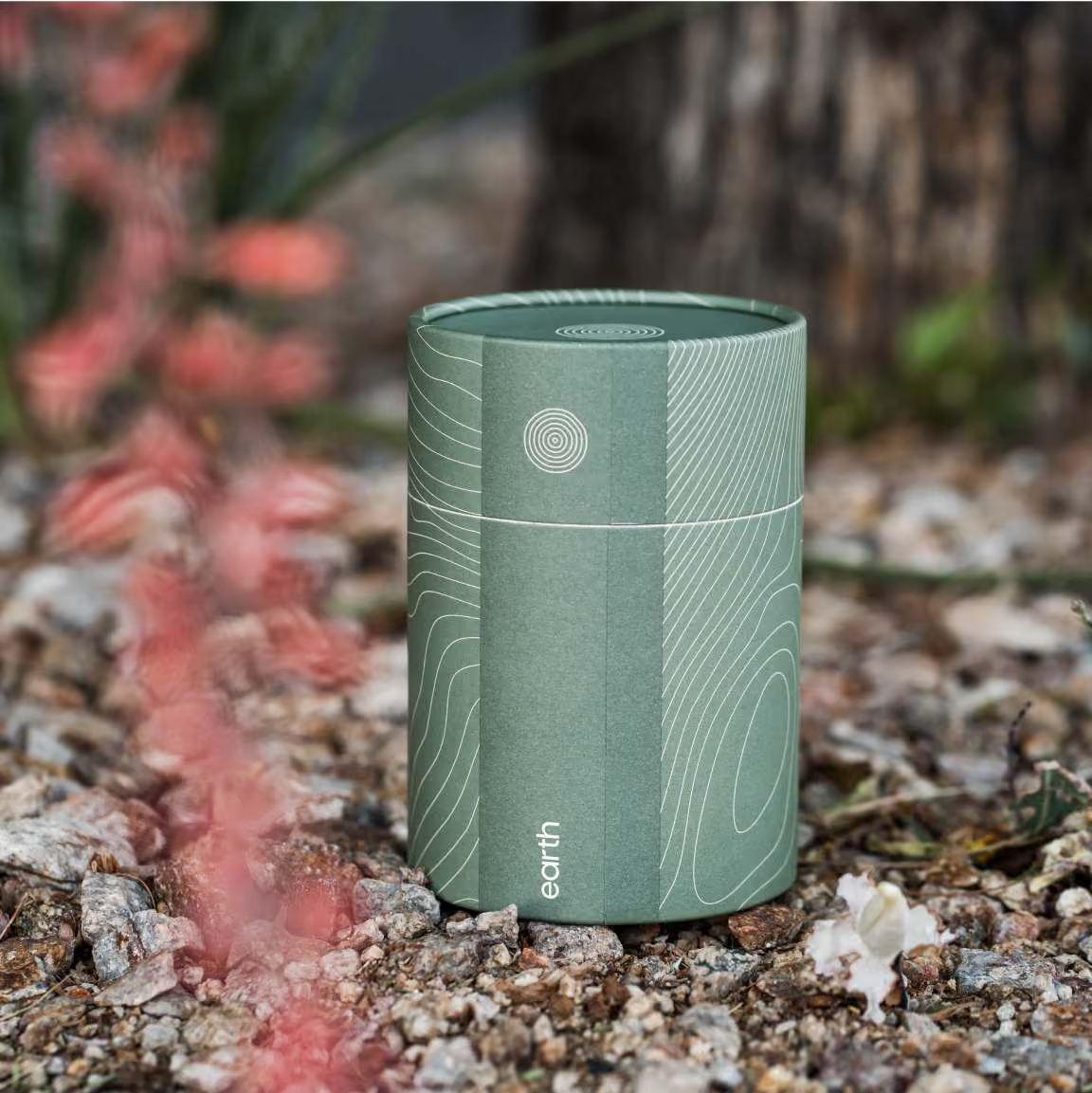
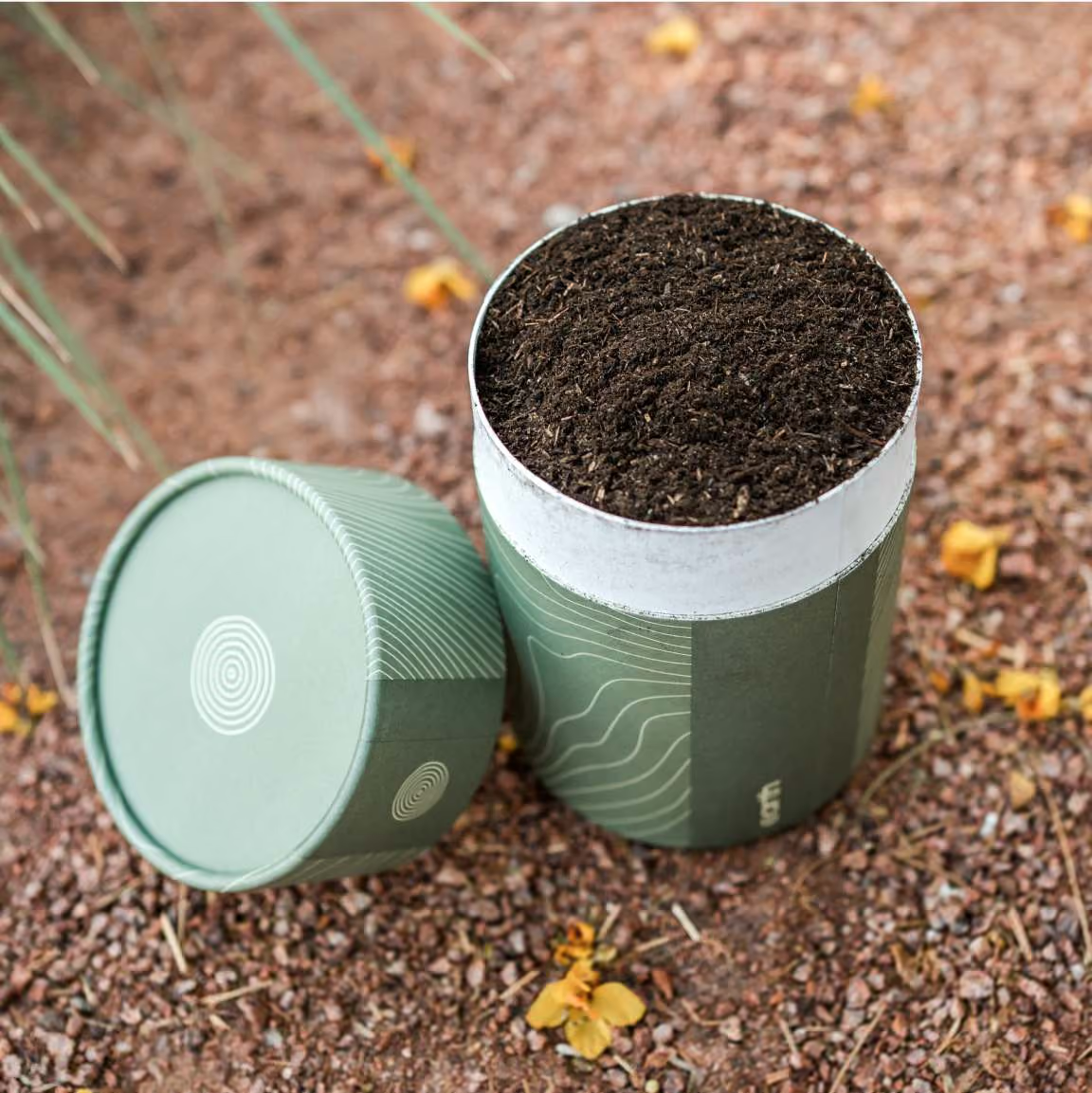
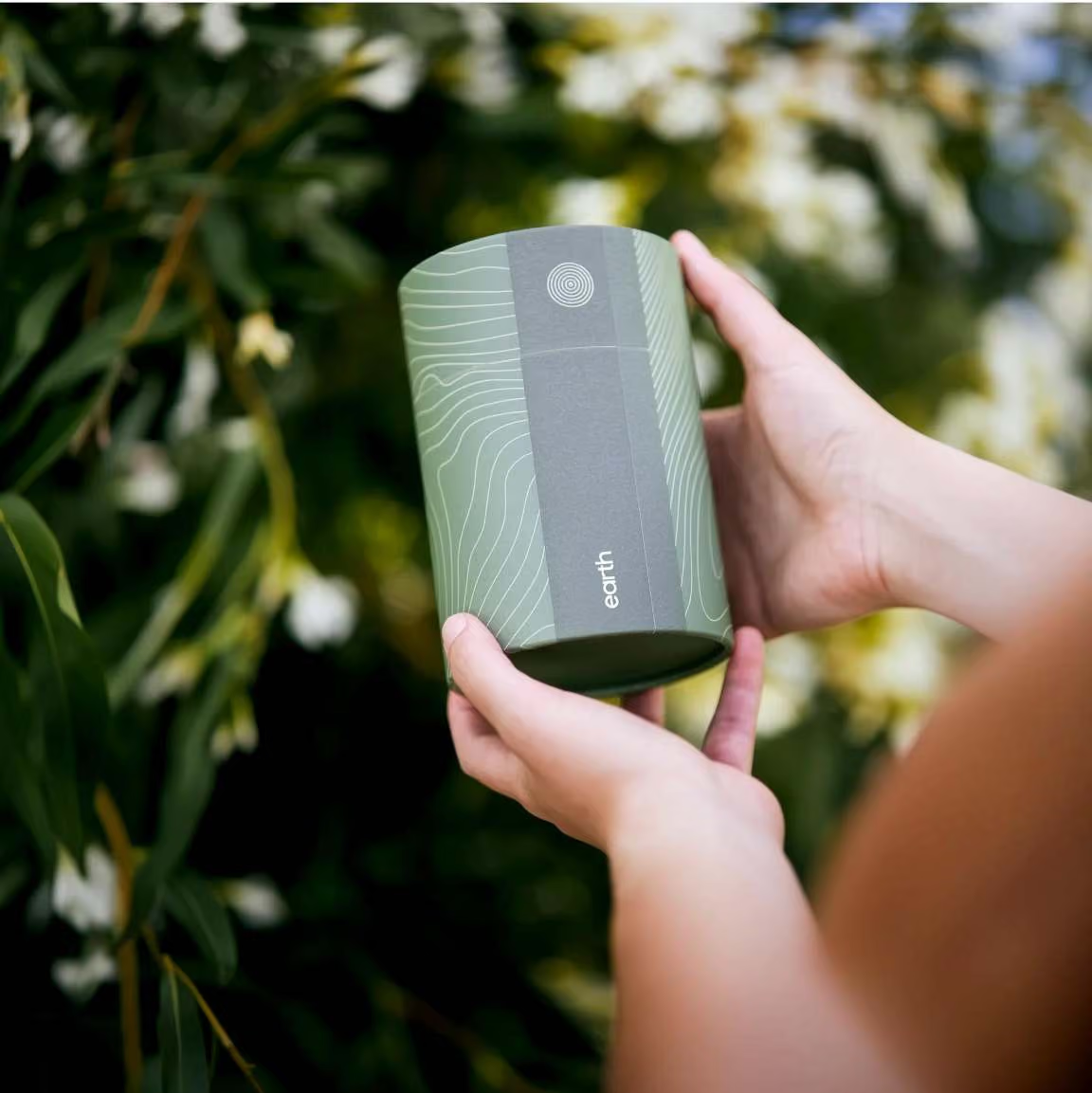
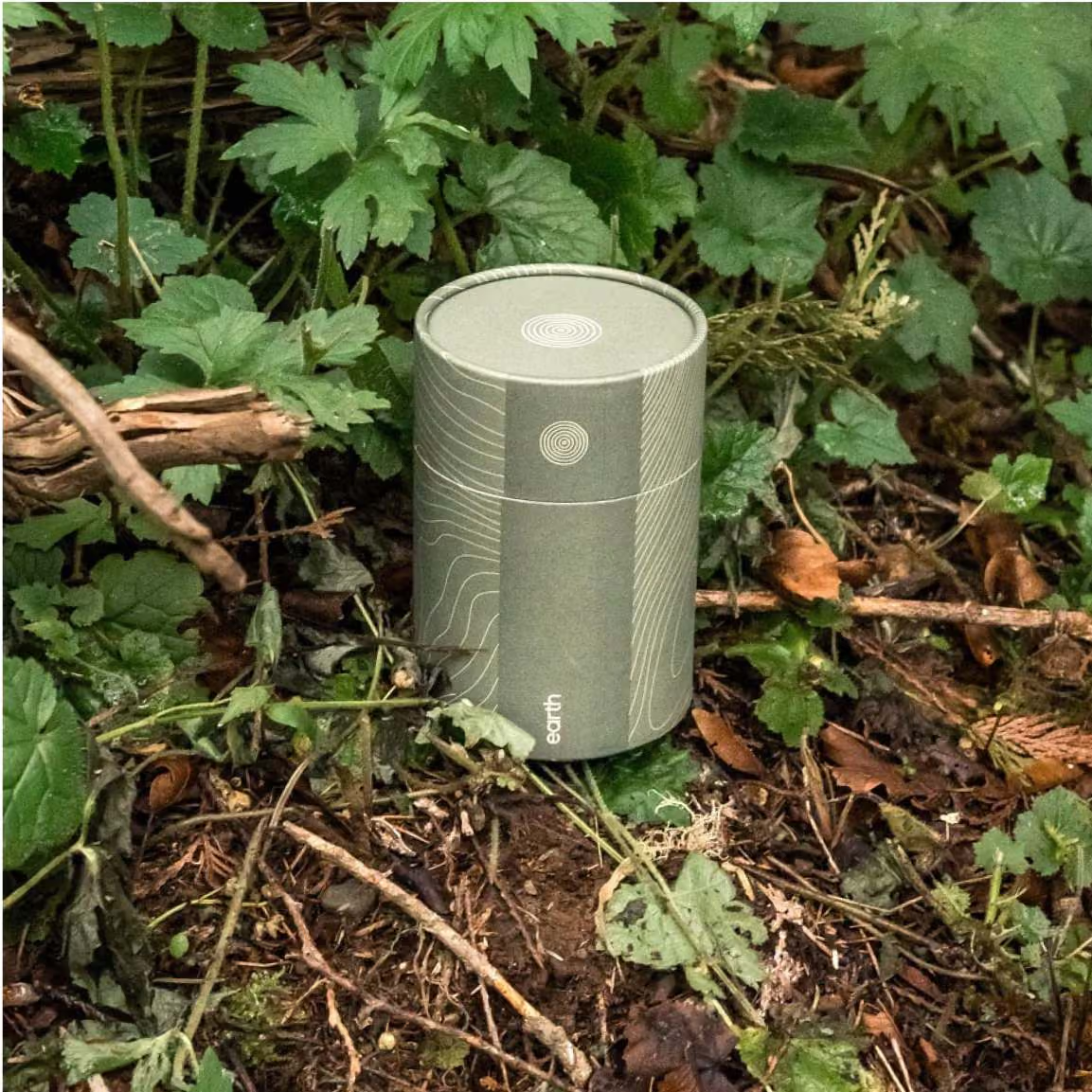
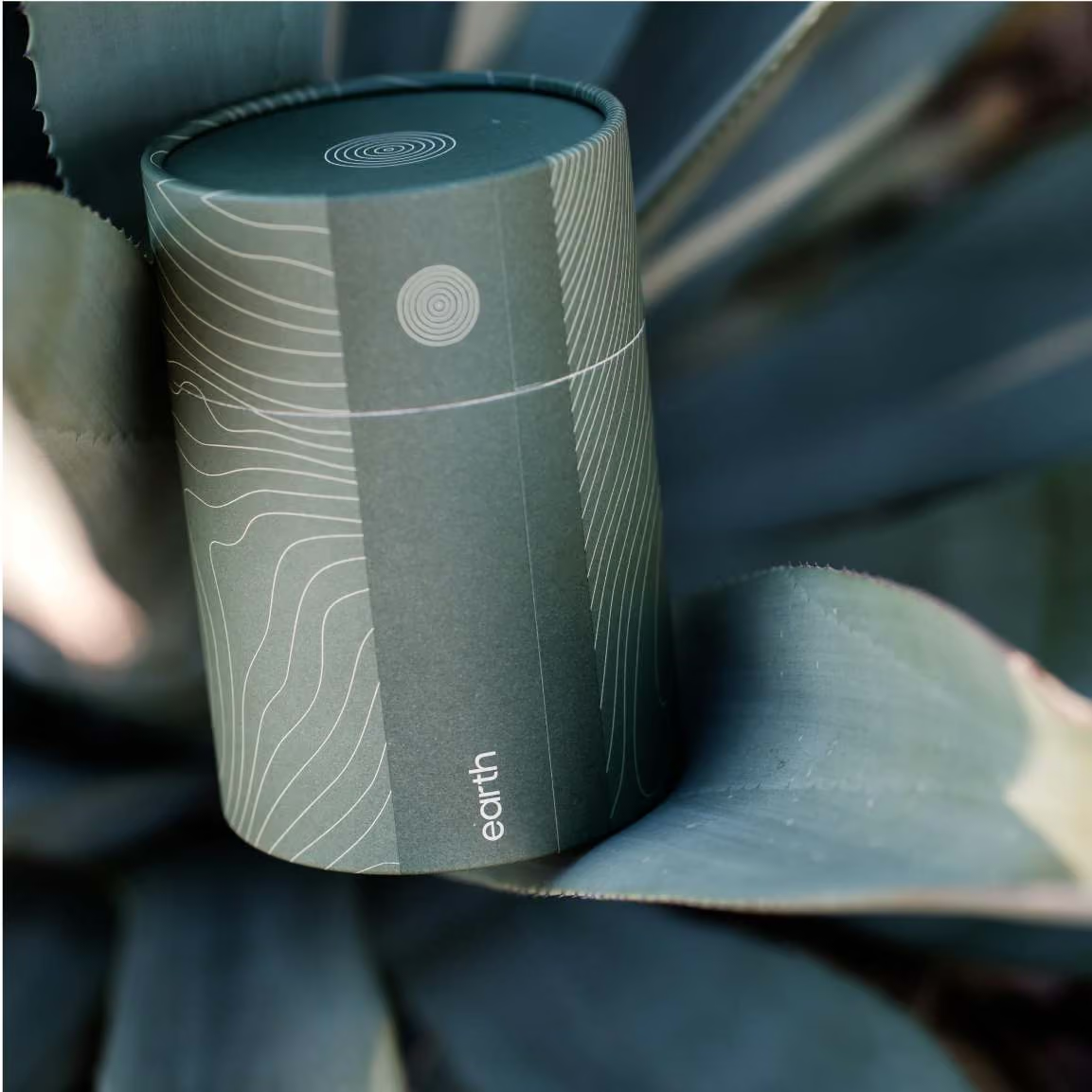
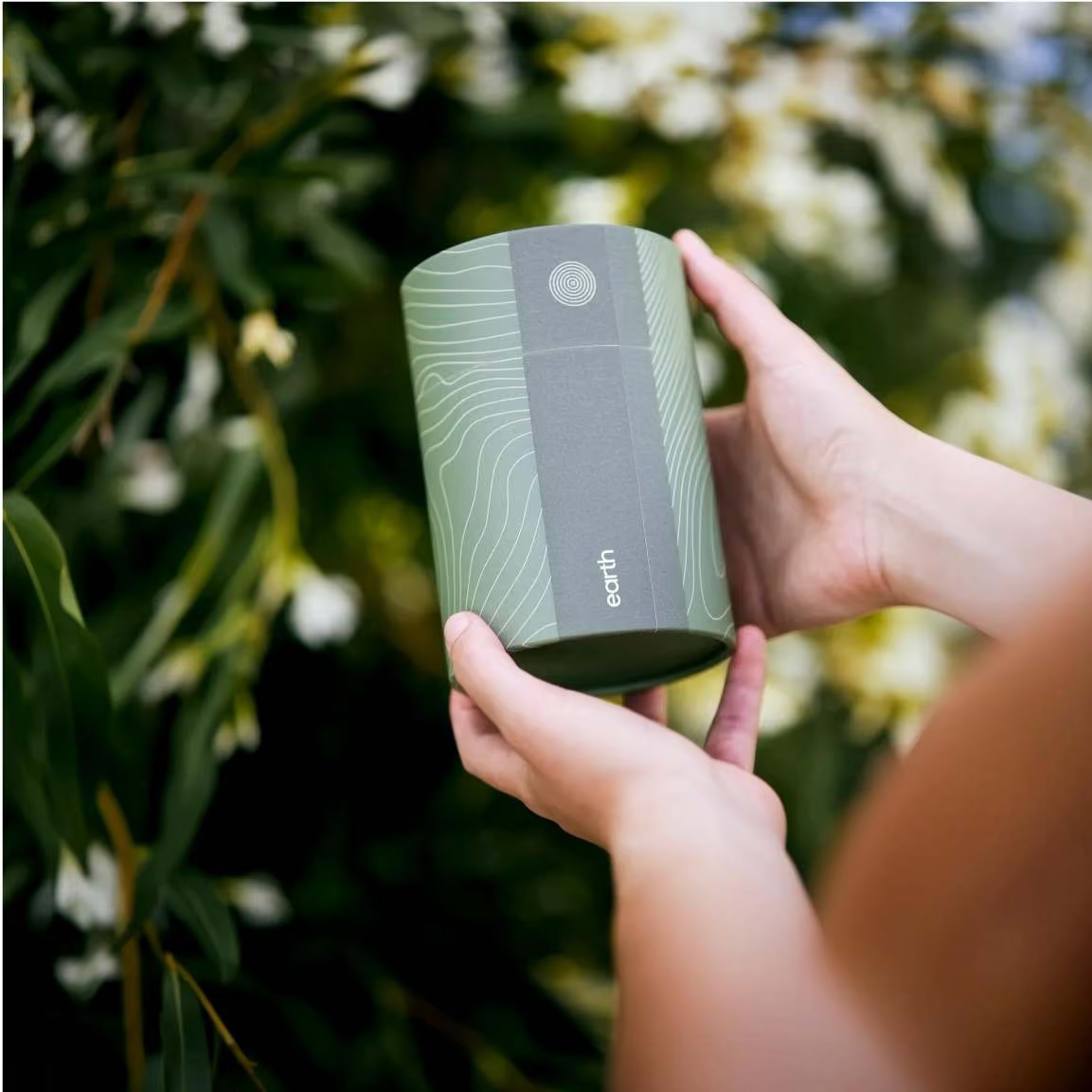
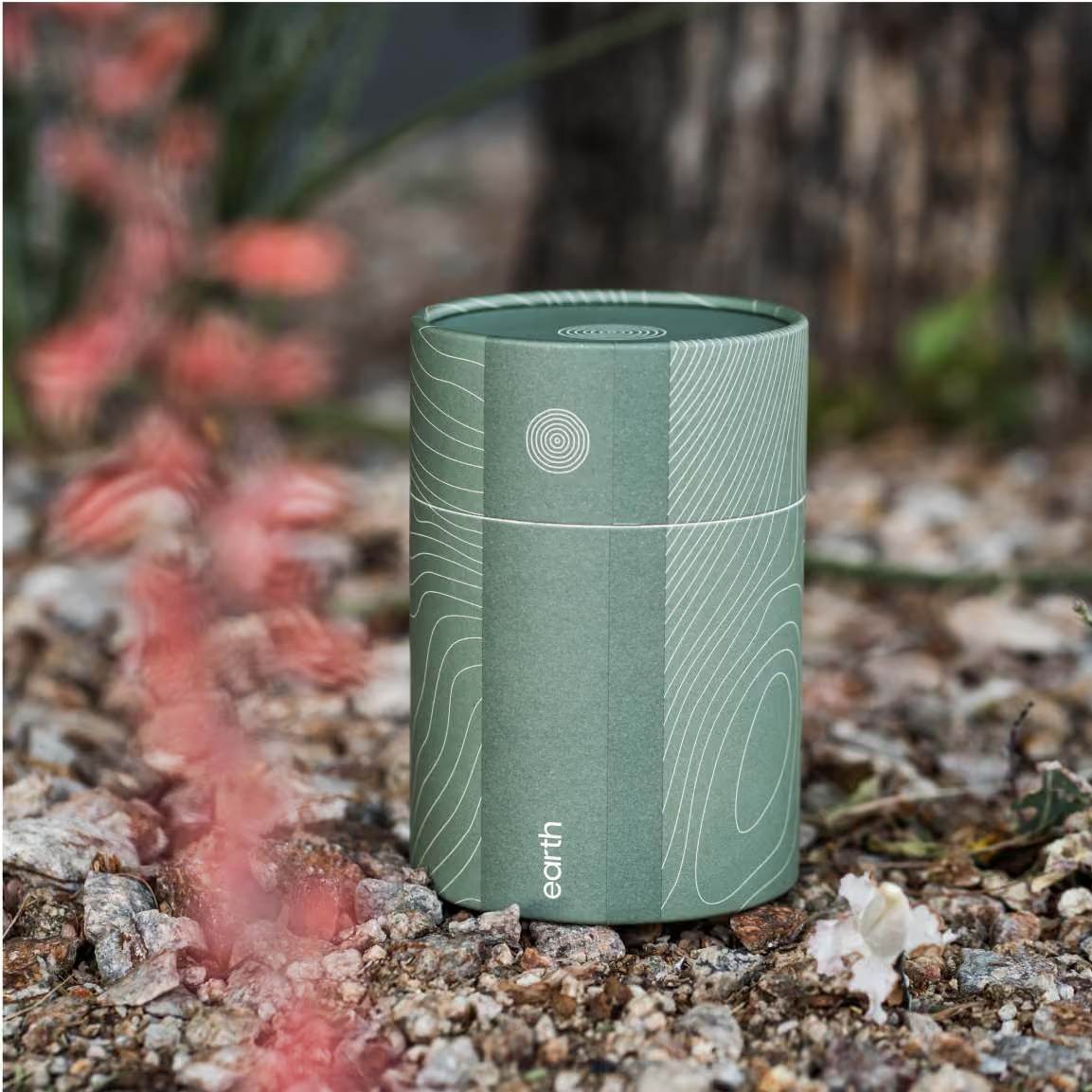
Families have the option of how they would like to receive the soil of their loved one. We offer appointments at our facility for families who would like to come in person. We also ship NOR soil securely and safely in a biodegradable container anywhere in the country.
Families also have the choice to donate all or a portion of their loved one’s soil to be used in conservation projects. Earth Funeral partners with ecologists and land trusts so that NOR soil can be used to restore vulnerable ecosystems.
We are honored to hear from families about how they have memorialized their loved one by planting a garden or tree. When using returned soil in this way, we recommend verifying and following all local laws and regulations, as these vary by location.
In most cases, NOR soil follows the same scattering rules as cremated remains and is regulated by state funeral boards or the state agency that oversees funeral affairs.
Some states have established additional safeguards for NOR soil once it is returned to families. States like Oregon, Delaware and Maryland expressly prohibit soil from being sold, used in any kind of commercial venture, or used to grow food for people or livestock.
Earth Funeral was built on the core principles of dignity, care, and respect. We weave these company values into everything we do from honoring the families we serve to protecting and supporting our team members.
While the NOR industry does not pose the same environmental health and safety concerns as traditional options that include embalming and/or incineration, there are unique risks and challenges that merit consideration for NOR providers.
To proactively address these factors, we consulted with national occupational safety experts at Jensen Hughes. We commissioned them to draft the first of its kind occupational health and safety guidance white paper for the NOR industry.
As the largest provider of NOR, Earth Funeral holds our team and our facilities to high safety standards.
NOR is a regulated form of disposition, and each Earth Funeral facility is overseen by a licensed professional. Depending on the state, this may be a licensed Funeral Director or a licensed Reduction Facility Operator (NOR Operator) recognized by the state’s funeral regulatory body.
We regularly audit our facilities on an annual basis. We refer to an assessment created by Jensen Hughes that combines Occupational Safety and Health Administration (OSHA) guidelines with safety best practices from analogous industries.
Following guidance from Jensen Hughes, we conducted a comprehensive hazard analysis of Earth Funeral’s operations. This allowed us to determine potential health and safety issues associated with each task required of our operations team.
By systematically assessing potential risks within every stage of the NOR process, we have implemented the necessary engineering and administrative controls to prevent and mitigate hazards before they occur.
This analysis was integrated into our ongoing feedback loop between operations, engineering, and soil science teams. We continue to innovate and make improvements based on this feedback.
The safety and wellbeing of our NOR Operators is paramount to us. Through our hazard analysis, we try to eliminate and manage safety risks to our operations team. While we believe that personal protective equipment (PPE) is the last line of protection for our workforce, certain steps within the NOR process do require PPE.
We clearly define which processes require PPE during employee orientation and through training and regular review.
Earth Funeral provides all necessary PPE and mandates its use whenever designated, ensuring consistent protection for every member of our operations team.
As with the broader funeral profession, NOR operations can involve potential exposure to blood or other potentially infectious materials. In these cases, OSHA guidance3 is most applicable.
Earth Funeral adheres to the OSHA principle of Universal Precautions, which requires that all blood and other potentially infectious materials be treated as infectious, regardless of the source or perceived risk.
Each of our facilities maintains a written Exposure Control Plan, and all team members receive annual training on exposure prevention, incident response, and proper handling procedures. This ensures that staff are prepared to manage potential risks safely and confidently while maintaining the highest standards of care and professionalism.
3 Standard 29 CFR 1910.1030
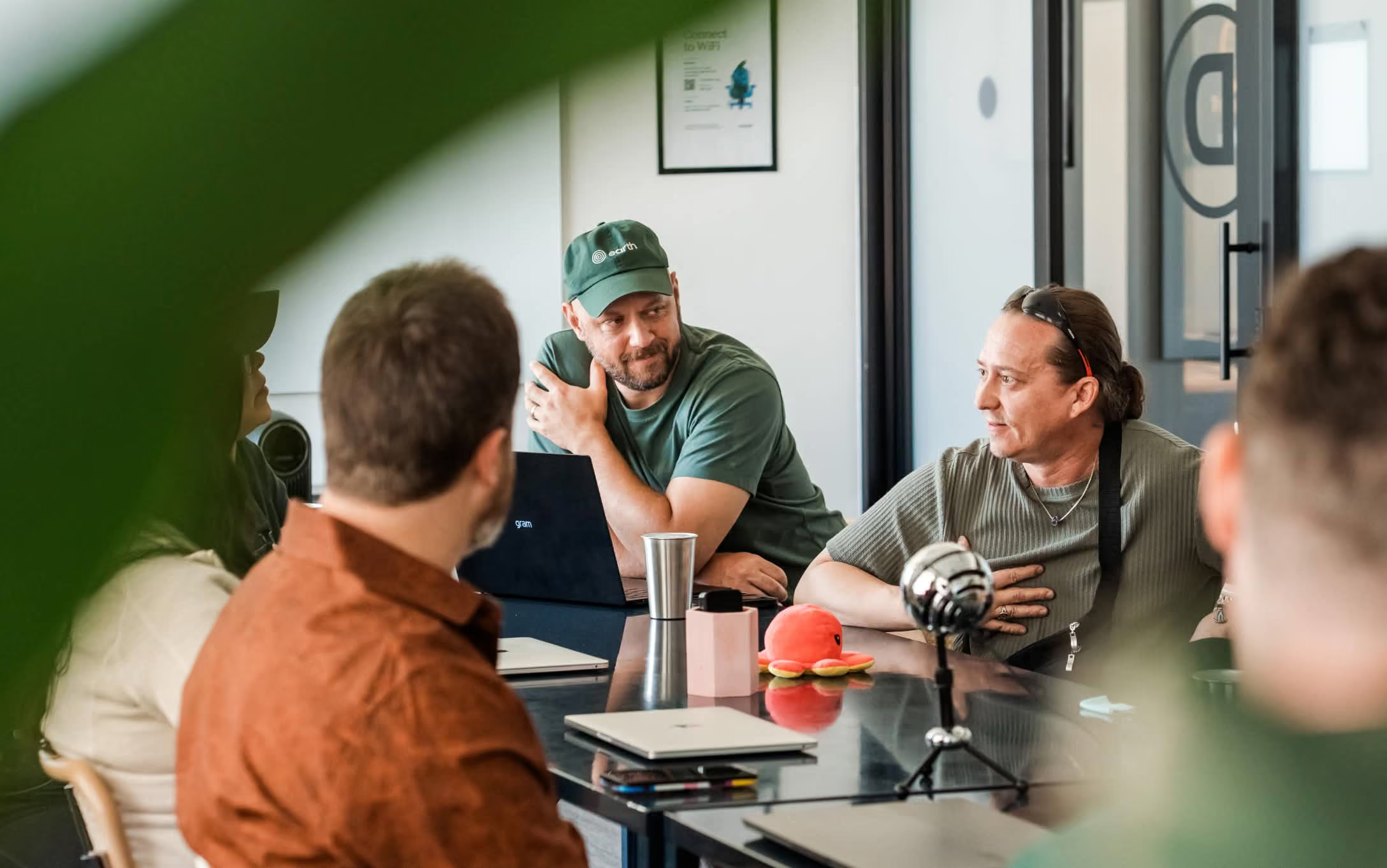
At Earth Funeral, safety is a core value that guides our daily operations. Every team member, from engineers to NOR Operators to Funeral Directors, is empowered and expected to identify risks, raise concerns, and contribute to continuous improvement. By fostering a strong sense of safety culture, we protect our team and uphold the quality of care that families trust us to provide.
Our safety culture is built on several key principles:
Training and Continuing Education: Safety training starts in new team member onboarding and remains an active part of facility roles and responsibilities. Earth Funeral provides regular education, protocol refreshers, and updates when we implement new equipment or procedures.
Open Communication: Team members are encouraged to report potential hazards or concerns without hesitation or any fear of retaliation or reprisal. We conduct regular safety meetings where staff can share observations and suggestions. This open dialogue has led to meaningful improvements in our processes and equipment design.
Accountability: We maintain our standards through regular facility audits, documented procedures, and clear performance expectations. If an incident occurs, we respond swiftly and conduct after action reports to make changes or improvements as necessary. Safety lessons are shared across all of our facilities. This approach has made all of our systems more robust.
Drawing on Earth Funeral’s operational experience, safety data, and collaboration with industry experts, the following recommendations outline best practices for safe and responsible Natural Organic Reduction (NOR) operations.
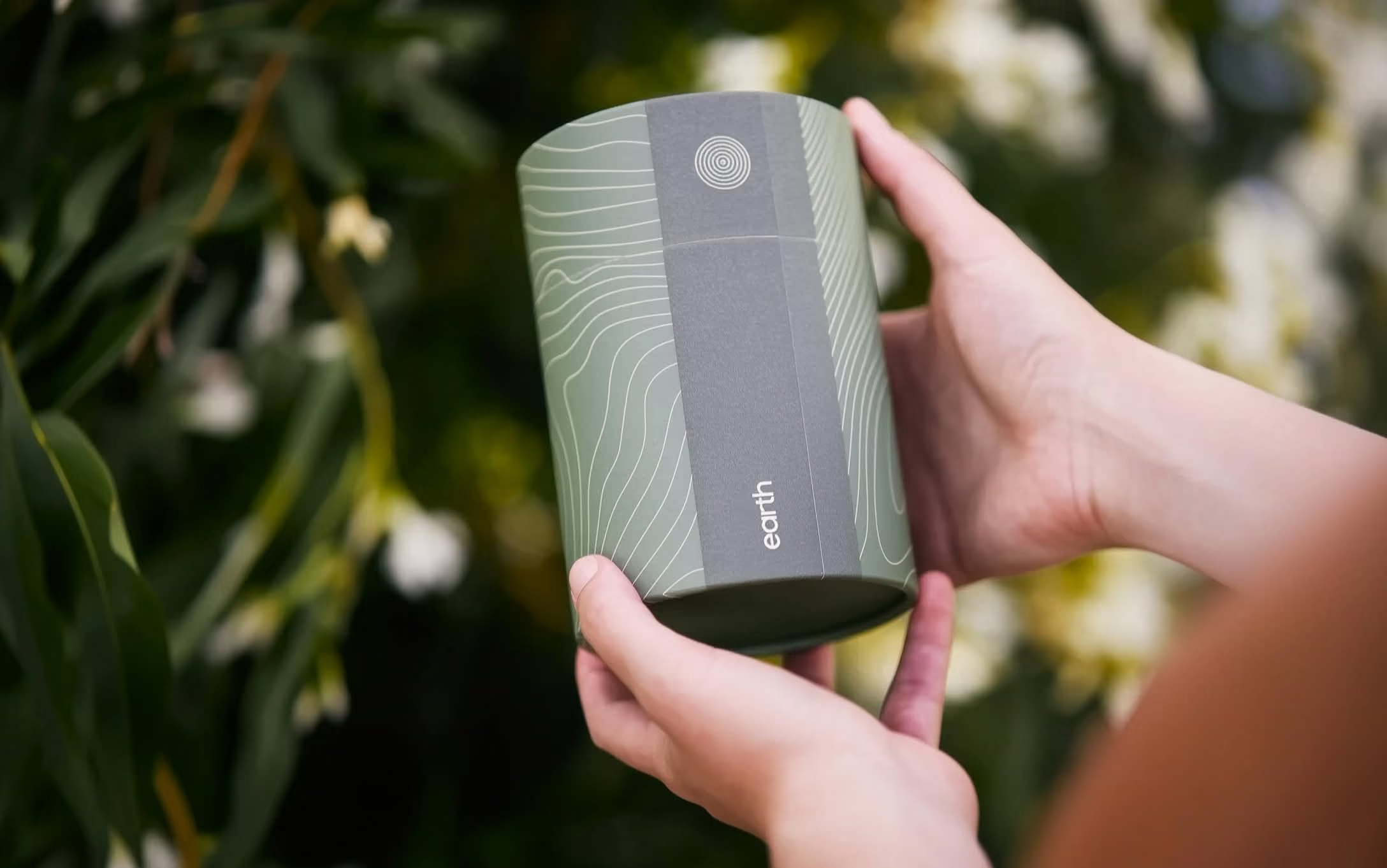
Earth Funeral was founded with the goal to create a modern approach to deathcare that combines science, engineering, and compassionate care. We hold ourselves accountable to provide a process that is safe, respectful, and meaningful for the families we serve and the teams we've built to support them.
This report represents five years of learning and innovation. From vessel design to chain of custody procedures and soil testing standards, each recommendation in this report has been shaped by real-world experience and our mission to serve families with integrity and care.
NOR offers tremendous promise as a safe and dignified alternative in modern deathcare. Realizing this potential requires high standards, transparent operations, and meaningful collaboration between the NOR industry, consumers, regulators, and policymakers. We look forward to it.
Funeral decisions have a lasting impact—not just emotionally, but environmentally. This report compares the ecological footprints of traditional burial, cremation, aquamation, and natural burial, equipping you with data to make more sustainable choices.

Discover meaningful ways to memorialize your loved one with nutrient-rich soil created through natural transformation. From planting memorial gardens to creating keepsake jewelry, this guide shares eight heartfelt approaches families use to continue their connection—each as unique as the bond you shared.