How to Use Your Soil
This guide shares real stories of how families honor their loved ones through soil, from personal keepsakes to conservation projects.
This guide shares real stories of how families honor their loved ones through soil, from personal keepsakes to conservation projects.
September 3, 2025
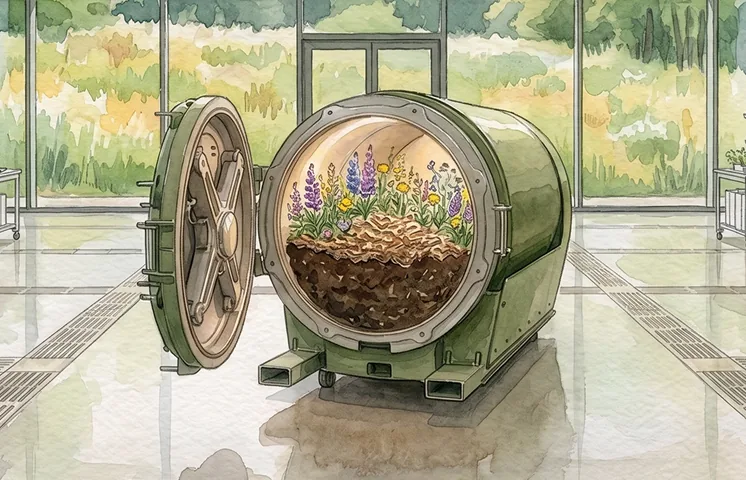
Earth Funeral naturally accelerates what happens on the forest floor, gently transforming a body into nutrient-rich soil.
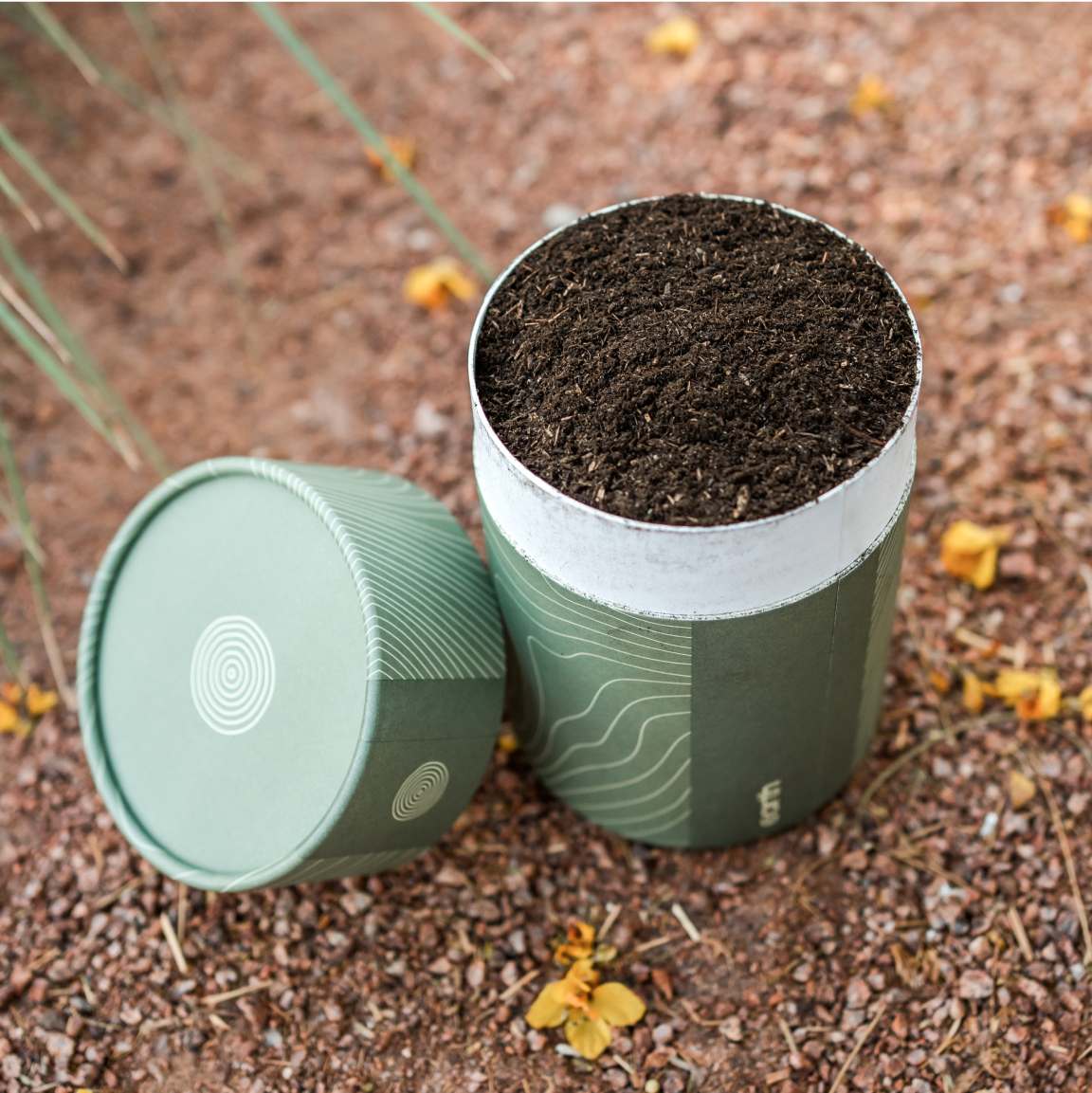
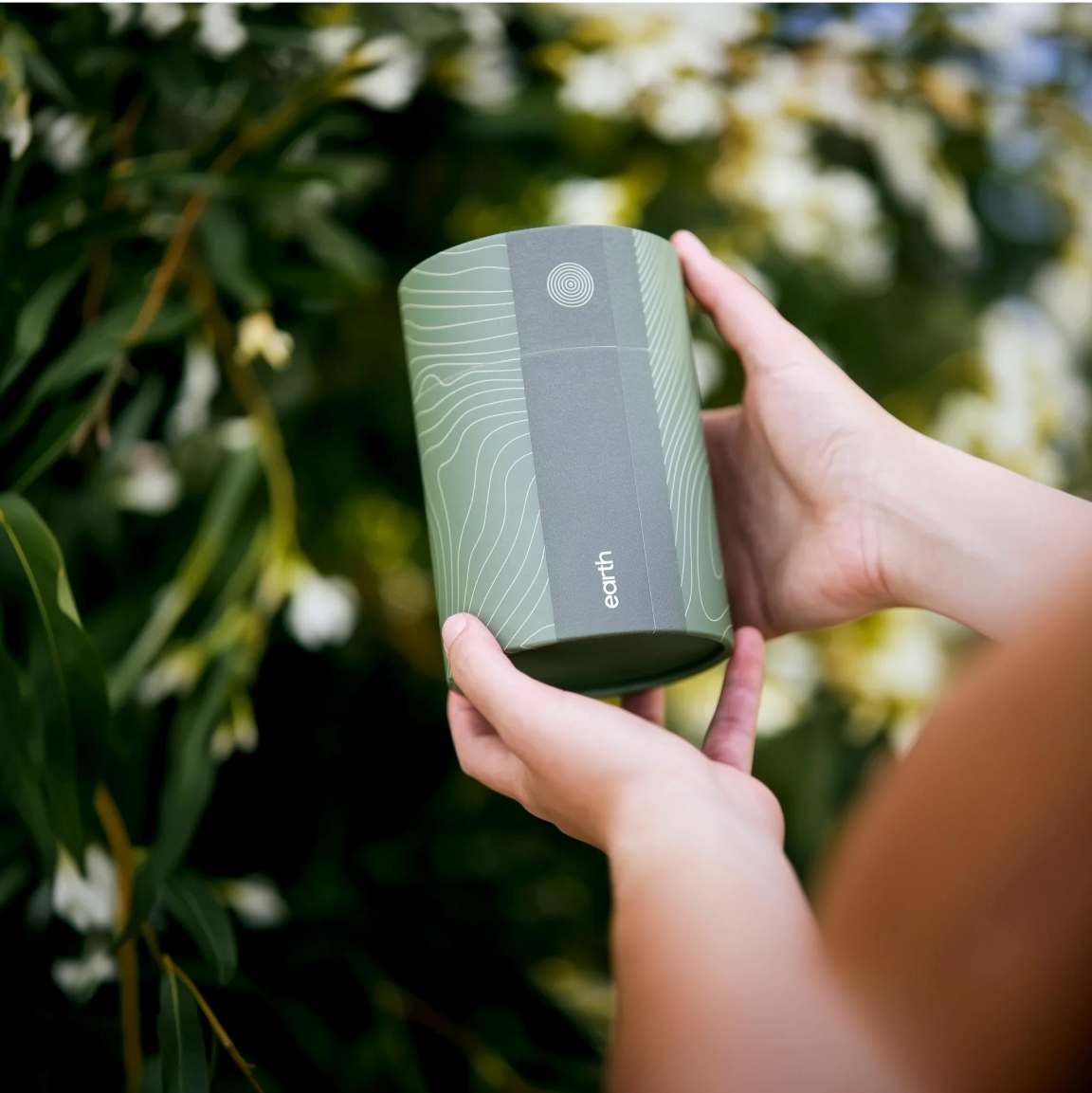
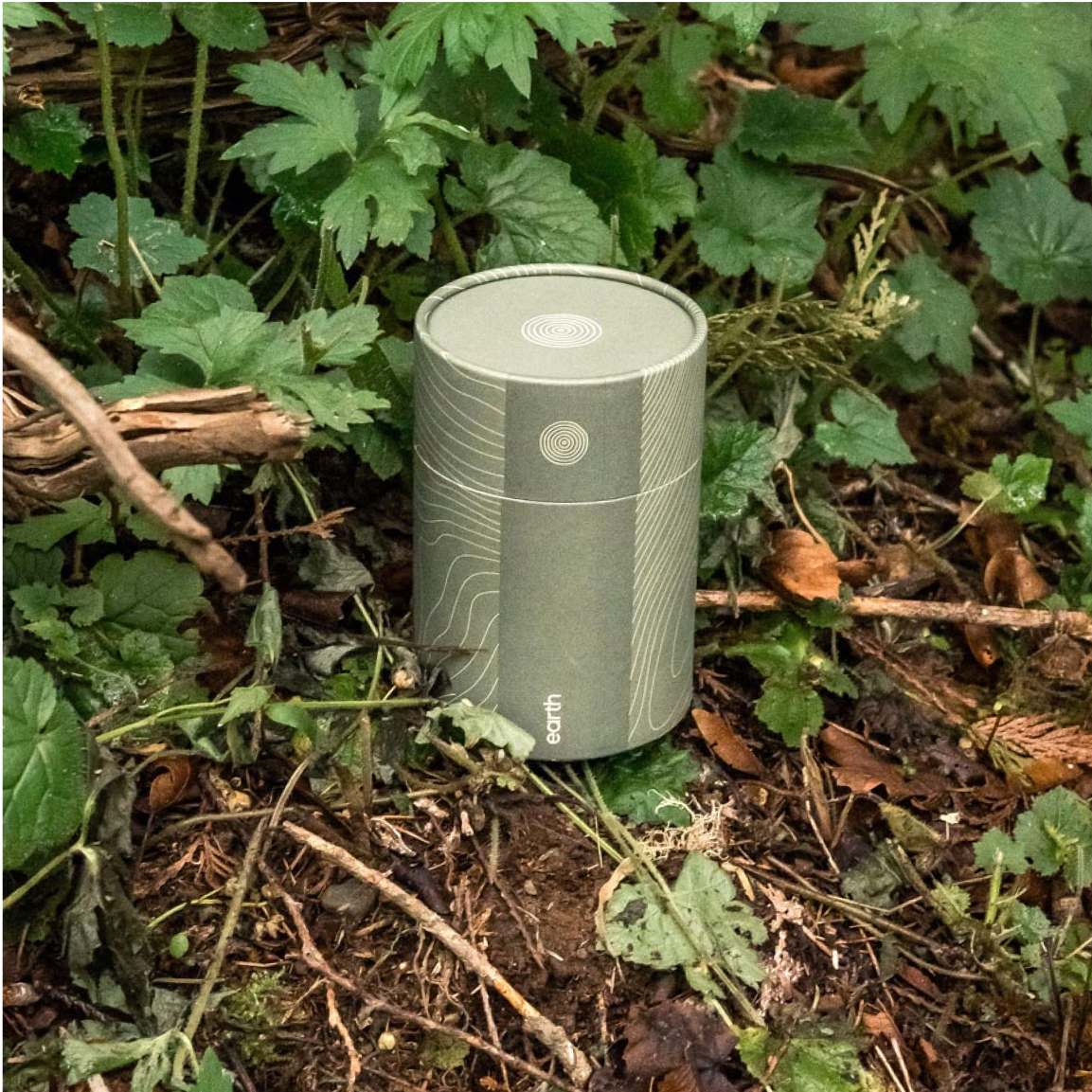
Each transformation produces approximately one cubic yard of soil, enough for families to create several meaningful memorials with.
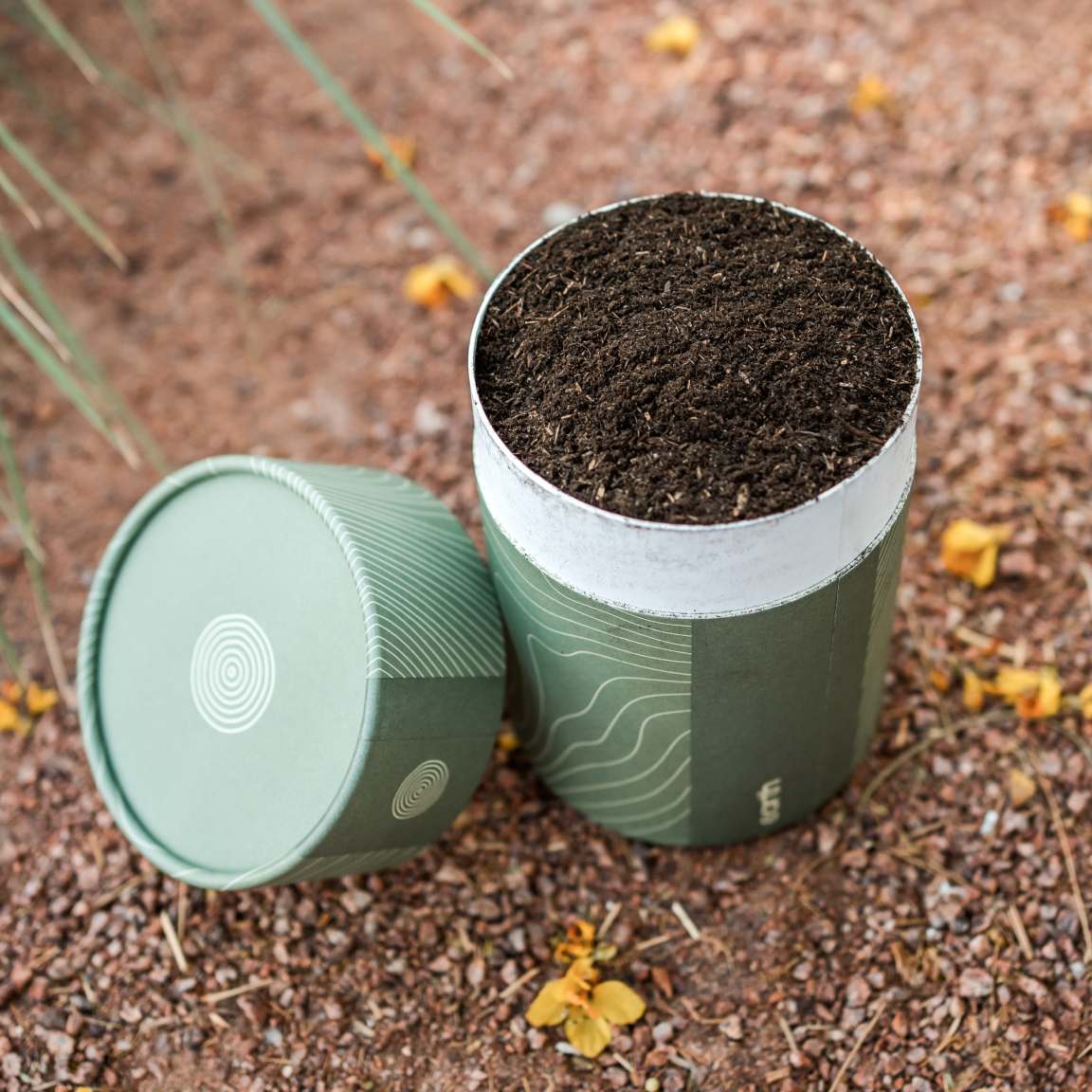
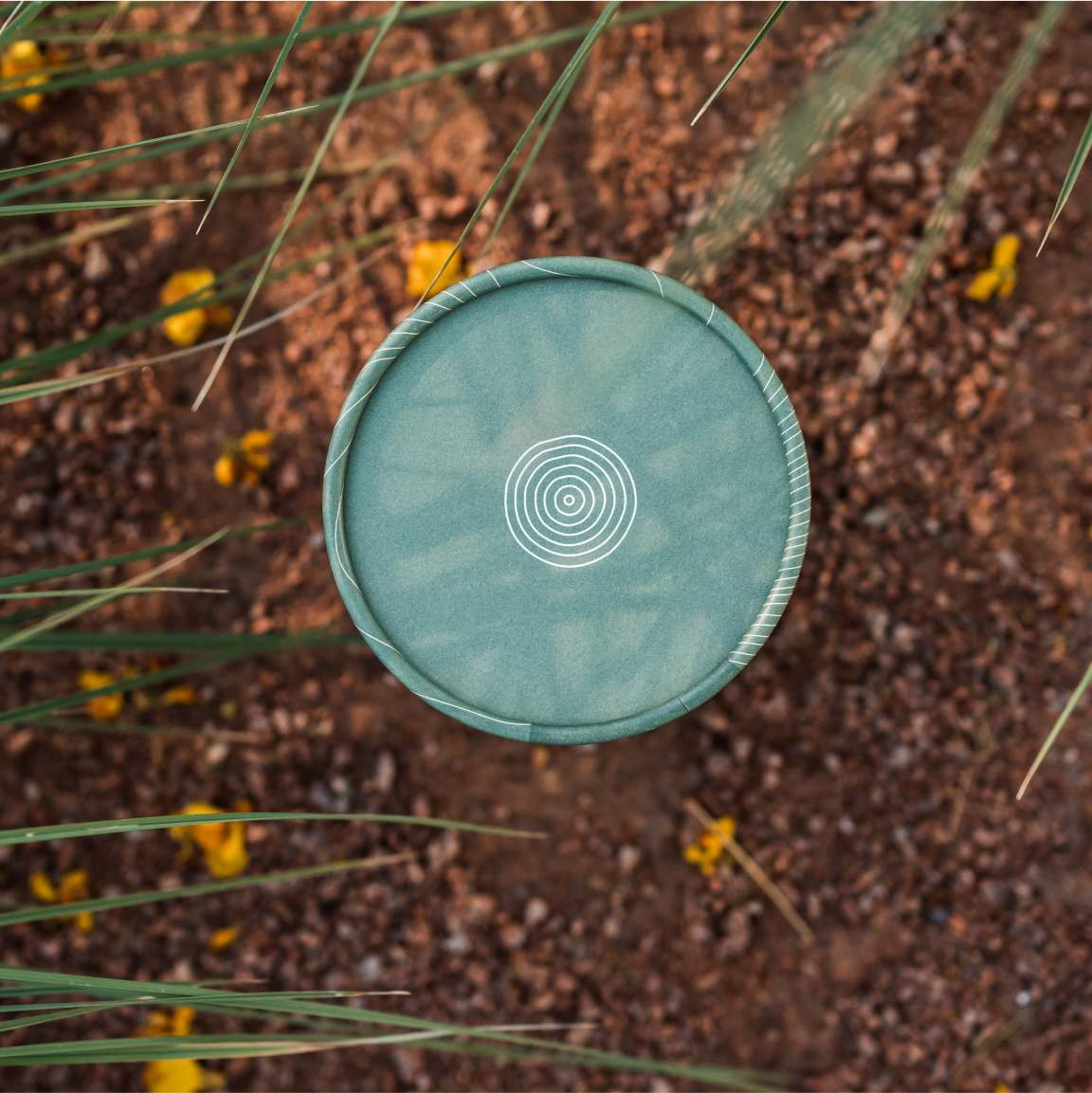
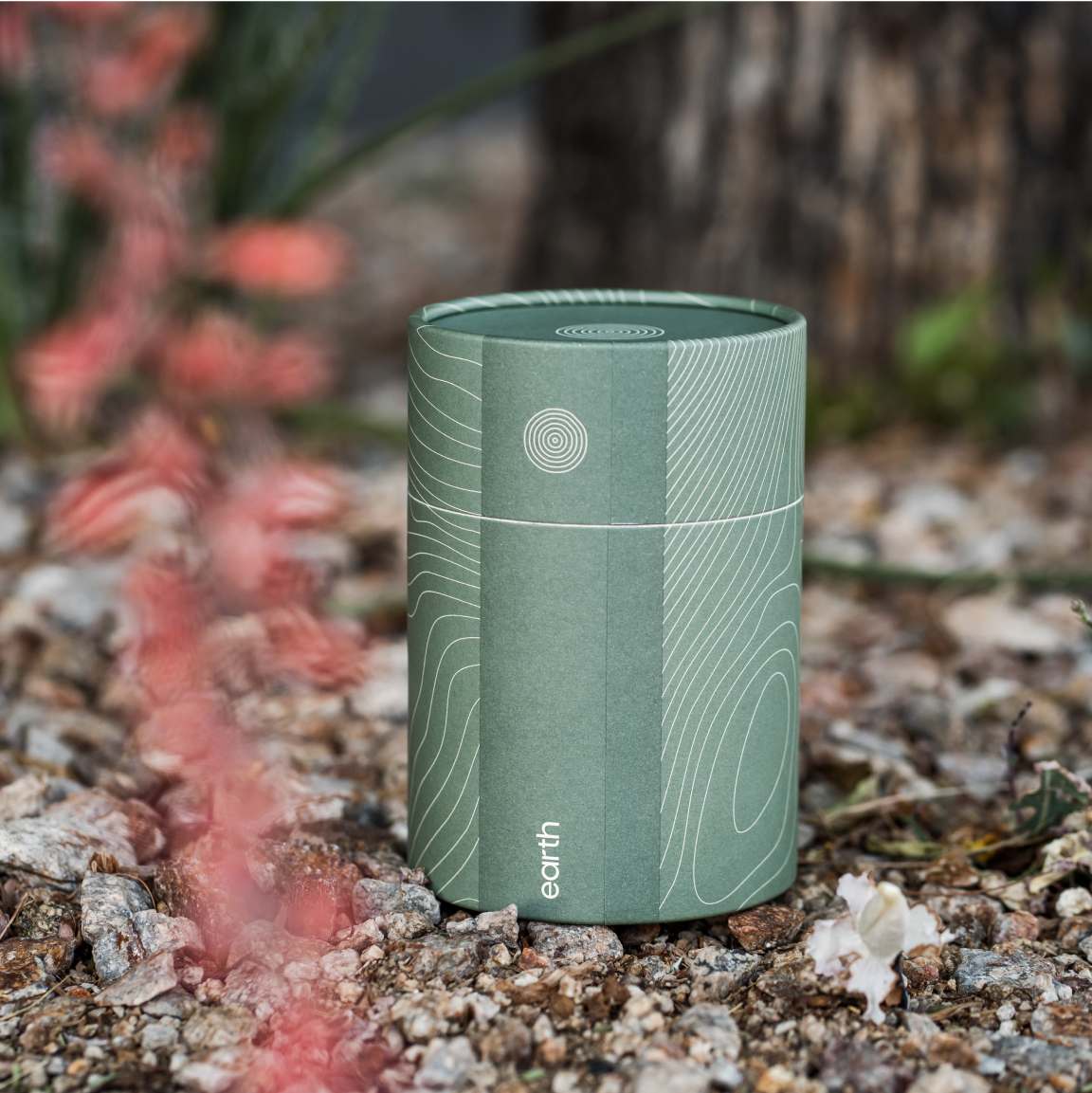
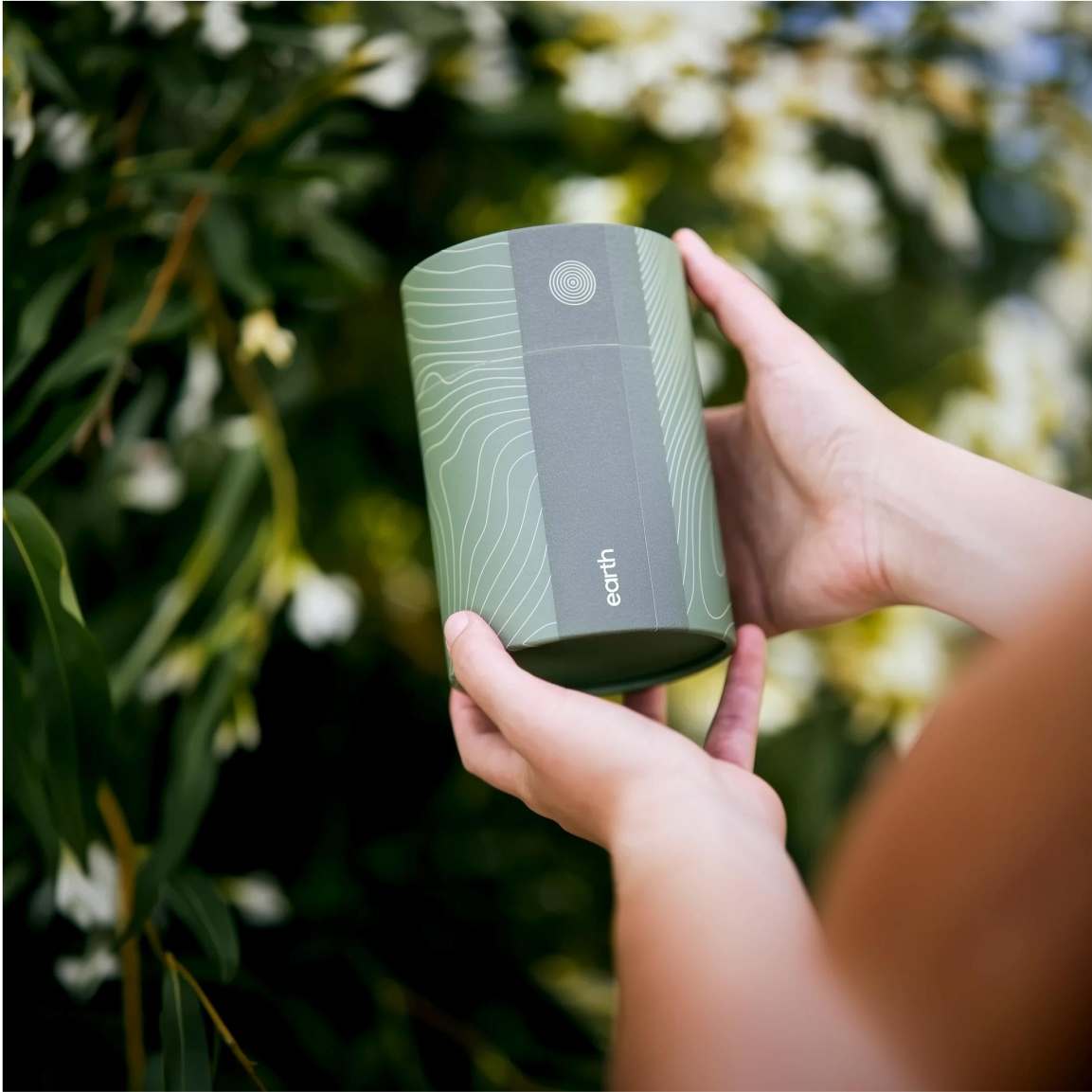
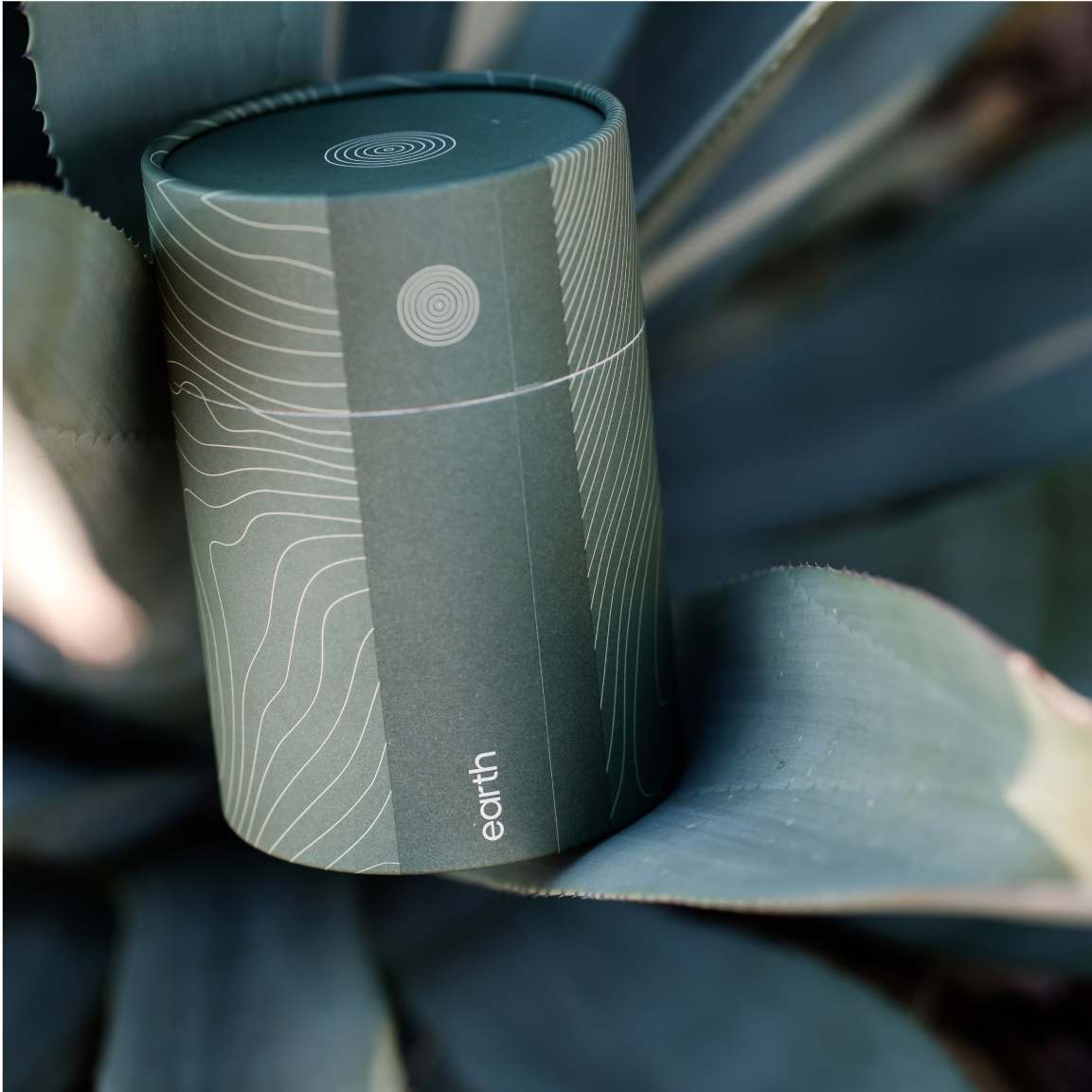
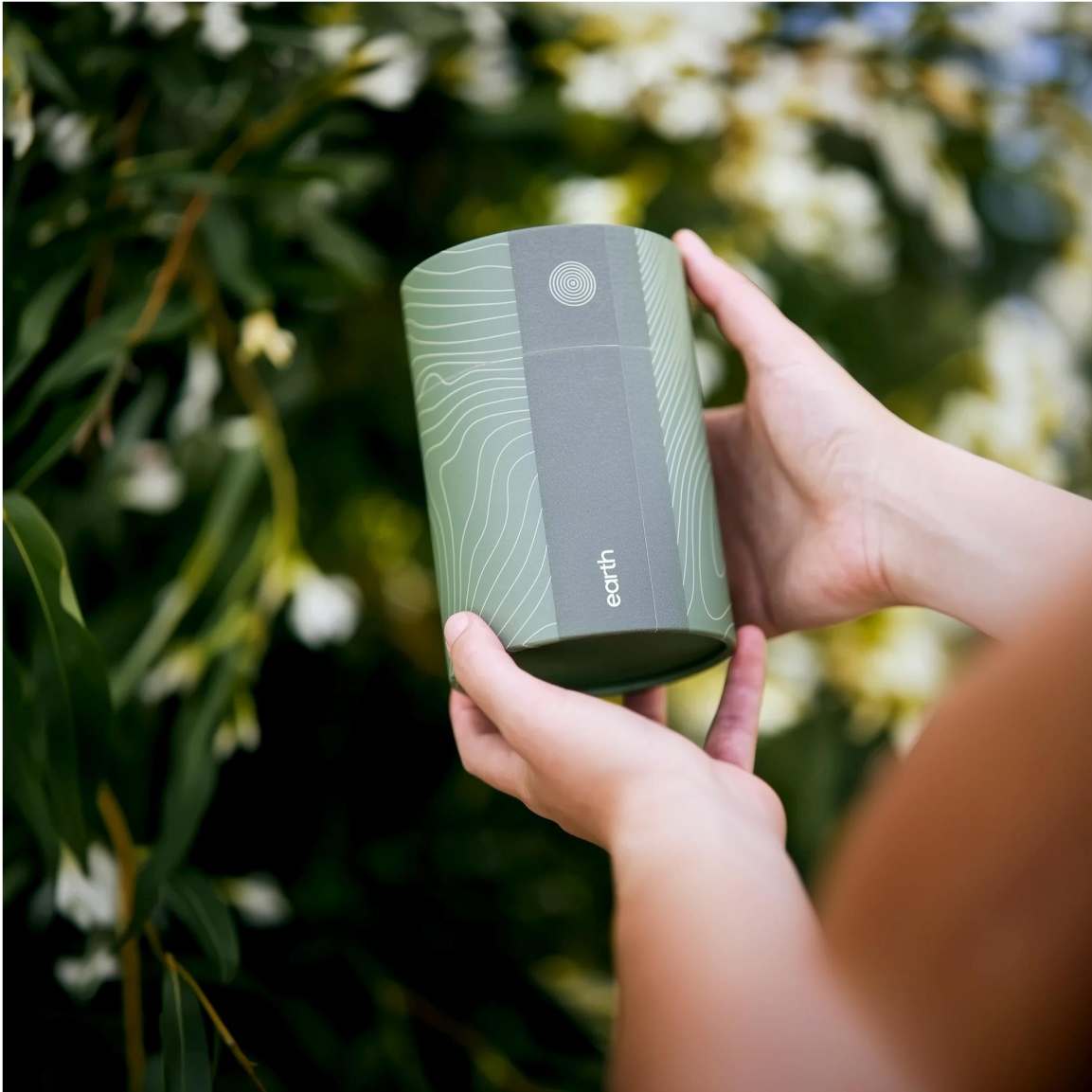
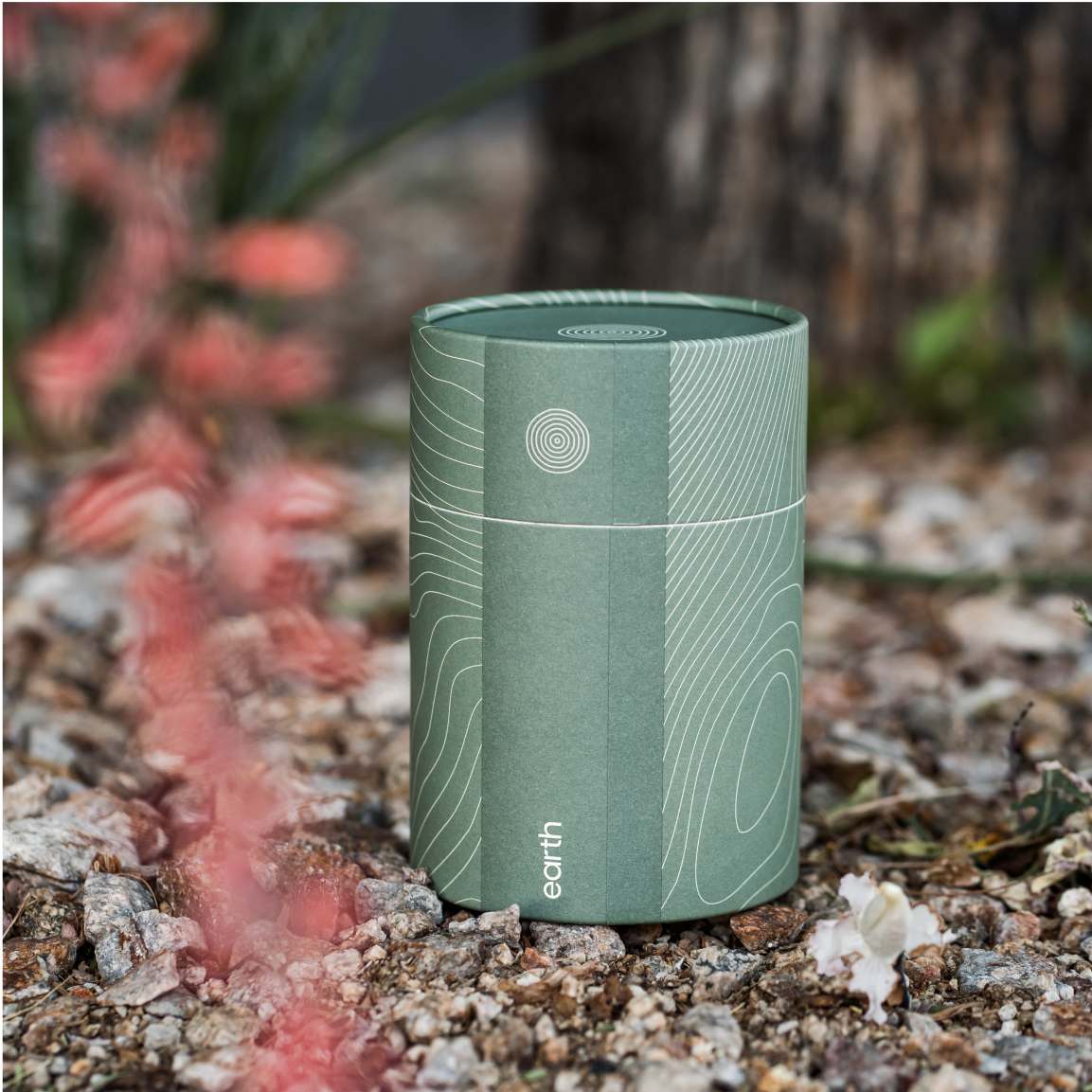
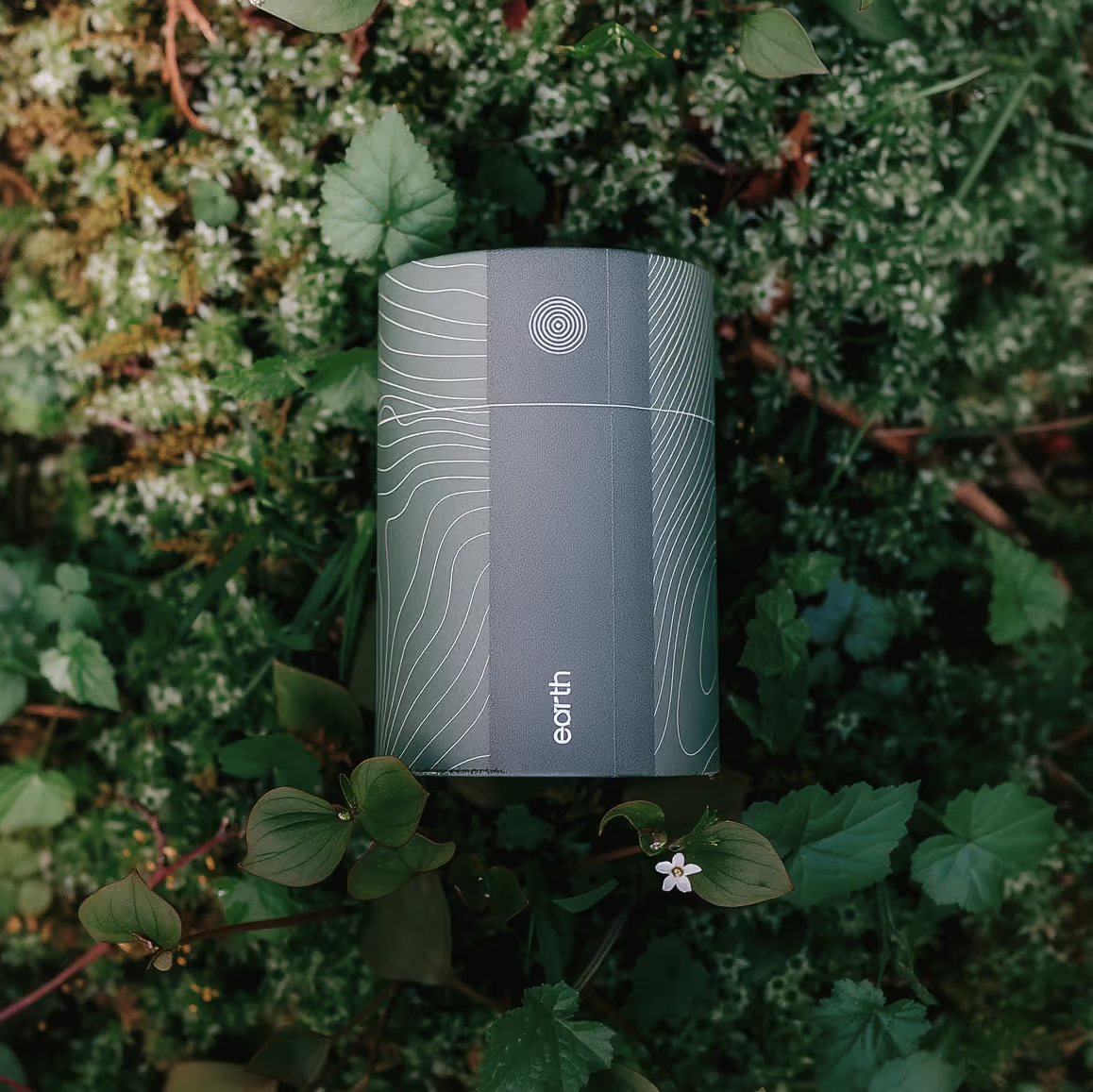
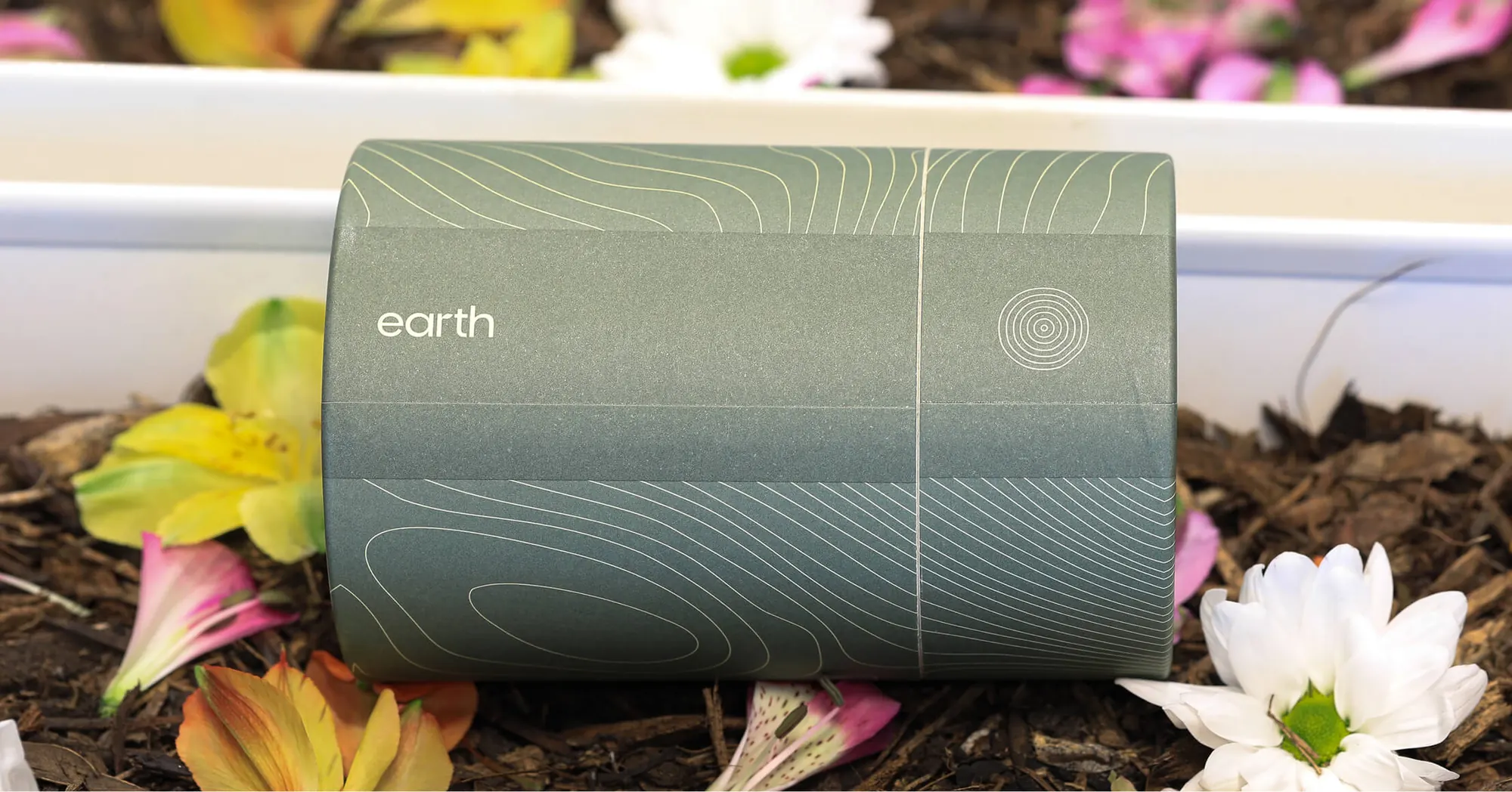
Your arrangement includes five biodegradable containers (32 fl oz each) returned anywhere in the United States. We've found this serves most families' wishes, though additional containers are available. The remaining soil is donated to conservation projects where your loved one contributes to ecological healing for generations.
This guide shares how families honor their loved ones through soil. Some create one meaningful memorial, others dozens.
You'll discover practical guidance and real stories about what you can do with Earth soil:
Every relationship is unique. Soil transformation honors that by offering many ways to continue the connection, each as individual as the person you loved and the bond you shared.
When using returned soil for planting, potting, or spreading on public or private land, we recommend verifying and following all local laws and regulations, as these vary by location.
{{CTA-webinar-1}}
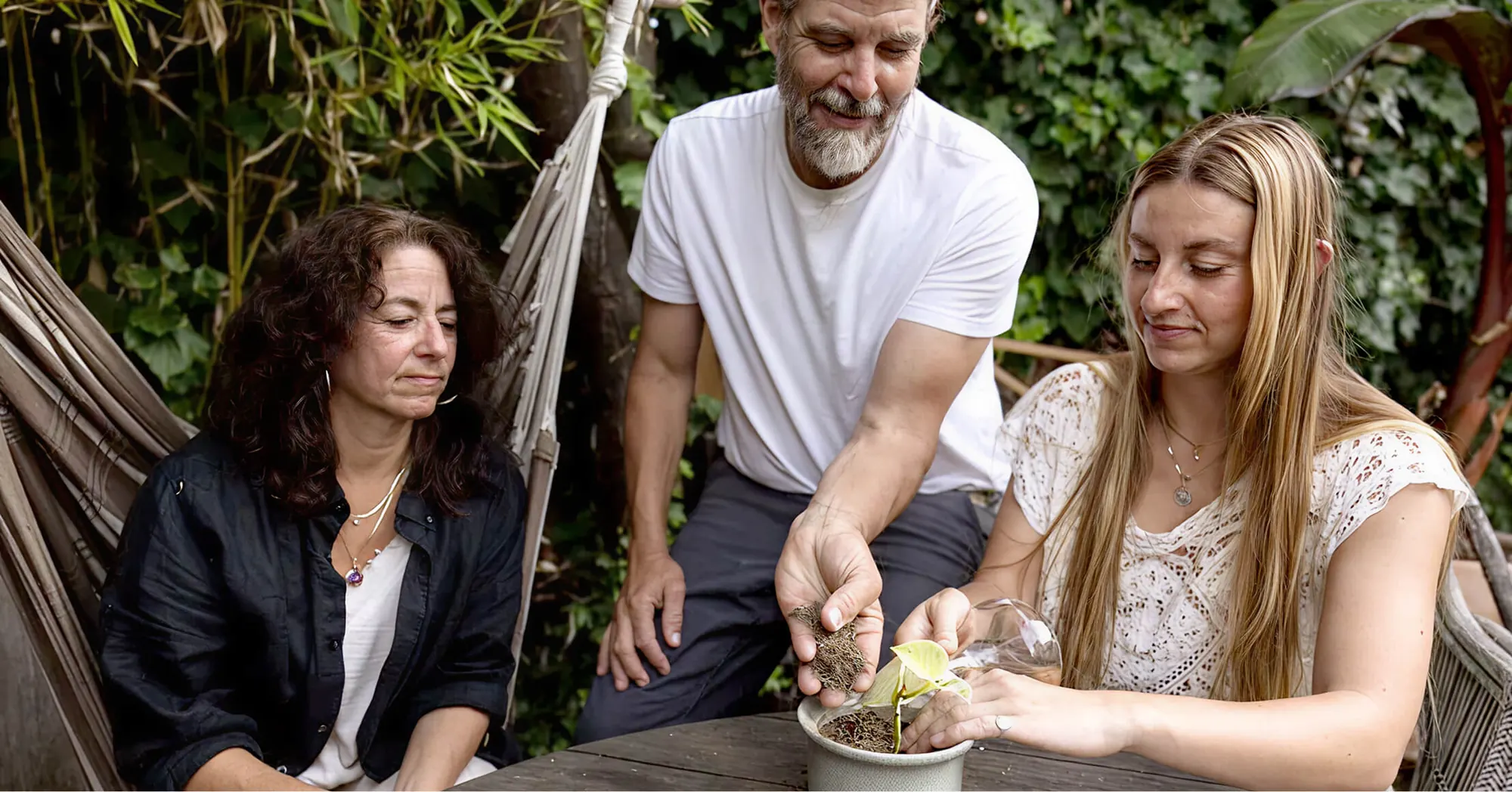
Margaret Kaczyk knew her husband's love for trees ran deep, so when she received his soil, she "collected seedlings and potted them with his soil to give away at his celebration of life." Each guest left with a living piece of his memory that would bring his love for nature into their homes.
The Kintz family potted their son Miles's soil with a cutting from a special family plant. It now holds generations of family history, nourished by Miles's soil.
When soil is potted around a seed or plant roots, nutrients from the soil will be absorbed and become part of the plant, growing into stems, leaves, flowers and fruit. You can decorate spaces, bring plants when you move, and continue caring for them as a living memorial that grows and changes over time.
We recommend integrating Earth soil with traditional potting medium. You can sprinkle Earth soil on top of existing potting soil or mix them together in a 1:6 ratio for optimal plant health.
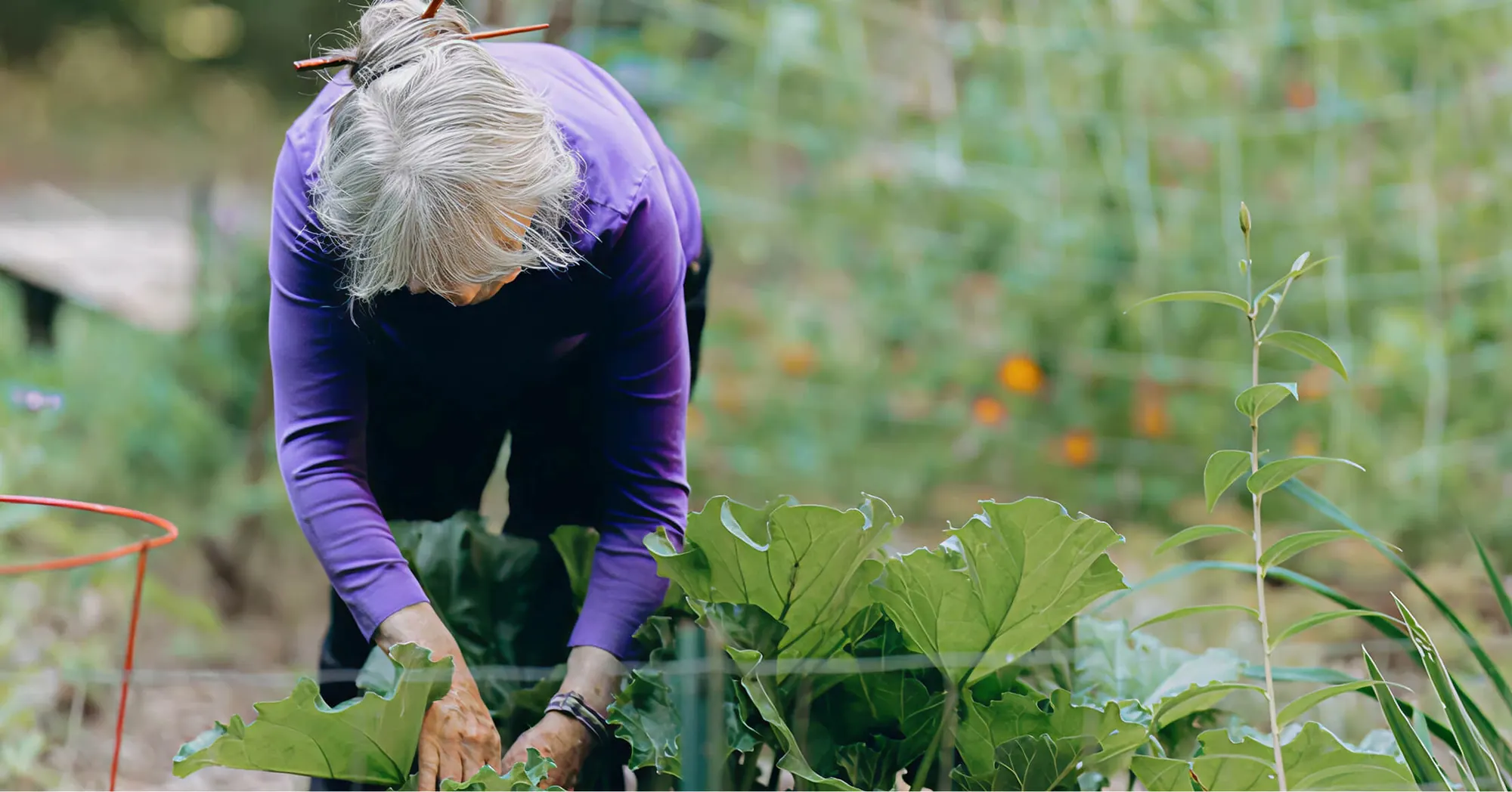
Marc Ettinger planted his wife Trace's soil with her favorite rose bushes that now bloom in their garden. Every time the roses flower, Marc feels her presence in the vibrant colors and sweet fragrance she loved.
Emily Fischer planted her husband Wayne's soil in their backyard circle garden. She's "out there every day chasing the dogs" and always takes a moment to visit, staying connected to him knowing he's present in everything that continues to grow.
As roots spread through the soil, they absorb nutrients that become new growth, bark, leaves, flowers, and fruit. You can plant trees or flowers that will grow and flourish for years, creating a living tribute that changes with the seasons and can be visited over time.
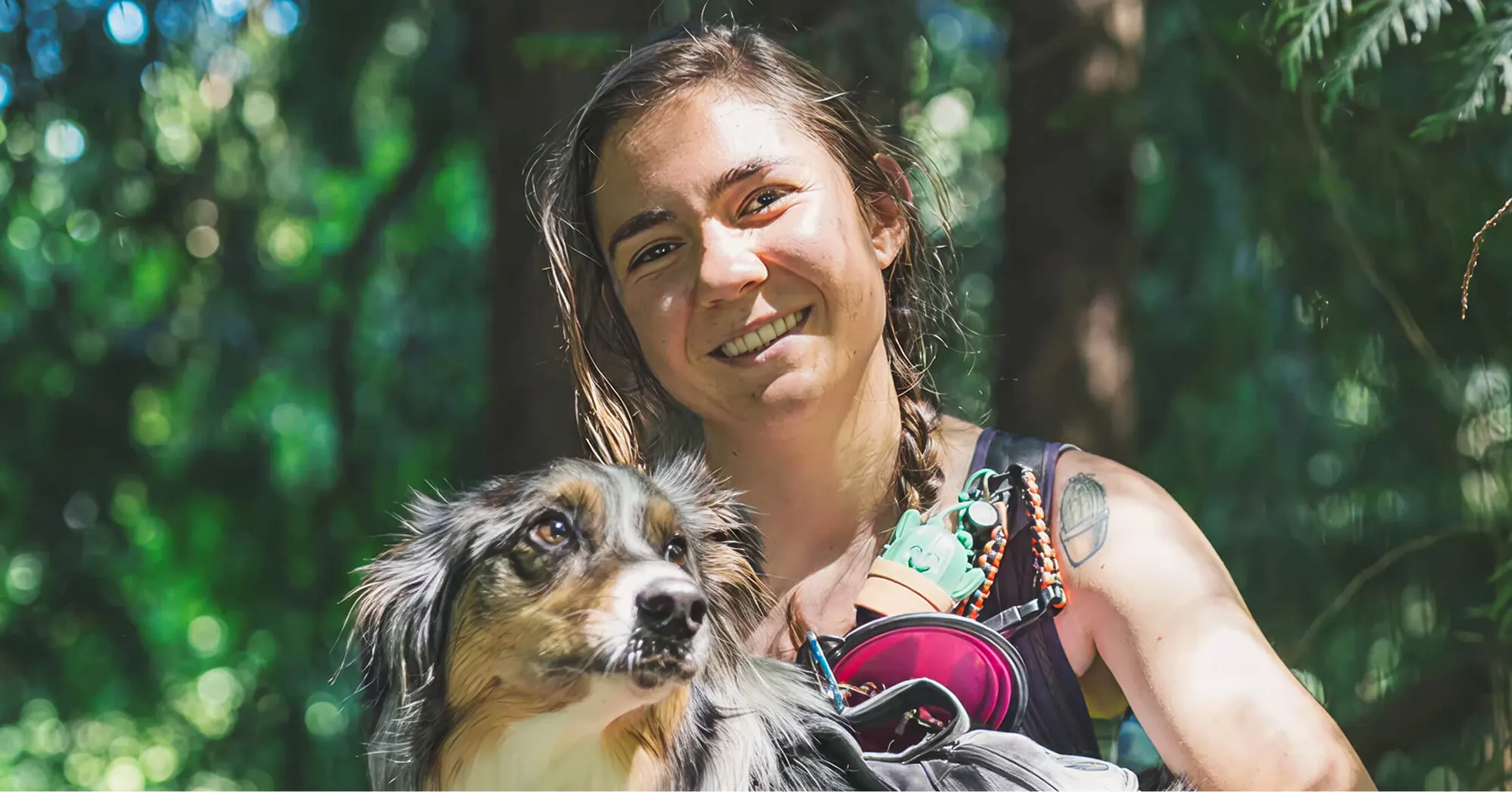
Alyssa Ryser's brother Preston was always exploring, so she continues bringing him on adventures. She carries his soil on hikes, spreading portions at summits with beautiful views. "It's healing," she says, knowing Preston is where he belonged.
Carol Kassner will never forget receiving the call that Kirk's transformation was complete because she knew the adventure awaiting her children. Kirk had left instructions to spread him at his favorite places in Washington, Germany, Italy, France, and Mexico.
Spread soil will integrate and nourish the natural surroundings, becoming part of that landscape forever. You can spread in one meaningful location or many, and we encourage recording GPS coordinates to share these places with friends and family, creating a map where their memory lives on.
{{CTA}}
When Sean Staunton lost his partner Stephen, he shared his soil. Stephen's mother spread hers in her garden in Maine. His brother brought his to Tuttle Creek Campground. Sean added it to plants around their piano. "I know he's still around," Sean says.
The Kintz family distributed Miles's soil to over 100 people who have traveled the world with him. Everyone sends GPS coordinates to his mother Laura, filling a map with markers in Joshua Tree, the Grand Canyon, the Okefenokee Swamp, and Hawaii.
Sharing soil gives each person the opportunity to create their own personal connection through planting, scattering, or keeping. Often shared at celebrations of life, it allows friends and family to honor their unique relationship and becomes a vital part of the grieving process.
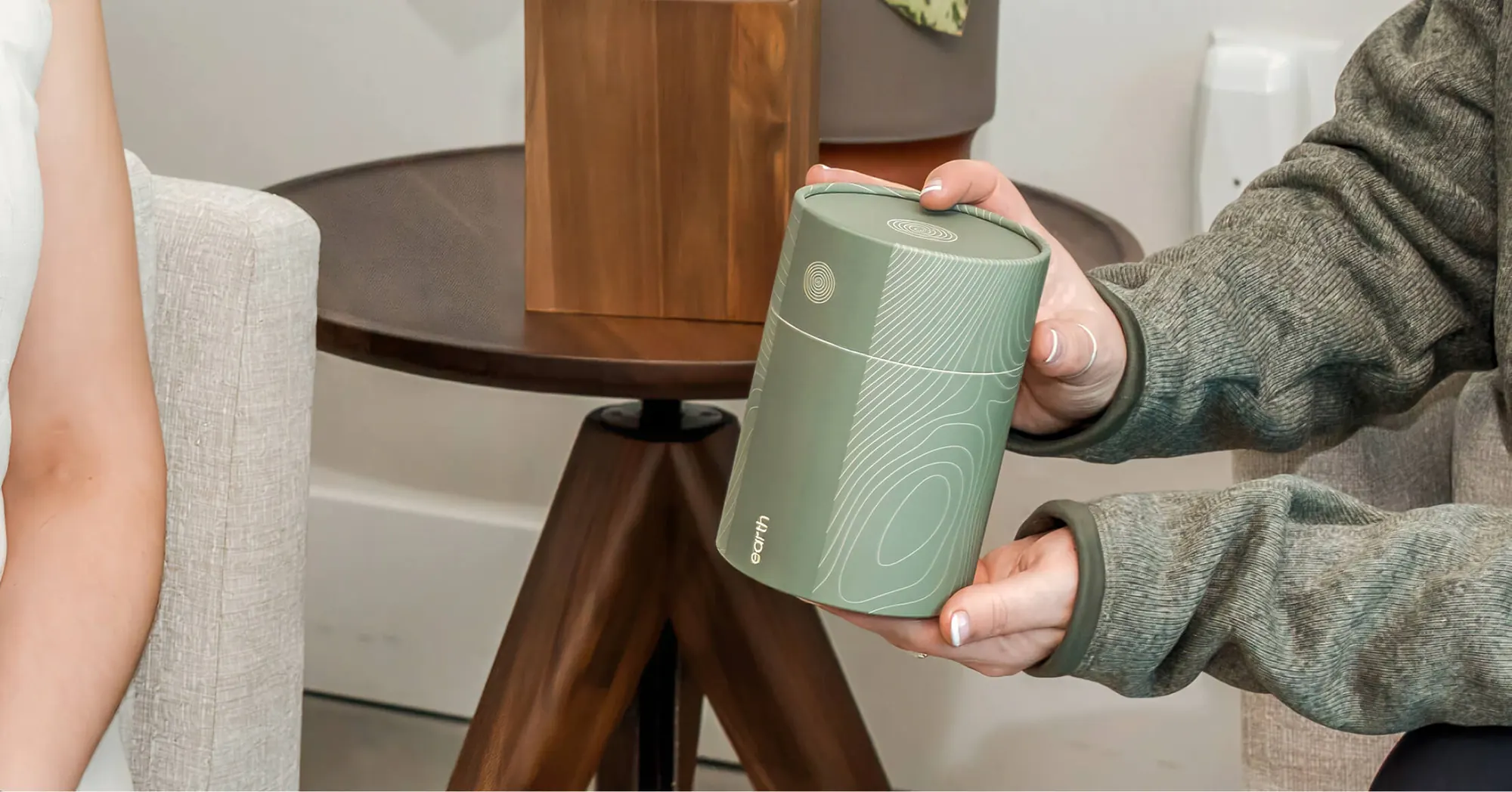
Each portion comes in a 32-ounce compostable container that can be mailed or given directly. Consider including a personal note and asking recipients to share GPS coordinates of where your loved one's memory lives on.
{{CTA-10-question}}
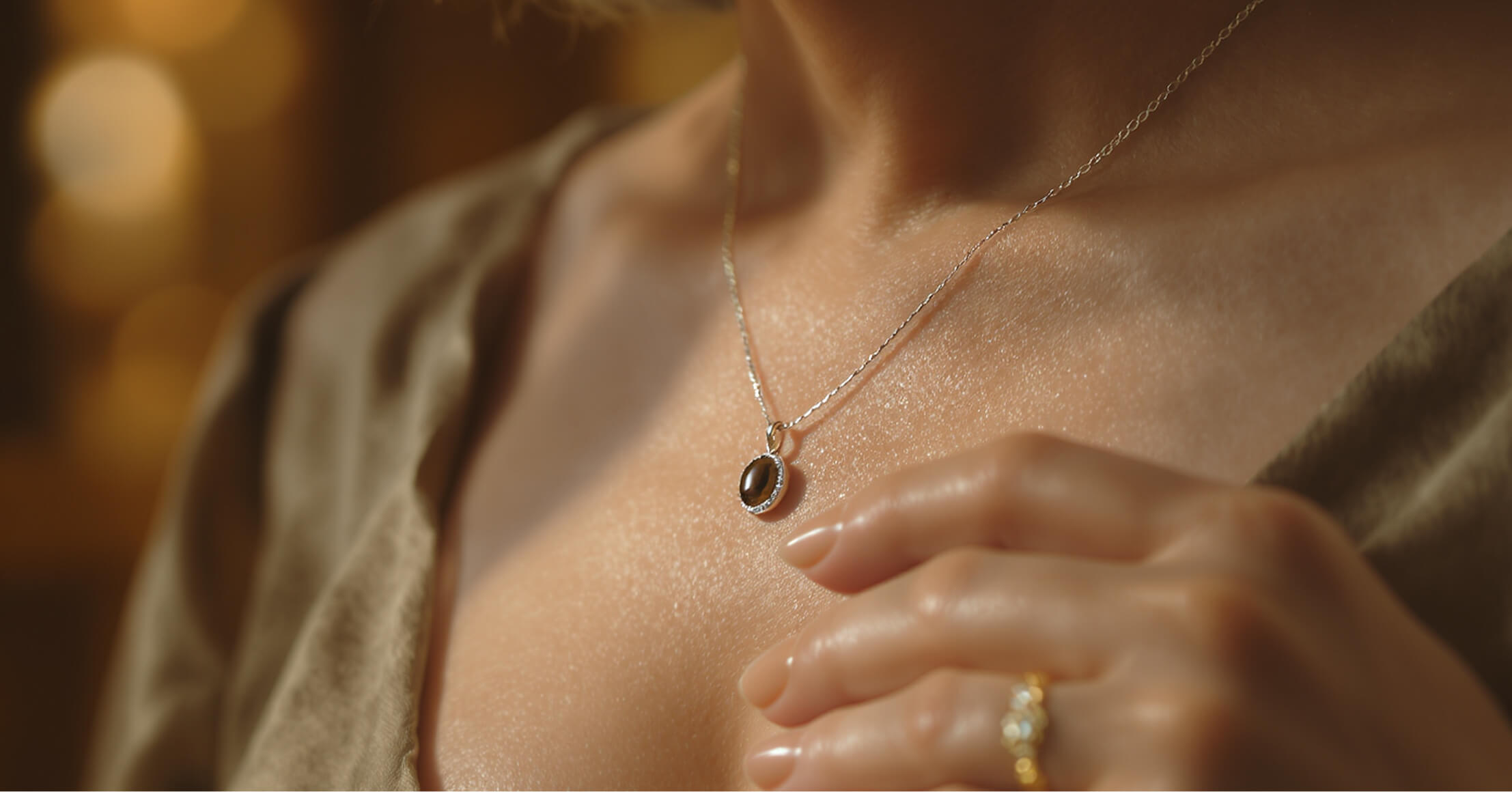
Laura Herrera wanted to keep her partner Pablo close in the most personal way possible. "I used some of their soil in a ring which I wear every day. My daughter has a necklace with the soil in it," Laura shares.
Janet Hubbell found comfort wearing her husband's soil in a pendant necklace, bringing connection and presence that helps her through ordinary moments and special occasions.
Wearing soil in jewelry creates an intimate, personal memorial you can carry always. Whether in a ring, pendant, or locket, it provides physical closeness and comfort throughout your daily life.
Soil can be incorporated into memorial jewelry like rings, pendants, and lockets. Many jewelers who specialize in memorial items can help design a piece that safely contains the soil.
Miles Kintz's grandmother keeps some of his soil on her bedside table, hoping it will bring dreams of her beloved grandson.
Corrinne Merrick keeps her husband's soil in the refrigerator and says hello to him several times throughout the day. Kim Hughes keeps her loved one's soil displayed on a shelf like a traditional urn, bringing comfort and connection to her routine.
Keeping soil maintains a tangible, physical connection for daily comfort and preserves flexibility for future meaningful moments. Whether you keep all the soil or just portions, it allows you to honor your own grief timeline and wait for the right time and place to create memorials.
Each portion comes in a 32-fl oz compostable container for temporary storage up to three months. For longer-term keeping, transfer the soil to a glass or metal container and store in a dry, cool place. For larger amounts, store the soil with the lid off in a cool, dry place, like a garage or shed, to prevent heat and moisture buildup. If keeping it for more than a few weeks, stir your soil weekly to release any trapped heat or moisture.
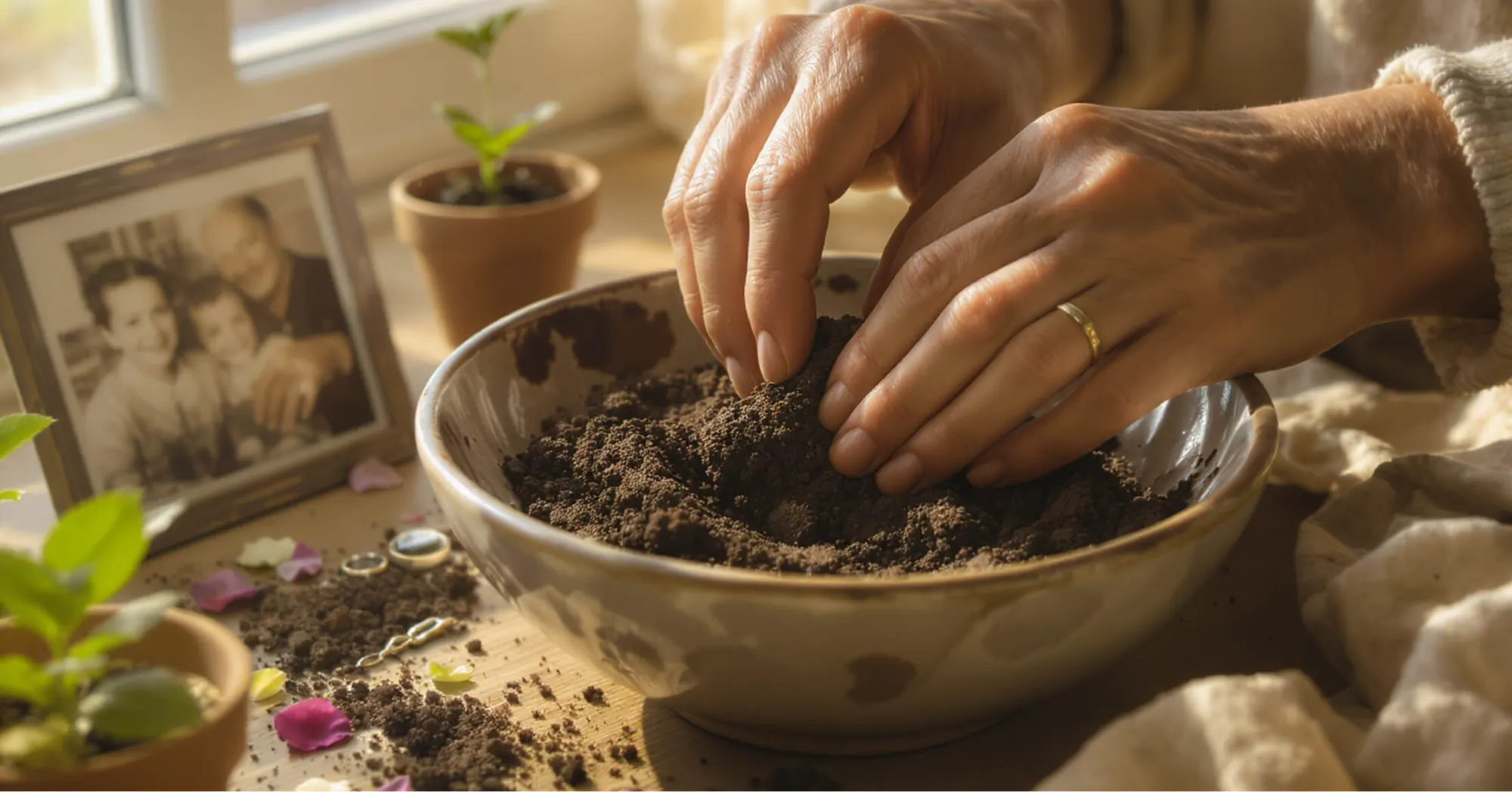
Some families mix their loved one's soil with cremated remains of spouses, family members, or beloved pets to create unified memorials that honor special bonds.
Once mixed, they use the combined soil for potting plants, planting gardens, spreading in meaningful locations, sharing with family, wearing in jewelry, or keeping for future moments.
Mixing soil with cremated remains creates opportunities for memorialization that honor the unique relationships that defined life. The soil transformation process provides enough material to mix while still having soil left for other memorial options, or you can dedicate all of it to a unified memorial.
You can mix all the soil or just portions, keeping some separate for individual memorials. Gently combine the soil and cremated remains by hand in a meaningful container or directly in the location where you plan to use them.
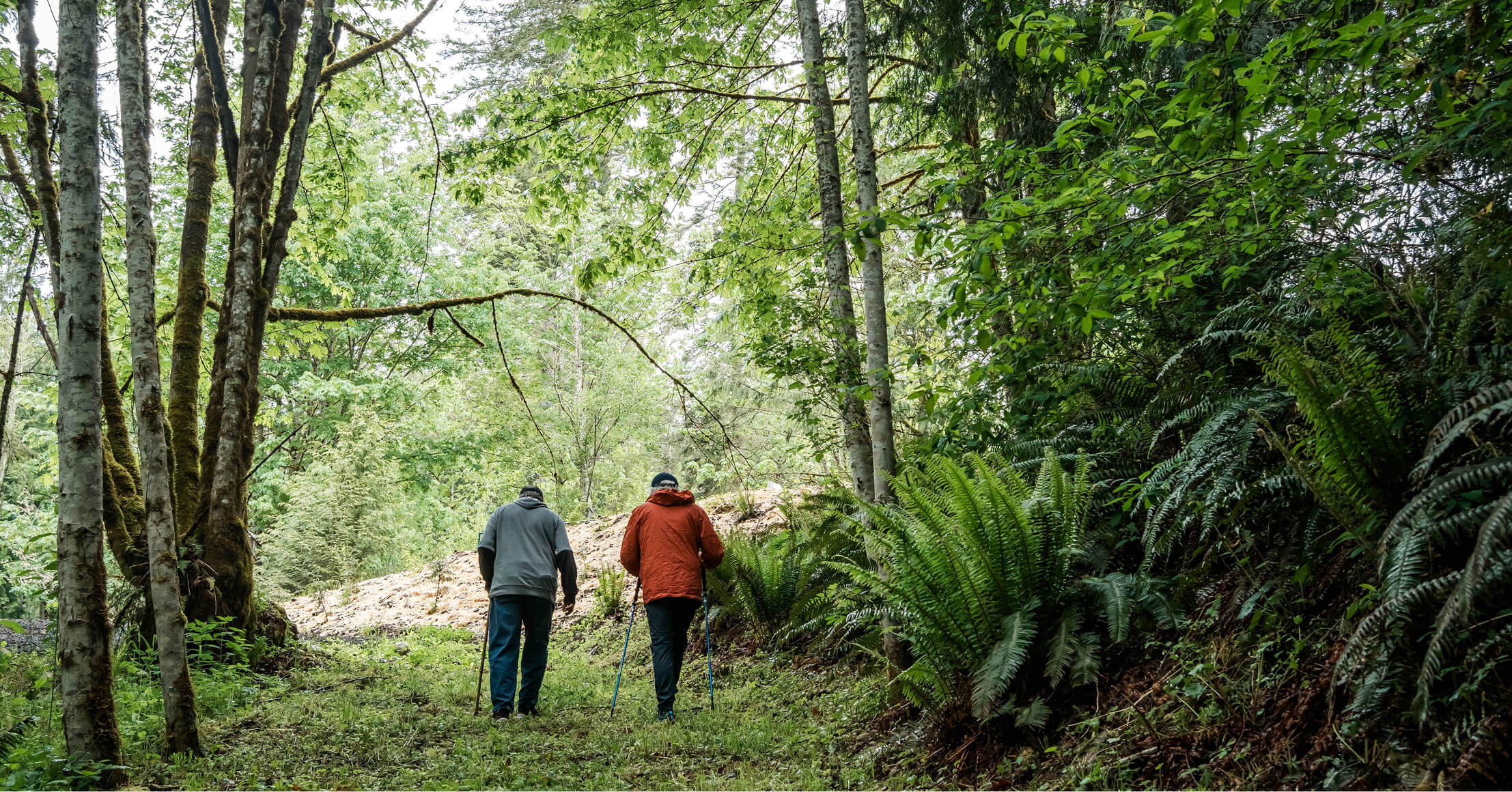
Emily Fischer loved the idea of Wayne being connected to nature. After a planting in her circle garden, the remaining soil was donated to a conservation project in the Olympic Peninsula. "That's where he went on his adventures," she says, knowing Wayne would nourish the landscapes he cherished.
Corrinne Merrick felt the same way. She found deep meaning knowing her husband Mike would continue contributing to the planet's healing. "I cannot think of anything he would prefer more."
Any soil that families choose not to receive is donated to conservation projects, dedicated ecological restoration areas where loved ones reintegrate into nature and contribute to healing our planet. Families can receive as much soil as they want, all of it, some of it, or none of it, making this a final thank you and true earth donation.
Donated soil becomes part of carefully selected conservation projects where it supports biodiversity and environmental healing. The soil becomes integrated into the natural cycle, nurturing native plants and wildlife in preserved landscapes that will flourish undisturbed.
{{CTA-5}}
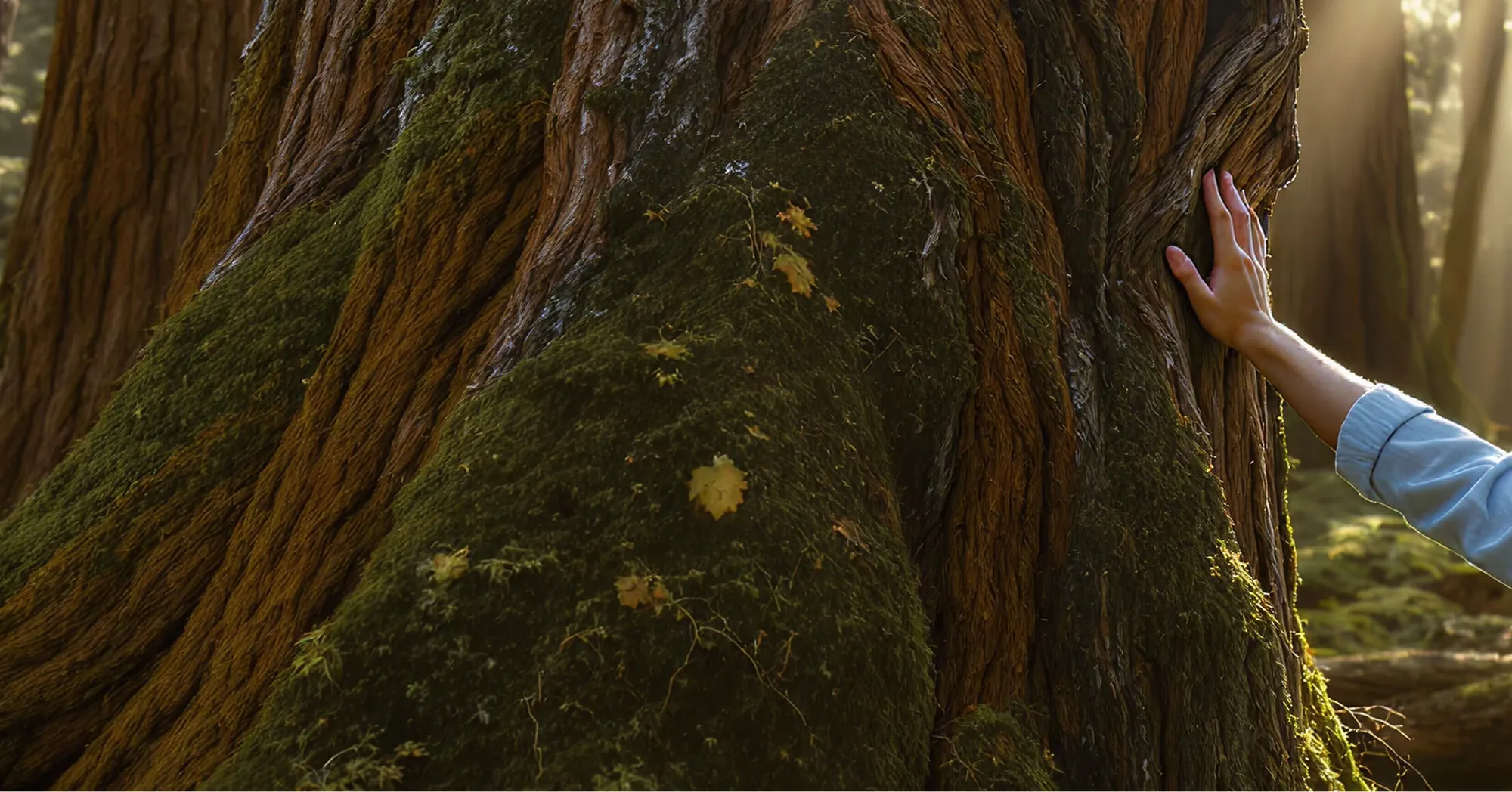
Every person is different, and so are our relationships with them. Soil transformation gives us a way to honor, celebrate, and memorialize our loved ones while contributing to restoration.
Some pot plants for celebrations of life. Others take soil on adventures to mountain peaks. Some wear it close to their hearts every day. Others keep it beside their bed for quiet moments. Many share it with distant relatives or donate to conservation projects.
You might choose one path or combine several. You might use some soil right away and save the rest for later. You might know exactly what feels right, or you might need time to decide.
Whatever you choose, what matters most is that it feels meaningful to you.
For ideas and inspiration from other Earth families, visit our Lasting Legacies page.
If we can be of any help during this time, please let us know.
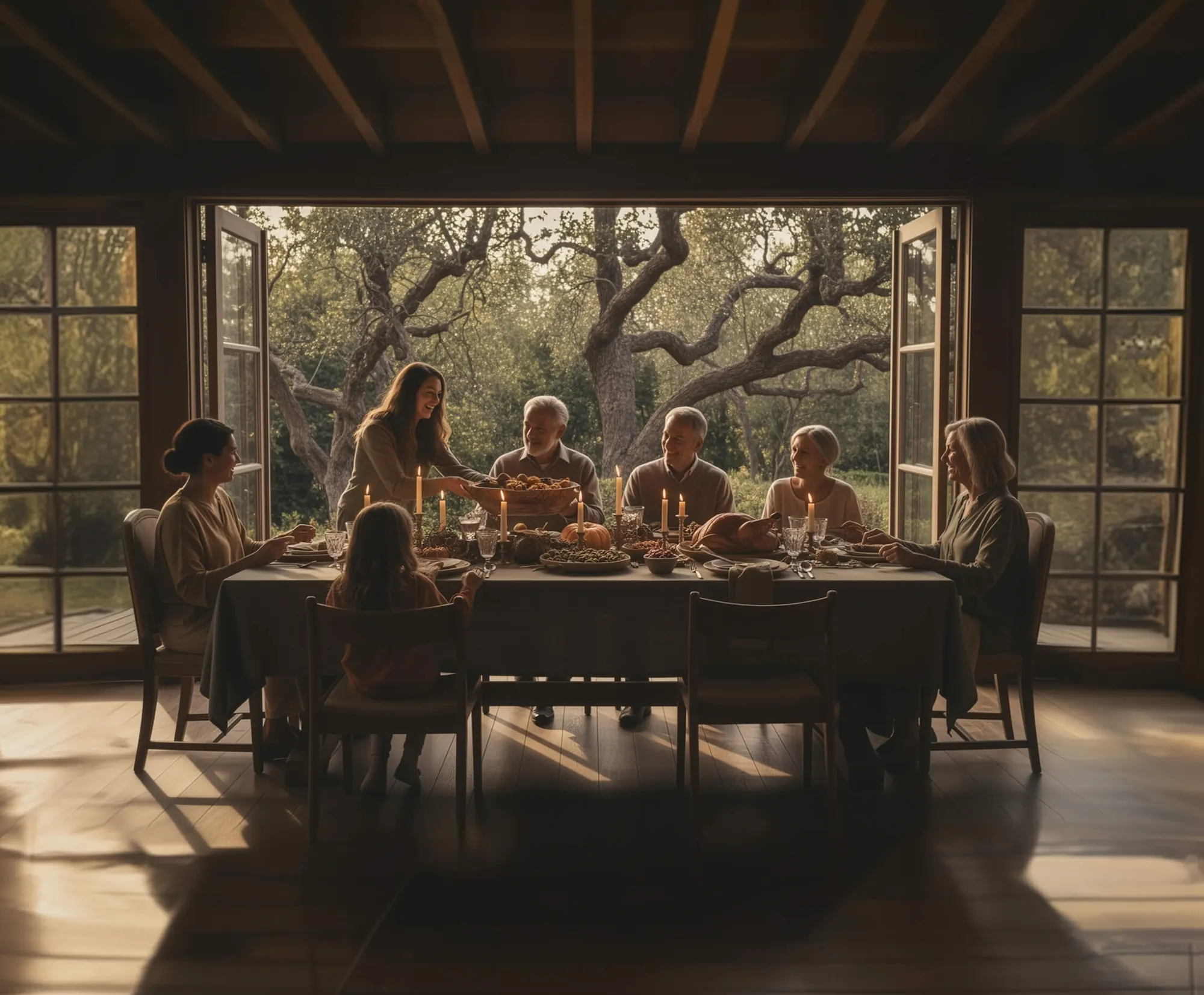
End-of-life planning rarely happens alone. Families who talk openly about death tell us the same thing: it brought relief, not burden. Seattle grief therapist Dr. Jill Gross shares practical advice for starting these conversations with your spouse, parents, children, or close friends.
Pre-planning your funeral is one of the most meaningful ways to ease the burden on loved ones and ensure your final wishes are honored. This guide offers a comprehensive overview of everything you need to know—from costs and documentation to choosing between burial options and personalizing your arrangements.