A Complete Guide To Funeral Pre-Planning
We plan for college and retirement, yet avoid funeral planning. This guide reveals how pre-planning reduces family burden, reflects your values, and offers peace.
We plan for college and retirement, yet avoid funeral planning. This guide reveals how pre-planning reduces family burden, reflects your values, and offers peace.
June 5, 2025
We plan for college, save for retirement, and insure our homes. Yet for life's one certainty, most of us delay funeral planning or avoid it entirely.
At Earth Funeral, we regularly witness the consequences when funeral planning happens too late.
With 70+ years of combined experience helping over 5,000 families navigate end-of-life decisions, we've seen the relief when funeral arrangements are planned ahead—and the stress when they aren't.
Now we're sharing these insights with you.
This guide shares how funeral pre-planning:
Funeral pre-planning isn't morbid—it's responsible. It's about taking control, finding peace, and creating a meaningful legacy. It's an act of love for yourself, your family, and the planet.
And, it’s easier than you think!
{{CTA-webinar-1}}
While funeral pre-planning benefits you, its greatest impact is on those you love most—a precious gift during one of their hardest times.
Losing someone can be overwhelming. Funeral pre-planning spares your family from making over 125 decisions while grieving. Despite this, only 36% of Americans have discussed or documented funeral plans—meaning nearly two-thirds plan to burden their survivors with these decisions. When you plan in advance, you replace confusion with clarity.
Grief experts identify two types of grieving: instrumental (handling tasks) and intuitive (processing emotions). Without funeral pre-planning, task-focused grief dominates, delaying emotional healing. By arranging funeral details in advance, you give loved ones space to grieve naturally without being overwhelmed by phone calls, appointments, and urgent decisions.
Your choice of final arrangements affects your family's grieving timeline. Traditional burial occurs within 6-7 days, creating a rushed gathering. Natural processes like soil transformation (human composting) span 30-45 days, giving families more time to process grief, plan meaningful celebrations, and allow distant relatives to participate in final goodbyes.
Funeral pre-planning helps prevent conflicts among family members. Without clear guidance, siblings might disagree on service type, costs, or disposition method. Your documented funeral plan serves as a clear guide, removing confusion and preventing disagreements. Plus, discussing funeral arrangements can foster greater appreciation for life within your family.
Funeral pre-planning is one of the kindest gifts you can give. It eases burdens, prevents heartache, and ensures your goodbye is filled with love and meaning, not stress. It's also your opportunity to shape how you'll be remembered with a legacy that truly reflects your values.
Whether environmental, spiritual, or cultural, funeral pre-planning provides your family with precise guidance, guaranteeing your final wishes will be carried out exactly as you intend.

Beyond ecology or religion, your funeral choices should represent who you are. Pre-planning ensures your funeral isn't a standard template but a meaningful event reflecting your personality and passions. Instead of defaulting to standard funeral home offerings, you can infuse your personality throughout. Write notes for your eulogy, select meaningful music or readings, or design a gathering that truly reflects your life.
If caring for the environment matters to you, you're not alone. A recent National Funeral Directors Association (NFDA) survey found 68% of people are interested in green funeral options. Pre-planning lets you choose eco-friendly burial alternatives like soil transformation (human composting), green burial, or other environmentally friendly burial options.
Funeral pre-planning allows you to include rituals or customs that reflect your beliefs. Many faiths emphasize humility and returning to nature, aligning well with green burials or terramation (body composting). Even within traditional burial or cremation, you can ensure practices feel spiritually appropriate for you.
A documented funeral plan creates a clear record of your intentions. While next-of-kin authority laws vary by location, formal documentation provides crucial guidance. This isn't about legal enforcement but about communicating clearly so loved ones understand your choices and their importance.
The best reason to document your funeral wishes is the opportunity to tell your own story, your way. By considering what matters most, you ensure your final farewell truly reflects your life and values. This authenticity offers a profound gift to those who love you: the comfort of knowing they honored you by fulfilling the farewell you chose for yourself.
Thinking about your own funeral might feel uncomfortable at first. Yet funeral planning brings profound emotional relief. By facing the inevitable and creating a plan, you gain control and reduce anxiety about death.
Funeral pre-planning gives you authority over what happens after you're gone. Knowing your funeral wishes will be honored exactly as specified eliminates worry about "what ifs." While many avoid end-of-life discussions, those who create funeral plans consistently report feeling less anxious about death and more at peace.
Funeral planning creates "mortality ease"—a sense of completion that lets you focus fully on living. Many describe feeling "a weight off their mind" after planning their final arrangements, allowing them to better enjoy each day. As psychologist Rollo May noted, "The confrontation of death gives the most positive reality to life itself."
Pre-planning your funeral naturally shifts focus to what truly matters—relationships, experiences, and legacy. Many who complete these plans share a renewed appreciation for life and prioritize meaningful activities that deepen connections with loved ones.
Many delay funeral planning, assuming it will be time-consuming or emotionally draining. In reality, basic decisions take just minutes. By postponing these simple choices, we transform them into intimidating tasks that weigh on us unnecessarily.
Funeral pre-planning replaces uncertainty with confidence and fear with peace. Taking control brings calm about the future—freeing you to live life fully today.
Planning your funeral ahead is both an emotional relief and financial advantage that disappears if you delay.
Funeral costs have consistently risen over time, often faster than regular inflation. According to the NFDA's 2023 Member General Price List Study, in just two years:
One of funeral pre-planning's greatest financial benefits is locking in today's prices for future services.
When funeral arrangements are made "at need"—right after death—families often make decisions under emotional stress and time pressure that lead to higher costs.
Pre-planned funeral arrangements provide:
Traditional funeral arrangements in 2024 averaged $7,000-$12,000—a substantial unexpected expense for grieving families. By handling funeral costs in advance, you allow your loved ones to focus on healing rather than financial concerns.
To make funeral pre-planning more accessible, many companies offer payment plans. This flexibility lets you secure funeral planning benefits without straining your budget.
Without pre-planning, families often overspend on funeral arrangements due to grief and time pressure. When pressed for quick decisions while emotional, we make expensive choices we wouldn't normally consider ("Only the best casket for Mom!").
By deciding on funeral details in advance, you ensure sensible, cost-effective choices. You protect your loved ones from sales pressure and emotional impulses—essentially budgeting for a day when they won't be in the right mindset for financial decisions.
Beyond direct funeral costs, unprepared families often face significant additional expenses:
A 2023 study by the American Psychological Association estimated the total economic impact of an unprepared death at up to $34,100 beyond direct funeral costs.
{{CTA}}
Postponing funeral pre-planning doesn't just delay benefits—it changes outcomes:
The most common regret we hear isn't about what was planned—it's about what wasn't planned when there was still time to do so thoughtfully. Funeral pre-planning offers financial predictability and protection, locking in peace of mind at today's rates while sparing your family from unexpected expenses later.
{{CTA-8-question}}

You might think, "I've written my will and set up a trust – doesn't that cover my funeral arrangements?" This common misconception creates dangerous gaps. While wills and trusts handle property and finances, they don't adequately address funeral arrangements or body disposition.
Wills often aren't reviewed until after the funeral, sometimes weeks later during probate. If your wishes for burial, cremation, soil transformation, or service details are only in your will, these decisions will likely be made without your input. A will's primary purpose is distributing assets and naming guardians/executors—not directing funeral arrangements.
A will might contain a brief statement like "I wish to be cremated and have my ashes scattered." Such wishes aren't legally binding in most states and lack necessary detail. Your will won't specify which funeral home to use or what kind of service to hold. These documents also don't fund your funeral.
Don't confuse advance healthcare directives with funeral planning. An advance directive covers medical wishes but doesn't address what happens after death, except possibly organ donation.
Without explicit funeral instructions, state laws generally give funeral decision rights to next of kin. Without clear directives, your family may face uncertainty or disagreement.
Simply telling family about your preferences has significant drawbacks:
Even informal Letters of Instruction fall short, as they:
A will or trust is not a funeral plan. They complement rather than duplicate each other. Consider them as two essential halves of a complete end-of-life strategy. The ideal approach combines estate plans with formal funeral plans. Together, they provide genuine peace of mind. Official arrangements (like a pre-need contract with Earth Funeral) ensure your wishes are carried out immediately when needed.
It's natural to have reservations about planning your funeral arrangements. Let's address common concerns:
Funeral pre-planning is most valuable when done in advance, with a clear mind and no pressure. Procrastination is deceptively easy, and time inevitably passes. Starting now doesn't accelerate anything; it simply ensures everything is ready whenever the time comes—even decades from now.
The discomfort around discussing death is real and remains taboo in many cultures. Rather than viewing pre-planning as focusing on death, see it as affirming life—ensuring your values and wishes are honored. If "planning my funeral" feels difficult, reframe it as planning for your family's wellbeing.
Family members frequently misinterpret, forget, or dispute verbal funeral instructions, especially during emotional times. Documented pre-planning eliminates guesswork and potential disagreements, ensuring your exact intentions are clear.
Many adult children resist discussing funeral plans ("Oh Mom, don't talk about that, you'll live forever!"). Try framing funeral planning positively: "I want to make things easier for you later and ensure my wishes are clear." Family members often understand when they realize pre-planning ultimately benefits them too.
Funeral pre-planning almost always saves money by locking in current prices and protecting against inflation. Many providers, including Earth Funeral, offer flexible payment options that make pre-planning accessible for various budgets.
The question isn't whether funeral pre-planning is necessary—it's whether the peace of mind it provides is worth having today rather than postponing for tomorrow.
Now that you understand why funeral pre-planning matters, let's explore your options.
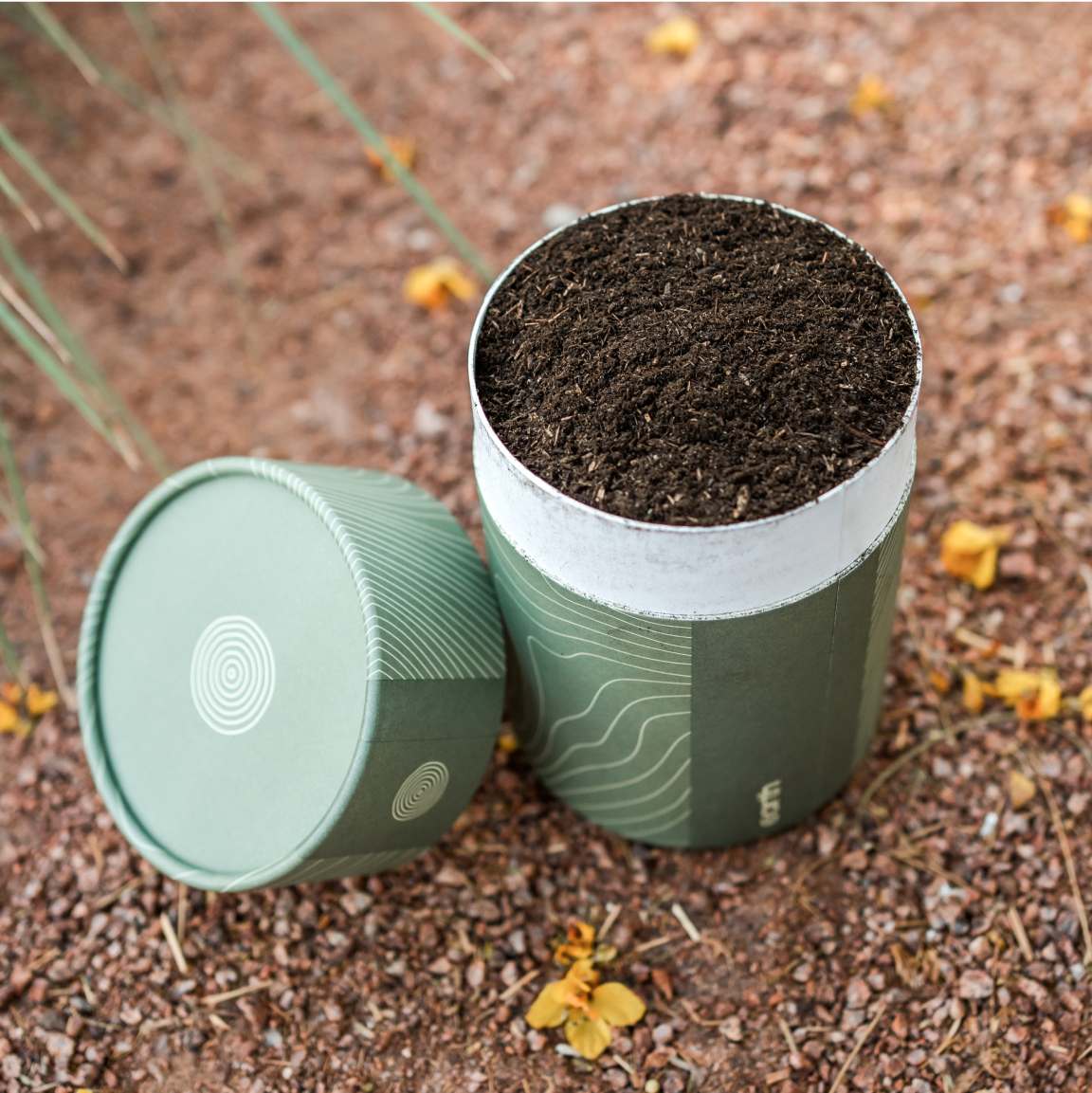
Growing environmental awareness has led many to reconsider traditional funeral practices. Among emerging environmentally friendly burial methods, soil transformation (also known as natural organic reduction, terramation, or human composting) offers a meaningful connection between life, death, and renewal.
{{CTA-11}}
Soil Transformation is both scientifically sound and profoundly respectful:
While the environmental benefits are significant, soil transformation reinforces the core advantages of pre-planning:
For many who choose this option, there is profound meaning in having their body nurture new growth—whether that's helping a forest thrive, supporting a community garden, or nourishing a special tree planted in remembrance.
At its core, pre-planning is an act of profound consideration that creates a lasting gift for those you love most.
This gift manifests in multiple ways:
For those who choose soil transformation with Earth Funeral, this becomes even more meaningful—a gentle return to the earth that creates a living legacy.
Pre-planning isn't about endings—it's about ensuring your final chapter is written with the same care, intention, and love that defined your life's story. It means you believe in the life still before you, enough to make sure everything is cared for. It's an expression of hope that your family will be well-supported, and that your final act can give something positive back to the planet.
When you take this step, you join countless others who have discovered that planning ahead doesn't diminish life—it enhances it.
Beginning your pre-planning journey with Earth Funeral takes just minutes, not hours. Our streamlined process can be completed online, by phone, or in person—whichever feels most comfortable for you.
Visit EarthFuneral.com to:
Join us in reimagining what comes after life and create a positive impact that lasts for generations.
End-of-life planning rarely happens alone. Families who talk openly about death tell us the same thing: it brought relief, not burden. Seattle grief therapist Dr. Jill Gross shares practical advice for starting these conversations with your spouse, parents, children, or close friends.

Funeral decisions have a lasting impact—not just emotionally, but environmentally. This report compares the ecological footprints of traditional burial, cremation, aquamation, and natural burial, equipping you with data to make more sustainable choices.

Discover meaningful ways to memorialize your loved one with nutrient-rich soil created through natural transformation. From planting memorial gardens to creating keepsake jewelry, this guide shares eight heartfelt approaches families use to continue their connection—each as unique as the bond you shared.