Conversation Starters
Whether you're planning ahead or helping someone else plan, these insights will help you navigate one of life's most important conversations.
Whether you're planning ahead or helping someone else plan, these insights will help you navigate one of life's most important conversations.
October 28, 2025

End-of-life planning rarely happens alone. Most of us will have these conversations with a spouse, help an aging parent, or guide a close friend.
Families who have them tell us the same thing: talking openly about death brought relief, not burden.
Dr. Jill Gross, a Seattle grief therapist who guides people through life's most challenging transitions, says the biggest barrier is fear—fear of discomfort, fear of upsetting someone, fear of saying the wrong thing. This guide shares her practical advice for starting these conversations that feel natural, respectful, and caring with:
Whether you're planning ahead or helping someone else plan, these insights will help you navigate one of life's most important conversations.
Most families tell us they waited longer than they should have to talk about end-of-life wishes. They worried it would be too sad, too uncomfortable, too final. But once they sat down together, the relief was palpable. The anticipation is almost always harder than the conversation itself.
Remember the gift you're giving.
When you have this conversation, you're releasing your family from the burden of guessing. The only way they can honor exactly what you wanted is if you tell them.
"How about now?" Dr. Jill Gross says. "It's so much easier to talk about end of life when a crisis or a medical event is not currently unfolding."
Most people wait for "the right time"—after retirement, when health changes, someday soon. But the right time is now, while everyone is healthy and calm.
As end-of-life planning becomes more of a midlife activity, more people are choosing their arrangements on their own terms. The best moments for these conversations are:
Don't wait for a diagnosis or emergency. By then, emotions are high and time is limited.
How you start the conversation matters as much as having it at all.
Don't ambush someone while they're folding laundry. Dr. Jill Gross calls this "strike while the iron is cold"—choose a neutral, calm moment.
Schedule it: "Would you be willing to talk about end-of-life plans this week?" Giving advance notice shows respect for the weight of the topic.
Name the difficulty: "I want to talk about something that might feel uncomfortable, but it's important." Naming the discomfort takes away some of its power.
Use a prompt: "I read this article..." External triggers give you a natural opening.
Once you're sitting down together, you don't need a perfect script. Start by naming why this conversation matters, then cover the key topics.
Dr. Gross organizes end-of-life planning into three categories:
The more specific you are, the more comfort you give.
If you're still hesitating, you're not alone. These conversations feel vulnerable because they matter.
Dr. Jill Gross says: "The best thing to do is to just sort of plug your nose, close your eyes and step off the high dive and trust that you're going to swim."
You don't have to have all the answers today. You just have to start.
{{CTA-15-question}}

Partners make decisions together. This is no different. End-of-life planning is an extension of the partnership you've already built.
You've made countless decisions together—where to live, how to raise children, what to prioritize. Frame this as another shared choice: "I want to make sure our family knows what we'd want if something unexpected happened. Can we discuss our plans together?"
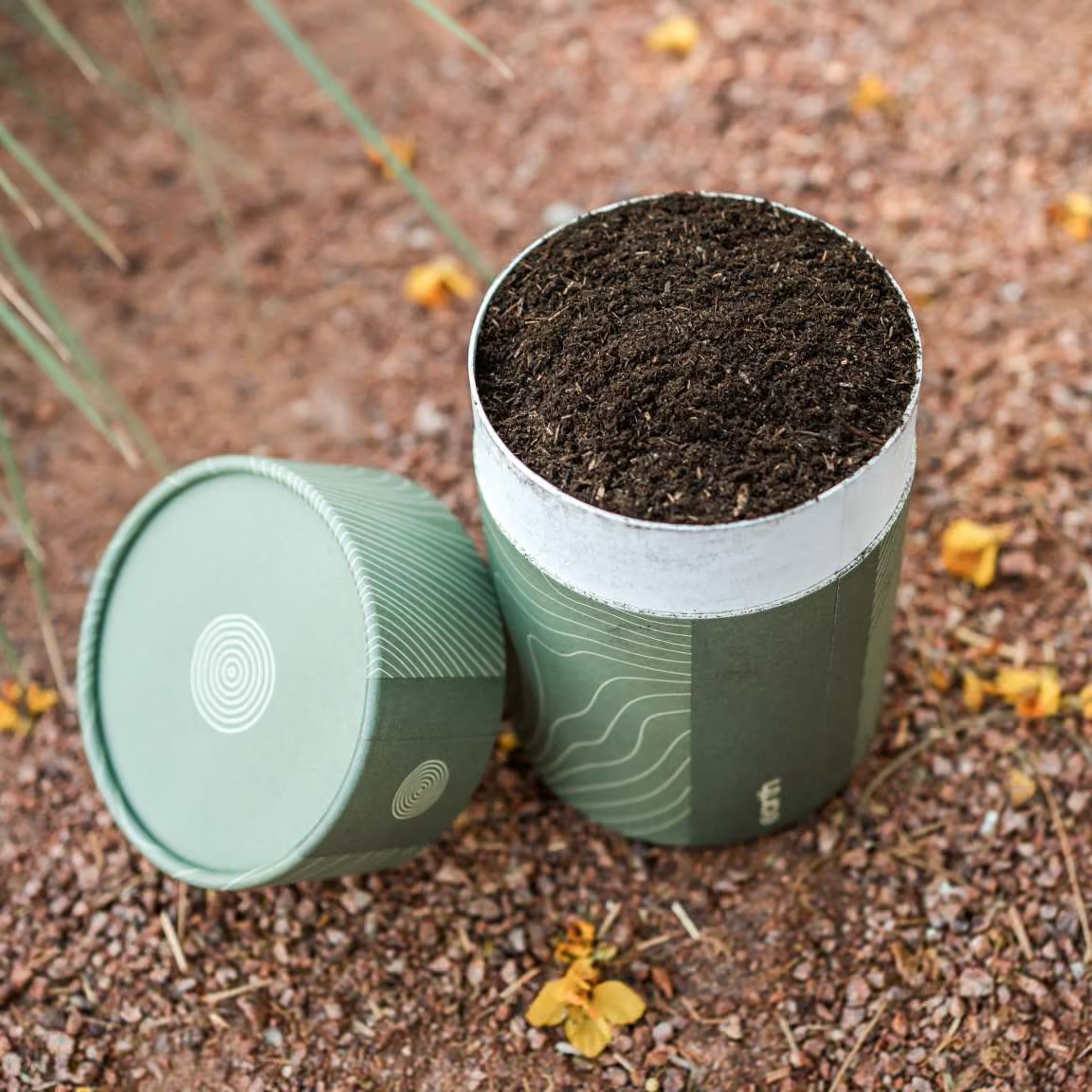
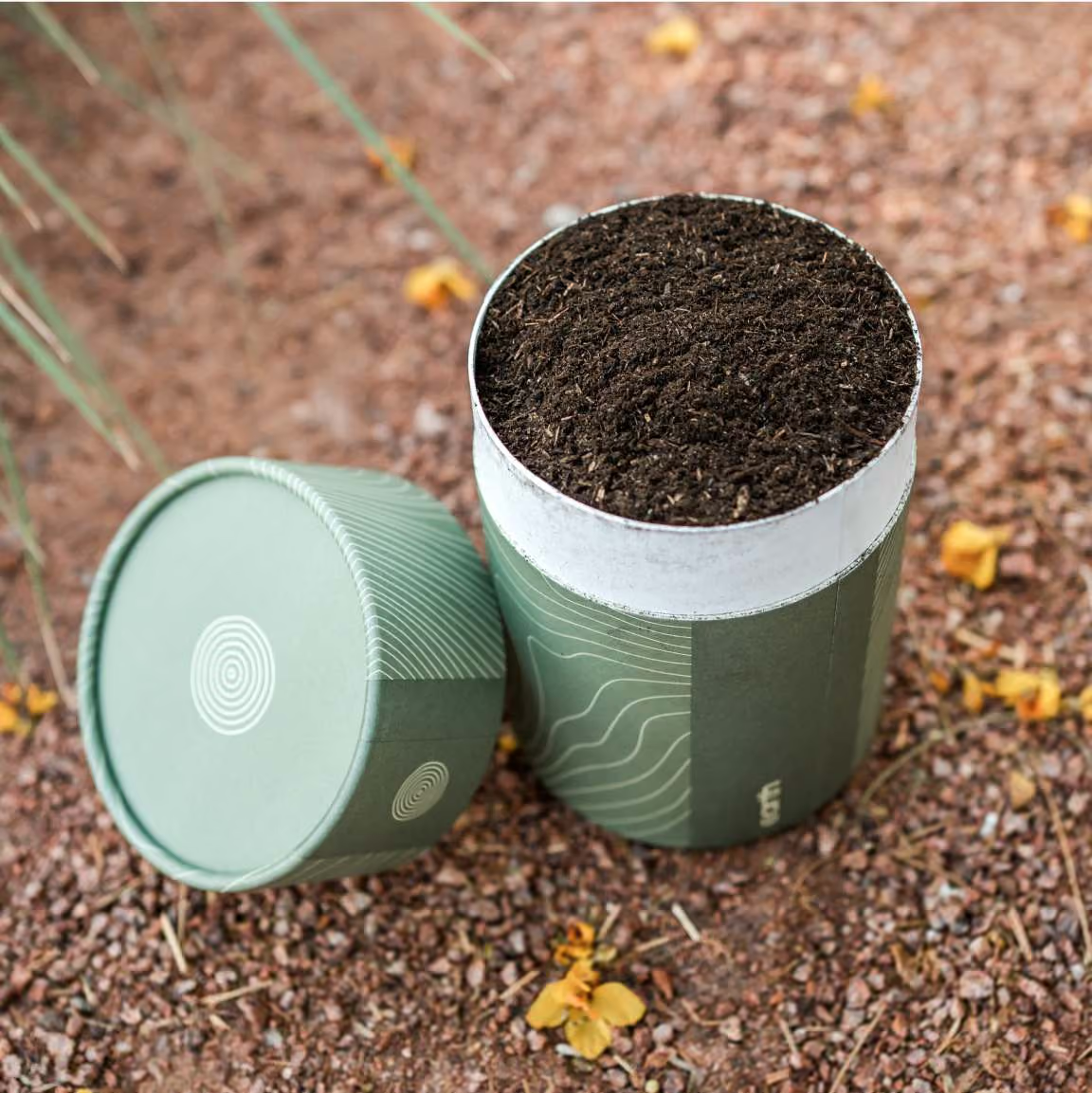
Don't just say "soil transformation," say how you'd like to use the soil, who you want it shared with, where you'd like a memorial. The more detail you share, the more confident they'll feel. When using returned soil for planting, potting, or spreading on public or private land, we recommend verifying and following all local laws and regulations, as these vary by location.
Sometimes partners want different things. Dr. Gross offers this: "Can it bring you comfort that this is my body and my choice? We can agree to disagree."

One of the most profound acts of parenting is preparing your children for a future without you. It's not morbid. It's loving.
"We've made our end-of-life plans so we could choose what we wanted. Now we'd like to share our wishes with you." Dr. Gross calls this a gift of clarity: "They are not put in a position where they have to make up those decisions when something upsetting is unfolding."
If your child resists, don't force it. Ask gently: "What makes you uncomfortable about this conversation?" Often their resistance comes from not wanting to imagine losing you. Acknowledge that: "I know this is hard. It's hard for me too."
Who makes healthcare decisions? Financial decisions? Who has the documents? Clarity now prevents confusion later.
{{CTA-webinar-3}}
.avif)
Asking your parents about their wishes requires a delicate balance of respecting their autonomy while acknowledging your need to honor them. This isn't about taking control. It's about giving them space to share what matters.
Rather than coming out of nowhere with "We need to talk about your death," look for natural openings. "I saw a story about a family struggling because they didn't know what their mom wanted. It made me realize we should talk." Real events provide gentle entry points.
Your role is to listen and understand, not to convince. Try: "Have you thought about how you'd like things handled when the time comes? I want to honor your wishes." Let them lead.
If your parents shut down, don't push. Ask: "Can you help me understand what feels uncomfortable?" Dr. Gross reminds us: "When in doubt, be curious about the fear... if you name the fear, it's just not as scary."

End-of-life planning doesn't stop at biological family. Your close friends, chosen family, and longtime companions deserve to know your wishes and can help you think through important decisions.
With friends, these conversations often feel more reciprocal. "I've been thinking about soil transformation—have you thought about what you'd want?" You're exploring together, not asking permission.
"I'm drawn to soil transformation because..." Explaining your reasoning invites them to share theirs. Friends often help each other think through decisions in ways family can't.
What would feel meaningful to you?" or "Does this resonate with your values?" These conversations can help both of you clarify what matters most.

These conversations aren't about dwelling on death. They're about living and loving more intentionally. When you share your wishes clearly, you give your family permission to grieve without the burden of guessing.
This is just the beginning
The first conversation opens the door. But end-of-life planning isn't one-and-done—it's an ongoing dialogue. Check in as questions arise. Revisit when circumstances change. Keep the lines of communication open.
{{CTA-10-question}}
Our team can guide you through sustainable end-of-life options and help facilitate family conversations.
Schedule a consultation to navigate difficult family conversations with professional support.
Estate planning attorneys, grief counselors, and social workers can help when family conflicts escalate, legal questions arise, or you need emotional support.
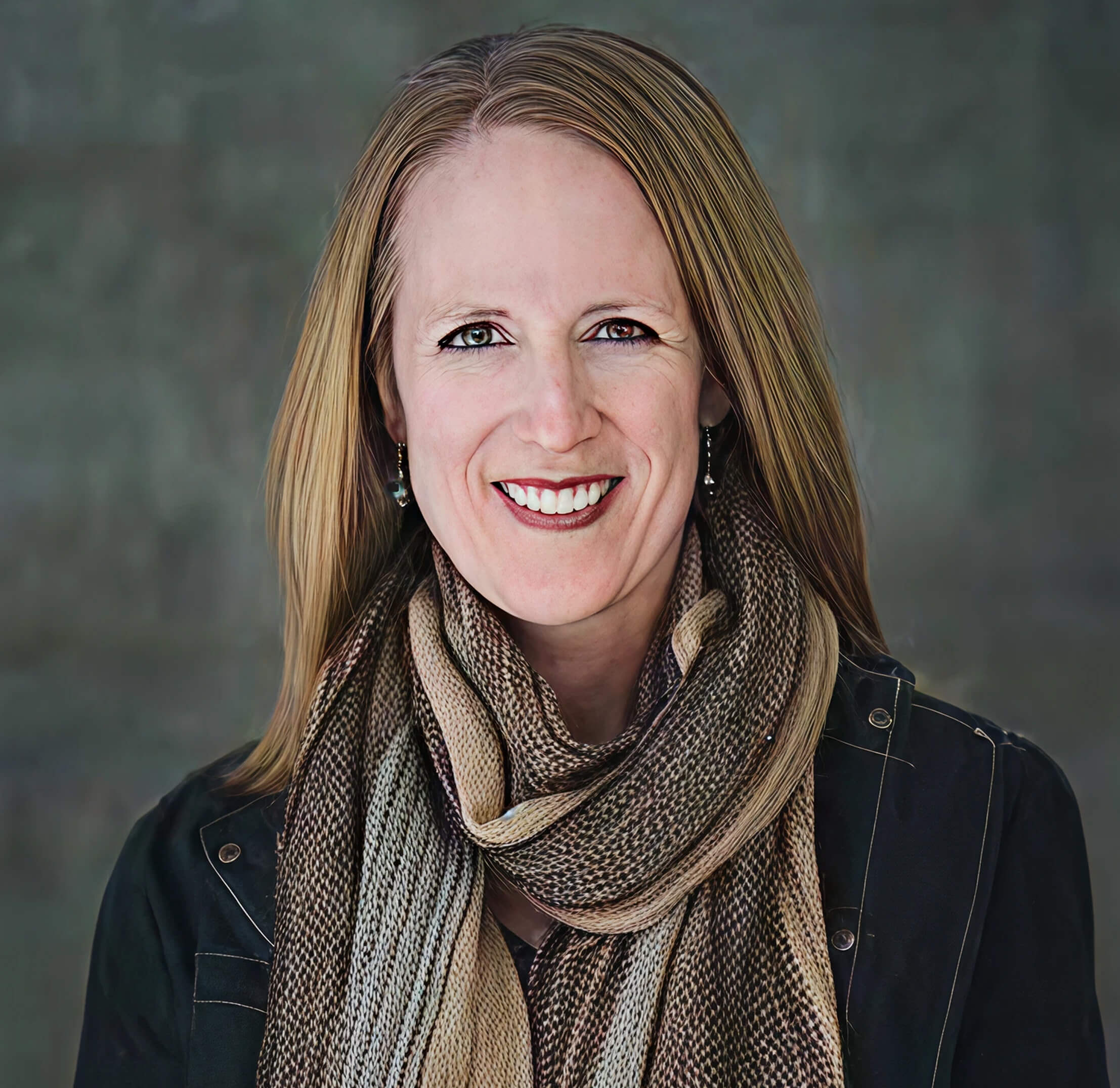
"We don't want to make fear based decisions
because fear based decisions beget more fear."
That's the gift. Clarity, not perfection.
The conversation starts now.

Pre-planning your funeral is one of the most meaningful ways to ease the burden on loved ones and ensure your final wishes are honored. This guide offers a comprehensive overview of everything you need to know—from costs and documentation to choosing between burial options and personalizing your arrangements.

Discover meaningful ways to memorialize your loved one with nutrient-rich soil created through natural transformation. From planting memorial gardens to creating keepsake jewelry, this guide shares eight heartfelt approaches families use to continue their connection—each as unique as the bond you shared.

Funeral decisions have a lasting impact—not just emotionally, but environmentally. This report compares the ecological footprints of traditional burial, cremation, aquamation, and natural burial, equipping you with data to make more sustainable choices.