Where Is Natural Organic Reduction Legal And Available?


Green Funeral Practice
|
April 8, 2022
Eco-friendly funeral options are becoming increasingly popular, as awareness grows around the environmental damage that traditional practices can cause.
Natural organic reduction is an environmentally-friendly funeral option that represents a green alternative to burial and cremation. It is a practice that is becoming more readily available, with more providers and a more supportive legislative landscape.
This article takes a look at the natural organic reduction process, identifying which states support the practice and highlighting where it takes place. It then looks at some of the reasons people find natural organic reduction to be an appealing alternative to traditional options.
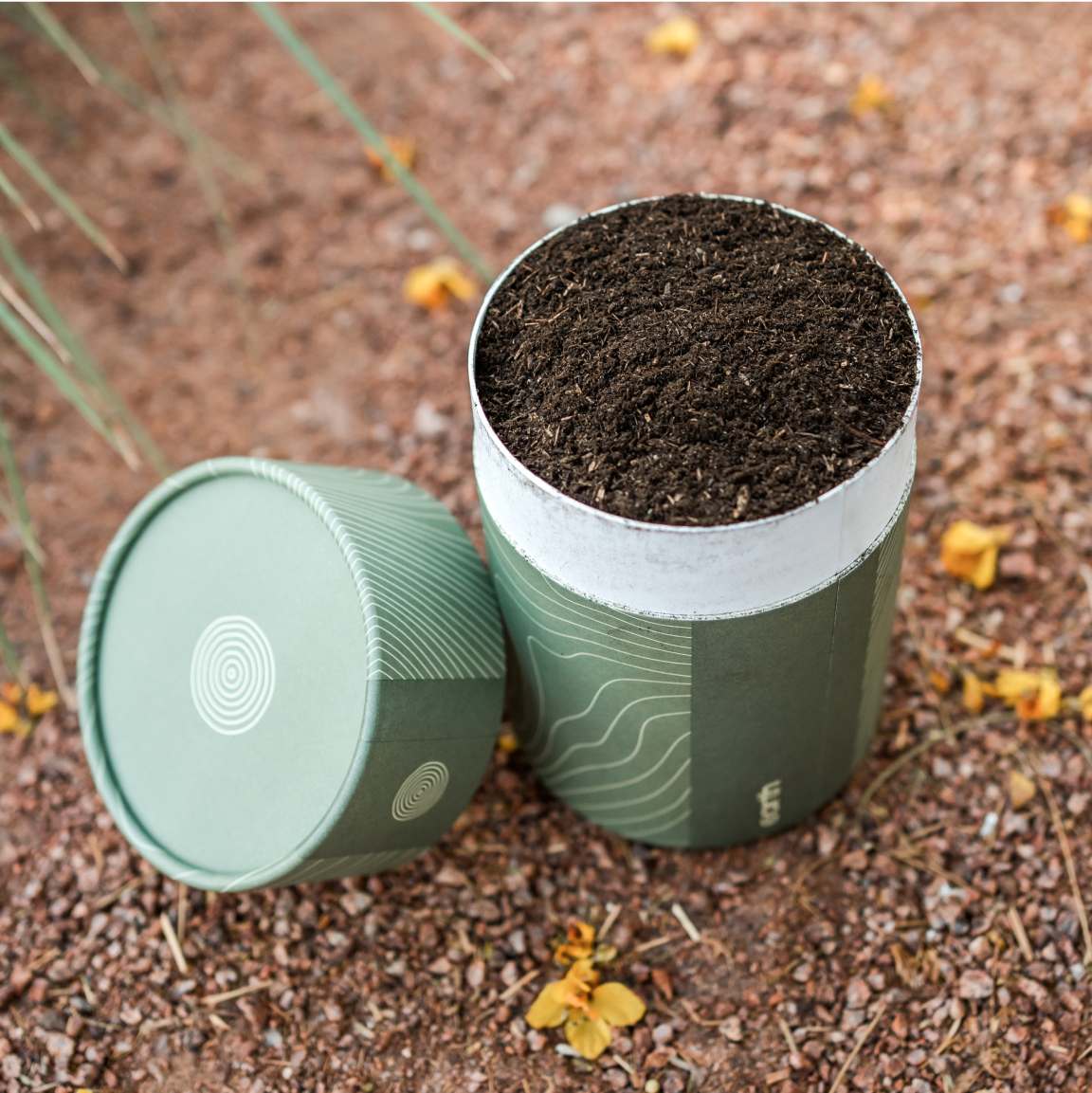
Natural organic reduction gently transforms a body into soil that is rich in nutrients. It is also known as soil transformation or human composting.
This process offers a sustainable alternative to cremation or traditional burial. Natural organic reduction takes the principles of nature and uses them to break down the body on a molecular level. This requires the balancing of nitrogen and carbon, and the optimization of moisture and temperature levels.
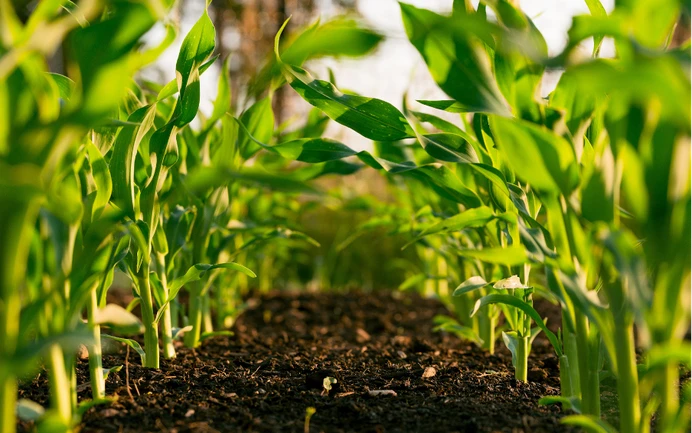
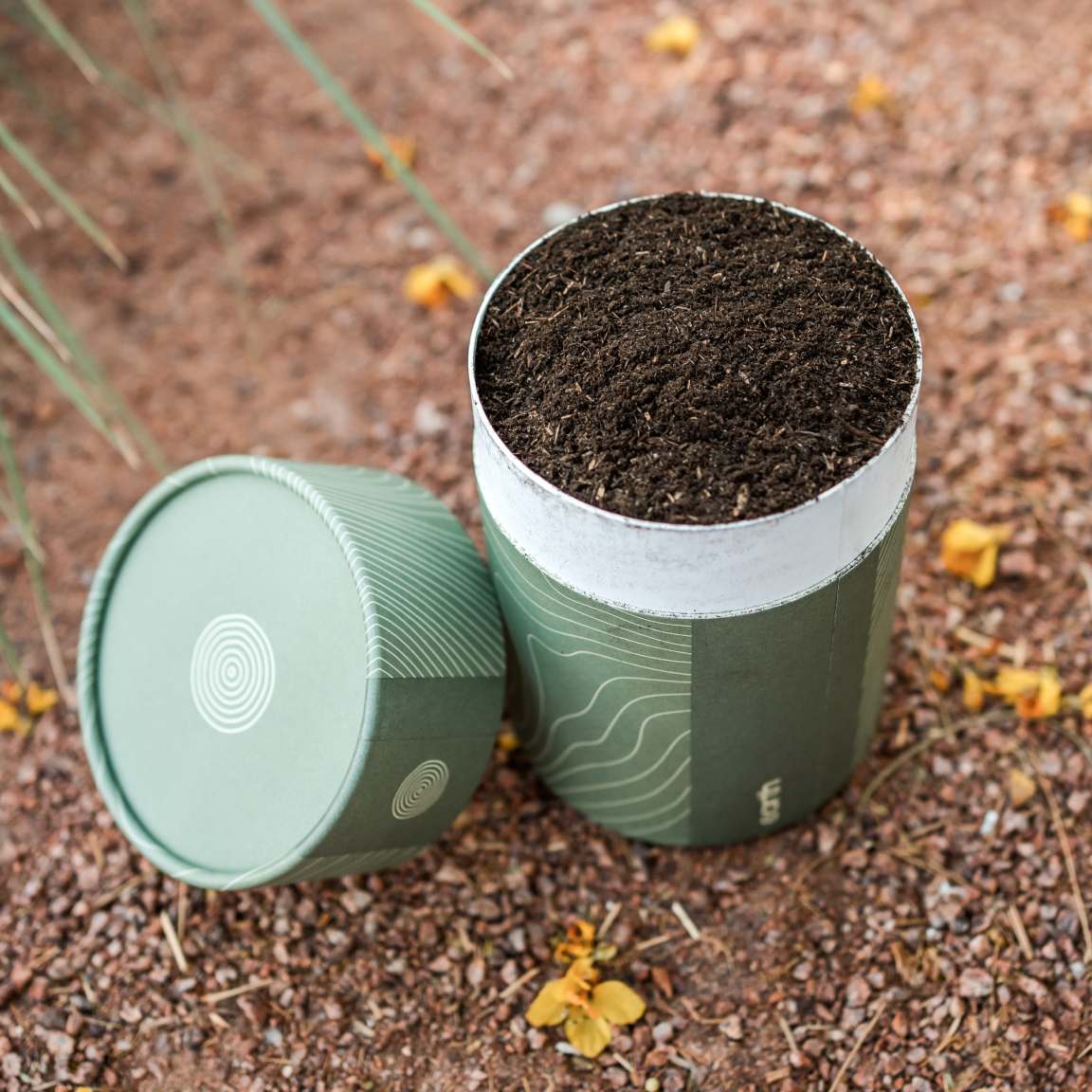
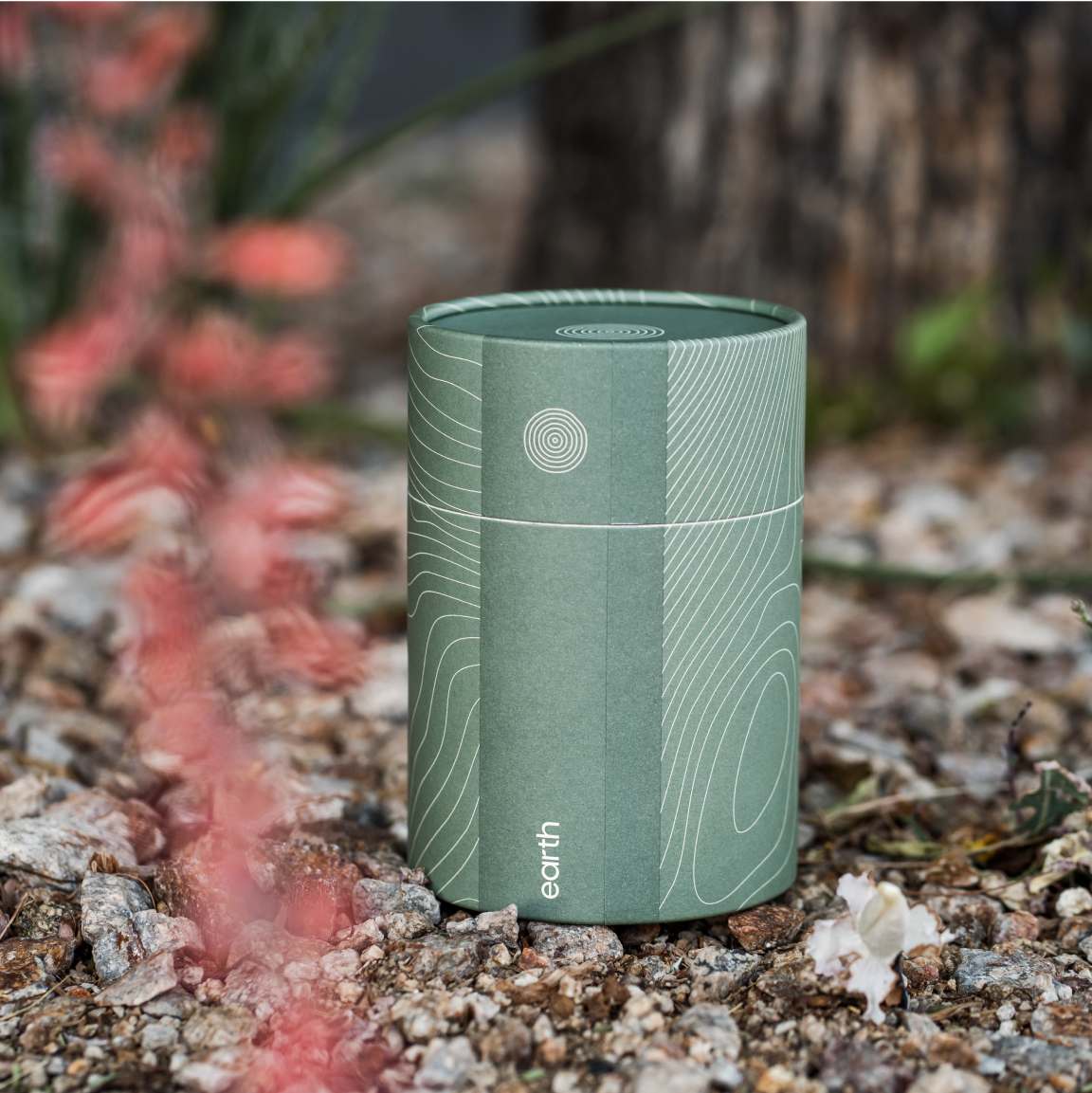
The end output is a portion of healthy soil. This is perfect for use in land conservation and restoration. It is also possible to use some of the soil for memorialization, with families choosing to plant or scatter a portion. When using returned soil for planting, potting, or spreading on public or private land, we recommend verifying and following all local laws and regulations, as these vary by location.
In 2019, Washington became the first state to legalize natural organic reduction, with the law taking effect in May 2020. Since then, fourteen states have legalized the process: Arizona, California, Maryland, Nevada, New Jersey, Oregon, Washington, Colorado, Georgia, Minnesota, New York, Vermont, Delaware, and Maine.
Bills are in progress in New Mexico, Utah, Illinois, Massachusetts, Ohio, Texas, Connecticut, Indiana, Missouri, New Hampshire, Rhode Island, and Hawaii.
In states where the process is not yet legal, natural organic reduction may still be available to residents. Families can often arrange for transportation to a licensed facility in a nearby state where the process is permitted, and have the resulting soil returned home.
View our tracker for full details of the legislation in each state and where natural organic reduction services are available.
{{CTA-webinar-2}}
Natural organic reduction is a strictly regulated process, which is the case for all other disposition methods as well. A facility license is a requirement for operators, and this must be issued by the relevant state’s funeral regulator.
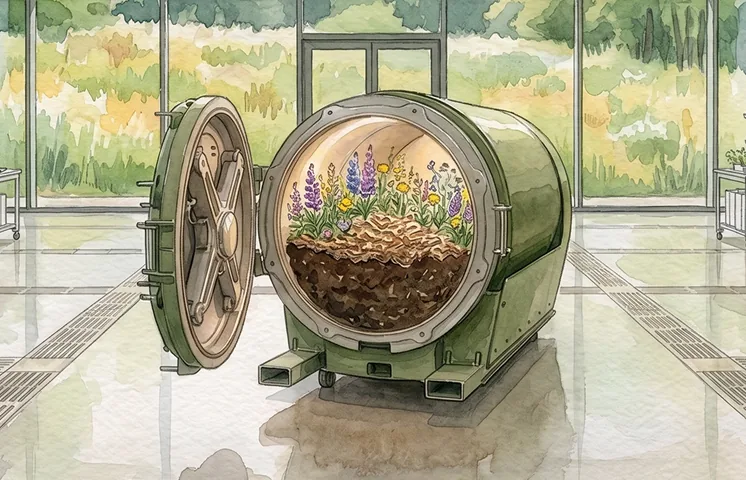
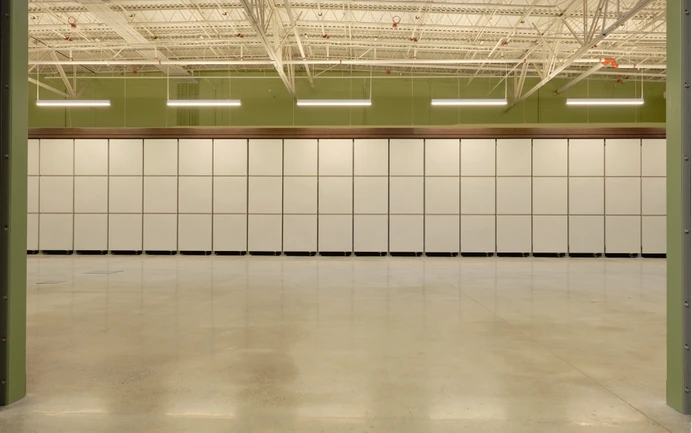
Specialist providers have purpose built facilities where the process takes place.
At Earth, we operate from the world’s most advanced facilities. We have combined state-of-the-art technology with a calm and serene space designed by architects. The resulting facility echoes the beauty of the natural organic reduction concept itself.
Finding a natural organic reduction provider can be done entirely through online research. The first important step is to check that the process is legal in the state in question or one that borders it. Factors to bear in mind include budget, location and whether a provider is transparent about costs and services provided.
We explain all of the steps of our process on our website. You can get an online quote after answering a few brief questions.
{{CTA}}
Natural organic reduction is significantly better for the environment than traditional burial and cremation.
Burial involves the use of land at a rate that is not sustainable in urban areas. It is also a resource-heavy process that results in huge quantities of chemicals, metals and woods being buried in the ground. Each year in the US more than four million gallons of embalming fluid are buried, along with nearly two million tons of concrete.
Whereas traditional burial in this way pollutes soil, natural organic reduction has a very positive impact on soil health. Healthy soil is important because of its role in capturing carbon, filtering water and providing nutrients to plants and animals.
Cremation relies on fossil fuels, producing high levels of carbon dioxide. The average cremation is estimated to create 535 lbs of CO2, which is equal to a car journey of 609 miles.
By contrast, our soil transformation process is highly sustainable, using only renewable electric sources of energy.
Natural organic reduction’s other benefits include the conceptual appeal of a process that represents a return to nature, and the beauty of the possible memorialization methods. The process is the choice for nature-lovers and conservationists.
At Earth, we specialize in soil transformation. If natural organic reduction interests you, read about our services or get an instant quote.
Soil Transformation
On a recent episode of 50+ & Unfiltered, Stewart casually shared that she plans to skip burial and cremation entirely: “Oh, I’m going to be composted. These coffin things and all that stuff? No way.”
12/8/2025
3 min read
Green Funeral Practice
As families consider human composting as an alternative to cremation and burial, questions naturally arise about what happens to bones, dental work, and medical implants during the process.
6/3/2026
4 min read