A Thoughtful Way to Use Tax Season for End-of-Life Planning


End Of Life Logistics
|
February 19, 2026
For many people, tax season is about paperwork and deadlines. But it’s also one of the few moments each year when we naturally pause, look at our finances, and think about the future.
Tax season often creates a rare window of clarity; a moment to take care of things we’ve been meaning to address.
If you’ve been thinking about pre-planning funeral arrangements, here are a few common financial situations families find themselves in, and how planning can fit into each one.
If you receive a tax refund, you can choose to apply it directly toward pre-planning.
Many people find this appealing because it doesn’t change their day-to-day life. You’ve already lived without this money all year, so using it to make arrangements doesn’t affect your monthly budget or routine.
In that sense, applying a refund isn’t really “spending.” It’s transferring money that’s already been set aside into something permanent and meaningful. One decision, fully handled.
For some families, this makes paying in full feel simpler and more complete, because it closes a loop and provides immediate peace of mind.
For some retirees, tax season brings a refund. For others, especially those whose primary income is Social Security, there may be little change at all. What many people do have is a predictable monthly income.
Planning may be less about finding extra money and more about maintaining stability. Some people choose to plan while their income is steady, before healthcare costs or other expenses change. Others use a portion of a recent cost-of-living adjustment.
The goal is to avoid surprises to your budget while taking care of what matters most.
According to the National Funeral Directors Association, the median cost of a funeral with cremation has risen 8.1% over the past two years. For anyone on a fixed income, locking in today's pricing means protecting your family from absorbing increases later.
This is where our thoughtful payment plans can make a difference. When payments are aligned with predictable monthly income, planning can feel calm and manageable, without disrupting everyday life.
For many families, it's less about the money and more about certainty and control.

Many retirees take annual distributions from their retirement accounts, or are required to.
Some families choose to use a small portion of those distributions to pay for final arrangements. Because these funds are already part of their annual financial plan, allocating a portion towards planning can feel responsible rather than indulgent.
For others, spreading payments over time to align with distribution schedules feels more comfortable. Earth Funeral offers both upfront payment and payment plan options.
There’s no single right approach. What matters is choosing an option that fits your rhythm and reduces future stress for the people you care about.
{{CTA-webinar-1}}
Many American homeowners are house-rich but cash-light. Financial decisions are often framed around monthly expenses, not account balances.
In these cases, pre-planning can create certainty. Rather than leaving future costs unknown and potentially higher, planning ahead allows families to set costs at today’s rates rather than leaving them uncertain.
Some choose a lump-sum approach. Others prefer our payment plans that fit comfortably into their monthly expenses. Both options offer the same benefit: clarity, predictability, and relief from future uncertainty.

Tax season is a natural moment to think about the bigger picture. For many families, a refund becomes an unexpected opportunity to do something truly meaningful together.
In many families, adult children contribute to some or all of their parents’ arrangements. Parents often still want to initiate the end-of-life conversation themselves, even if the cost is shared. An adult child’s tax return or a parent’s tax return can make that conversation easier to start and easier to act on.
Planning funeral arrangements can be a private decision or a shared choice for the family. If you’ve started the conversation but haven’t made it official, our guide to common end-of-life planning myths can help clarify what “fully planned” actually looks like.
Time and again, people tell us that planning together as a family feels less like a financial transaction and more like an act of care for everyone involved.
Not everyone receives a refund. Some people file, owe nothing, and receive nothing back.
Still, tax season is often when people naturally take stock of finances, priorities, and unfinished plans. Research from The Conversation Project found that 90% of Americans believe having end-of-life conversations with their families is important, but fewer than 30% have actually done so.
If end-of-life planning has been on your mind, this season can be a meaningful moment to finally close that gap, regardless of whether money changes hands. Our complete guide to funeral pre-planning is a great place to start.
{{CTA-6-question}}
There’s no single “right” way to plan. Families arrive at this decision with different incomes, resources, and priorities.
Research from AARP shows that 63% of older adults say their greatest concern is becoming a physical or financial burden on their family. Pre-planning is one of the most direct ways to address that as an act of care and intention.
What matters most is choosing a path that fits your life, one that provides clarity now and relieves future burden for the people you love.
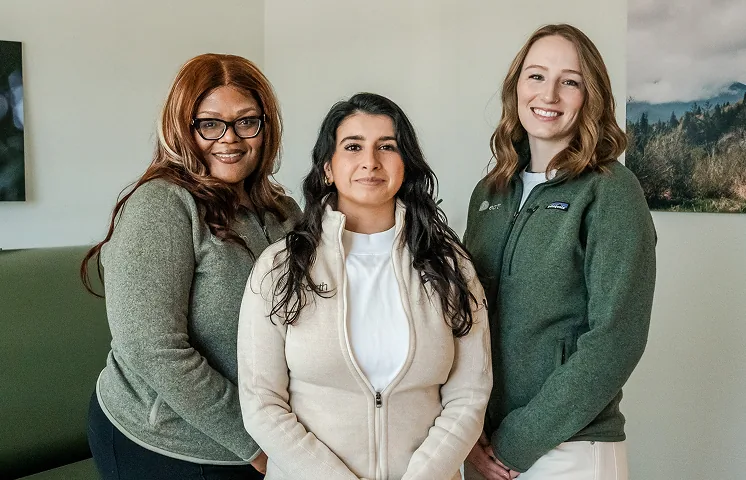
At Earth Funeral, our Care Advisors are here to walk through options at your pace, answer questions, and help you understand what planning could look like for your situation.
If you’d like to learn more, start a conversation, or simply ask questions, we’re here when you’re ready.
Company News
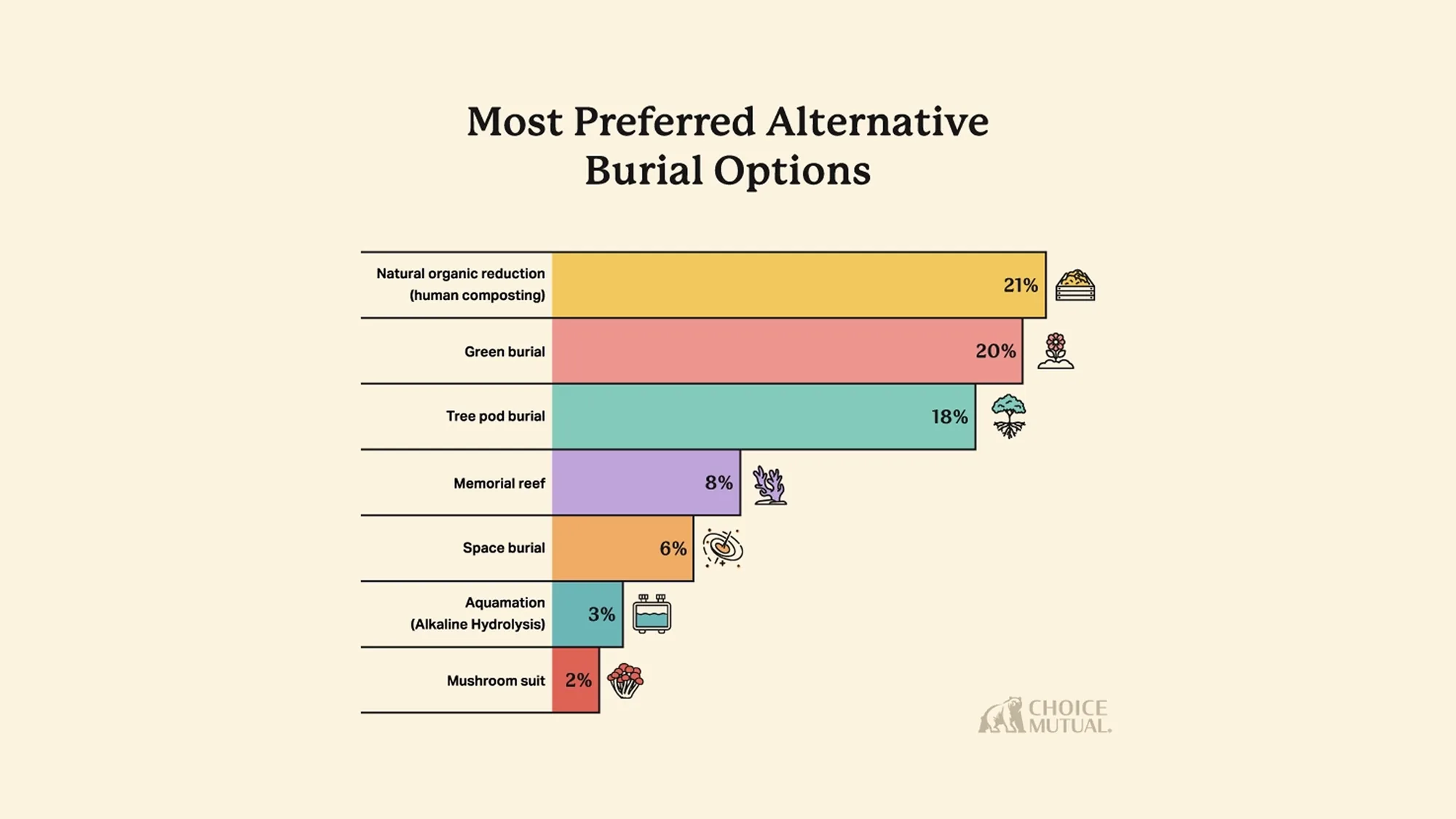
A new national survey confirms what thousands of families have already shown us, and the numbers tell a remarkable story.
6/5/2026
4 min read

Human Composting 101
Human composting is the gentle, natural process of turning a person into soil. This green burial option takes place in a controlled environment and allows individuals to return to nature upon death, and become part of a regenerating and natural ecosystem. It is an eco-friendly alternative to burial and cremation.
6/3/2026
9 min read