"What Happens to the Bones?” and Other Common Questions About Human Composting


Green Funeral Practice
|
June 3, 2026
When learning about soil transformation, also known as human composting or natural organic reduction, many people naturally have questions about what happens during the process.
Every day, families ask us:
These questions come from care and curiosity. Here’s what truly happens during the 30–45 day soil transformation process, and how every part of the body is treated with care, respect, and environmental responsibility.
Bones are naturally biodegradable, but the process is slow. By the end of the 30–45 day process, bones don't fully break down on their own. The bones are then reduced to a fine powder by equipment. Our team describes it as “smooth, light, and similar to beach sand.”
That bone material is then added to the final, nutrient-rich soil that’s returned to your family.
Teeth behave much like bones. They don’t fully break down during the soil transformation process and are reduced to a fine powder that’s added back into the soil.
Dental fillings, however, are different. Because they’re made from inorganic materials like gold, porcelain, or amalgam, they don’t break down naturally.
During Earth Funeral's finishing process, all dental fillings and metal fragments are carefully separated and recycled through responsible recovery partners.
What’s returned to your family is pure, nutrient-rich soil that’s free of any nonorganic materials.
Many people wonder about pacemakers, surgical implants, prosthetic limbs, or joint replacements. These devices don’t interfere with the soil transformation process. After the 30–45 day cycle, our team gently sifts the soil to remove any remaining inorganic materials, including:
All of these items are safely recycled or responsibly disposed of. They do not become part of the soil.
Every step follows strict environmental and funeral care regulations, ensuring safety, compliance, and dignity.
If you have questions about a specific implant or medical condition, our Care Advisors can guide you through the details of your individual plan.
{{CTA-webinar-2}}
Many families ask whether organ donors or those who’ve donated their bodies to science can still choose soil transformation.
The short answer: yes, in most cases.
If organs are donated, the body can still undergo soil transformation afterward. Earth Funeral coordinates with hospitals and organ recovery agencies to ensure the process remains seamless and respectful.
For full body donation to research or education, eligibility depends on the medical institution’s program. Once studies are complete, Earth Funeral can often receive the remains for soil transformation.
If you’re an organ or body donor and wish to choose soil transformation later, our team can help coordinate the necessary steps and paperwork.
{{CTA-6-question}}
Joint replacements, such as hips, knees, and shoulders, are made from titanium or other durable alloys that don’t decompose naturally.
At the end of the process, these are carefully recovered and recycled through medical metal reclamation programs. These materials are not in the soil sent to families.
You may include biodegradable items such as flowers, letters, or written notes within the vessel. These will naturally decompose and become part of the final soil.
Inorganic materials like jewelry, photo frames, or plastic items should stay at home.
Ashes of loved ones or pets can be added after you receive your soil, but not during the transformation process itself.
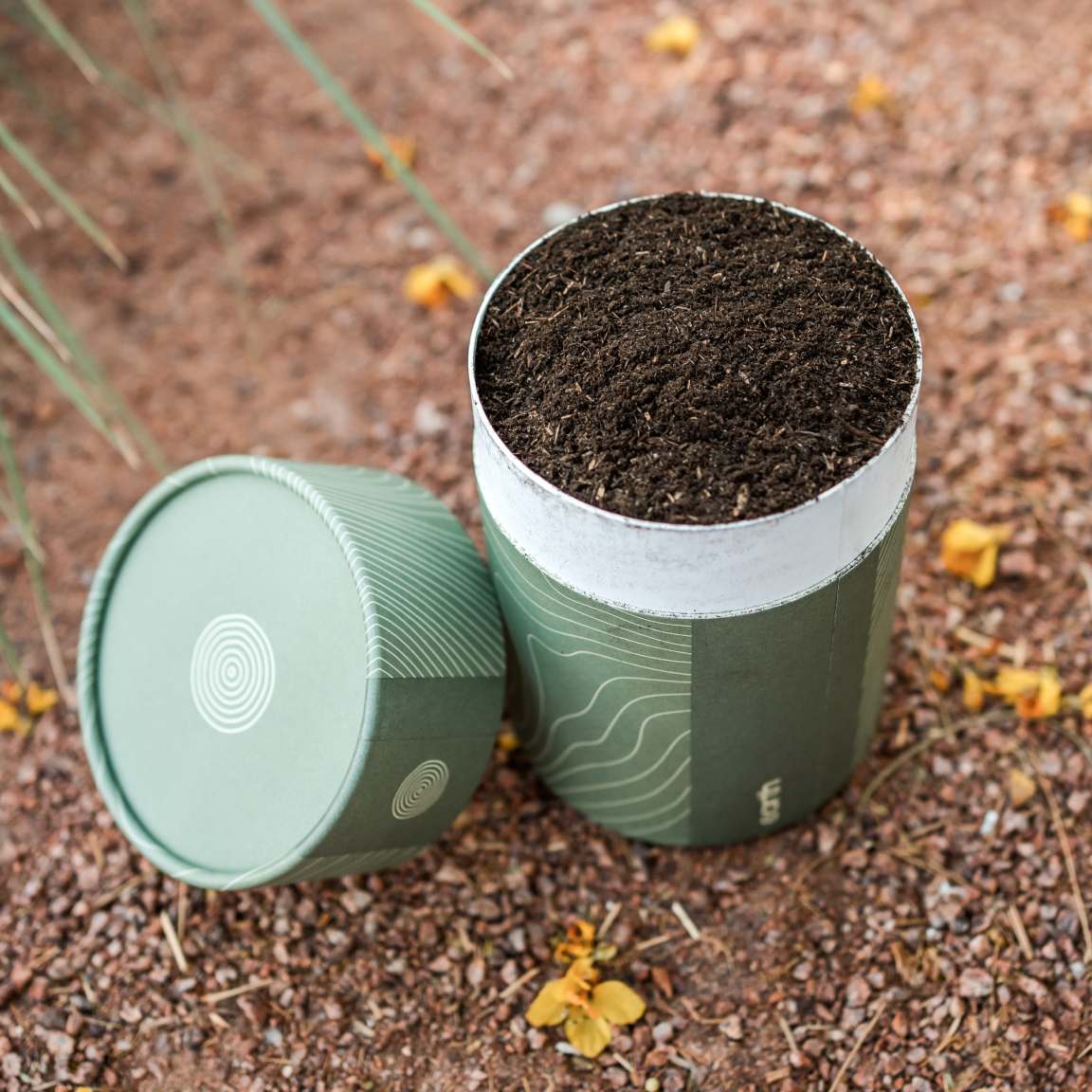
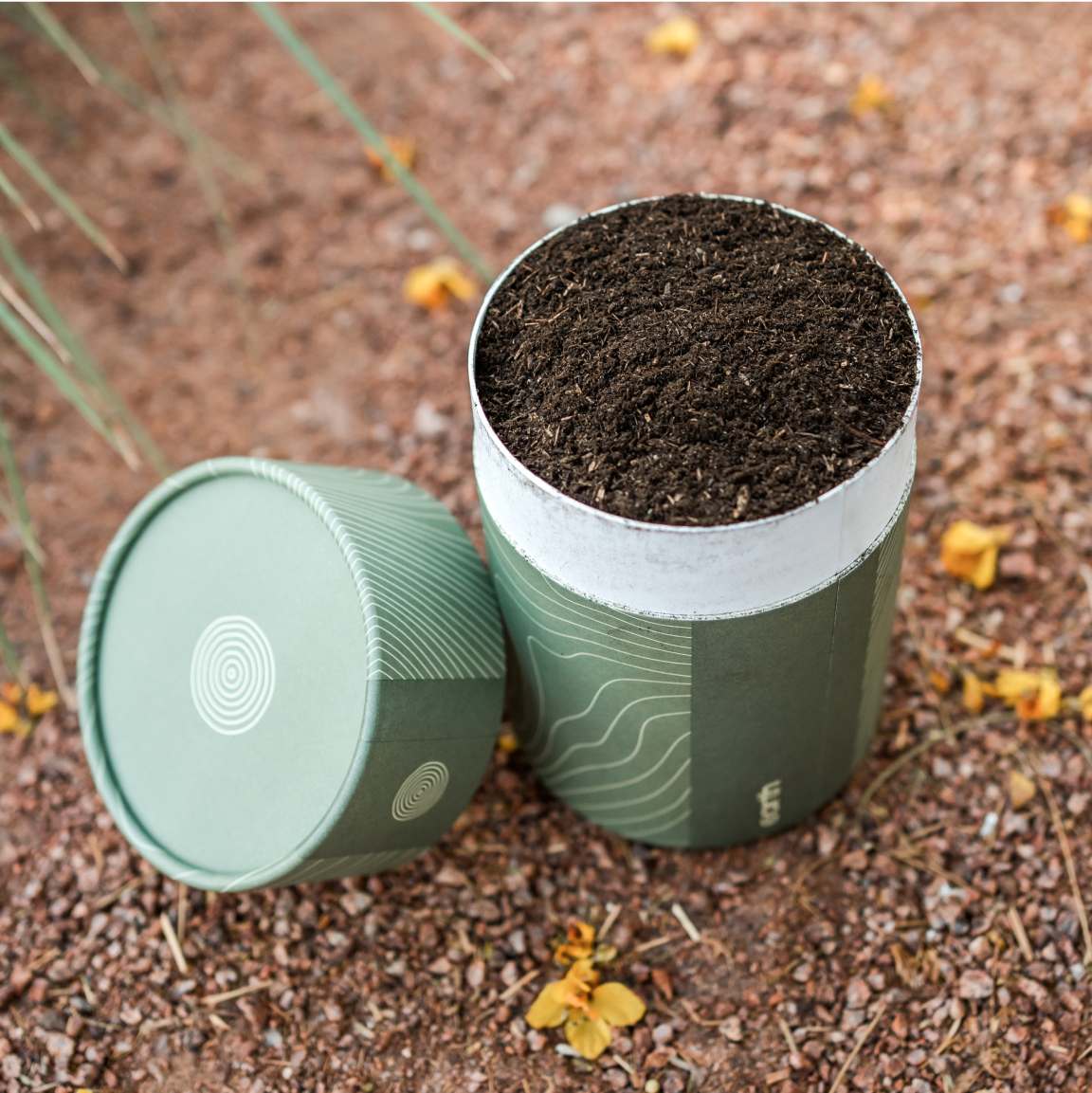
After 30–45 days, once all nonorganic materials are removed, the result is about one cubic yard of nutrient-rich soil, roughly 300 pounds.
It looks and feels like high-quality compost: dark, earthy, and ready to support new life. Many families describe it as “beautiful, soft, and alive.”
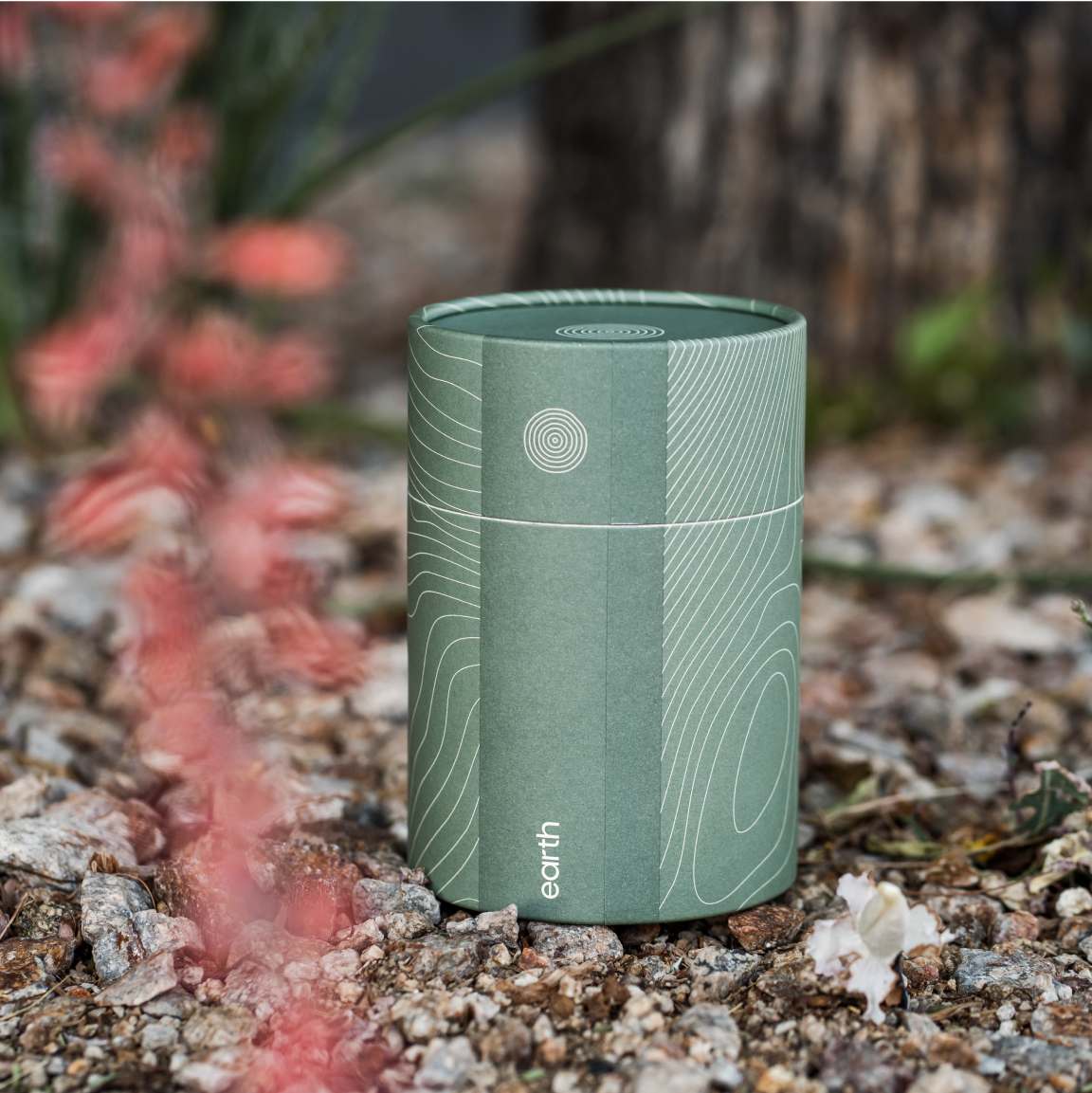
Each family typically receives five 32 fl oz biodegradable containers of soil.
You can:
For more ideas, read our How to Use Your Soil Guide.
.webp)
Earth Funeral is America’s largest provider of soil transformation. Our process uses the principles of nature to turn a body into soil safely and gently.
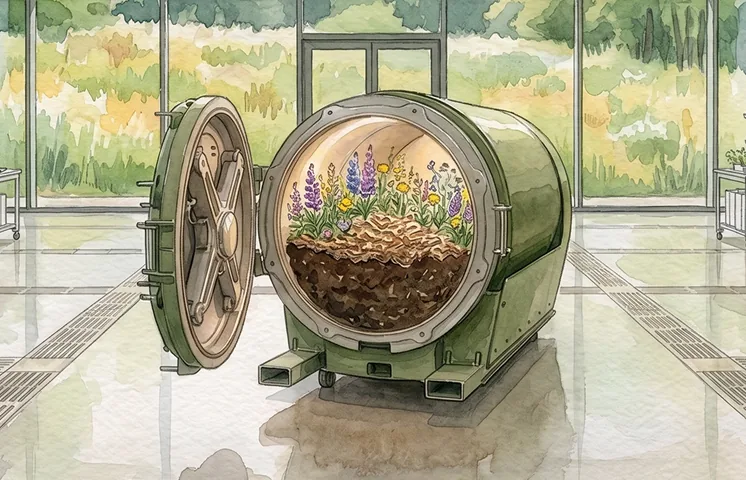
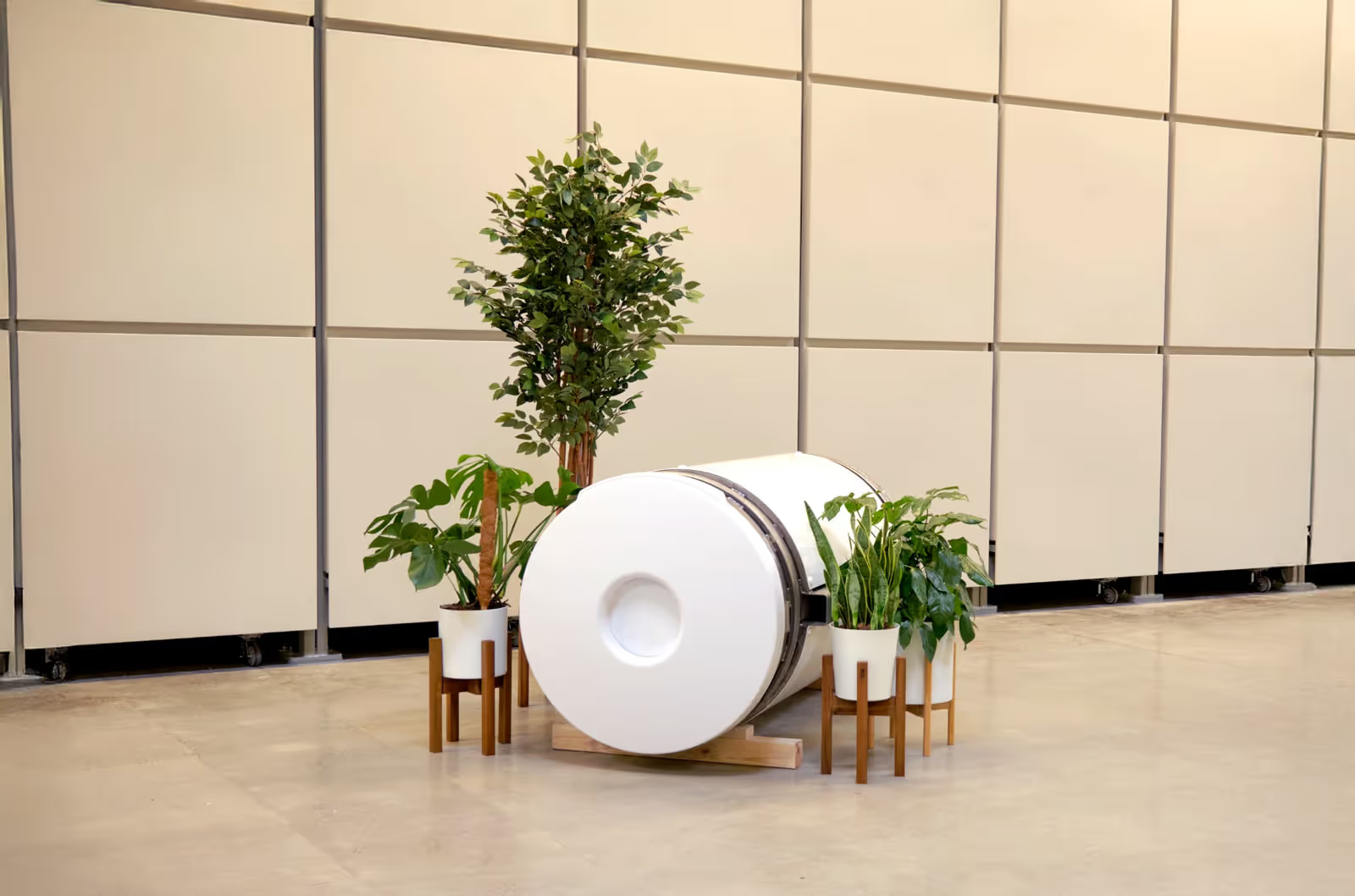
Through our proprietary vessel technology, we balance carbon, nitrogen, oxygen, and water while maintaining optimal heat and moisture levels. These conditions activate naturally occurring microbes that break down the body on a molecular level.
The result is living soil that supports ecosystems, restores landscapes, and continues the cycle of renewal.
Healthy soil filters water, nourishes plants, sequesters carbon, and helps regulate global temperatures. It is one of nature’s most powerful agents of healing.
At Earth Funeral, we believe that transparency builds trust. Questions like “What happens to the bones?” or “What happens to pacemakers?” are not just scientific; they are deeply human.
By understanding how the process works, families can feel confident that every step is carried out with integrity, compassion, and care.
We invite you to learn more:
Company News
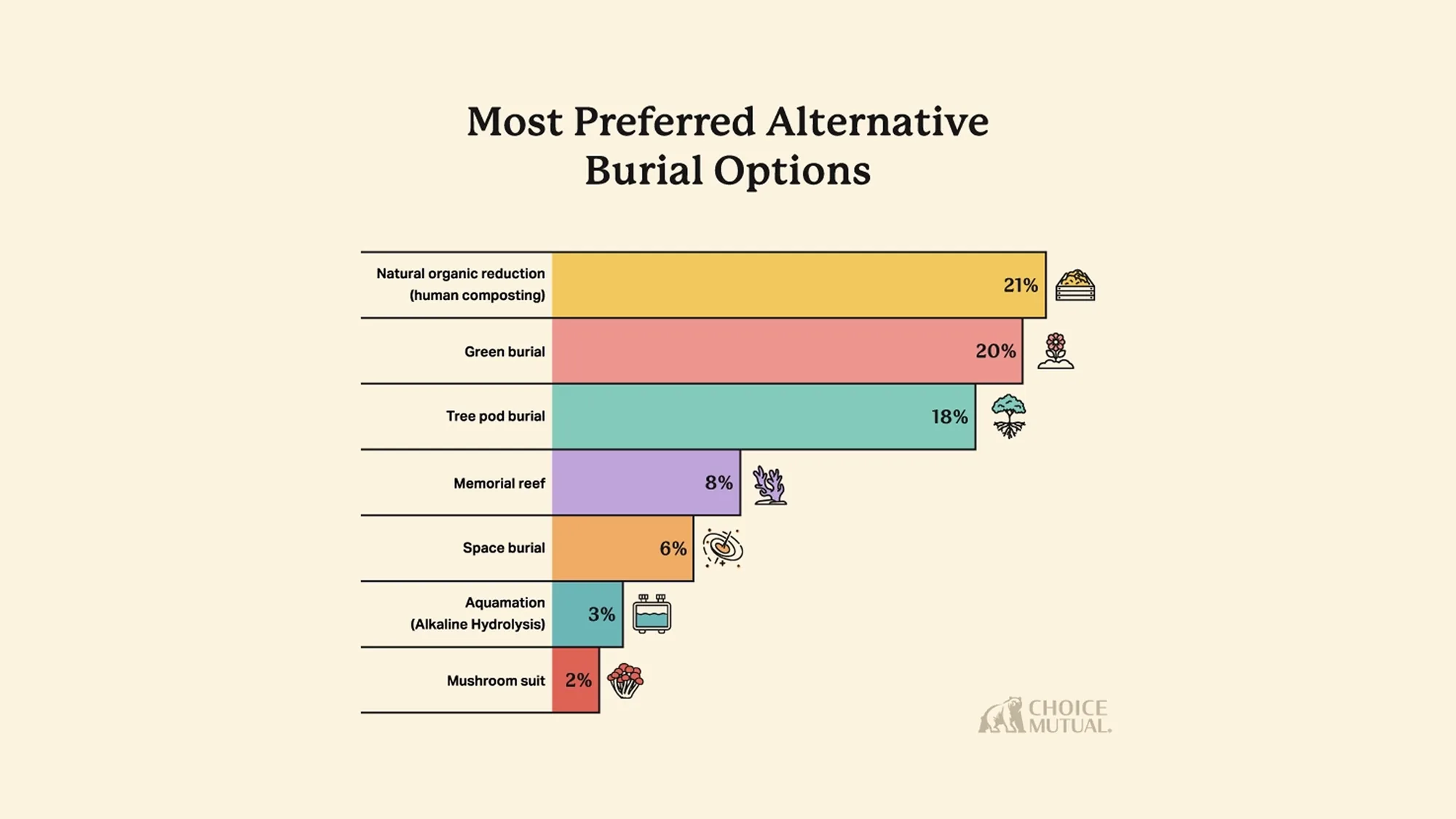
A new national survey confirms what thousands of families have already shown us, and the numbers tell a remarkable story.
6/5/2026
4 min read

Human Composting 101
Human composting is the gentle, natural process of turning a person into soil. This green burial option takes place in a controlled environment and allows individuals to return to nature upon death, and become part of a regenerating and natural ecosystem. It is an eco-friendly alternative to burial and cremation.
6/3/2026
9 min read