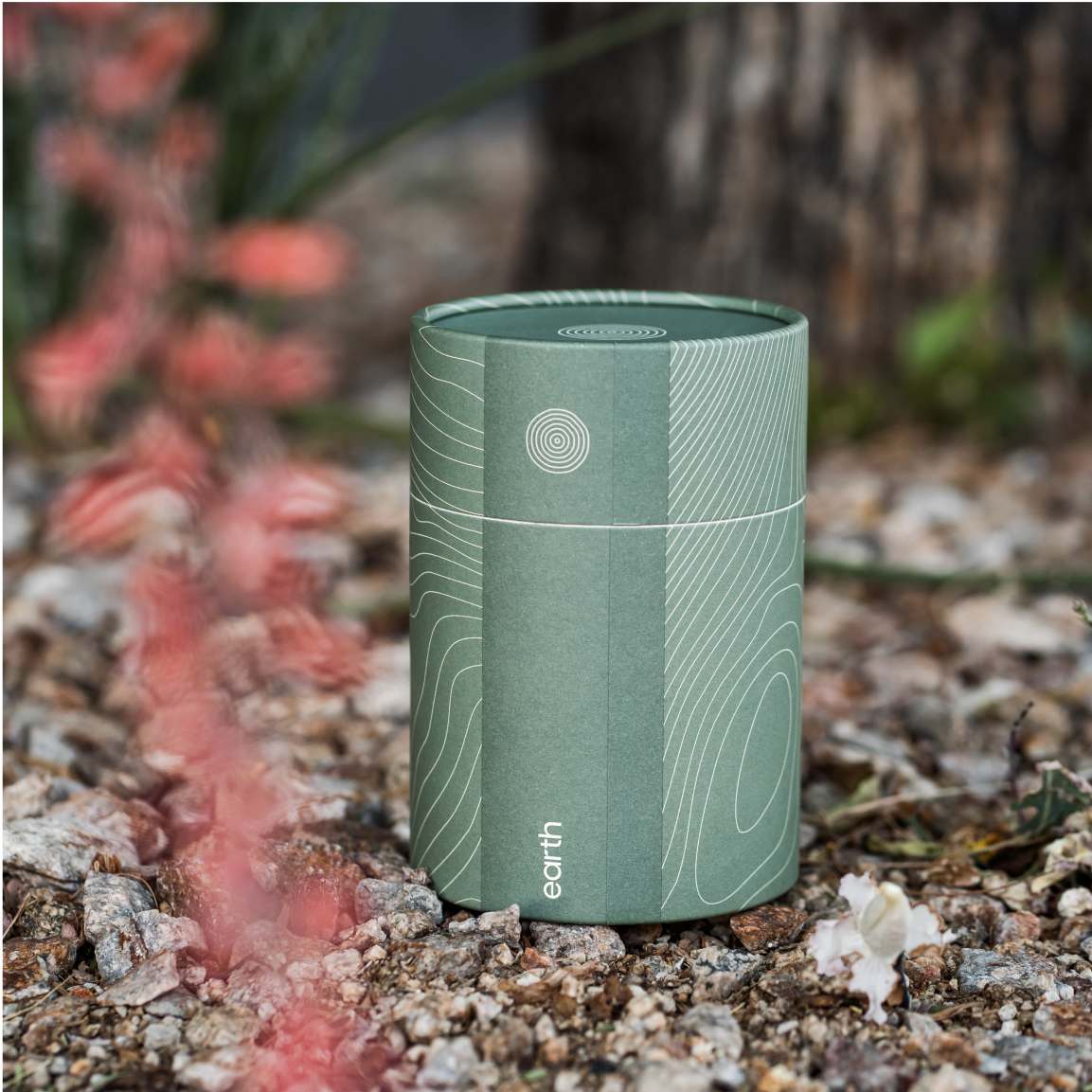
Human Composting in North Carolina: Now Available from Earth Funeral


Human Composting 101
|
June 4, 2026
Earth Funeral's soil transformation services are available to North Carolina families facing an immediate need or imminent loss.
This gentle, natural, and environmentally conscious method is an alternative to traditional burial and cremation, and for North Carolina families, our team is ready to help today.
Human composting, also known as soil transformation, natural organic reduction (NOR), or terramation, is a process that gently transforms a body into nutrient-rich soil over 30 to 45 days.
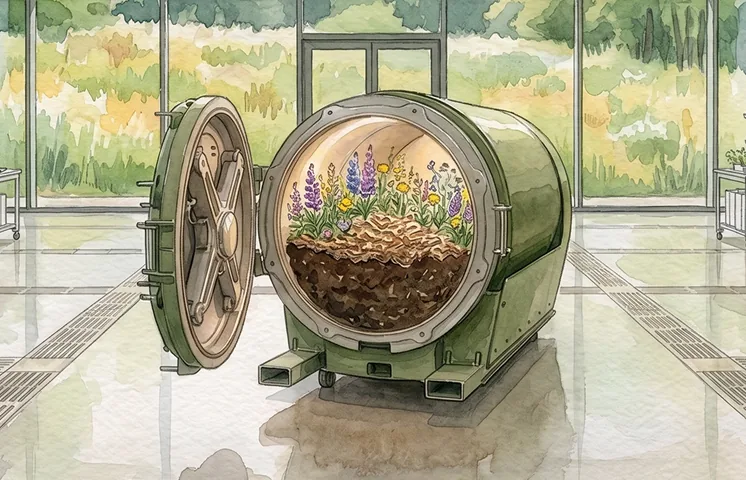
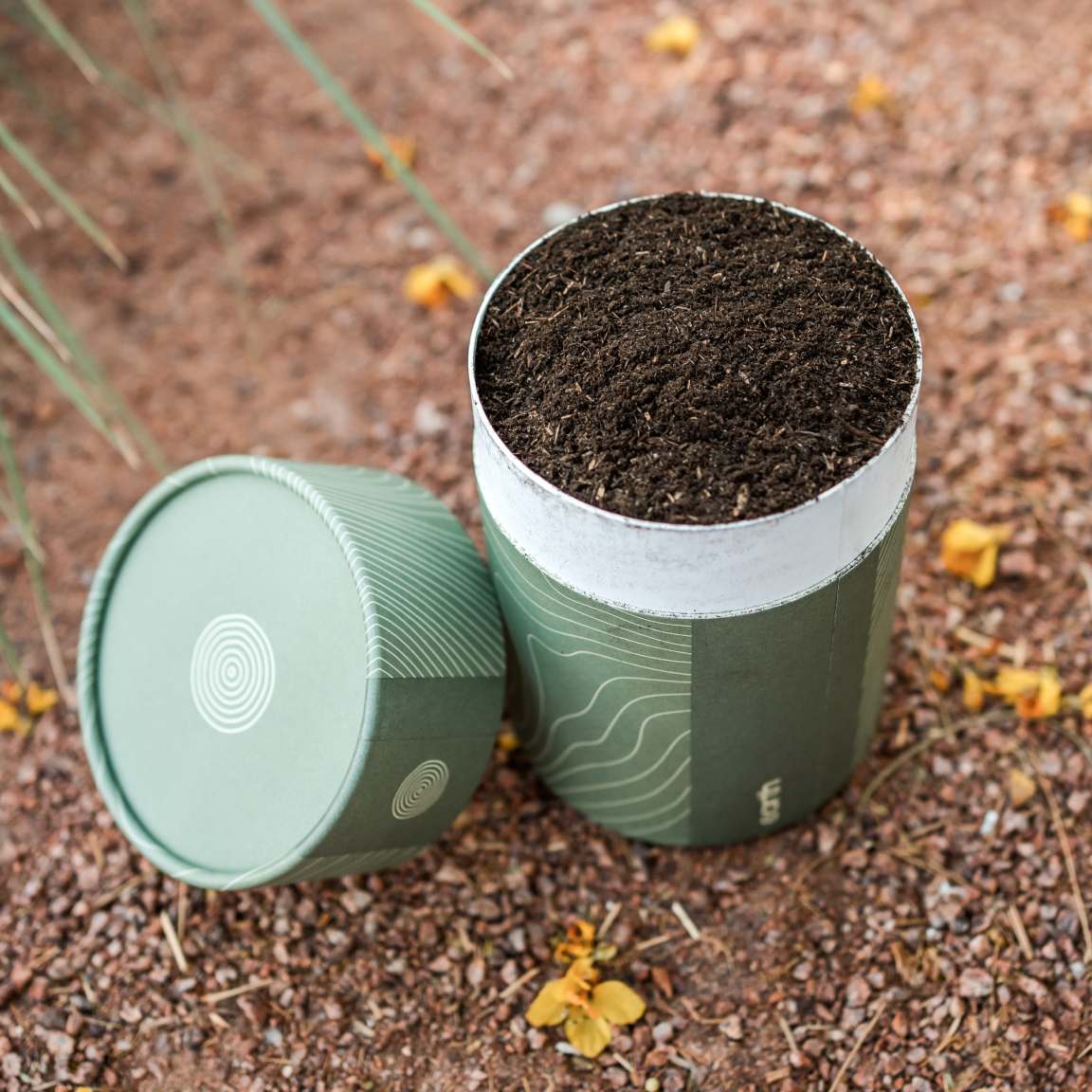
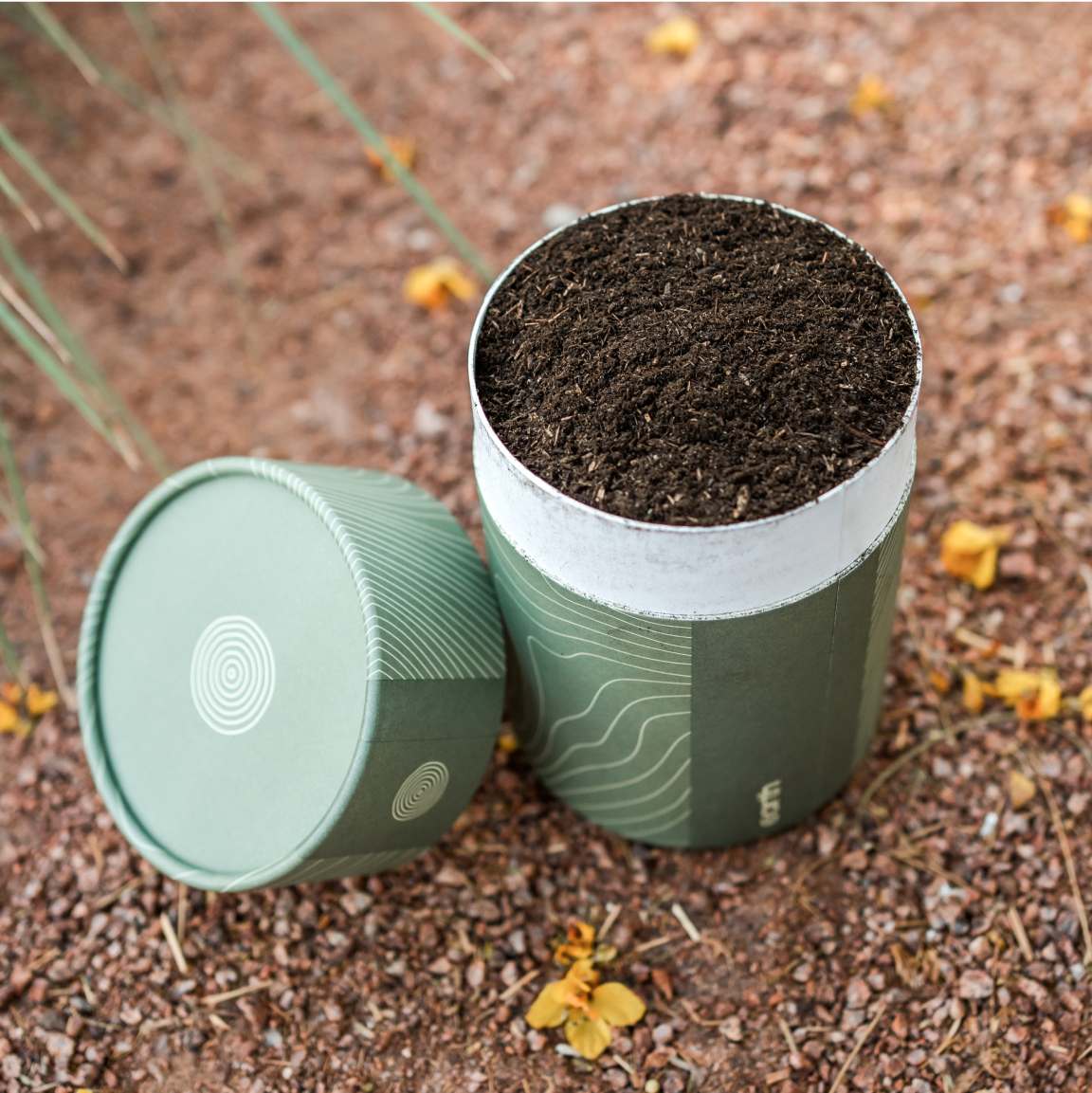
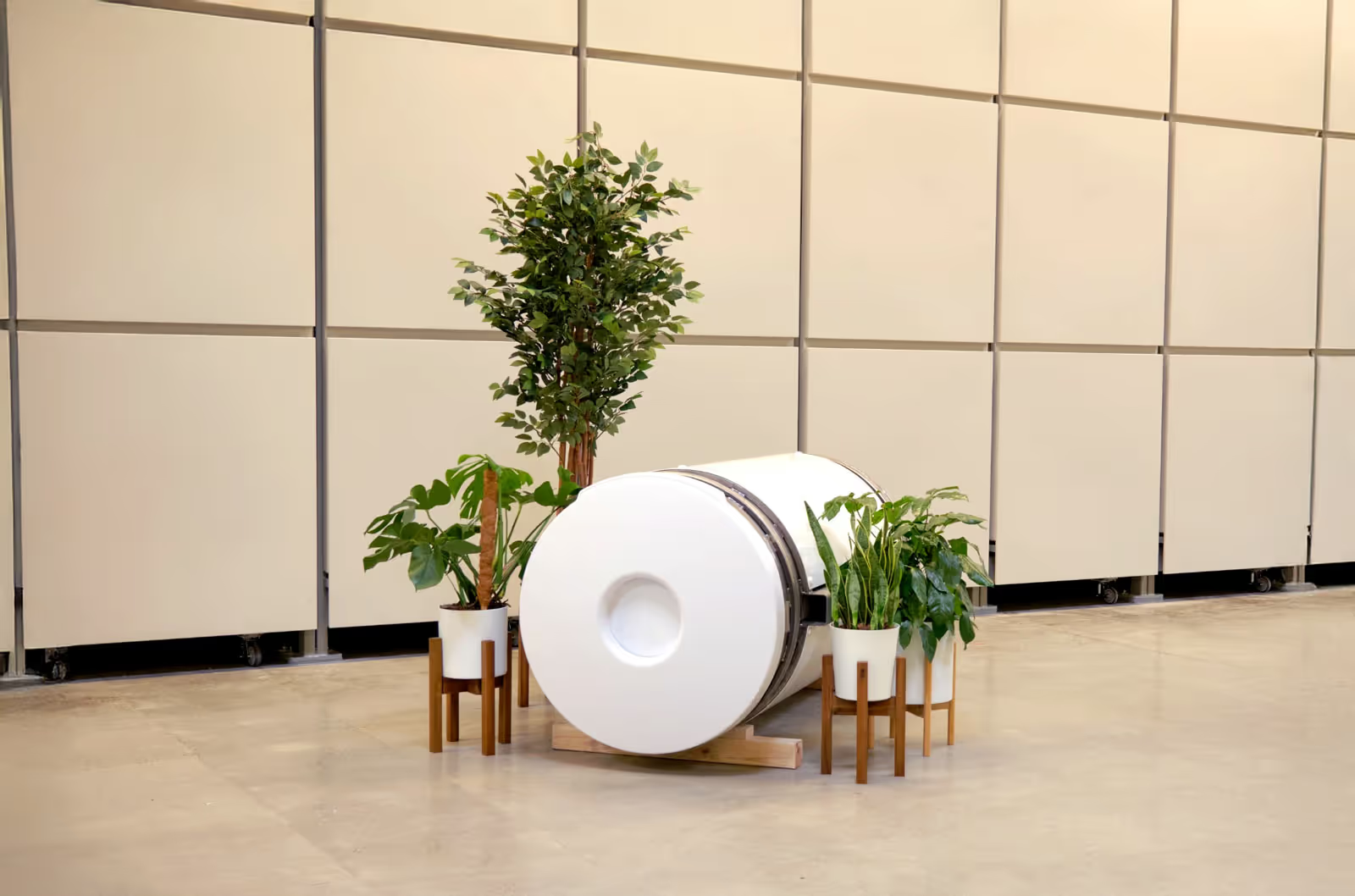
Rather than burial or cremation, the body is placed in a purpose-built individual vessel alongside organic materials like wood chips and mulch. Naturally occurring microbes do what nature has always done: they break down organic matter and return it to the earth. The result is approximately 250 pounds of clean, nutrient-rich soil that families can use to plant a tree, nurture a memorial garden, or donate to conservation projects that restore ecosystems across the country.
.webp)
Human composting is not yet legal in North Carolina, but North Carolina families facing an immediate need or imminent loss can access soil transformation services through Earth Funeral today.
Legality governs where a facility can operate, not who can use one. Traveling across state lines for end-of-life services is a long-standing and common practice, and Earth Funeral's team manages every step, transportation, documentation, the transformation itself, and the return of soil to the family, so families never have to navigate logistics alone.
Momentum for natural organic reduction is growing across the country, and North Carolina families don't have to wait for legislation to make this choice. Follow the latest updates on where human composting is legal across the US.
Yes, for families facing an immediate need or imminent loss. Earth Funeral is available to North Carolina families in two situations:
An immediate need is when a death has already occurred and the family needs to make arrangements now.
An imminent loss is when a loved one is expected to pass within the coming months and the family wants to plan ahead for that moment.
This includes everything you need as a North Carolina family, with the soil transformation taking place at our East Coast facility in the days following the passing.
{{CTA-webinar-1}}
When a North Carolina family chooses Earth Funeral, here is what happens:
Care and transport. Our Care Team coordinates collection from the place of passing and transportation to one of our state-of-the-art facilities, powered by renewable energy. Earth Funeral handles all transportation, paperwork, and permits so the family doesn't coordinate logistics.
The transformation. The body is placed in a proprietary stainless steel vessel, continuously monitored for temperature, moisture, and airflow. Over 30 to 45 days, the body is gently transformed into soil. Families receive updates at each stage through the Earth Family Portal.
Return of soil. Approximately 250 pounds of nutrient-rich soil is returned to the family. They then choose what to do with it, plant it, spread it somewhere meaningful, share it, or donate the remainder to land conservation.
Create an instant quote to see exactly what's included for North Carolina families.
Yes, soil transformation is significantly more environmentally sustainable than traditional burial or cremation. Soil transformation produces no net CO₂, versus the 535 pounds emitted by the average cremation. It requires no land, uses no toxic chemicals, and runs on renewable energy. The soil it creates can nourish trees that capture carbon for decades.
For North Carolina families who have spent their lives caring about the land, the ancient ridges of Great Smoky Mountains National Park, the forests of Nantahala and Pisgah, the windswept dunes of Cape Hatteras National Seashore, soil transformation is an end-of-life choice that gives back rather than takes away.
Our process:
You can learn detailed comparisons and environmental data in our comprehensive Environmental Impact of Funeral Choices research report.
Not yet. Earth Funeral is currently available to North Carolina families facing an immediate need or imminent loss. Pre-planning options for North Carolina residents are not available at this time.
We are working to bring pre-planning to North Carolina. Check back for updates or contact our Care Team to be notified when it becomes available.
Every family's answer is different. North Carolina families have used their soil to plant memorial gardens, nurture trees in a loved one's favorite outdoor spot, and share portions among family members across generations. Some keep a small amount crafted into memorial jewelry. Others spread it along a favorite hiking trail or in a cherished backyard. When using soil on public or private land, we recommend verifying and following all local laws and regulations, as these vary by location.
Families can:
Any soil the family chooses not to keep is donated to conservation projects, growing trees, restoring habitats, and nurturing native plants across the country.
There is no single right answer. Our How to Use Your Soil guide shares real stories from families who have found what felt most meaningful to them.
{{CTA-16-question}}
Earth Funeral is currently available to families in the following North Carolina counties:
Alexander, Alleghany, Anson, Ashe, Avery, Beaufort, Bertie, Bladen, Brunswick, Buncombe, Burke, Cabarrus, Caldwell, Camden, Carteret, Catawba, Chatham, Chowan, Cleveland, Columbus, Craven, Cumberland, Currituck, Dare, Davidson, Davie, Duplin, Edgecombe, Forsyth, Franklin, Gaston, Gates, Greene, Halifax, Harnett, Haywood, Henderson, Hertford, Hoke, Hyde, Iredell, Jackson, Johnston, Jones, Lee, Lenoir, Lincoln, McDowell, Macon, Madison, Martin, Mecklenburg, Mitchell, Montgomery, Moore, Nash, New Hanover, Northampton, Onslow, Pamlico, Pasquotank, Pender, Perquimans, Pitt, Polk, Randolph, Richmond, Robeson, Rowan, Rutherford, Sampson, Scotland, Stanly, Surry, Transylvania, Tyrrell, Union, Vance, Wake, Warren, Washington, Watauga, Wayne, Wilkes, Wilson, Yadkin, and Yancey.
Create a quote here to see what's available where you live.
Ready to explore soil transformation for your North Carolina family?
Soil Transformation
On a recent episode of 50+ & Unfiltered, Stewart casually shared that she plans to skip burial and cremation entirely: “Oh, I’m going to be composted. These coffin things and all that stuff? No way.”
12/8/2025
3 min read
Green Funeral Practice
As families consider human composting as an alternative to cremation and burial, questions naturally arise about what happens to bones, dental work, and medical implants during the process.
6/3/2026
4 min read

Human Composting 101
Both cremation and human composting are more affordable alternatives to traditional burial and result in remains that can be scattered or kept for different types of memorialization. But these two methods differ significantly in their process and impact on the environment. Find out how they compare.
6/3/2026
4 min read