Natural Organic Reduction: Alternative To Burial And Cremation


Green Funeral Practice
|
June 3, 2026
Updated: August 4th, 2026
Natural organic reduction is a green alternative to traditional burial and cremation that gently transforms the body into nutrient-rich soil over about 45 days, offering a more environmentally friendly return to nature. For individuals and families seeking a sustainable end-of-life choice—including nature lovers and conservation-minded planners—it offers a practical alternative as concerns grow about the impact of conventional funeral practices. From the excess CO2 emissions from cremation to the soil pollution caused by traditional burials, current burial and cremation methods are increasingly unsustainable.
This article explains what natural organic reduction is, how the process works, its environmental benefits, how it compares with burial and cremation, and why many people now see it as a preferred green funeral option.
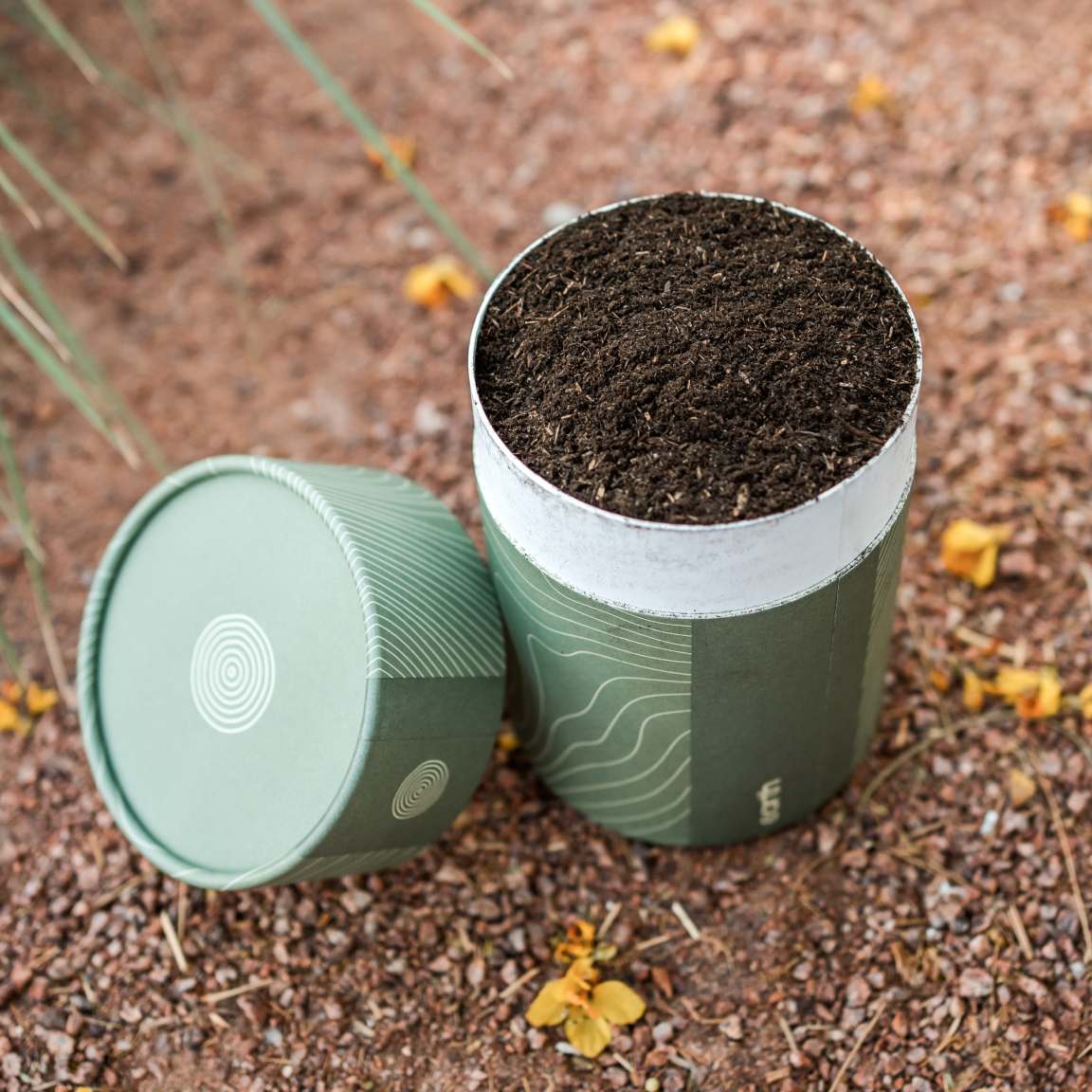
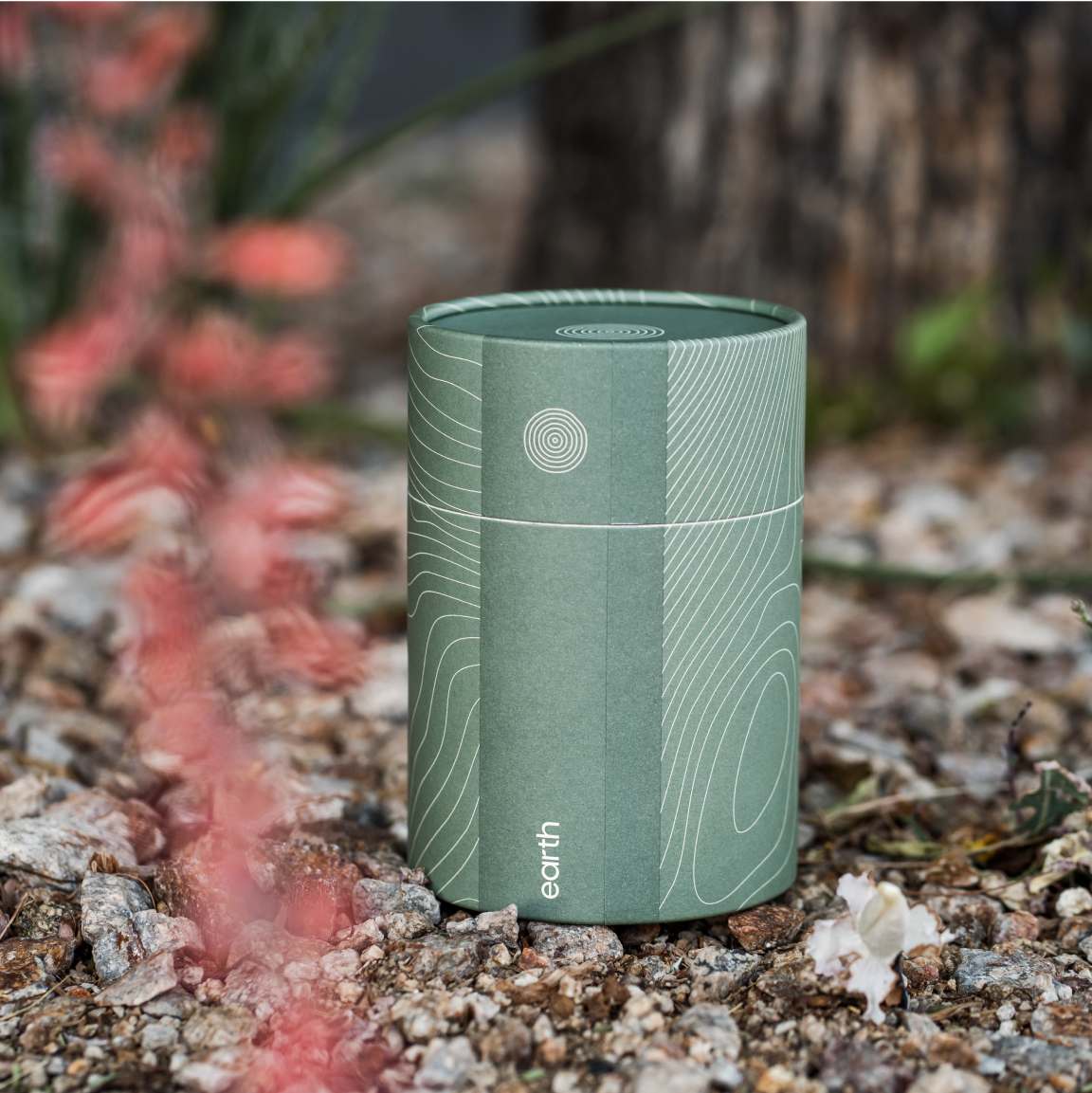
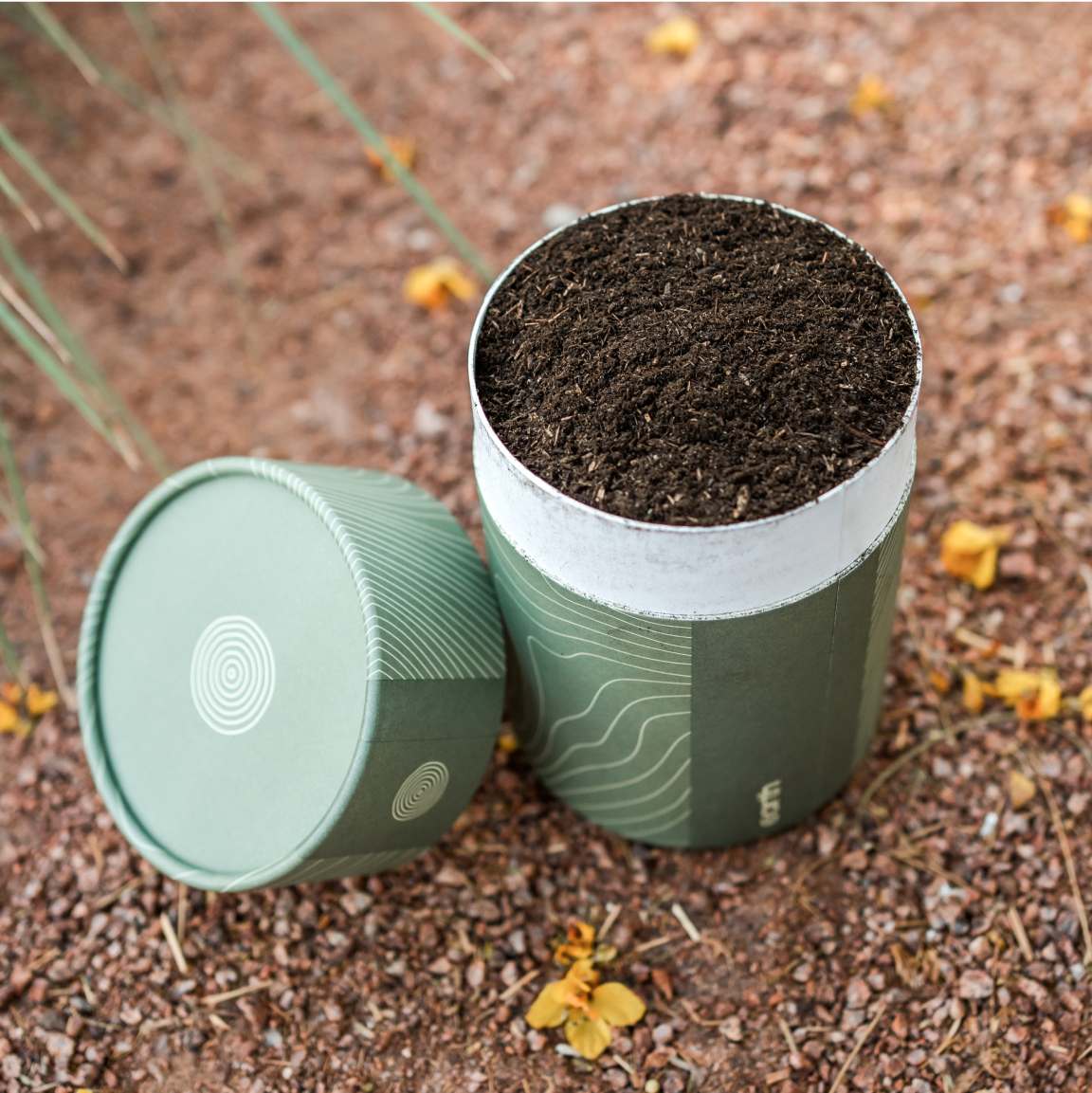
Natural organic reduction is a process that gently transforms the human body into nutrient-rich soil. Some of the soil produced is returned to the family in a meaningful way to support plant growth, including planting trees, with some donated to conservation projects.
The soil becomes a means to return nutrients from our bodies to the natural world. In turn, it can be used to restore forests, support conservation efforts, and revitalize challenged ecosystems.
Natural organic reduction is also often known as soil transformation or human composting. This legal practice is an environmentally friendly alternative and eco friendly alternative to traditional methods in end-of-life care and final disposition, including options often arranged through funeral homes or another service provider; it is legal in many states, including Washington and California, and Washington was the first to legalize it in 2019. As of 2026, natural organic reduction is legal in fourteen states and available to residents of 24 other states.
Natural organic reduction's accelerated natural process is possible through the optimization of conditions for natural microbes and beneficial bacteria. The process typically takes place over several weeks, or about 30 to 45 days after death. The composting process generates heat above 131°F to remove pathogens. This accelerated conversion uses microbial activity to transform human remains and break down organic tissues without releasing toxic byproducts. The end result is a cubic yard of healthy, nutrient-rich soil.
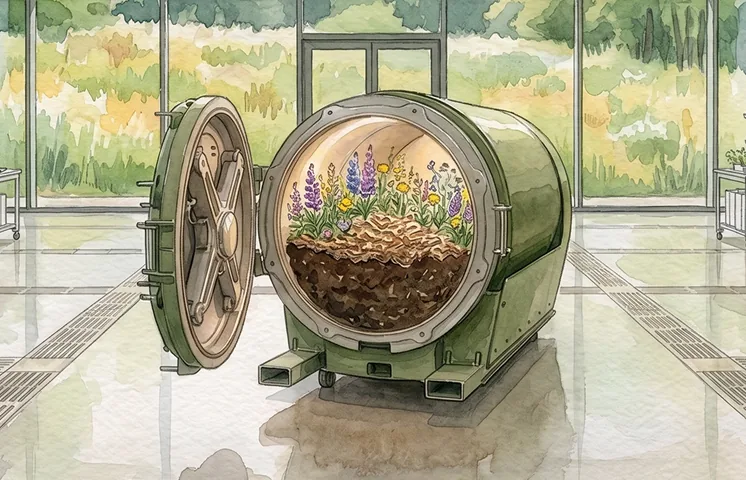
During the natural organic reduction process, the body is placed in a vessel that is purpose-built. This equipment recreates and optimizes conditions that are found in the natural world.
The vessel carefully balances oxygen, carbon, nitrogen, and water, as well as maintains optimal temperature and moisture. Naturally occurring microbes and beneficial bacteria then transform the body. Wildflowers, wood chips, mulch, and other natural materials help balance carbon and nitrogen during the human composting process. This controlled composting of human remains takes place in a purpose-built facility with the help of licensed funeral directors and other end-of-life professionals.

Natural organic reduction is carried out in facilities purpose-designed for this specific service. Earth provides its service from state-of-the-art facilities, which form a serene and tranquil environment for soil transformation.
Natural organic reduction has lower carbon emissions and a smaller carbon footprint than traditional methods, and the healthy soil output can be used for conservation purposes. It also uses less energy than cremation and can prevent about one metric ton of carbon dioxide emissions. It is therefore an environmentally friendly alternative, avoiding environmental harm and having an actively positive effect. Unlike burial, it avoids toxic embalming chemicals.
The process returns the body to the natural world in the form of healthy soil. Soil is important for a healthy ecosystem: healthy soil filters water, provides nutrients to wildlife, and helps regulate global temperatures. This is one reason many people seeking sustainable alternatives to traditional cremation are drawn to this approach within modern end-of-life care.
{{CTA-webinar-1}}
In both natural organic reduction and traditional burial, the body is returned to the ground post-mortem. The two processes share little else in common, with natural organic reduction a far friendlier practice for the environment. It is also generally less expensive than traditional burial.
Traditional burials are resource-intensive and contribute to the consumption of urban land at an unsustainable rate. Traditional burial costs average around $8,000.
Natural organic reduction can have a significant positive impact on soil health. In contrast, traditional methods can pollute the soil. Vast quantities of metals, woods and concrete are buried in the earth in the form of caskets. In the US alone, more than four million gallons of embalming fluid are buried each year. Pricing for human composting varies by location and service provider.
Natural organic reduction and flame cremation have more in common conceptually, with both processes transforming the body into different end results. While cremation involves incineration of a body into ash, natural organic reduction transforms a body into healthy soil.
From an environmental perspective, natural organic reduction is again the better option. Cremation relies on fossil fuels and therefore emits high levels of carbon dioxide. Cremation typically costs $4,000 to $7,000. A single cremation produces approximately 535 lbs of CO2. To put this into perspective, this is the amount produced by a 609-mile car journey.
Natural organic reduction is the choice for nature lovers, conservationists, and anybody that wishes to protect the planet for future generations.
Learn more about Earth’s soil transformation services on our website. You can also get a quote for immediate or future needs.
{{CTA-4}}
Company News
A new national survey confirms what thousands of families have already shown us, and the numbers tell a remarkable story.
6/5/2026
4 min read

Human Composting 101
Human composting is the gentle, natural process of turning a person into soil. This green burial option takes place in a controlled environment and allows individuals to return to nature upon death, and become part of a regenerating and natural ecosystem. It is an eco-friendly alternative to burial and cremation.
6/3/2026
9 min read

Human Composting 101
Learn how organ donation and human composting can work together. Explore the process, benefits, and how to ensure your end-of-life wishes include both sustainable choices.
6/3/2026
2 min read

Green Funeral Practice
The table on this page is kept up to date to reflect the legal status of human composting in each state in the US. It can be considered an accurate snapshot of the legislative landscape at any given time.
6/17/2026
3 min read