A Guide to Alternative Funeral Options


Green Funeral Practice
|
August 13, 2026
Not long ago, most families chose between two options: burial or cremation. That is no longer the full picture. Today, choices have expanded considerably, from eco-friendly alternatives to deeply personalized memorials. More Americans are looking for options that reflect their personal values, not just what is most familiar.
This guide covers the main options currently available, including traditional burial, cremation, and green alternatives such as soil transformation and aquamation.

When most people picture a funeral, they are picturing a traditional one. It is the arrangement that has guided Americans through loss for decades, and it remains the most accessible option in the funeral industry.
A traditional funeral typically follows a familiar sequence. The body is prepared and embalmed, a viewing or visitation is held for family and friends, a formal service takes place at a funeral home or place of worship, and a procession to the cemetery follows for burial. Each step has its own set of decisions, from the casket and flowers to the music and readings, and funeral directors are generally experienced at guiding families through the process.
Embalming, which involves the use of formaldehyde-based chemicals to preserve the body for viewing, is standard practice in traditional funerals though not legally required in most states. The casket, typically made of wood or metal, is placed inside a concrete vault that most cemeteries require to prevent the ground from settling over time.
The environmental footprint of a traditional funeral is considerable, leaving a lasting mark in ways that are easy to overlook:
Cost is often what surprises most. A traditional full service funeral can range from $4,800 on the lower end to upwards of $22,000 depending on location, casket choice, and cemetery fees, with the median falling around $9,000. The FTC Funeral Rule requires funeral homes to provide itemized pricing so families can compare charges more clearly. For many families, that figure alone becomes the deciding factor in whether a traditional funeral is the right path.
{{CTA-6-question}}
Despite the cost, conventional burial remains deeply familiar and widely considered. A 2025 survey by Wake Forest Law found that:
Traditional burial tends to resonate most deeply with individuals whose faith traditions guide their approach to death and mourning. Catholic, Protestant, and Jewish communities have historically favored burial, and for many the permanence of a grave marker, a physical place to return to and grieve, remains something no other option fully replaces.
While this choice remains meaningful for many, a growing number are choosing differently.
Traditional flame cremation, also known as fire cremation and flame-based cremation, has become the most common disposition choice in the United States, now accounting for more than 60% of arrangements. Its rise is largely driven by cost and flexibility, despite its reliance on fossil fuels, offering a more affordable alternative to conventional burial with fewer logistical constraints. Yet, research suggests that only about a third of Americans rank it as their first choice, a gap that suggests the decision is often shaped as much by practicality as by preference.
Regardless of the reason for choosing cremation services, the process itself is straightforward. The body is placed in a chamber using high heat, reaching up to 1,800 degrees Fahrenheit, and reduced to bone fragments over 2 to 3 hours. The human remains are then processed into a sand-like powder commonly referred to as cremation ashes and returned to the family. The whole process typically takes a few days to two weeks; however, it can vary considerably, depending on what a family needs.
The simplest and most affordable form of flame-based cremation is direct cremation, which provides the essentials. No embalming, no formal service at the funeral home, and no viewing. The body is cremated shortly after death, and the ashes are returned to the family. At a median cost of around $2,300, direct cremation is considerably more affordable than both full service cremation at $6,300 and traditional burial around $8,600, making it the most accessible option for families watching their budget, though other lower-cost disposition options may exist. In markets where it is available, alkaline hydrolysis is generally priced comparably to standard direct cremation.
Cremation does not have to mean forgoing a service. Many families choose to hold memorial services, a viewing, or a celebration of life either before or after the cremation. This approach honors the ritual and sense of community that a traditional service provides, without the higher cost.
For families weighing environmental impact, fire cremation tells a mixed story:
Despite those environmental considerations, flame-based cremation remains a deeply personal choice. Once the ashes are returned, the options for memorialization are wider than most people realize. Families keep them at home in an urn, scatter ashes in meaningful locations where permitted, place them in a columbarium niche, or incorporate a small portion into jewelry, glass art, or other keepsakes. There is no single right way to honor someone, and cremation leaves that decision entirely open.
Both traditional burial and cremation carry environmental costs, from fossil fuels to formaldehyde. That said, greener alternatives do exist and are becoming more widely available.
Green funeral is an umbrella term for end-of-life options that prioritize environmental responsibility across today’s funeral practices. It includes natural burial, soil transformation, water cremation, and other burial options, along with smaller choices that reduce the footprint of a more conventional service. Research found more than half of Americans, 56.4%, would consider green burial, yet as of May 2026, there are just over 500 green cemeteries across the United States and Canada, implying awareness and availability still have a long way to go.
Natural burial takes a simpler approach to laying someone to rest. It avoids embalming fluids, toxic embalming, burial vaults, and other toxic chemicals, using natural materials, sustainable materials, and other biodegradable materials instead. The body is placed in a biodegradable shroud or casket and buried directly in the ground, allowing natural decomposition to take its course. Many green and conservation cemeteries, including the modern green cemetery model that first appeared in the U.S. in 1998, function like nature preserves rather than traditional burial grounds, with graves marked by natural stones, native plants, wooden plaques, or GPS coordinates instead of upright monuments. Some are standalone sites, while others exist as dedicated sections within conventional cemeteries. The green burial council lists certified funeral providers, which can help families compare funeral homes and find green burial support.
The environmental difference between green and traditional burial is notable:
Direct burial costs typically range from $1,500 to $5,000. Green burial costs typically range from $2,000 to $5,000.
Environmentally-friendly choices are also possible within a conventional cemetery. A few intentional decisions can go a long way to reduce the footprint:
Biodegradable urns made from recycled paper, clay, or salt offer those who choose flame cremation a small but meaningful step toward a greener farewell. Among all the options covered here, soil transformation goes the furthest, and it is worth understanding in depth.
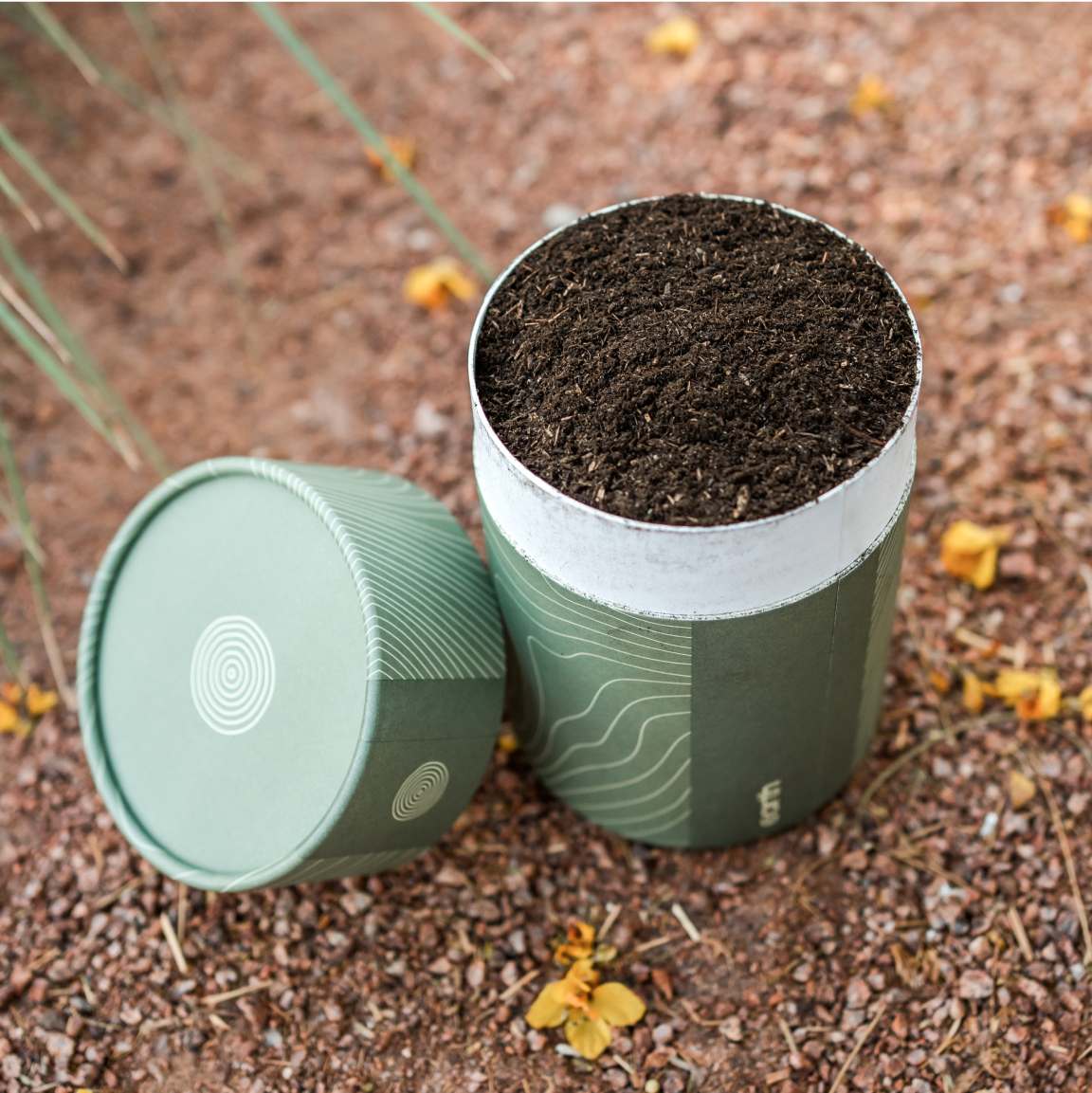
Soil transformation, also known as human composting, natural organic reduction, and terramation, is among the newest legal funeral options in the United States, but interest is outpacing its short history. Research found 40% of Americans would consider it, with Millennials standing out as the generation most likely to choose it for themselves, at 44%. For a process that became legal in 2019, that level of openness reflects something genuine about how Americans are thinking about their final choices. Understanding how it actually works helps explain why.
{{CTA-webinar-1}}
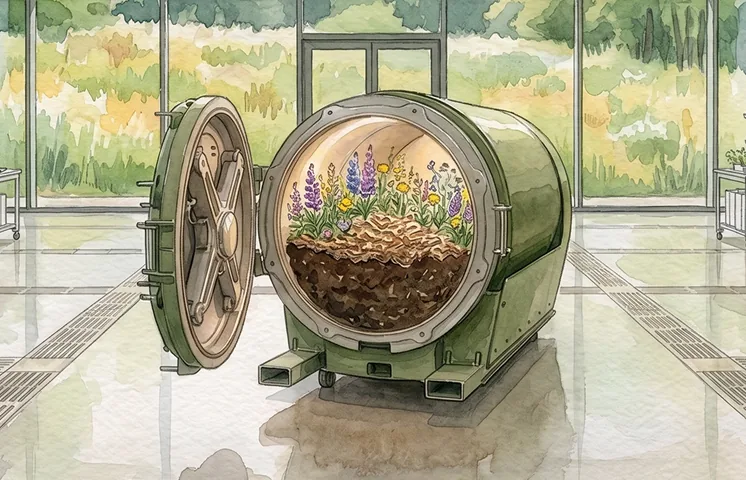
At its core, soil transformation works through natural decomposition, making it a gentler process than either fire cremation or burial, carried out in a controlled and carefully managed environment. The deceased body is placed in a vessel with natural materials such as wood chips and plant matter, and over the course of 45 days, natural airflow and microbial activity transform it into about a cubic yard of nutrient-rich soil.
From an environmental standpoint, natural organic reduction stands apart:
What makes it even more compelling is what happens to that soil. Unlike any other end-of-life option, what it leaves behind is nutrient-rich, living soil. When used for conservation or restoration, that soil actively removes carbon from the atmosphere, storing an estimated 600 to 800 pounds per person rather than releasing it, and supporting new ecosystem growth in the process.
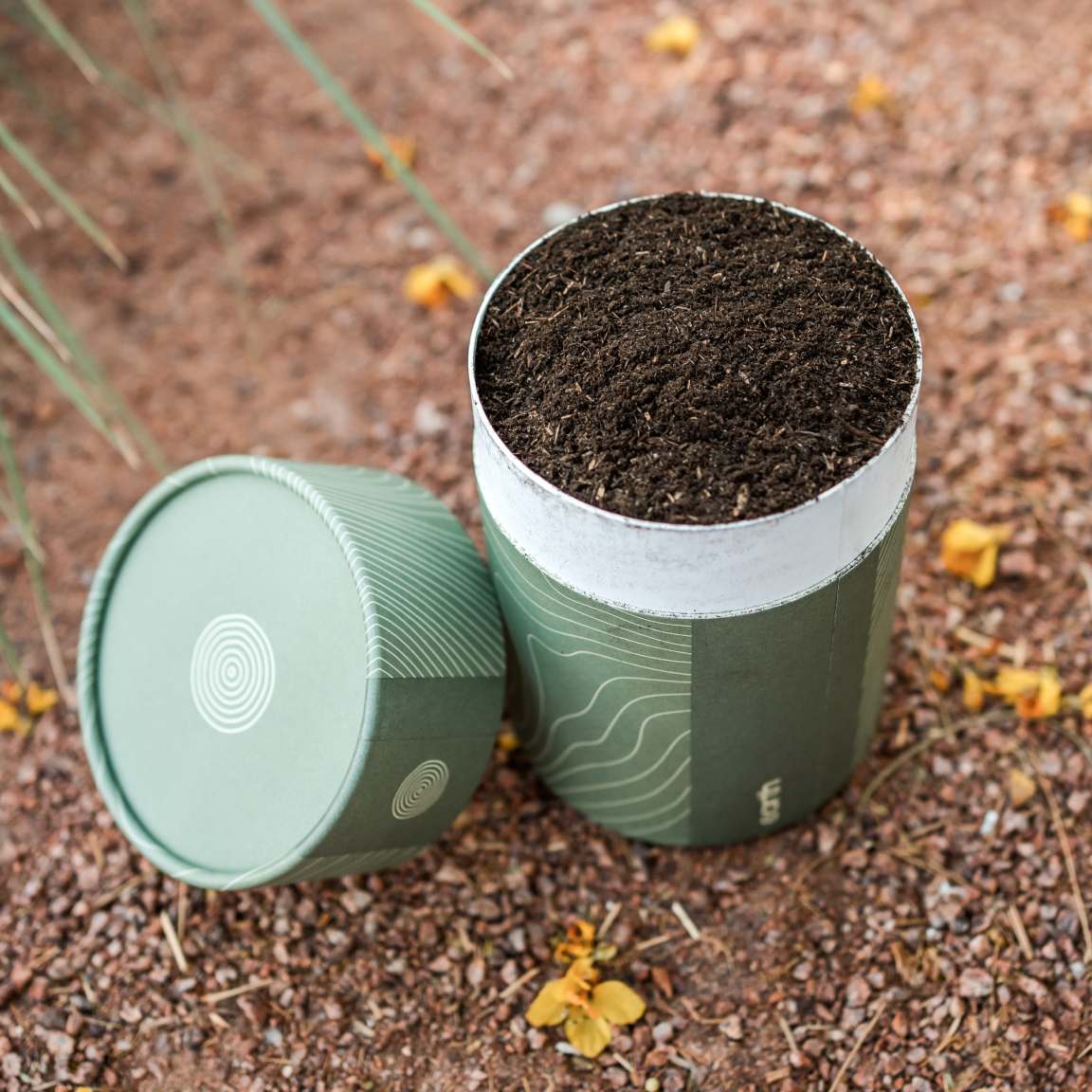
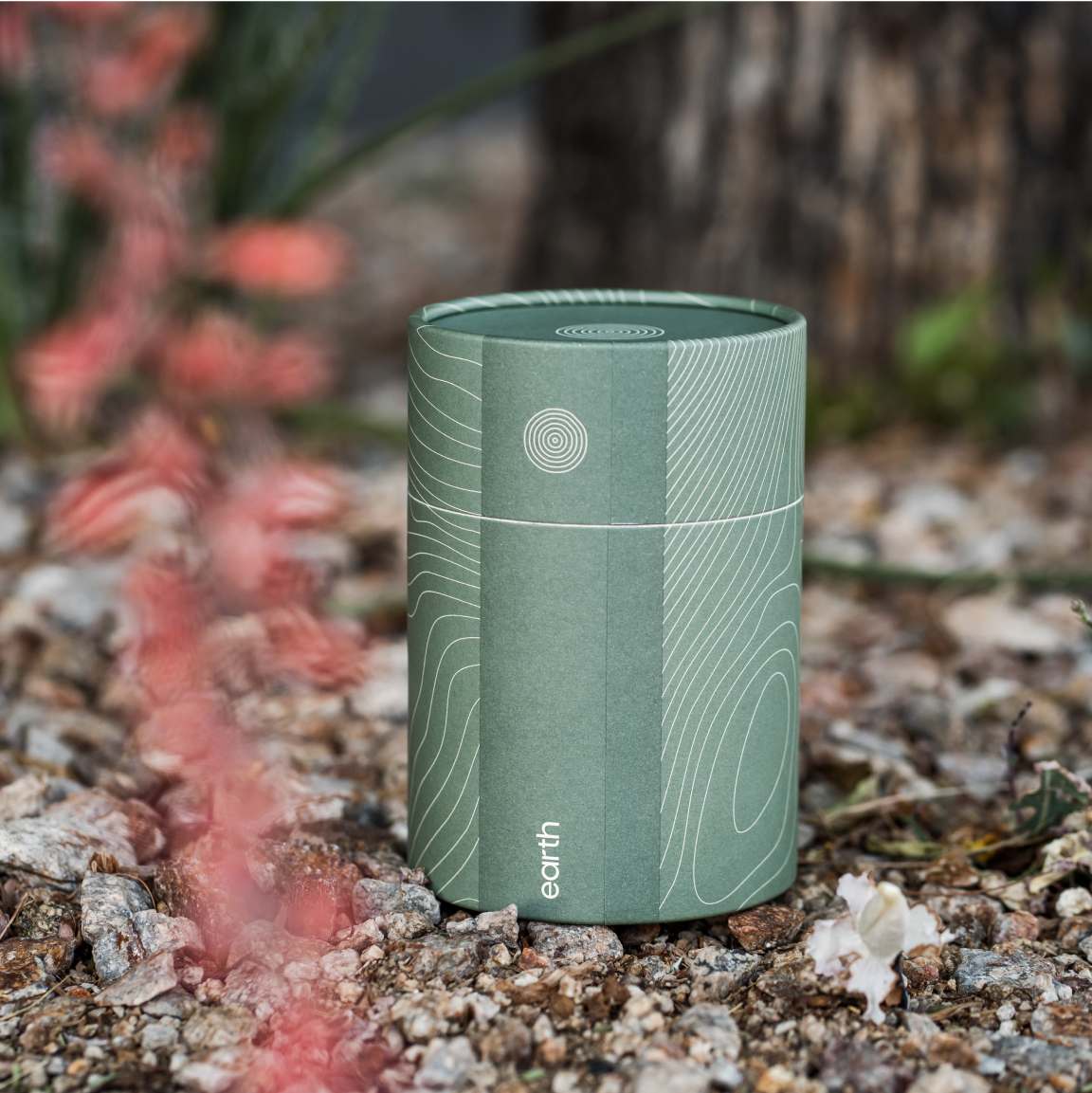
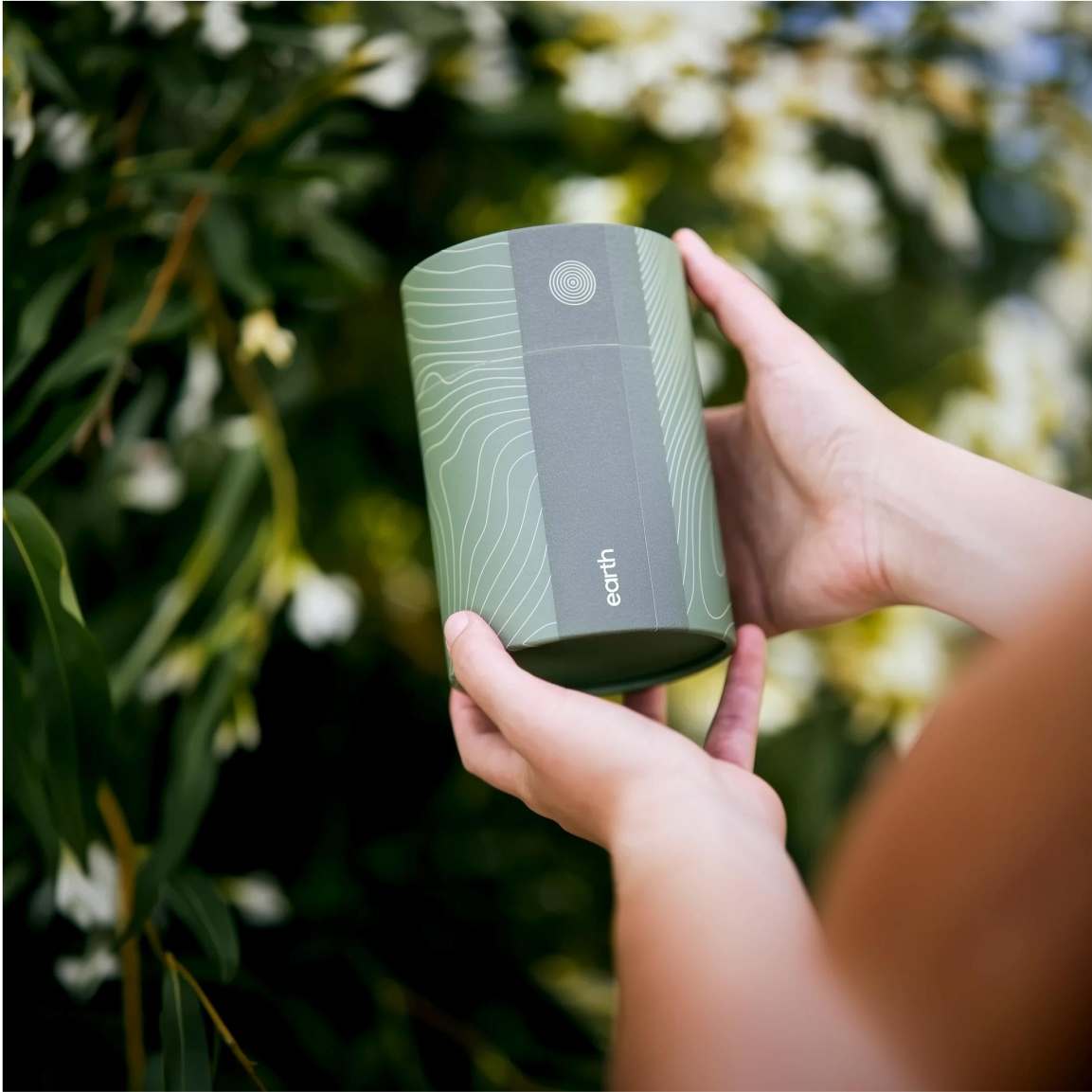
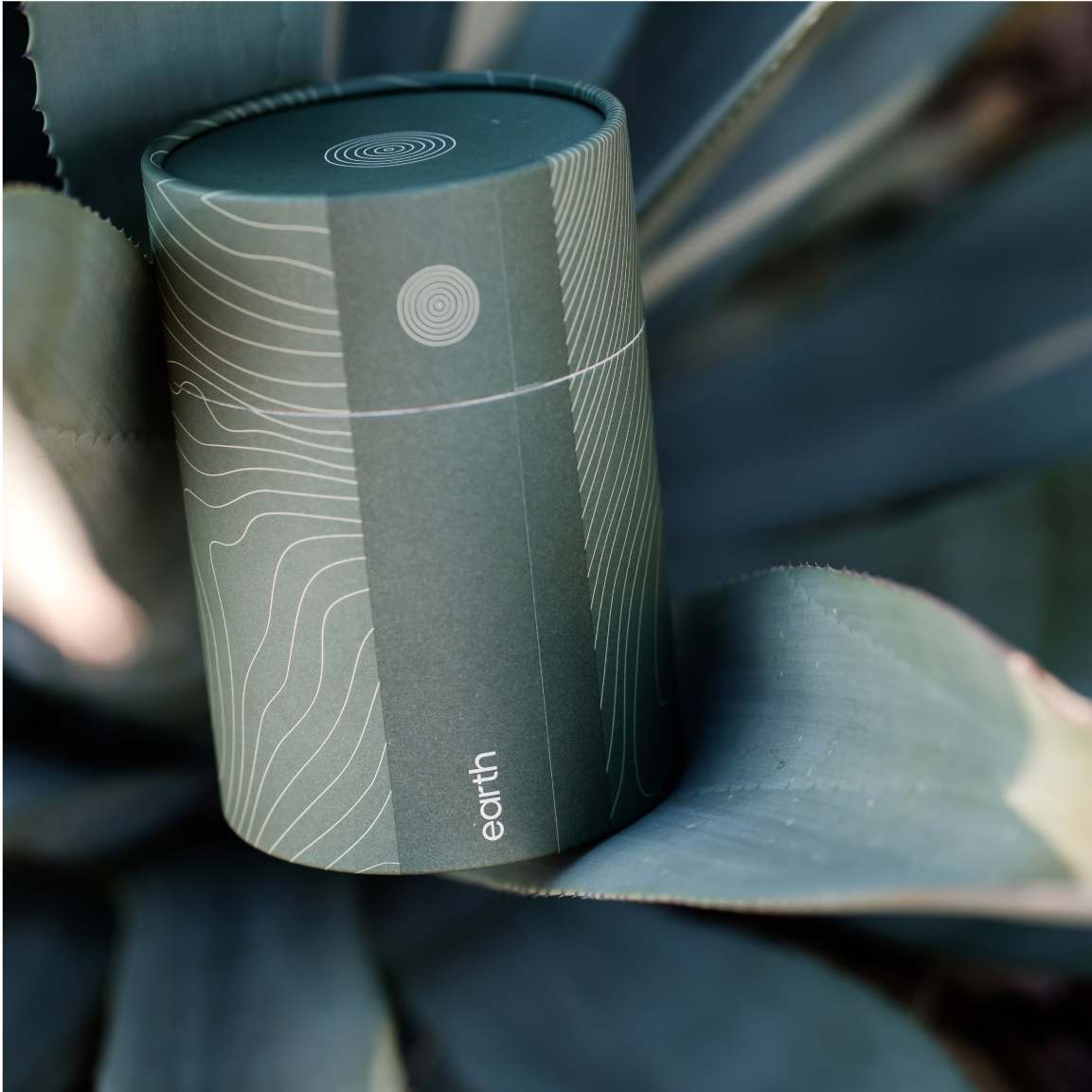
Once the process is complete, families receive the soil to keep, use in memorial planting or a garden, or donate to conservation projects. Earth Funeral specializes in this process and offers an all-inclusive Earth Package covering transport, professional funeral support, the transformation itself, and the return or donation of soil. Their dedicated Care Team provides guidance and support during a difficult time, with arrangements available online, by phone, or in-person.
Access to natural organic reduction as a final disposition option depends on where you live. It is currently legal in fourteen states, with more considering legislation. Earth Funeral serves families across many of those states and continues to expand. These funeral options tend to resonate most with nature lovers, conservation-minded families, people drawn to the idea of leaving something living behind, and those who want choices that reflect personal values while still creating a meaningful tribute.
Another process gaining ground for similar reasons is aquamation, which offers many of the same environmental benefits.
Aquamation goes by several names, including water cremation, alkaline hydrolysis, flameless cremation, bio cremation, and chemical disposition. The aquamation process uses water and an alkaline solution rather than fire to gently break down the body, returning ashes to the family as a smaller-footprint, lower-impact option and an eco-friendly alternative.
Here is how alkaline hydrolysis works:
The environmental case for the alkaline hydrolysis process is compelling. Where fire cremation burns fossil fuels to generate heat, aquamation uses significantly less energy and is comparatively energy efficient, roughly 90% less. It produces no combustion emissions or smoke, and keeps mercury from dental fillings contained rather than releasing it into the atmosphere.
Its liquid byproduct, known as effluent or hydrolysate, tells its own interesting story. About 95% of the water used in the process can be reclaimed. The resulting effluent is completely free of DNA and pathogens, making it safe to return to the ecosystem through standard sewer systems and wastewater treatment facilities.
The experience for families is largely familiar. Ashes are returned in an urn, services and memorials can be held in exactly the same ways as with flame cremation, and timelines are generally comparable. One difference worth noting is that aquamation produces ashes that tend to be lighter or white in color, and families often receive up to 32% more volume than with flame cremation.
Water cremation is currently legal in 28 states, including Minnesota, the first to legalize it, along with California, Oregon, Washington, Florida, Illinois, and Colorado. As with soil transformation, legal does not always mean available. Coverage varies considerably by state and region, so confirming what aquamation services are available in your area is always the right first step.
Beyond how the body is handled, families today have more options than ever for how they choose to memorialize and celebrate a life. Some of the most meaningful farewells have very little to do with the disposition choice itself.
There is no single template for saying goodbye. What follows reflects how differently families are choosing to honor loved ones and create a lasting tribute, with choices that can reflect personal values and celebrate a loved one's life.
For families who want something physical to hold onto, the choices are broader than most people expect:
All of these options exist for one reason: to give families more ways to honor loved ones in a way that feels true to who that person was.
The right end-of-life choice looks different for every family. For some, cost is the primary concern. Others may be comparing different funeral options or broader burial options based on environmental impact, religious traditions, or simply what feels most meaningful. Most of the time it is some combination of all of these, weighed against what is actually available in a given area.
Working through it does not have to feel overwhelming. A few starting points can help:
Earth Funeral offers one example of how this process can work in practice. As a direct-to-consumer provider specializing in soil transformation, we support both at-need and pre-need arrangements, making it straightforward to plan or arrange care when the time comes.
The landscape of end-of-life options continues to expand. Whatever your personal values are and whatever you want the people you love to experience, there is likely an option that fits. The most important thing is to start the conversation.
Both are considered green end-of-life options, but they work very differently. Green burial involves placing the body in the ground, while aquamation uses water and alkaline solution instead of flame; green or natural burials often take place in a green cemetery and avoid embalming fluids and burial vaults, allowing natural decomposition. Natural organic reduction uses a specially designed vessel and organic materials to transform the body into nutrient-rich soil within about 45 days, a more controlled process that can leave families with soil to keep or donate. Families can also consult the green burial council to find certified funeral providers.
Yes, and many families do. Regardless of the disposition choice, whether flame cremation, water cremation, or soil transformation, families have full flexibility to hold a memorial service, celebration of life, or any gathering before or after the process. How someone is honored and how their remains are handled are two different conversations, and memorial services can still provide a meaningful tribute regardless of disposition choice.
Natural organic reduction is widely regarded as the most environmentally-friendly disposition option available. It uses a fraction of the energy of traditional cremation, produces zero net carbon dioxide, and can actively restore ecosystems when the resulting soil is donated to conservation projects. Green burial and aquamation are also greener than conventional cremation or burial, each with their own tradeoffs worth understanding, and some green burial approaches also use a mushroom burial suit to aid in body decomposition and help neutralize toxins.
Costs vary by location, provider, and local regulations, so treat any figure as a general range rather than an exact quote. Soil transformation generally falls in the $5,000 to $7,000 range. Flame-based cremation, basic with no formal service, has a median cost of $2,300. Aquamation, which requires specialized equipment, typically ranges from $3,000 to $5,000 or more depending on location and provider.
Yes, and doing so can make an enormous difference for the people you love. Most funeral providers, including those offering water cremation, green burial, and soil transformation, offer some form of pre-need arrangement. Some people also pre-plan body donation, which can support medical research and education through medical schools or similar programs, and in some cases contribute to scientific research. Earth Funeral, for example, allows families to plan and prepay for soil transformation entirely online or by phone.
Ready to explore soil transformation for your family?

Human Composting 101
Human composting is the gentle, natural process of turning a person into soil. This green burial option takes place in a controlled environment and allows individuals to return to nature upon death, and become part of a regenerating and natural ecosystem. It is an eco-friendly alternative to burial and cremation.
6/3/2026
9 min read

Green Funeral Practice
The table on this page is kept up to date to reflect the legal status of human composting in each state in the US. It can be considered an accurate snapshot of the legislative landscape at any given time.
6/17/2026
3 min read

Green Funeral Practice
Natural organic reduction is an attractive option as more people become conscious of the environmental impact of traditional funeral practices.
6/3/2026
3 min read