How Long Do Funerals Take to Plan? (A Practical Timeline)


End Of Life Logistics
|
September 2, 2026
When someone you love passes, one of the first questions that surfaces is simple but urgent: how long do funerals take to plan? This guide walks you through the full timeline, from the first phone calls to the days and weeks after the funeral service, so you know what to expect at every step.
Most funerals are planned and held within about a week of a loved one's death. The typical time frame to plan a traditional funeral is 3 to 7 days after passing, though many families complete funeral arrangements within about 1 to 2 weeks when factoring in travel, paperwork, and personal preferences.
How long the process takes depends on several factors:
Here is a simplified timeline most people follow:
Planning for a funeral can take up to a month depending on circumstances. Direct cremation can often be arranged within a few days if no public service is needed.
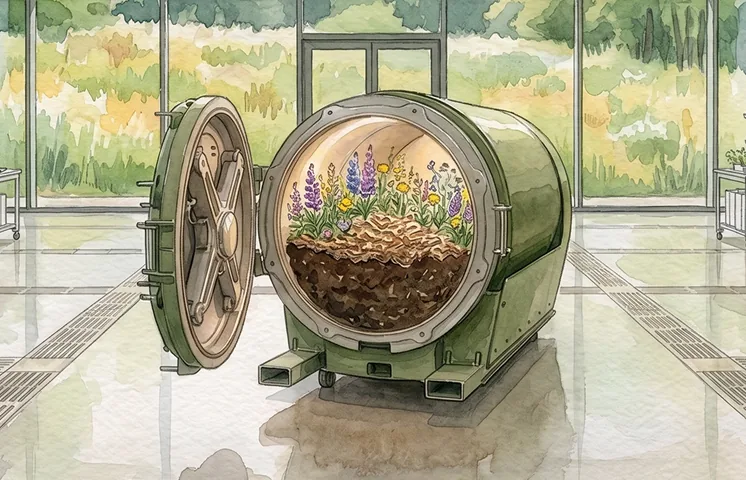
Soil transformation offers a different path. The 6-8 week process gives families time to grieve naturally. An initial gathering can happen within the first week or two. Then, when the soil is ready, families gather again. They can celebrate a life rather than only mourn the loss. This timeline supports how grief unfolds, without being overwhelmed by phone calls, appointments, and urgent decisions.
Planning ahead can turn a rushed scramble into a calm, thoughtful process. If you want to reduce the burden on your family, explore how to plan ahead now.
{{CTA-webinar-2}}
The hours after a loved one's death are disorienting. If your mother passed in a hospital or your father died at home, the confusion is real and completely normal. You don't need to make every decision immediately.
Here is what typically happens in the first day:
During this difficult time, most families do not finalize service details like flowers, music, or the guest list. The focus is on safety, legal steps, and respectful care of the body.
A helpful first checklist:
If your loved one had pre-planned their funeral, this first day becomes far less stressful because the major decisions are already made.

Every family moves at a different pace, but here is a common timeline of planning:
You meet the funeral director and choose a disposition method (burial, cremation, soil transformation, or an alternative). You begin discussing the format of the funeral service, whether religious, secular, or a celebration of life. Funeral arrangements can take several days to finalize, so this first meeting is about big-picture decisions.
The venue and officiant are booked. You confirm the date, begin drafting an obituary, and make phone calls to relatives and friends. A traditional funeral generally involves several key immediate and secondary actions during this window, from selecting readings to arranging transportation.
Final details come together. You order flowers, prepare eulogies, select music and photos, and confirm the visitation or viewing schedule. A full-service funeral with visitation and graveside ceremony requires more coordination than a simple memorial.
A well-organized funeral director can typically help families move from the first appointment to a confirmed funeral date in 24 to 48 hours. If you need guidance on the full process, this complete guide to planning a funeral covers every step.
Families hold an initial gathering. This can be a small ceremony, a viewing, or a simple coming-together. The body is placed into care and the transformation process begins.
The transformation takes place. During this time, families continue grieving without pressure. There is no rush to plan a final service. People can process the loss at their own pace.
The soil is ready. Families receive the nutrient-rich soil created from their loved one. This creates a second gathering point, a celebration of life that feels different from a traditional funeral.
With burial or cremation, the timeline is compressed; everything must happen quickly, often before family members can arrive or before anyone has had time to process what's happened. With soil transformation, the timeline works differently, and that difference matters for how people grieve.
The timeline for traditional funerals can feel rushed. Families gather quickly, hold the service, and disperse, often before the reality of loss has fully settled in. There's little space to breathe, to sit with grief, to let it unfold naturally.
With soil transformation, grief has room to move. The transformation process takes 6-8 weeks. During this time, families can hold an initial gathering within the first week or two, creating space to come together, share stories, and begin mourning together. Then, once the soil is ready, there's a second moment: a celebration of life that feels different. By this point, the sharpest edge of grief has softened. People are more at peace. They can travel without the same urgency. They can gather to mourn and to celebrate, to plant a tree, to spread soil in a meaningful place, to honor the person they lost in a way that feels like continuation rather than ending.
This extended timeline is a gift. It gives people time to process, to plan something meaningful, to arrive at a place where they can truly honor the person they lost.
{{CTA-2}}
Funerals are often held within a week after death. The average time between death and burial is 2 to 4 days for straightforward cases, though the range has widened over the past decade.
Many funerals now take place 10 to 21 days after death due to paperwork delays, crematorium schedules, and family logistics. In Hawaii, funerals can be delayed for weeks or months based on local customs and practical reasons.
Here is how different scenarios play out:
Refrigeration and mortuary storage make it practical to wait when needed without compromising dignity or safety. There is no single correct number of days. Legal requirements set the boundaries, while your family's needs shape the exact date.
Religious and cultural traditions can dramatically shorten or extend the planning window. Certain faiths require burial within 24 to 48 hours after death, which means funeral arrangements begin immediately.
Specific examples:
Even in traditions that prefer rapid burials, practical needs sometimes require exceptions. Family travel, weekend scheduling, or the need for an autopsy can all play a role. Autopsies can delay the timing of a funeral by several days or longer, especially when the death was sudden or the circumstances were unexpected.
Legal requirements also affect the timeline. Processing a death certificate can cause delays of 2 to 7 days depending on your jurisdiction, and permits for burial or cremation must be secured before the body can be laid to rest. Ask your funeral director early about any religious or legal deadlines that might affect scheduling, especially if your community has specific customs.
Modern mortuary facilities give families the flexibility to delay a funeral for days or weeks. Refrigeration at around 2°C is the standard method for preserving a body without chemical embalming, and most facilities can store remains for 3 to 4 weeks or more.
Hospitals, care homes, and funeral homes may all have on-site mortuaries, and your funeral director coordinates transfers between them.
Embalming might be recommended when:
Families can absolutely choose to hold the ceremony within a week even if the final disposition happens later. If you need to wait for a brother or sister traveling from overseas, or for a husband or wife to complete urgent arrangements, discuss the timeline with your funeral director early so storage and care are planned appropriately.
With soil transformation, the timeline works differently. The initial ceremony can happen within the first week while the body is in care. The 6-8 week transformation process then gives families flexibility to plan a final gathering when the soil is ready.

Certain choices make planning faster or slower. Being aware of them helps you set realistic expectations.
If the person who passed left clear preferences or prepaid funeral plans, the family can move much more quickly. Pre-arranged funeral plans can significantly reduce the planning time needed after death, sometimes to a single meeting.
A funeral service typically happens with the body present. A memorial service usually takes place after burial, cremation, or another form of disposition. The timelines for each are quite different.
Funerals with the body present generally need to occur within 3 to 10 days because of physical and legal constraints. Memorial services, on the other hand, offer far more flexibility. Families may schedule memorials several weeks or months after the loved one's death to honor that person's life on their own terms.
This flexibility matters for alternative funeral options. With soil transformation, for example, families might hold a small immediate service within days and a later outdoor memorial when the transformed soil is ready to be returned or used in a meaningful place. The active process takes roughly 30 to 45 days, creating a natural second moment of connection.
Concrete examples that make sense for many families:
Choose the combination that fits your emotional needs, logistics, and sense of what would best respect the person you lost.
.jpg)
When a loved one plans ahead, most major decisions are already made. This dramatically shortens the planning window for the family left behind and removes the guesswork during an already overwhelming period.
Pre-planning can cover:
With pre-arrangements in place, families can often confirm the funeral date and begin the ceremony process within a single meeting instead of spreading decisions across several stressful days.
If you have an idea of what you want for your own end-of-life plan, completing it now is an act of care for your family. You can plan ahead in minutes and give your loved ones the space to grieve rather than manage logistics.
{{CTA-13-question}}
The funeral planning timeline usually ends within a few weeks, but the practical and emotional work continues for much longer.
Common post-funeral tasks include:
Grief has no fixed schedule. Some people find it helpful to honor their dad, mother, wife, or any loved one with a small gathering on a birthday or anniversary in the first year. These moments can bring a community together again and give friends and relatives a chance to pay their respects.
For families who chose soil transformation, the return of nutrient-rich soil weeks after the funeral creates a second meaningful milestone. That soil can nourish a tree, garden, or conservation land, turning grief into something that gives back to the earth.
If you feel overwhelmed, seek support through grief counselors, support groups, or your local community organizations. And if you have not yet made your own arrangements, consider doing so now. It is one of the most generous things you can do for the people you love. Start planning ahead today.
Ready to explore soil transformation for your family?

End Of Life Logistics
It's possible to make arrangements that properly celebrate your loved one’s life while also minimizing stress and financial burden for family and friends.
5/9/2022
5 min read

Green Funeral Practice
Discover alternative funeral options that promote environmental responsibility through soil transformation, natural burial, and water cremation.
8/13/2026
15 mins

End Of Life Logistics
Planning a funeral in advance can offer you and your loved ones peace of mind. We have compiled a complete guide to simplify the decisions that go into creating a funeral plan, ensuring that your last wishes are honored and the right arrangements are made.
1/15/2024
8 min read

Green Funeral Practice
Many people like the idea that their body could be turned into a tree when they die. This is an idea that has become especially popular in recent years among people discussing their end-of-life wishes.
7/29/2022
3 min read
.png)