Martha Stewart Wants to Be Composted — Here’s the Regulated Version of That Process

by
Team Earth

by
Team Earth
Soil Transformation
|
December 8, 2025
When Martha Stewart tells the world she wants to be composted, people listen.
On a recent episode of 50+ & Unfiltered, Stewart casually shared that she plans to skip burial and cremation entirely:
“Oh, I’m going to be composted. These coffin things and all that stuff? No way.”
Her comments instantly sparked a wave of curiosity, and a lot of questions, especially from people wondering whether they can choose the same option:
The short answer to all of these questions is yes.
Human composting, formally called "natural organic reduction" or "soil transformation", is real, regulated, and one of the fastest-growing funeral choices in America. It’s legal in a growing number of states, practiced in licensed facilities, and chosen for its environmental benefits, simplicity, and meaningful outcomes for families.
And even in states where the process is not yet legal, human composting may still be available from Earth Funeral. Earth Funeral arranges secure, professional transportation to one of our licensed Soil Transformation facilities in states where the process is permitted. This allows residents in non-NOR states to choose the same natural, sustainable option Martha Stewart is talking about, without waiting for legislation to catch up.
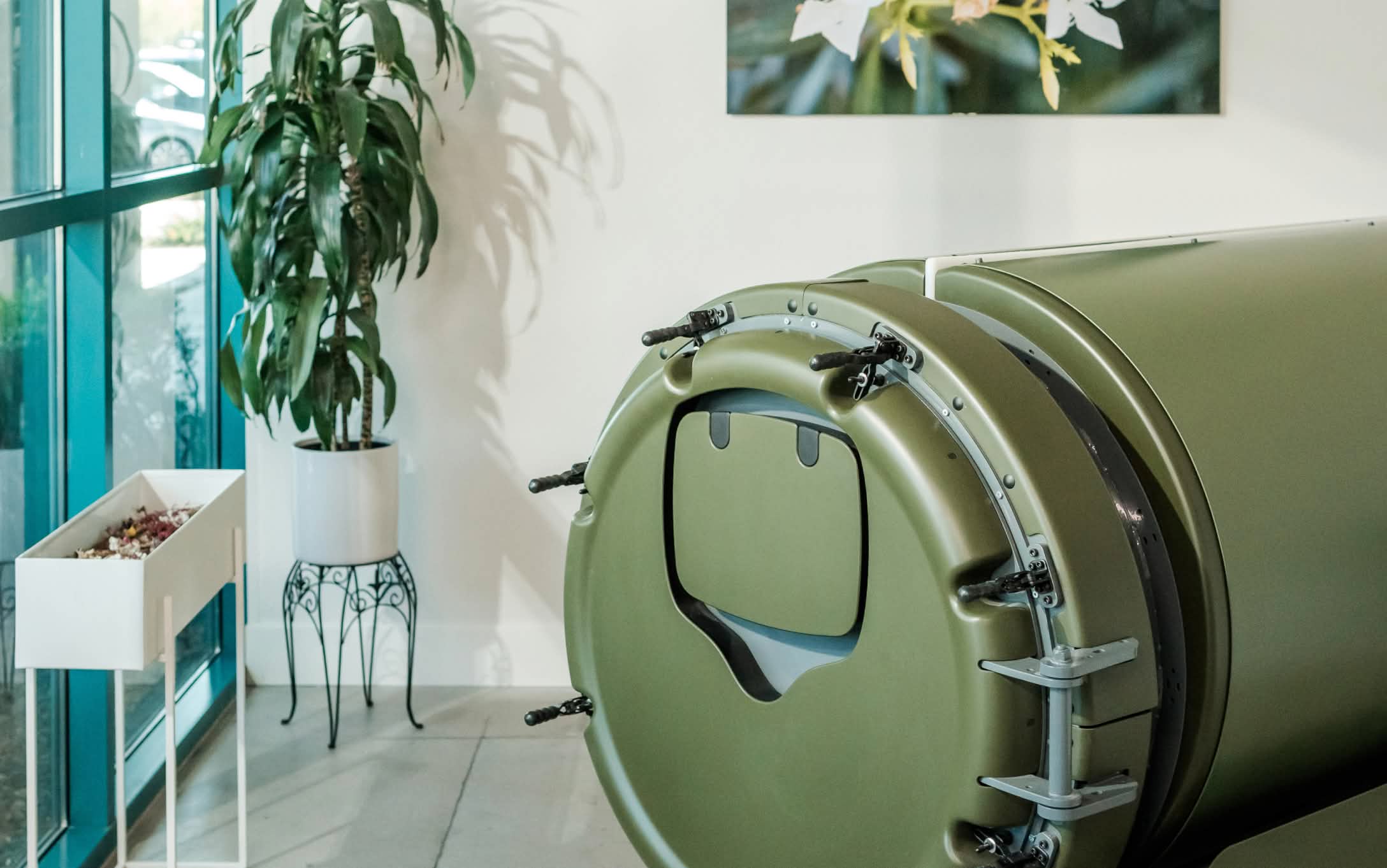
What Martha described, a simple, natural return to the earth, is the instinct behind human composting. The regulated version takes that intuition and turns it into a safe, licensed, environmentally controlled funeral process.
Here’s how Soil Transformation works in a professional facility:
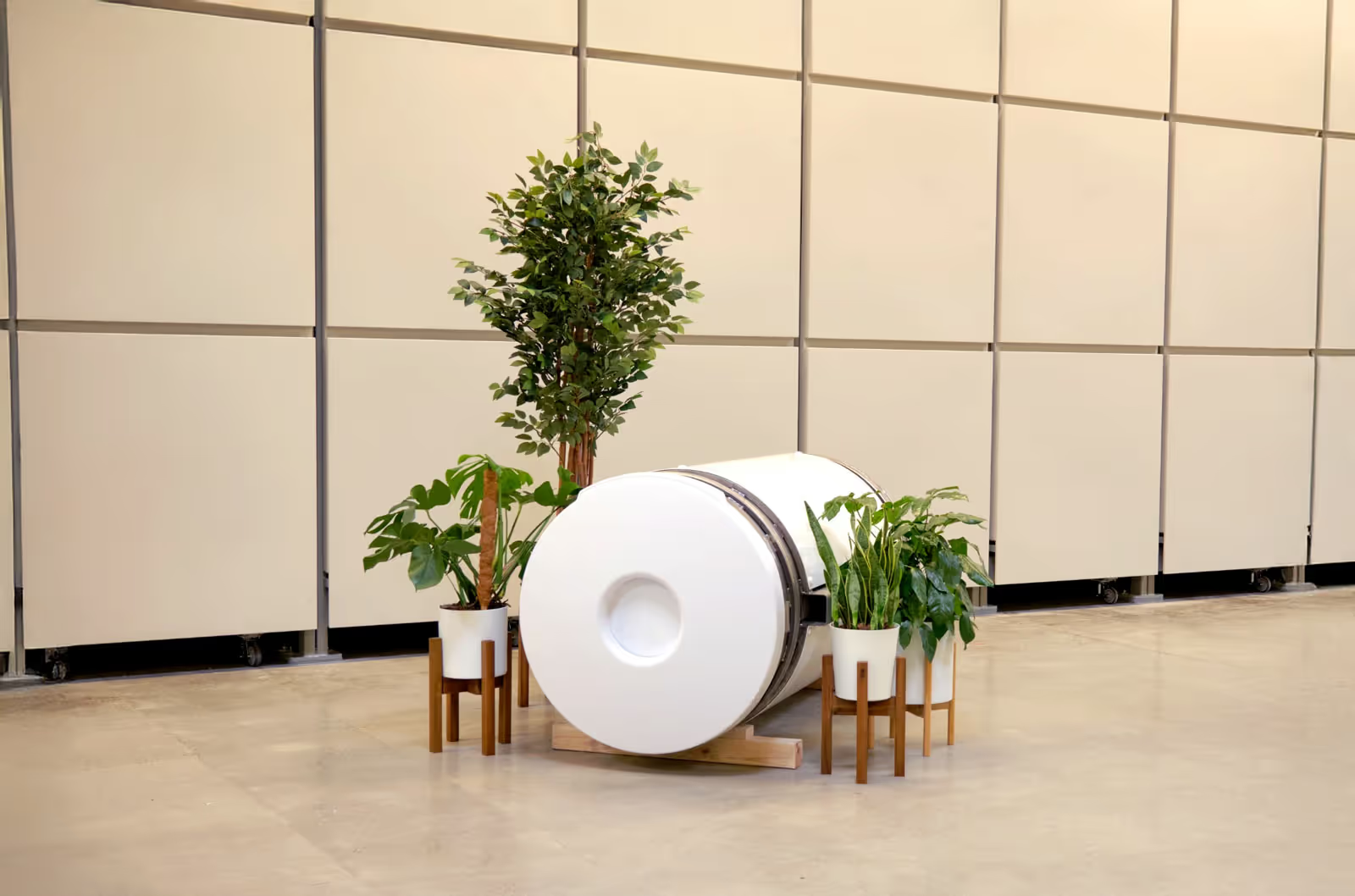
The body is placed in a secure, reusable vessel surrounded by natural materials like wood chips, wildflowers, alfalfa, and straw. These materials mimic the forest floor, creating the same conditions nature uses to break down organic matter.
Over time, the body and organic materials are gently transformed into nutrient-rich soil using the principles of nature. Inside the vessel is exactly what happens on the forest floor, just carefully accelerated and closely monitored. The process is fully enclosed, strictly regulated, and designed to produce a clean, safe, stable final material.
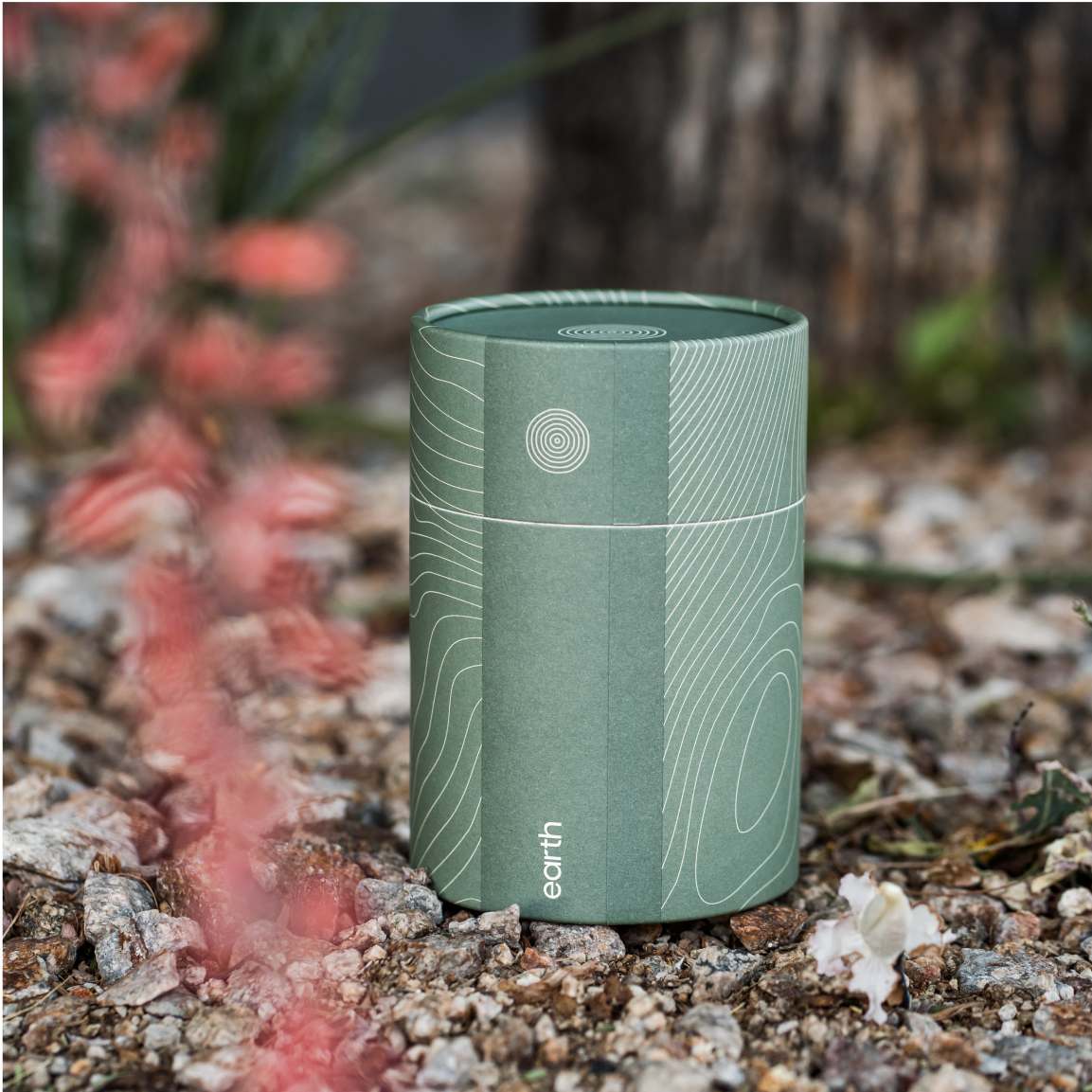
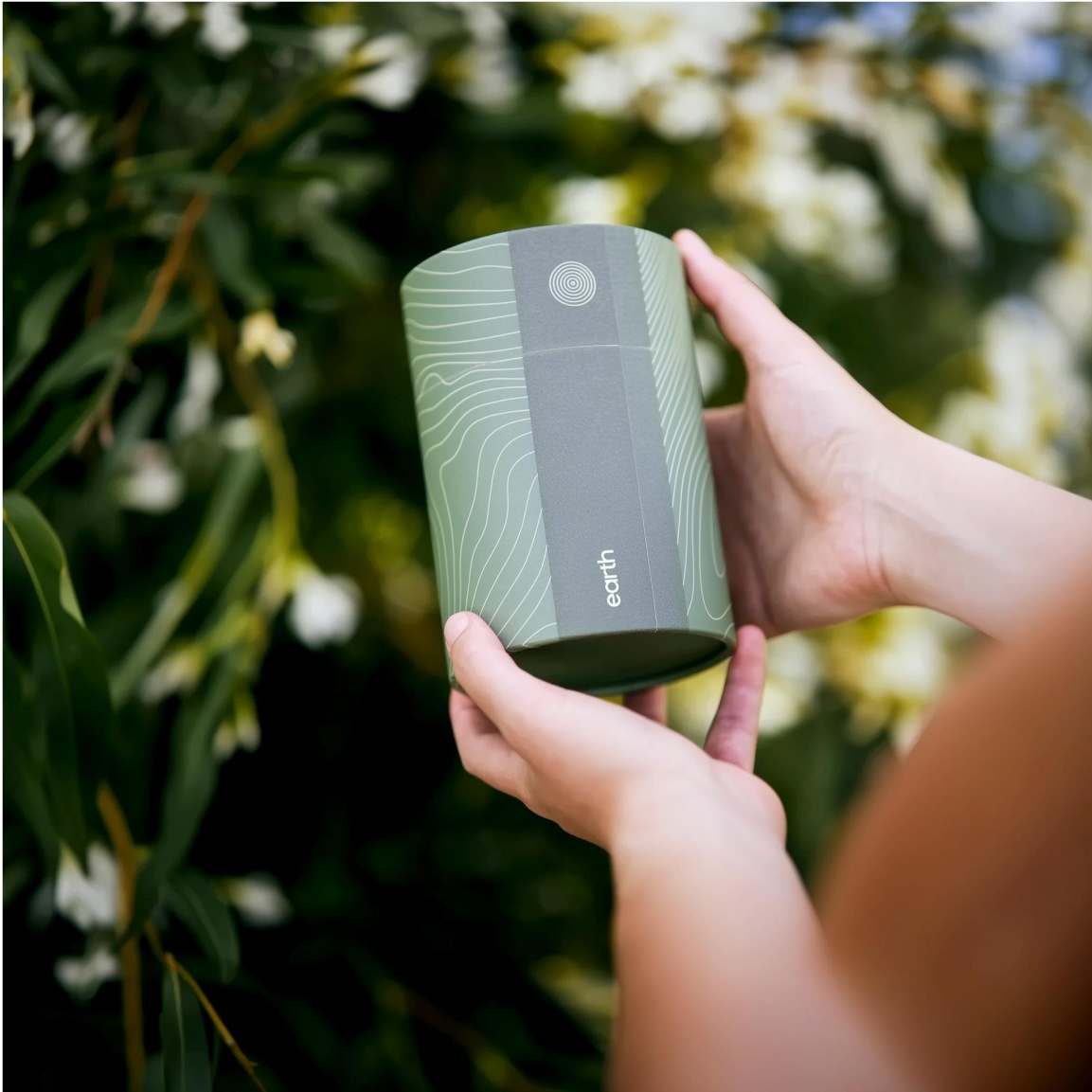
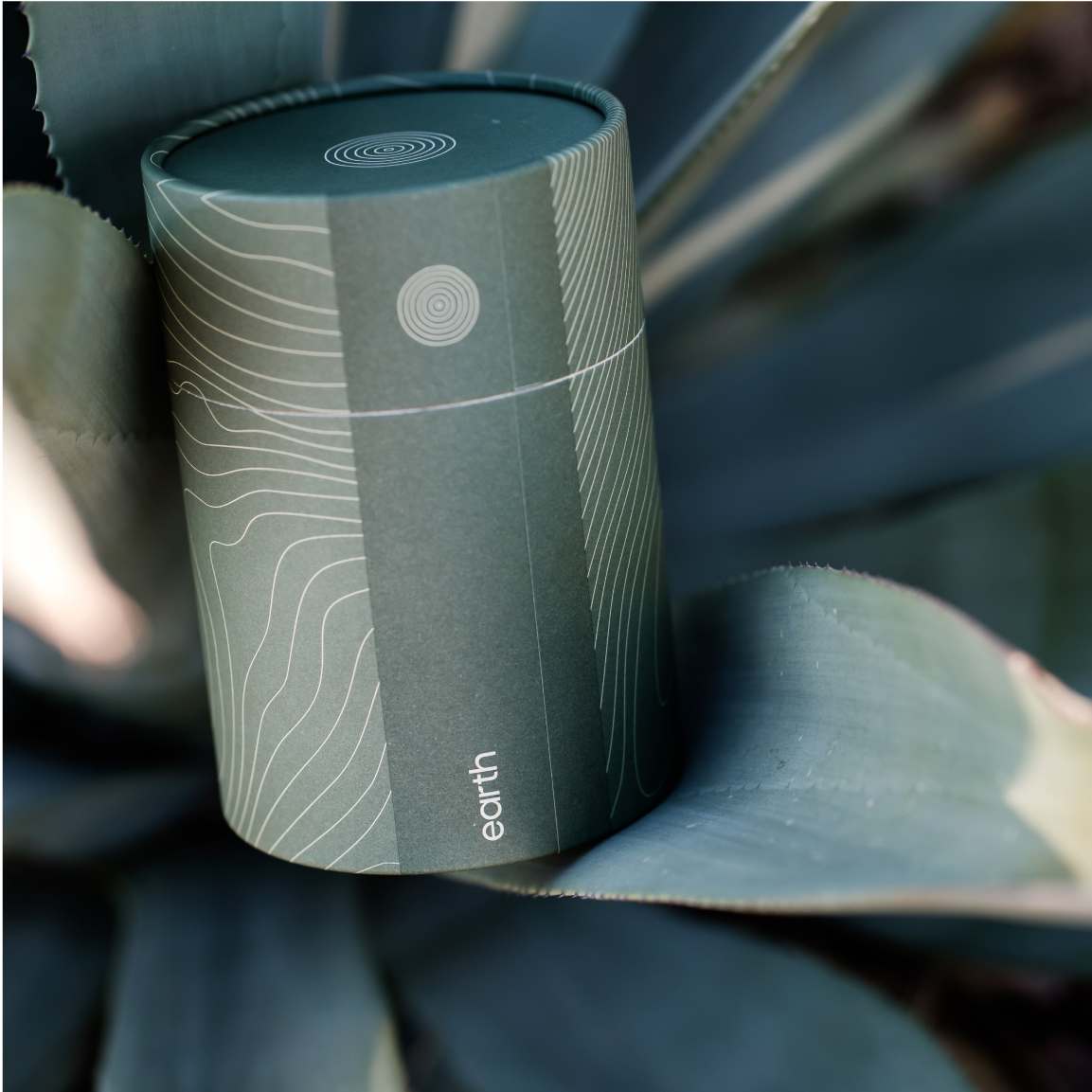
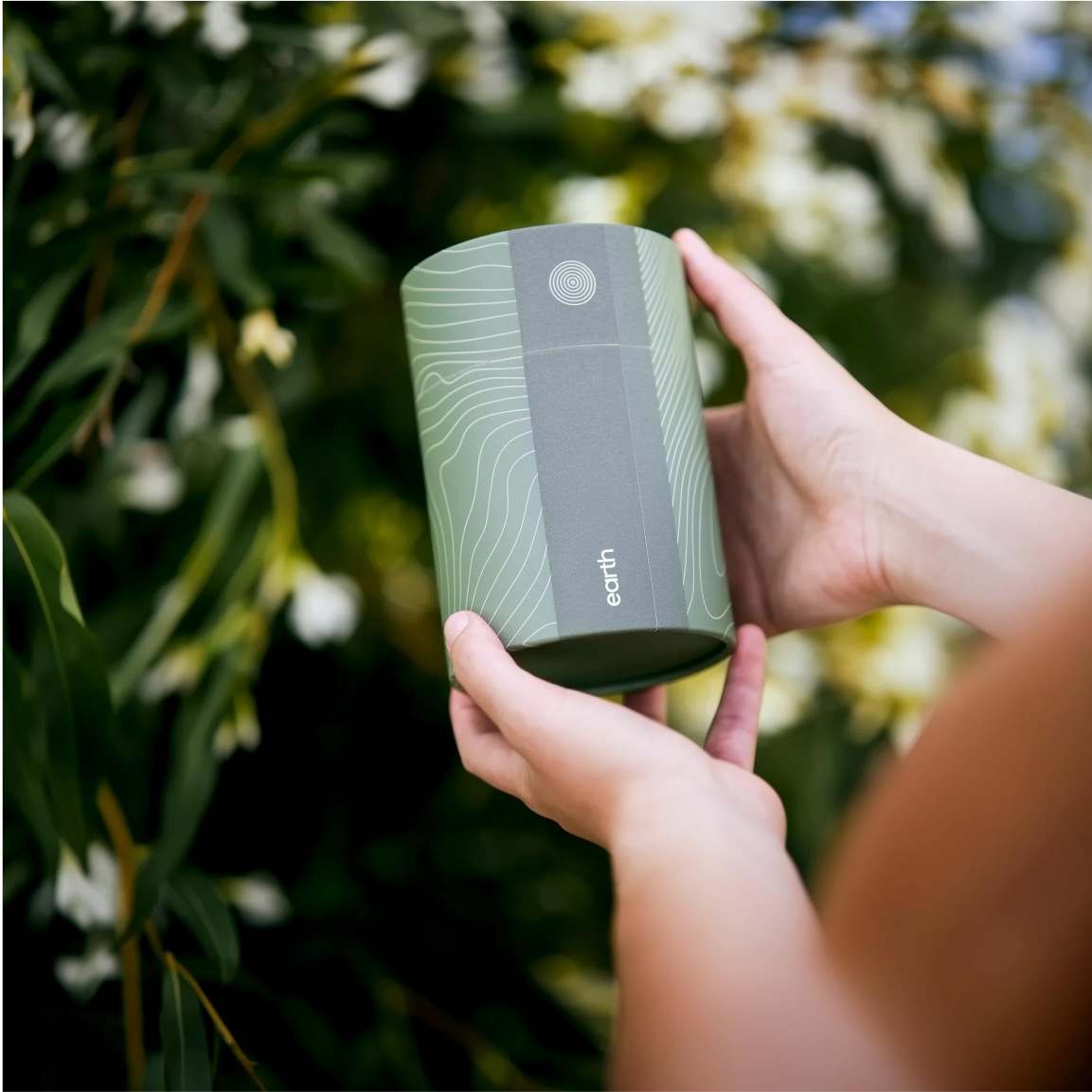
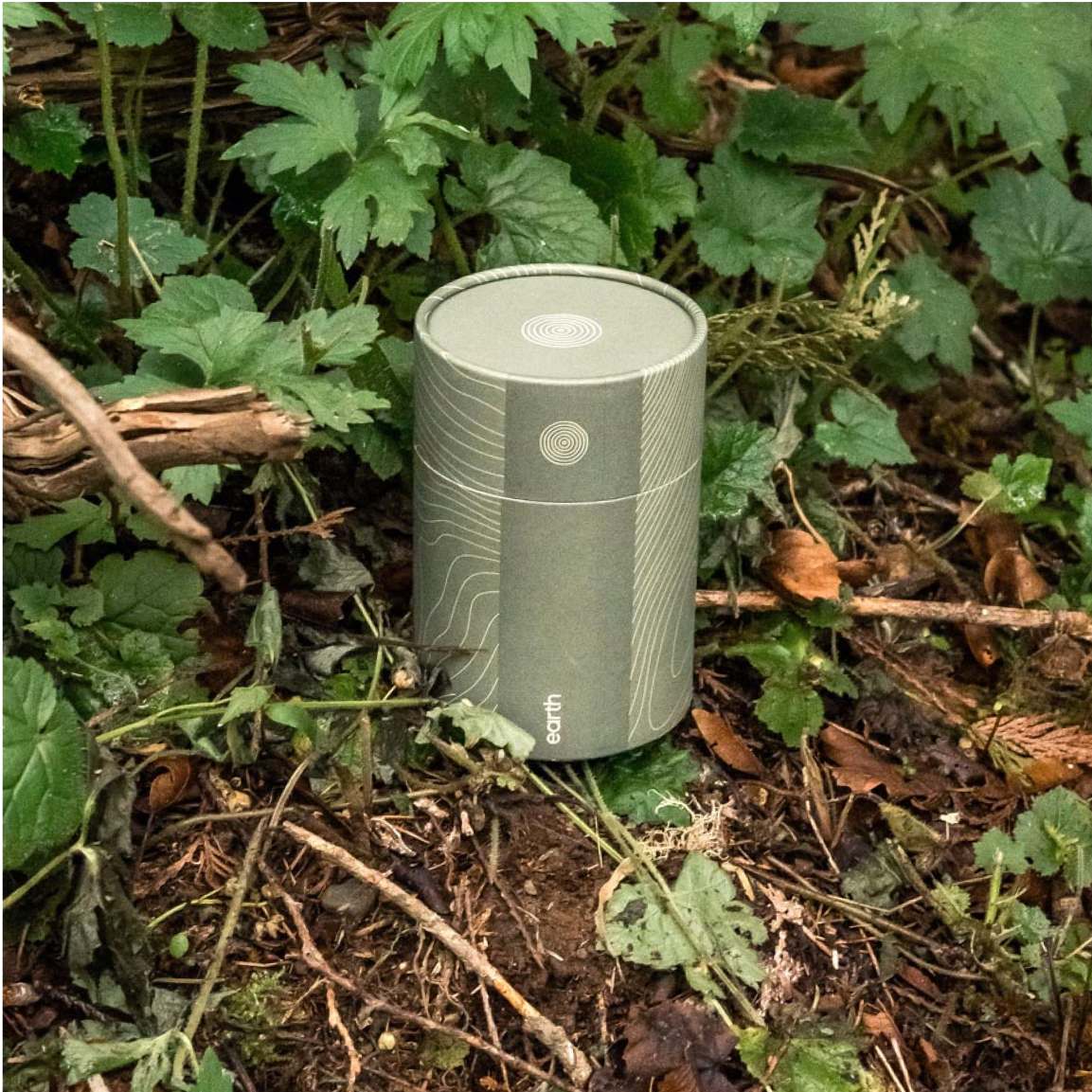
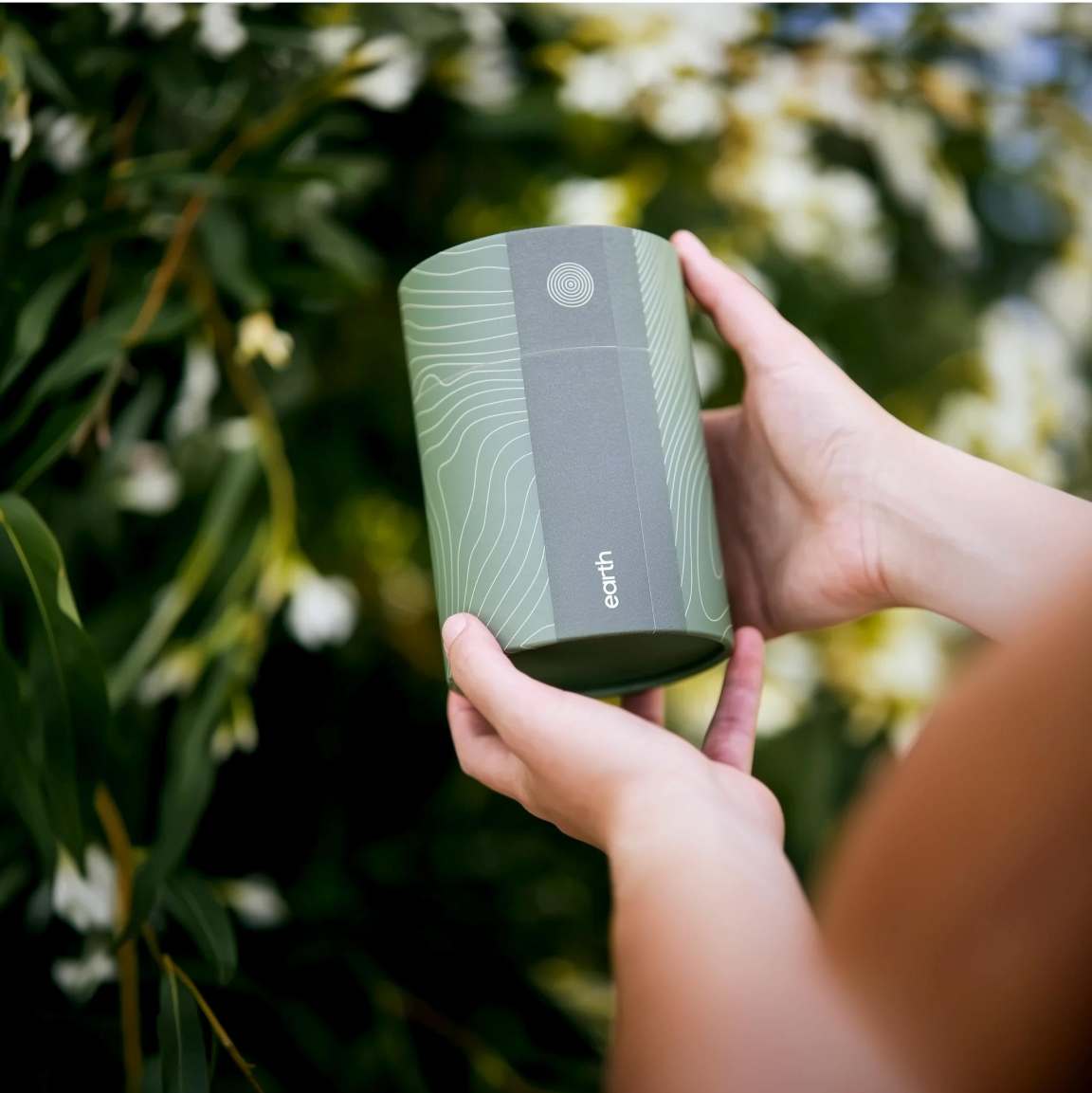
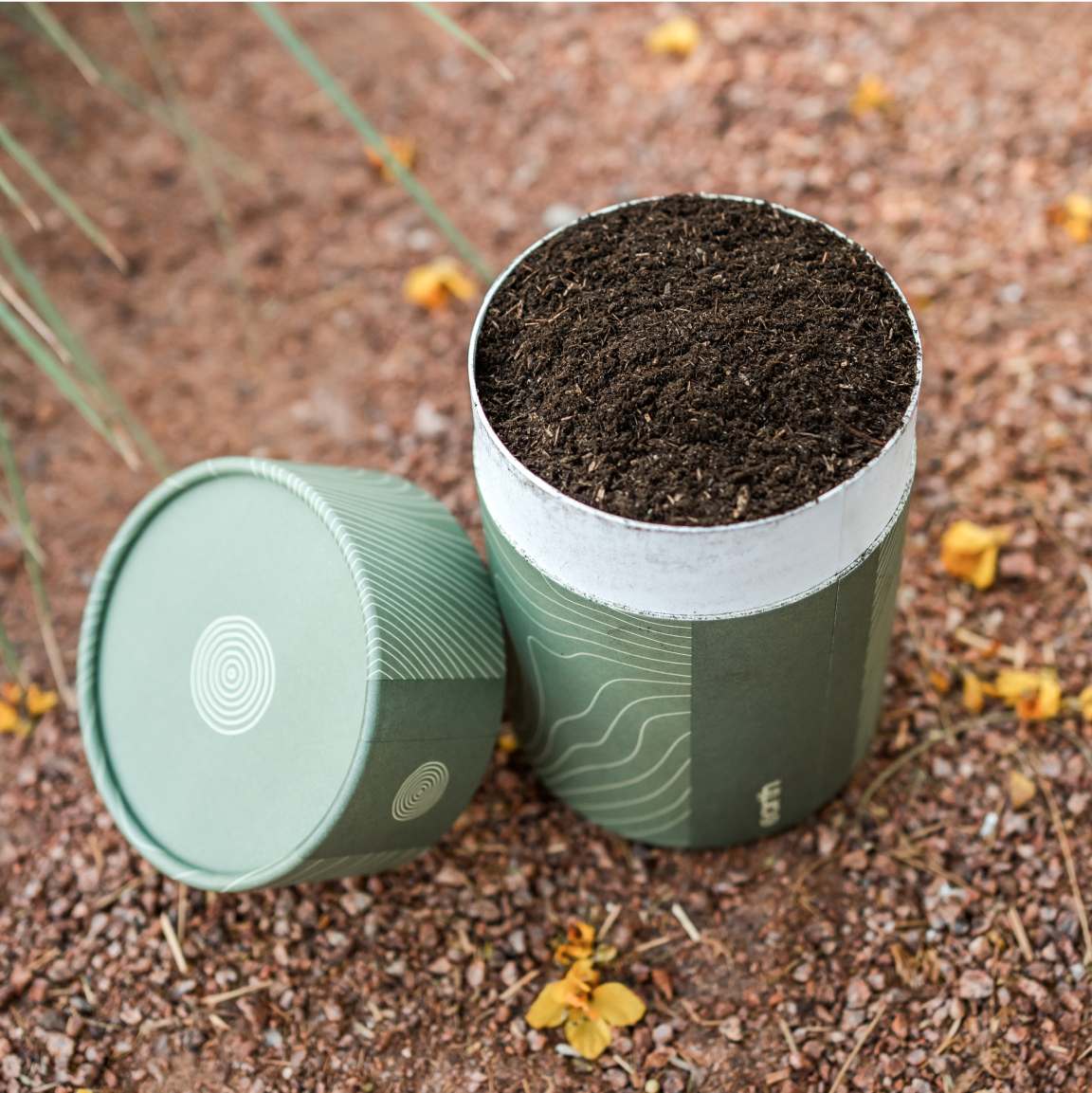
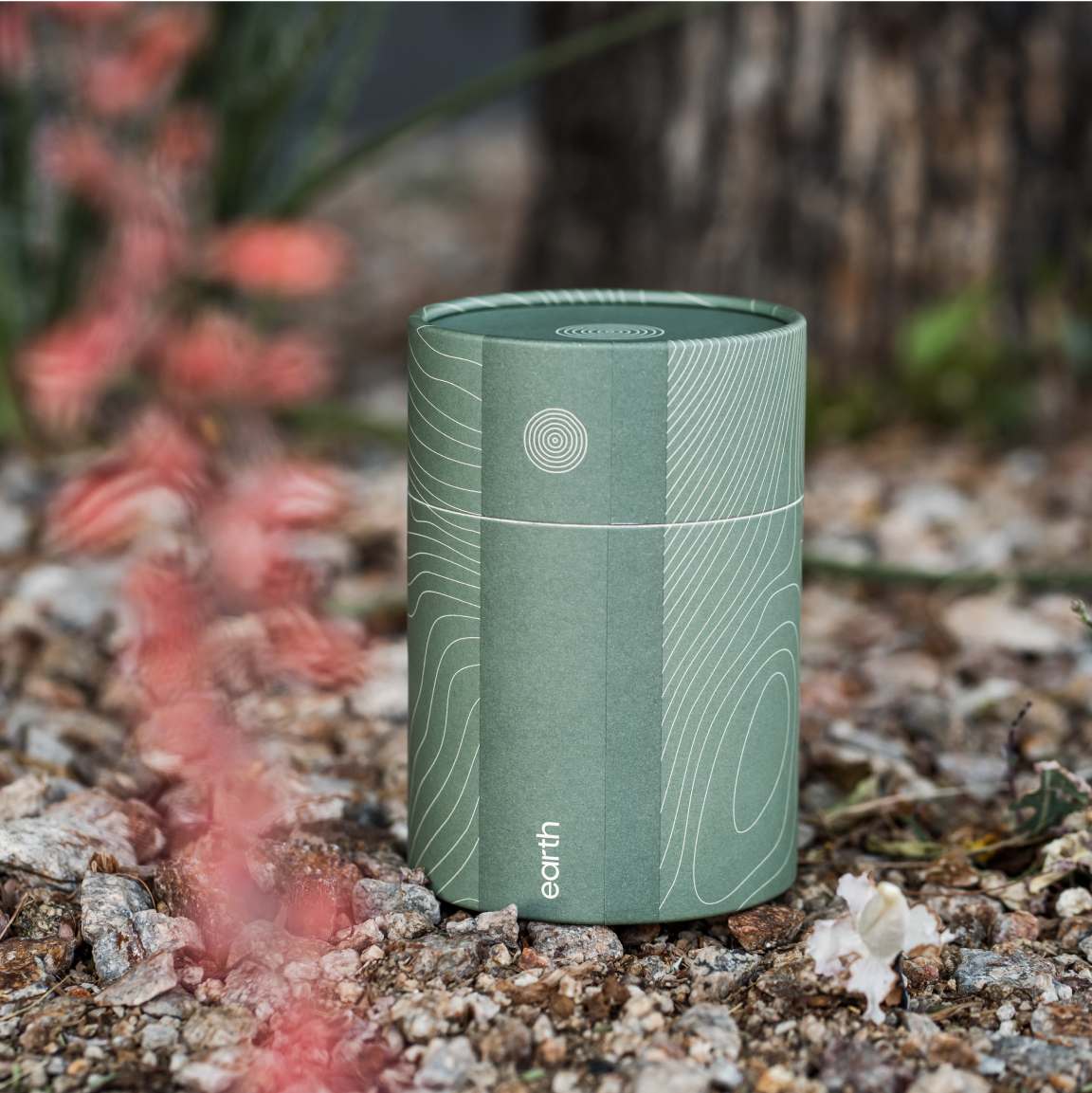
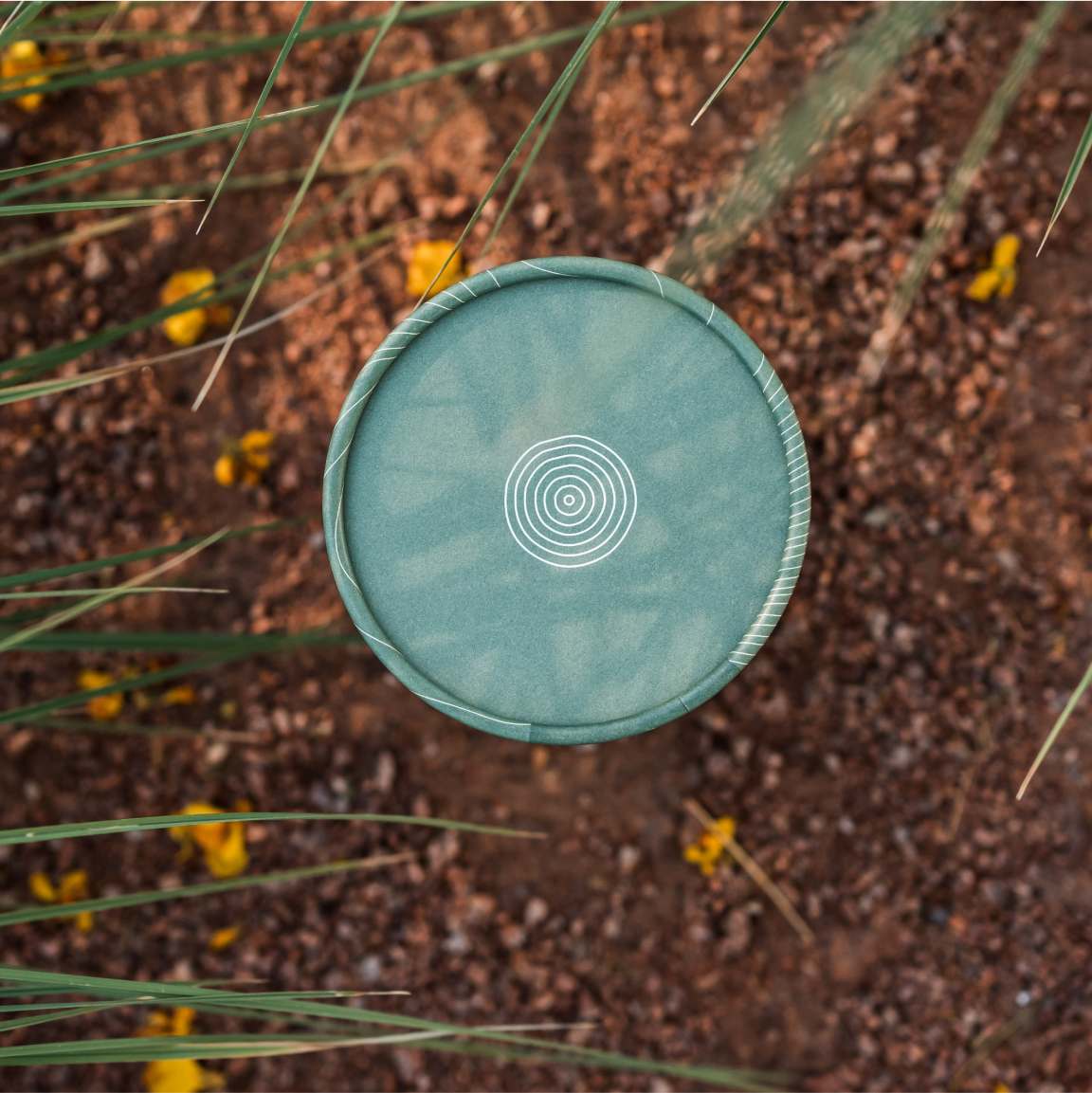
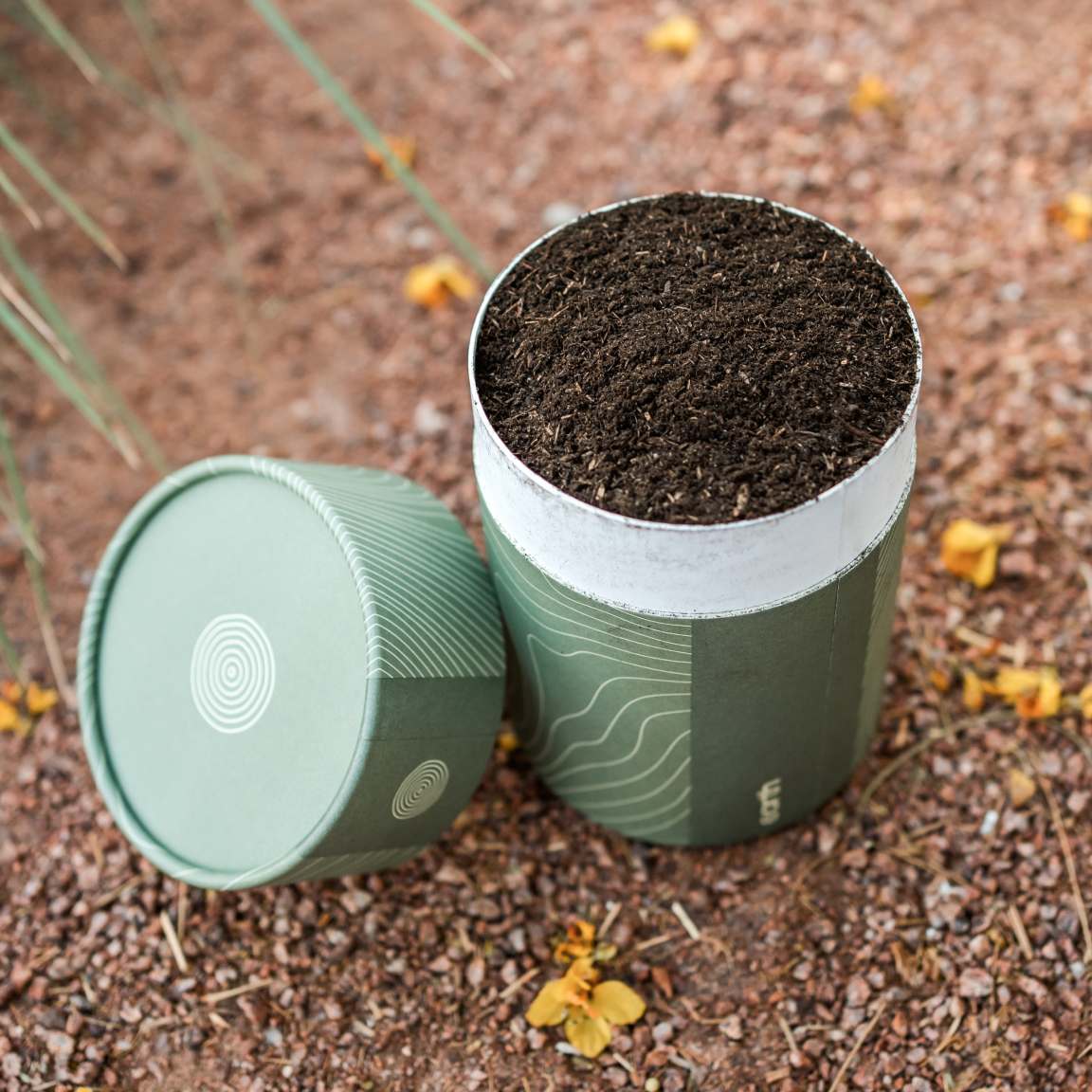
Families choose how much soil they’d like returned, which arrives in biodegradable containers. It can be used to pot or plant, spread, share, wear, keep for future memorials, or even mix with previous cremated remains. Any remaining soil is donated to local conservation projects that restore forests, wetlands, and natural habitats.
One of the reasons human composting resonates so deeply, including with someone like Martha Stewart, is that it reframes what the end of life can feel like. Instead of finality, it offers continuity. Instead of something industrial, it becomes something living.
The soil itself changes how families relate to death, turning it into an act of returning, nourishing, and creating.
Unlike ashes, which are inert, or graves, which stay unchanged, memorial soil grows, evolves, and supports new life. Families describe it as grounding, comforting, and flexible, something they can use in a way that reflects their relationship.
Here are the most common ways families use Soil Transformation soil:
When Martha Stewart said, “These coffin things and all that stuff? No way,” she voiced what many people feel: traditional funeral options often don’t reflect modern environmental values.
Soil Transformation changes that. It offers one of the smallest environmental footprints of any end-of-life option.
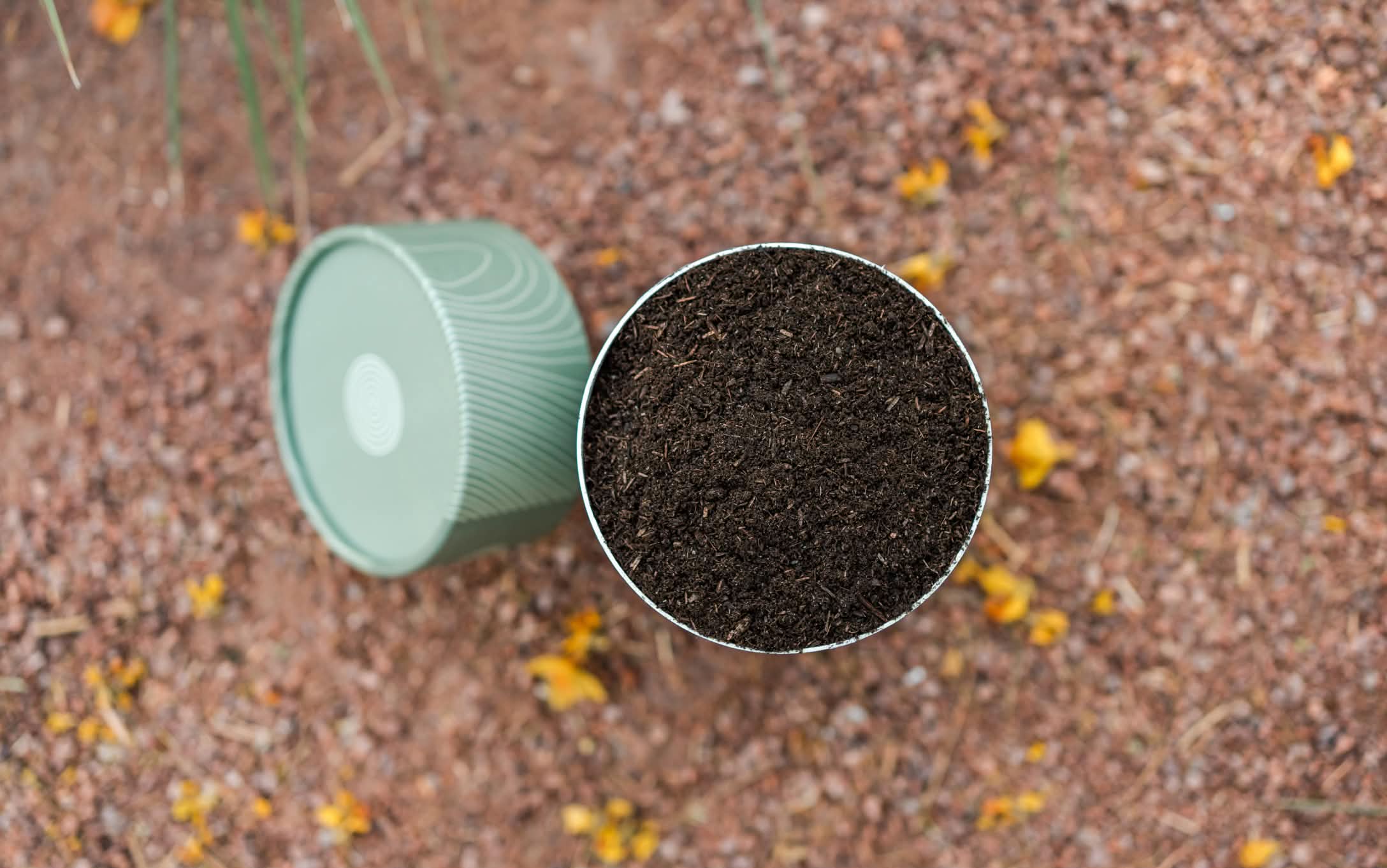
For people who want their final act to align with their environmental values, human composting offers a simple truth: your ending can help regenerate the earth.
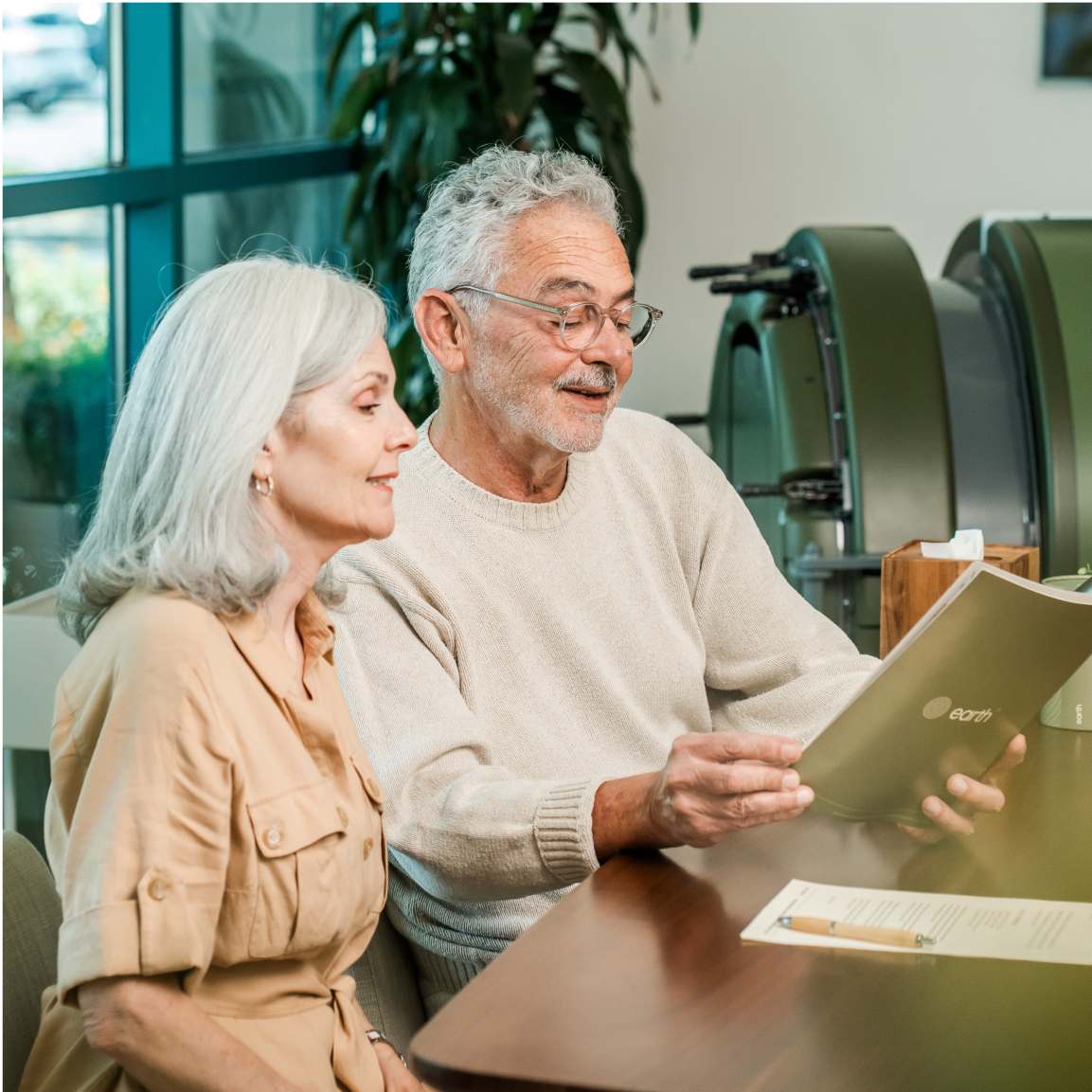
One of the biggest questions people had after hearing Martha Stewart say she wants to be composted was simple: “Can I plan this for myself?”
The answer is yes, and there are real benefits to pre-planning Soil Transformation.
1. You reduce emotional and practical burden on your family
Making decisions in advance means your family doesn’t have to navigate logistics, costs, or paperwork during a crisis.
When arrangements aren’t clear, families are left trying to interpret your values at one of the hardest moments of their lives.
Pre-planning removes uncertainty and replaces it with clarity. It is often described as one of the greatest gifts you can give the people you love.
2. You get peace of mind now
People are often surprised by how comforting pre-planning feels. Instead of being morbid, it feels like completing something important, clearing mental space so you can focus on living. Many families describe it as a sense of relief, control, and alignment with their values.
3. You lock in the option you want and protect yourself from rising costs
If you care about sustainability, pre-planning ensures your final act reflects the life you lived and the values you held.
It also allows you to lock in pricing today. According to the National Funeral Directors Association’s (NFDA) 2023 Member General Price List Study, funeral costs have continued to rise over time, even if not as fast as inflation.
Pre-planning shields you from future increases and ensures your family won’t face unexpected financial decisions.
For Anyone Considering What Martha Is Considering
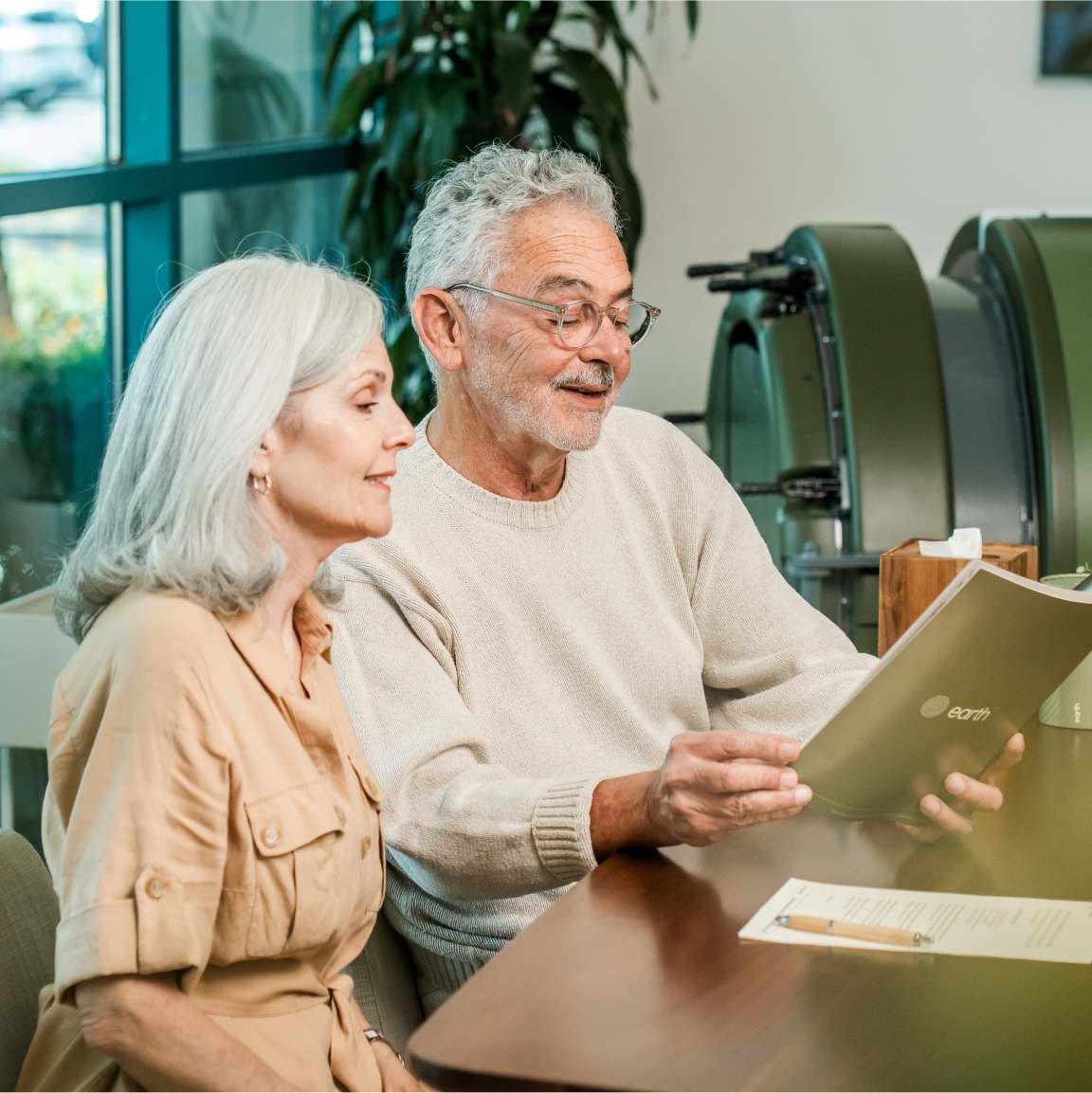
If Martha Stewart’s comments made you pause and think, “What would this look like for me? For my family?” that curiosity is a wonderful place to start.
Exploring Soil Transformation doesn’t mean making a final decision today. It simply means understanding your options and imagining what a natural, gentle return to the earth could look like for the people you love.
Earth Funeral is the national leader in human composting services, offering licensed, regulated Soil Transformation to families across the country.
If you’re curious what this could look like for you or your family, you can create a personalized quote — it’s simple, takes just a few minutes, and gives you a clear picture of what’s available in your state.
{{CTA-16-question}}
Green Funeral Practice
As families consider human composting as an alternative to cremation and burial, questions naturally arise about what happens to bones, dental work, and medical implants during the process.
11/5/2025
4 min read
© 2025 Earth Funeral