As Seen In WBAL-TV 11 News: East Coast's first human composting facility opens in Maryland

.avif)

WBAL-TV 11 News
|
May 20, 2026
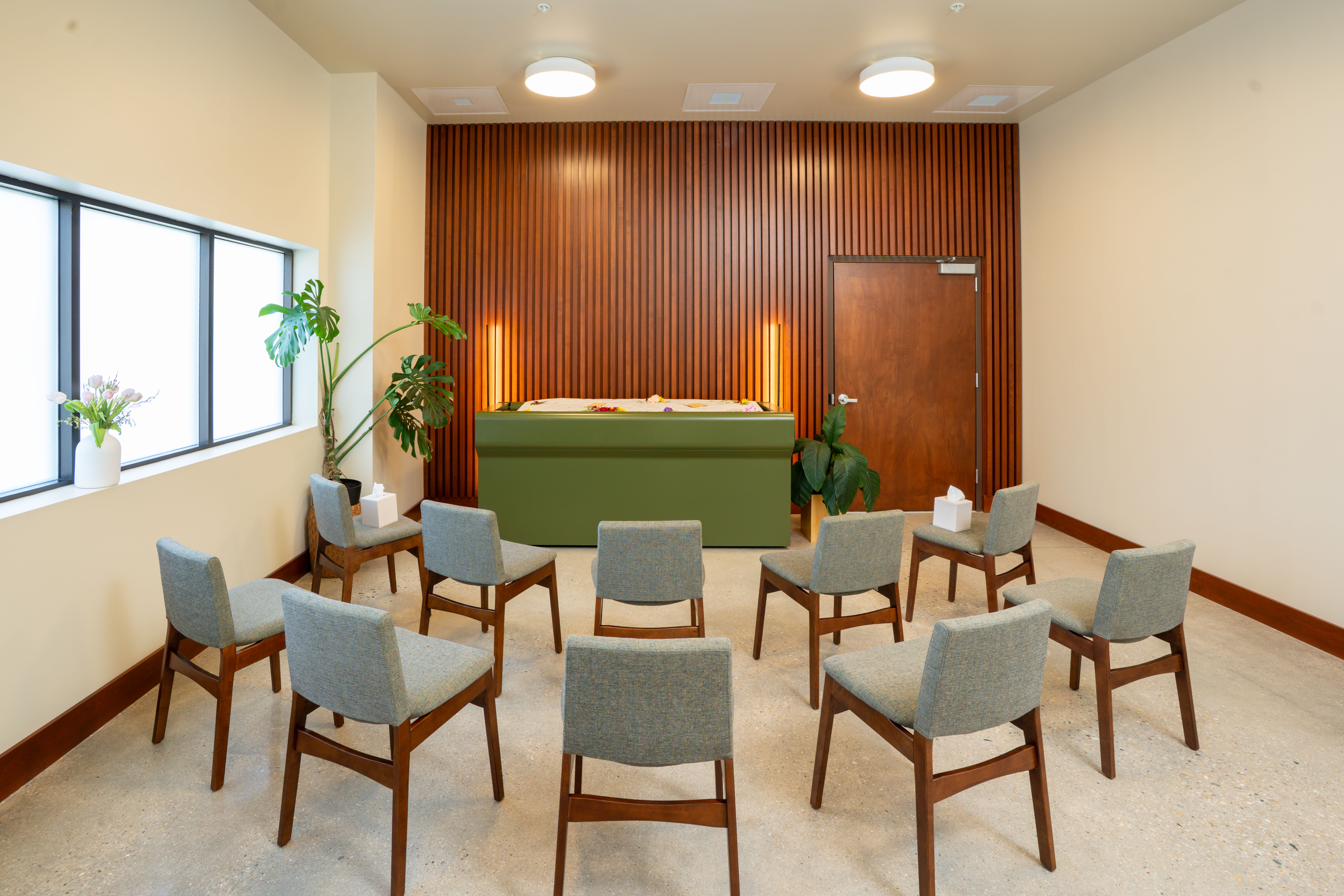
Earth Funeral has opened the East Coast's first human composting facility in Elkridge, Maryland, marking a turning point for families across the East Coast who have been waiting for a closer, more accessible path to soil transformation.
Reporter Breana Ross of WBAL-TV 11 News visited Earth Funeral's new 37,000-square-foot facility in Maryland, the largest human composting facility in the world, capable of processing up to 2,000 remains annually. The facility's opening follows 2024 legislation passed by the Maryland General Assembly, making natural organic reduction legal in the state and enabling Earth Funeral to serve East Coast families without the need for long-distance transport.
The story centers on Stephen Spiese of Lancaster County, Pennsylvania, who drove to Elkridge to tour the facility. His wife had previously chosen soil transformation with Earth Funeral, but at that time the company only had facilities on the West Coast, requiring her remains to be shipped. Spiese used her soil to plant a butterfly bush in her memory. "We were married for 51 years," he said through tears. "Of all the things I've had to deal with in her absence, this is one of the aspects of it that I feel best about." He added that he plans to choose Earth Funeral for himself as well.
Howard County Delegate Jessica Feldmark, who had her own father's remains transported to a West Coast facility before Maryland legalized the practice, reflected on the significance of the opening: "I think we all feel really good about the decision, and it would've been a whole lot easier if we had something closer to home." Earth Funeral co-founder and CEO Tom Harries framed the broader context plainly: "Existing funeral practice is not particularly great for the environment." He cited the environmental impact of both burial and cremation, noting that with 330 million projected U.S. deaths over the next 80 years, land availability and fossil fuel use are real constraints that soil transformation is positioned to address. "It's a gentle, natural process that returns you to nature, and that's ultimately why people choose it," Harries said.
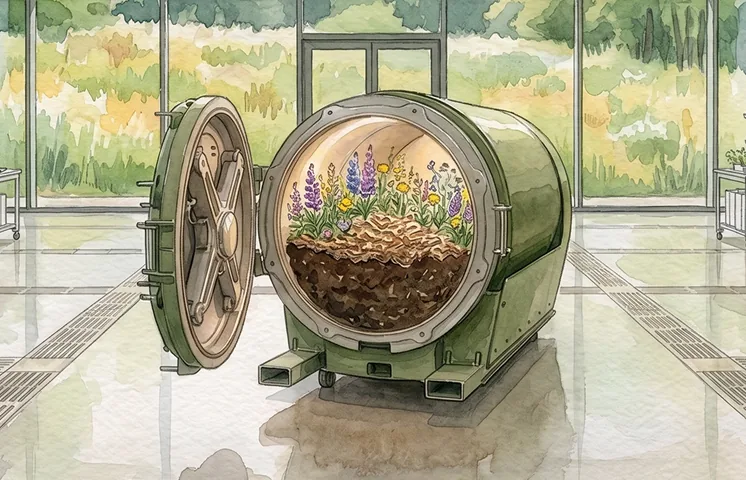
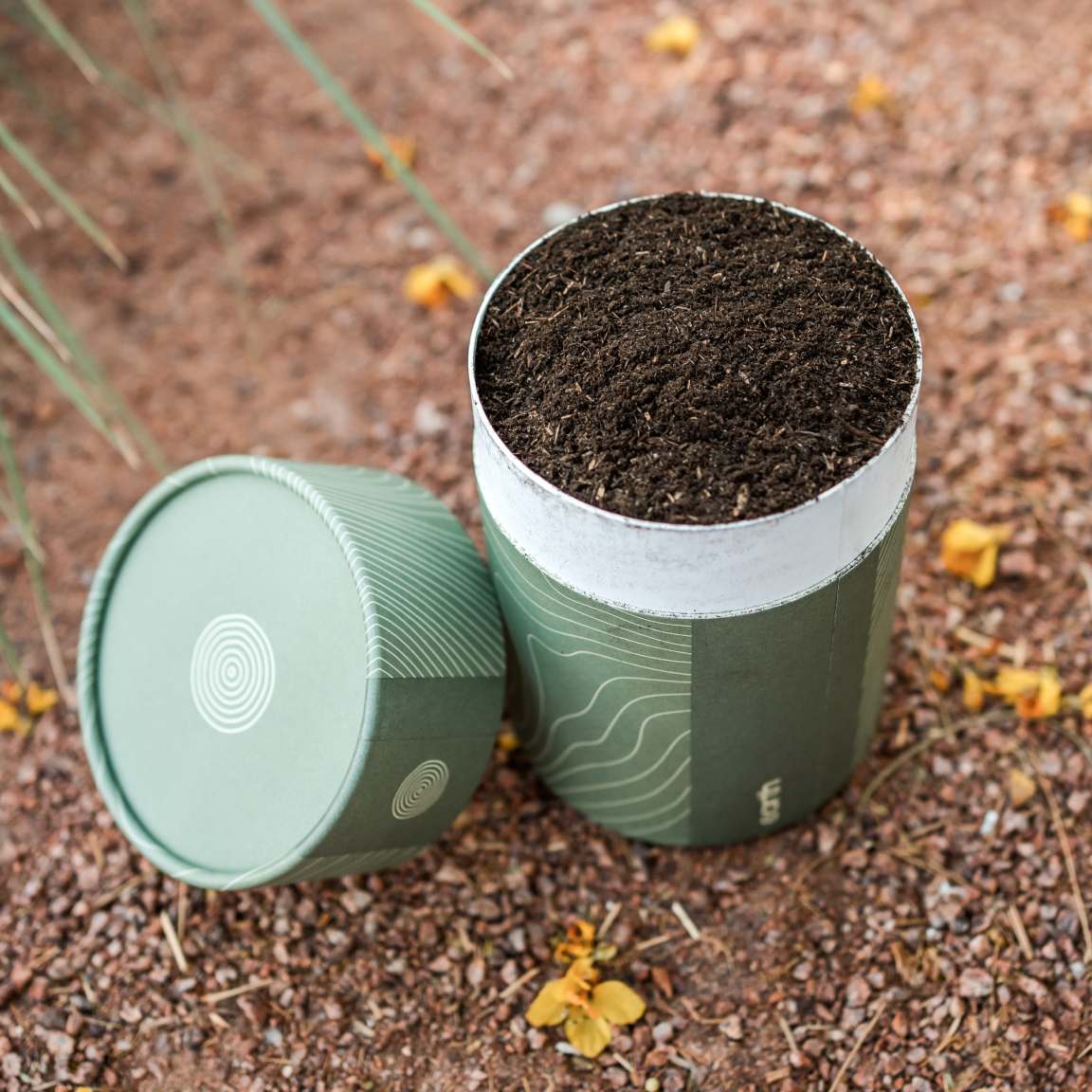
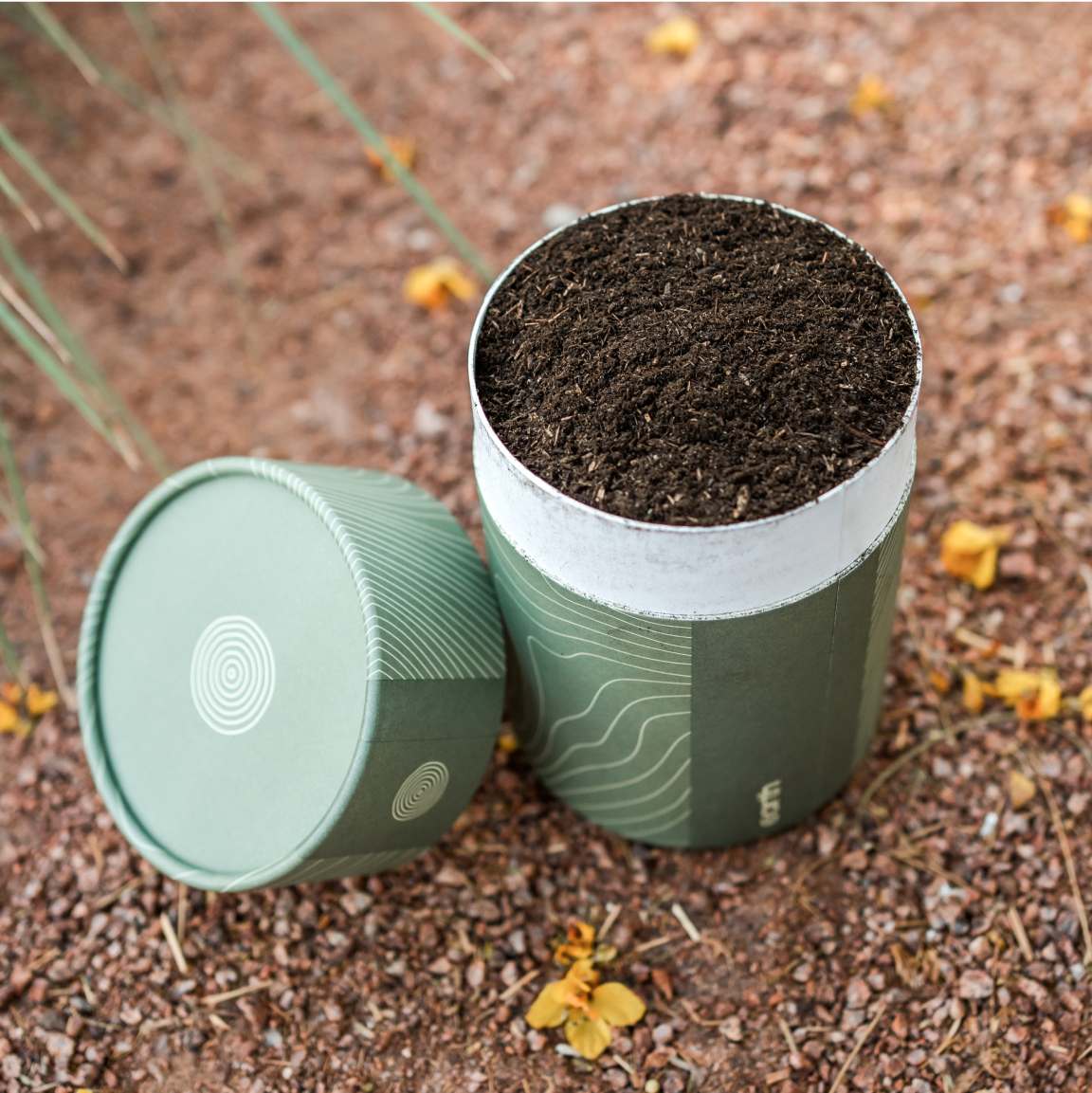
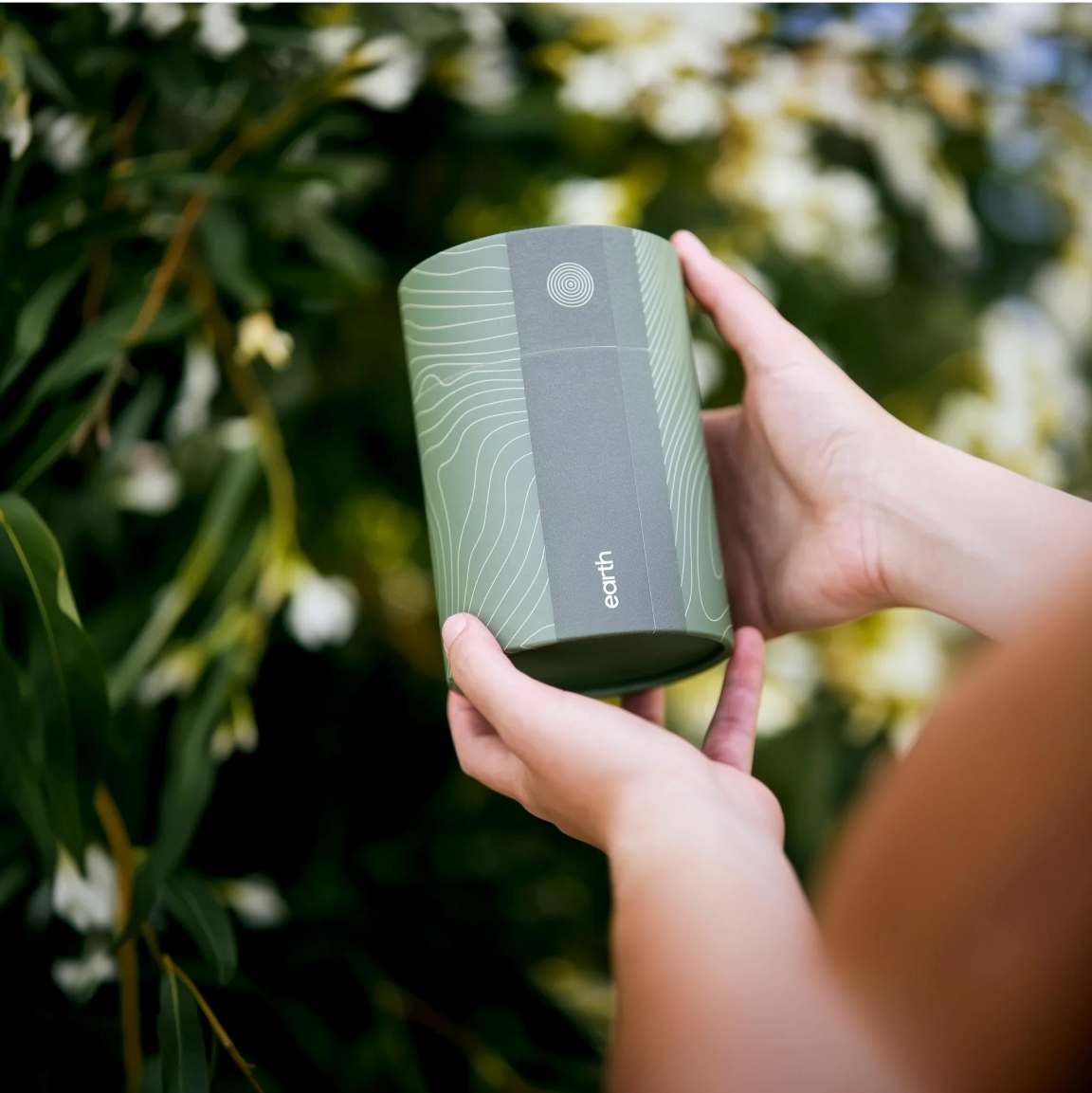
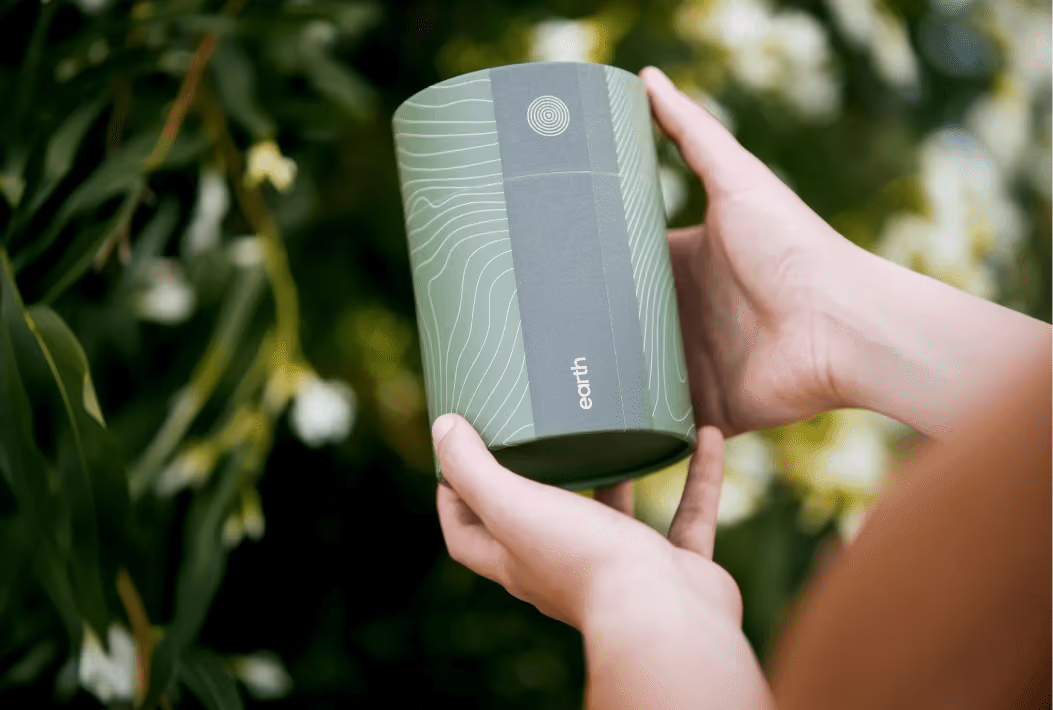
The process involves receiving remains, wrapping them in biodegradable shroud material, and placing them in vessels with organic mulch, wood chips, and wildflowers. Technology controls conditions inside the vessel to accelerate decomposition, yielding nutrient-rich soil in approximately 30 days. Families can choose how much soil they'd like returned, for planting, sharing, and more.
Return to nature through soil transformation
A natural alternative to burial or cremation that creates new life. Get an instant quote by answering just a few questions.
{{CTA-webinar-2}}
"It's a gentle, natural process that returns you to nature, and that's ultimately why people choose it."