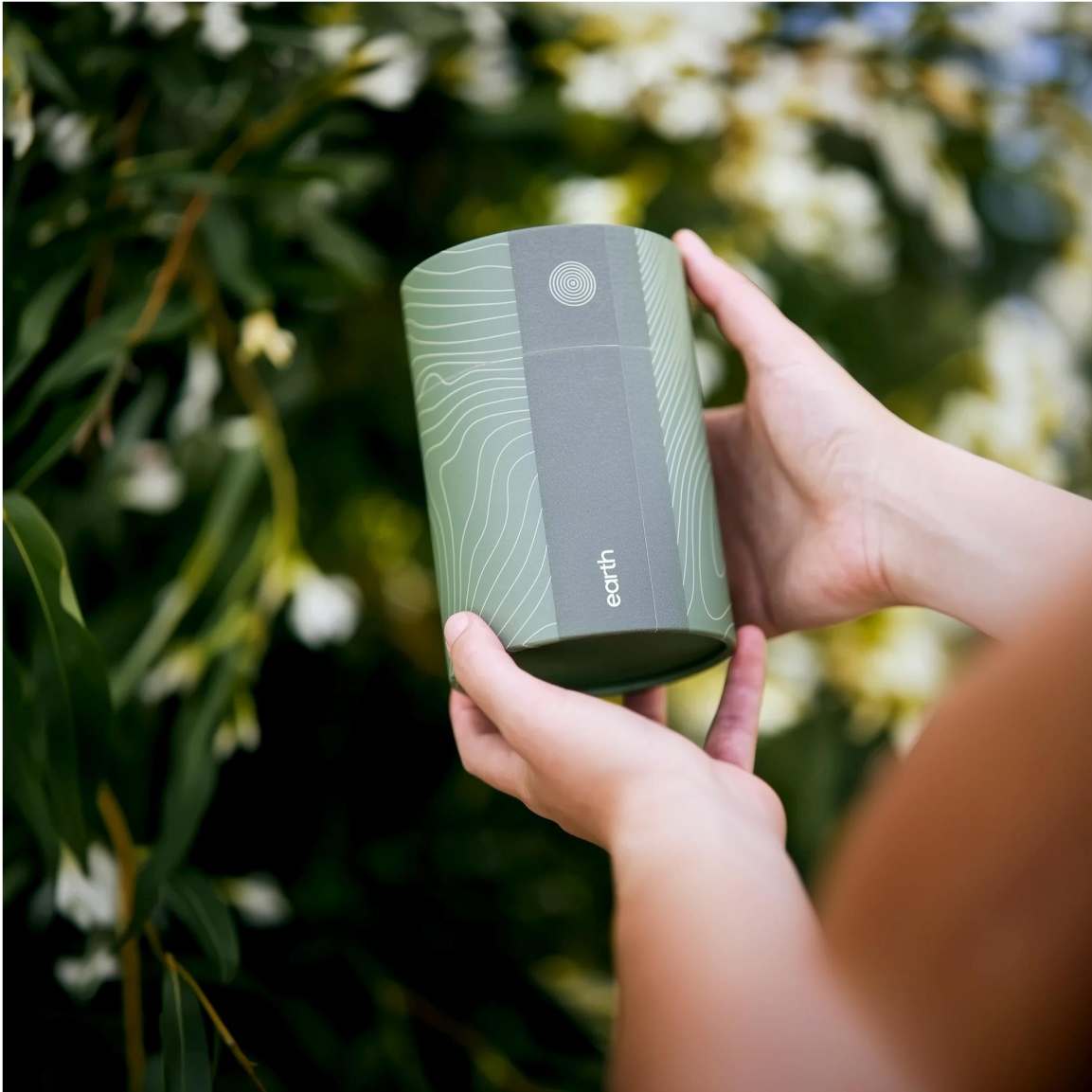
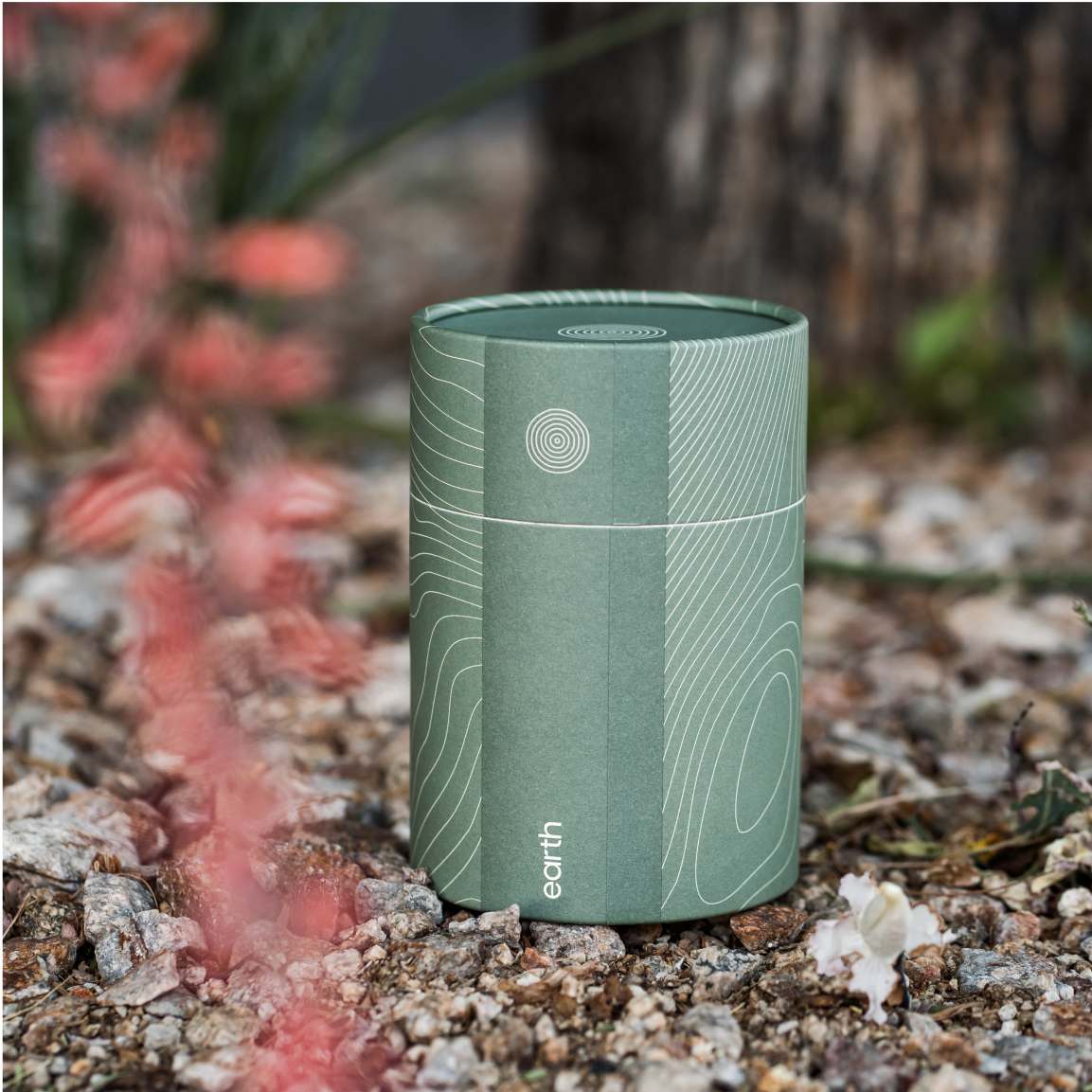
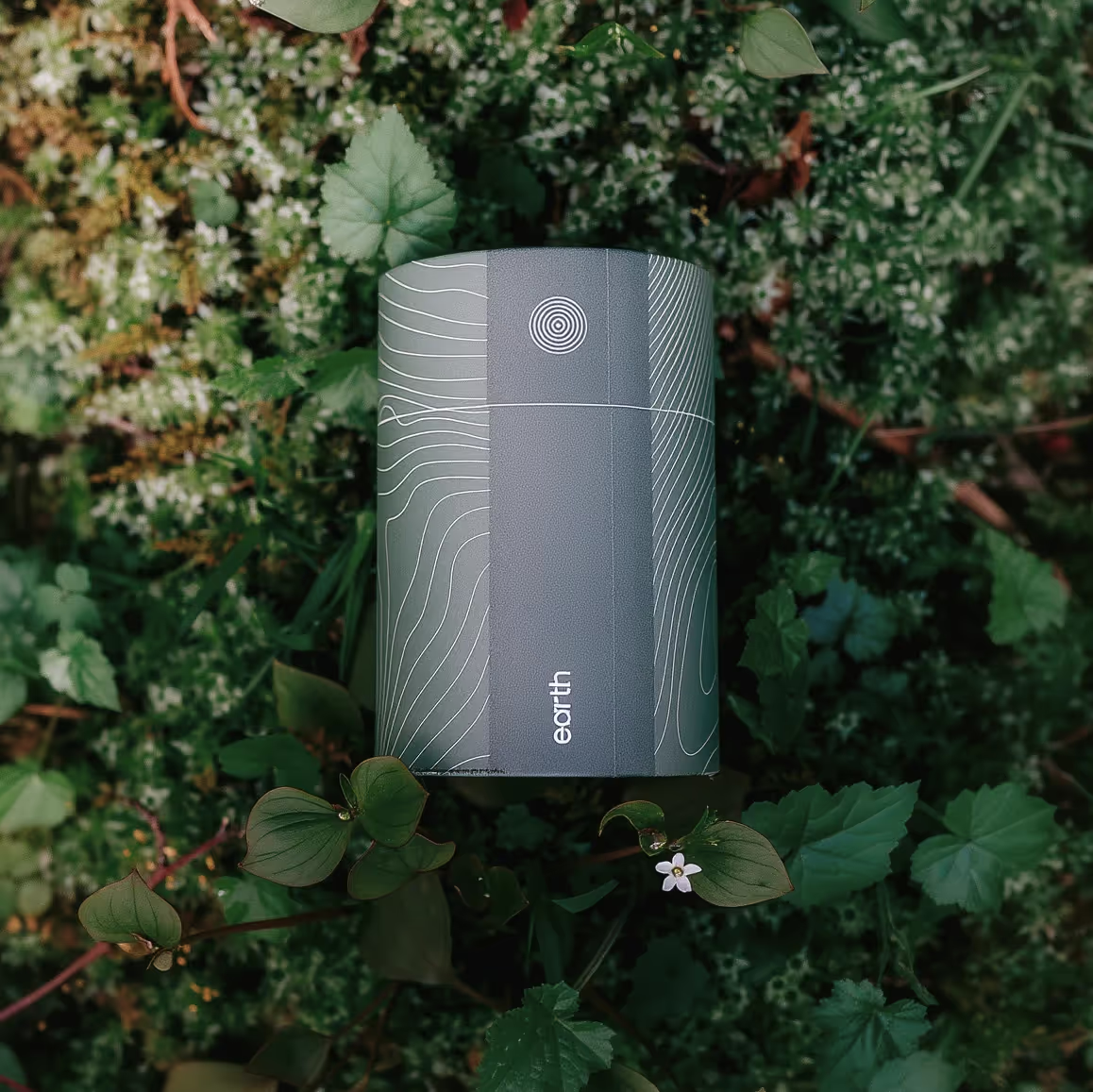
As Seen In Gardening Know How: You Can Now Be Composted and Returned to Your Garden as Soil – the End-Of-Life Care Option That's Appealing to Gardeners

.jpg)
.avif)

Gardening Know How
|
August 22, 2026
What if the garden you spent a lifetime tending could hold you forever? For some gardeners, that's no longer a question, it's a choice.
Dianne Stanciel's houseplant had never done well, until she added soil made from her husband Kenneth. It's thriving now. That's the story Gardening Know How's Emma Kendell opens with, and it points to something bigger: this soil is being spread in the beds and pots gardeners tend every day. Emily, in Washington, spread soil from her husband of 53 years into the circle garden of azaleas and wild strawberries they had built together. And Kimberly, who has already made her own arrangements with Earth Funeral, has told her family exactly where hers should go one day: the camellias, the lemon trees, and the Japanese maples she has tended for eighteen years.
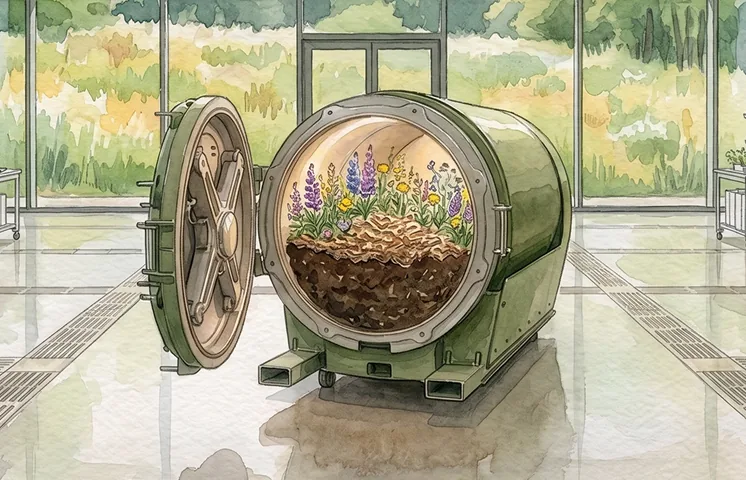
Here's what makes that possible. Natural organic reduction lays a body with wildflowers on natural mulch and wood chips inside a sealed vessel. Balanced carbon, nitrogen, oxygen, and water let naturally occurring microbes do the rest. Over 30 to 45 days, the process neutralizes harmful pathogens, and every batch is independently tested before it reaches a family.
The finished soil holds onto roughly 90 percent of the body's original nutrients, the same building blocks gardeners already look for on a fertilizer bag. Nitrogen fuels the leafy green growth and photosynthesis every plant depends on. Phosphorous supports strong root systems along with flowering and fruiting. Potassium helps plants hold up under drought. Calcium strengthens both the plant and the soil structure around it, and trace minerals round things out, supporting functions like chlorophyll production.
That kind of care now happens at a bigger scale than ever. Earth Funeral's Maryland facility in Elkridge is the largest human composting facility in the world, with 126 vessels giving families on the East Coast a nearby option for the first time.
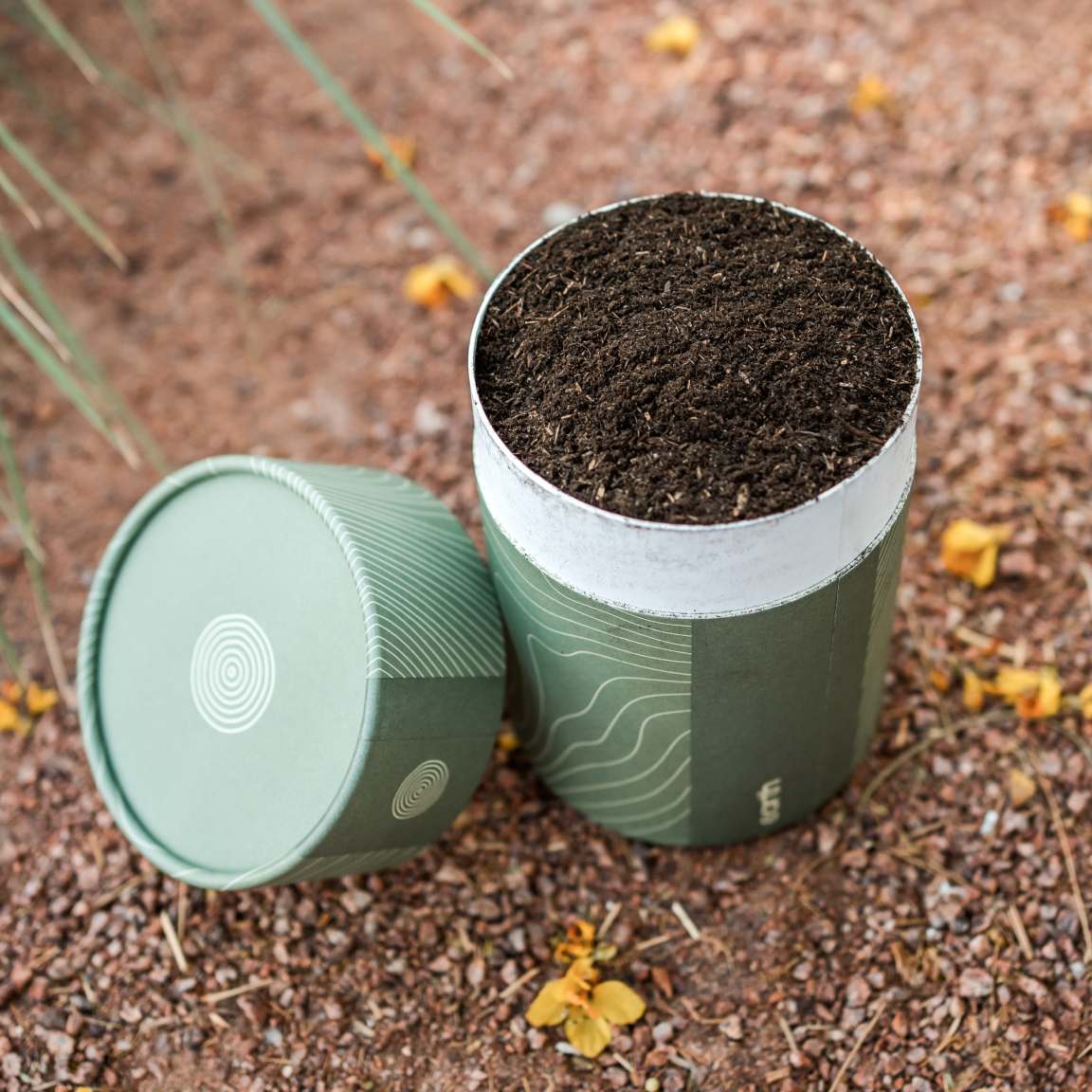
For gardeners, the real question is how to use it. Kendell suggests to mix it into garden or potting soil at 10 to 20 percent, or spread it as mulch, though it is suggested to follow all local rules and regulations, as these vary by location. Families are able to keep as much or as little soil as desired and have the option to donate the rest to conservation sites.
This option is already legal in more than a dozen states, but legalization only determines where a facility can operate. It doesn't determine who can use one. If you live in a state where soil transformation isn't yet legal, Earth Funeral can still serve your family, coordinating transportation to one of our licensed facilities and returning your soil to you at home.
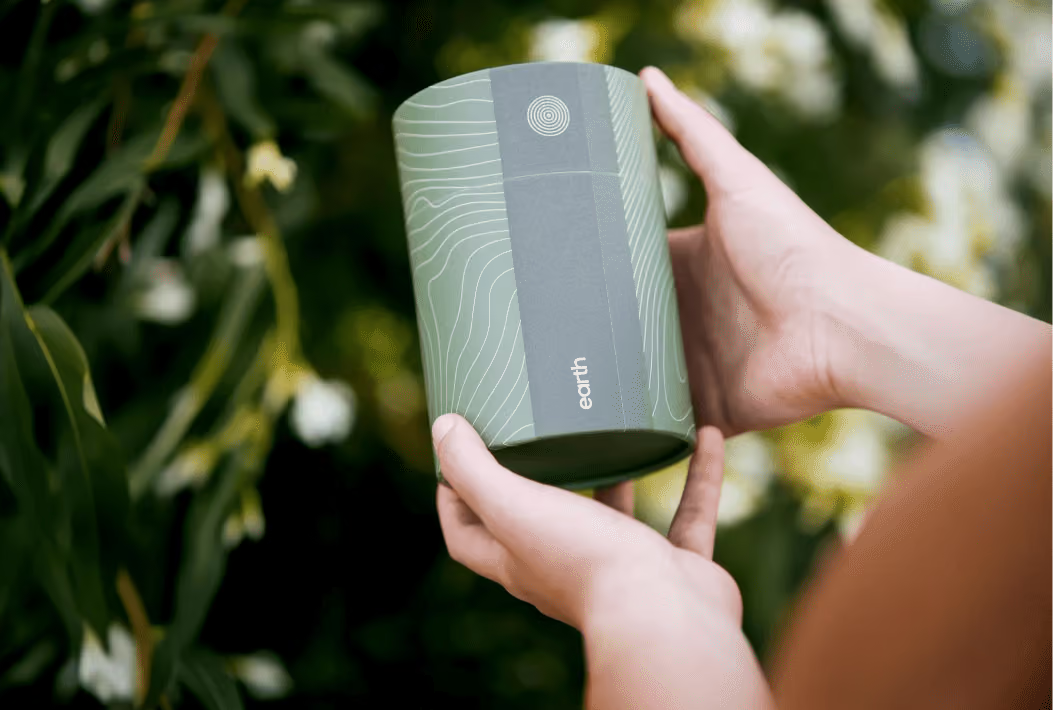
Return to nature through soil transformation
A natural alternative to burial or cremation that creates new life. Get an instant quote by answering just a few questions.
{{CTA-webinar-1}}
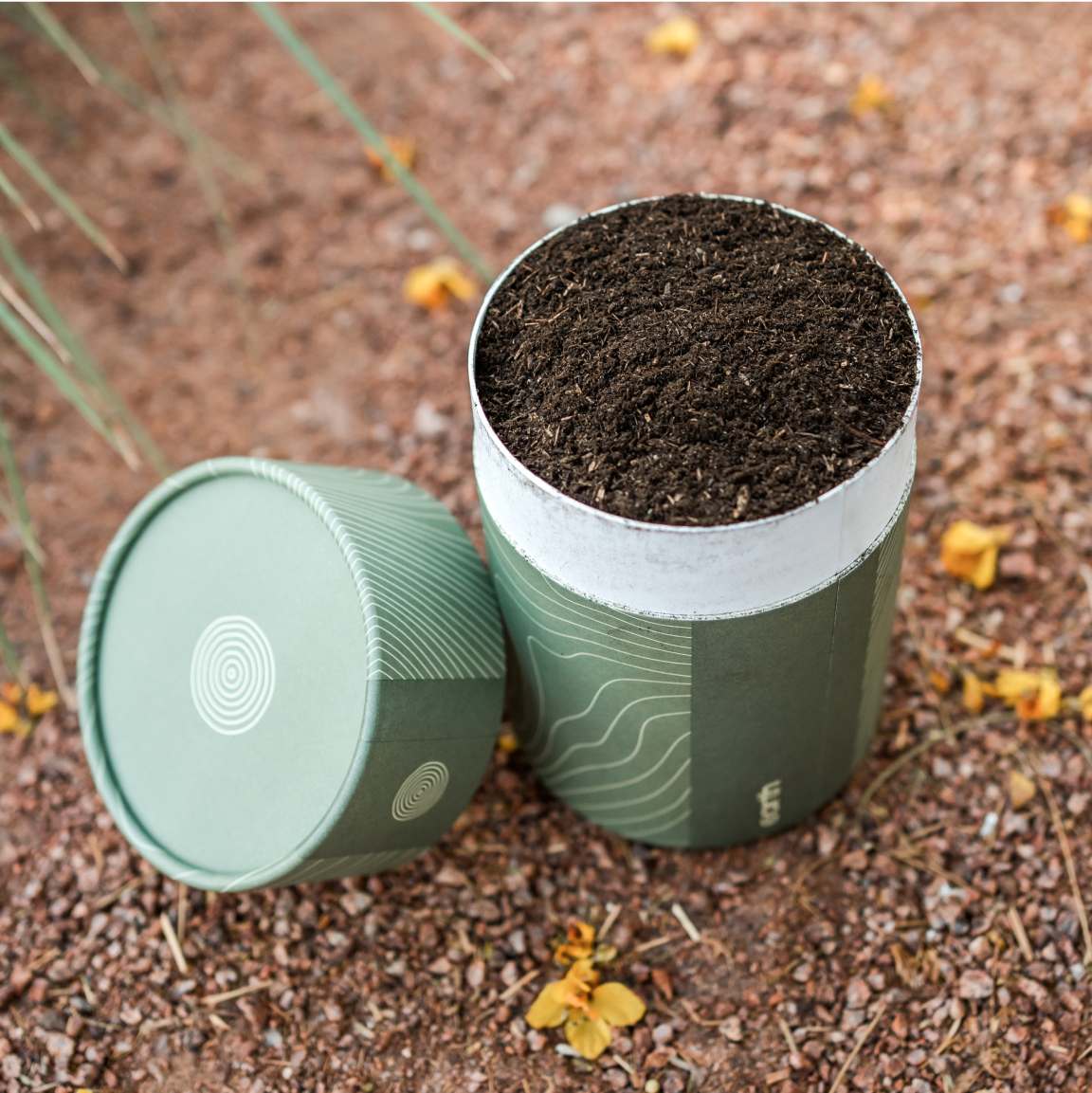
"Soil created from human remains looks no different from regular garden compost."