I See Life In This Plant
Kenneth and Dianne's Story
.avif)
Kenneth and Dianne's Story

Kenneth and Dianne's Story
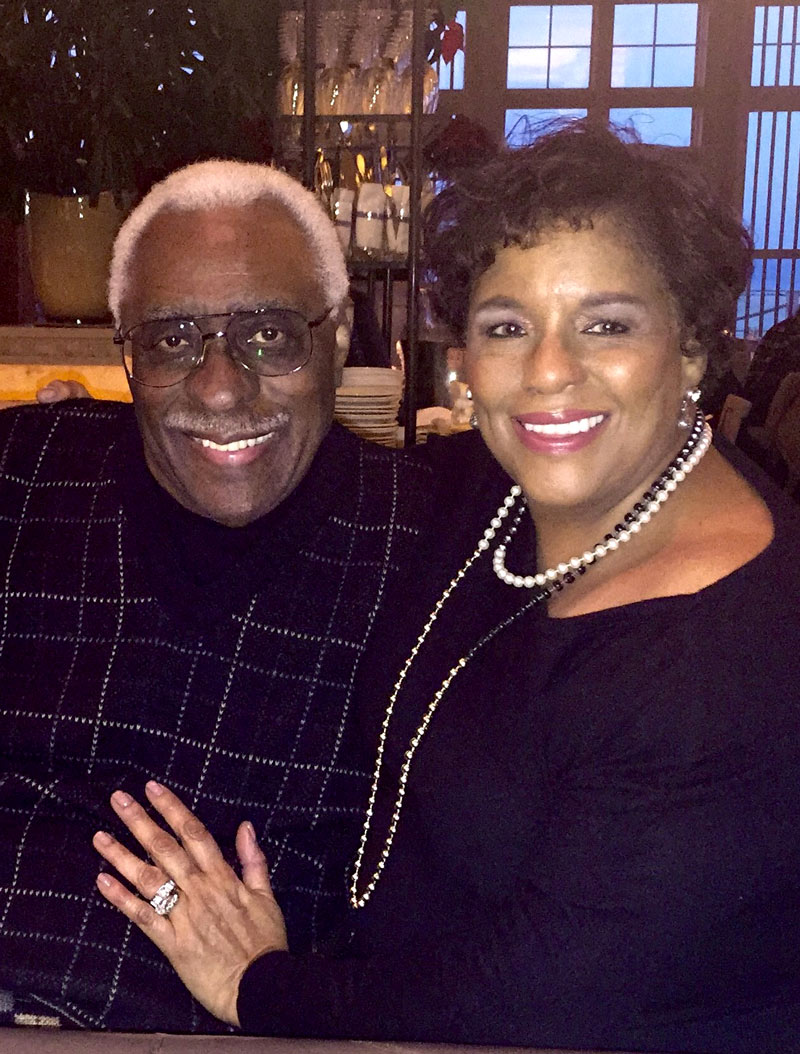

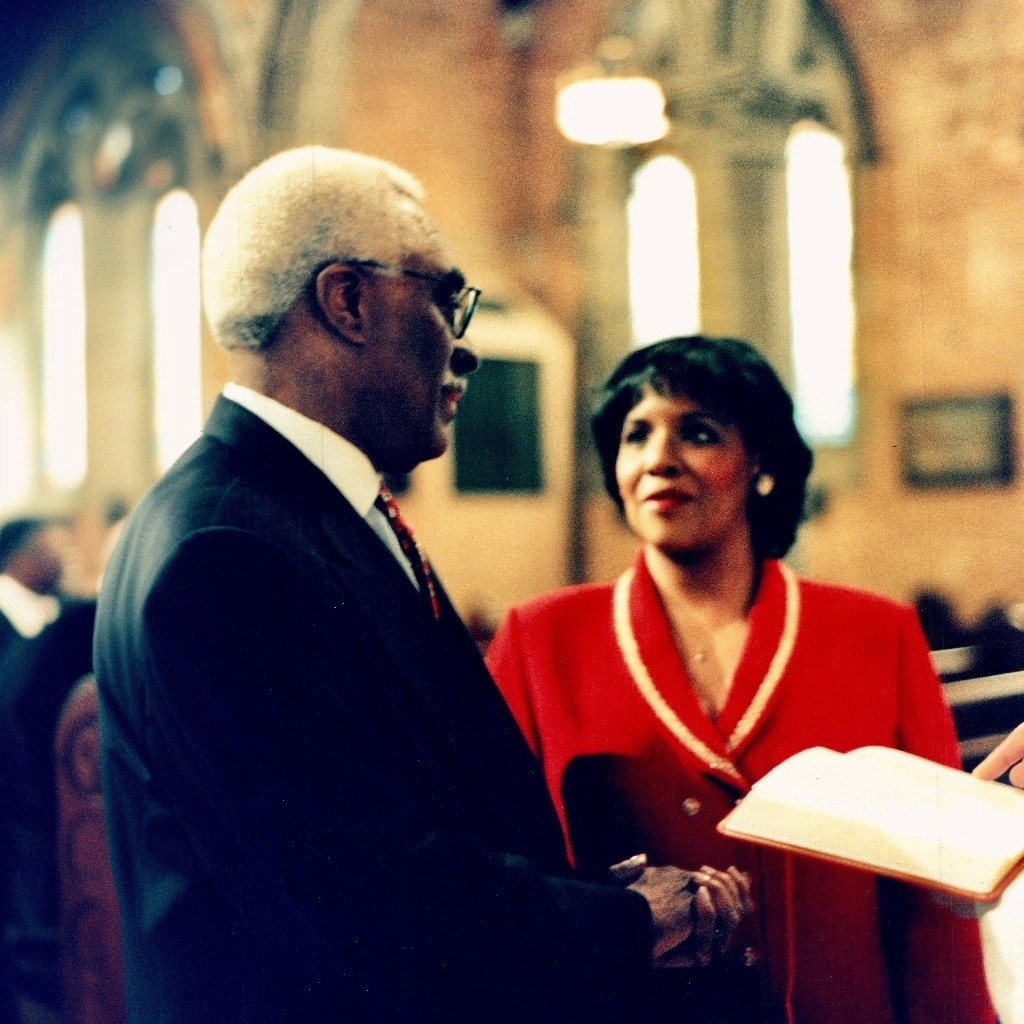
Dianne Stanciel sits in her New Jersey townhouse, tending to a plant that once drooped hopelessly in the corner. Her late husband Kenneth had no patience for it. "He thought it was hopeless," she says with a laugh.
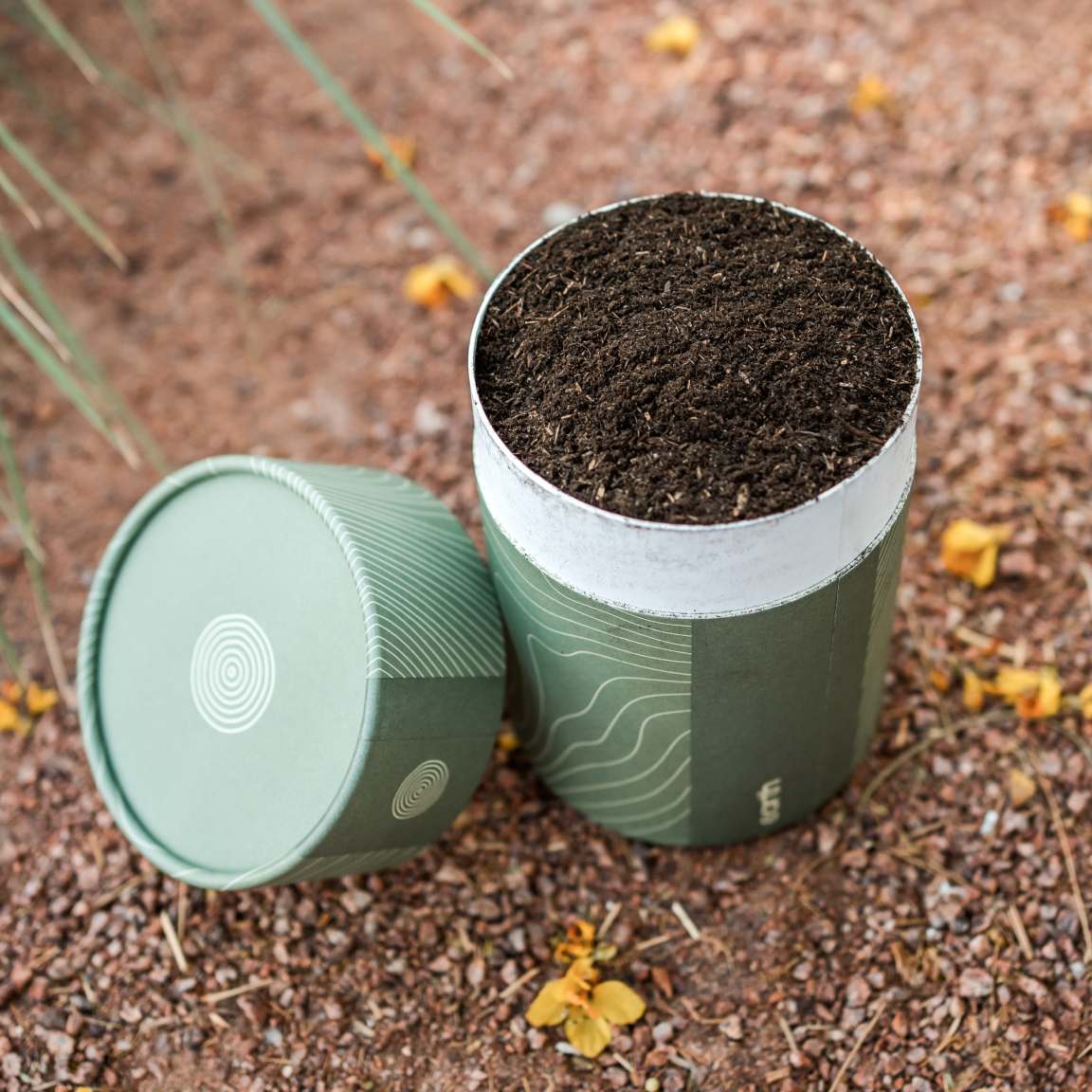
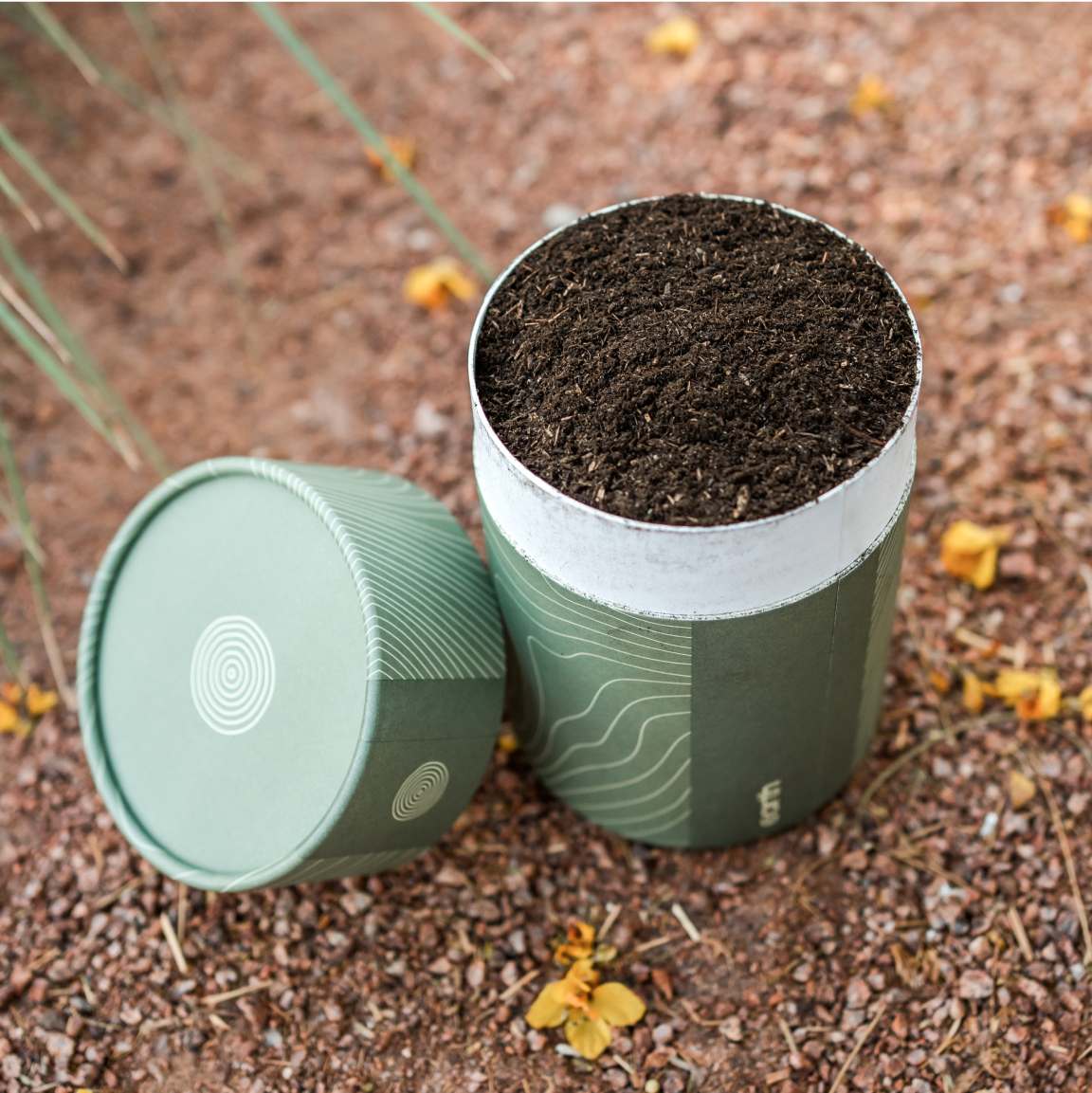
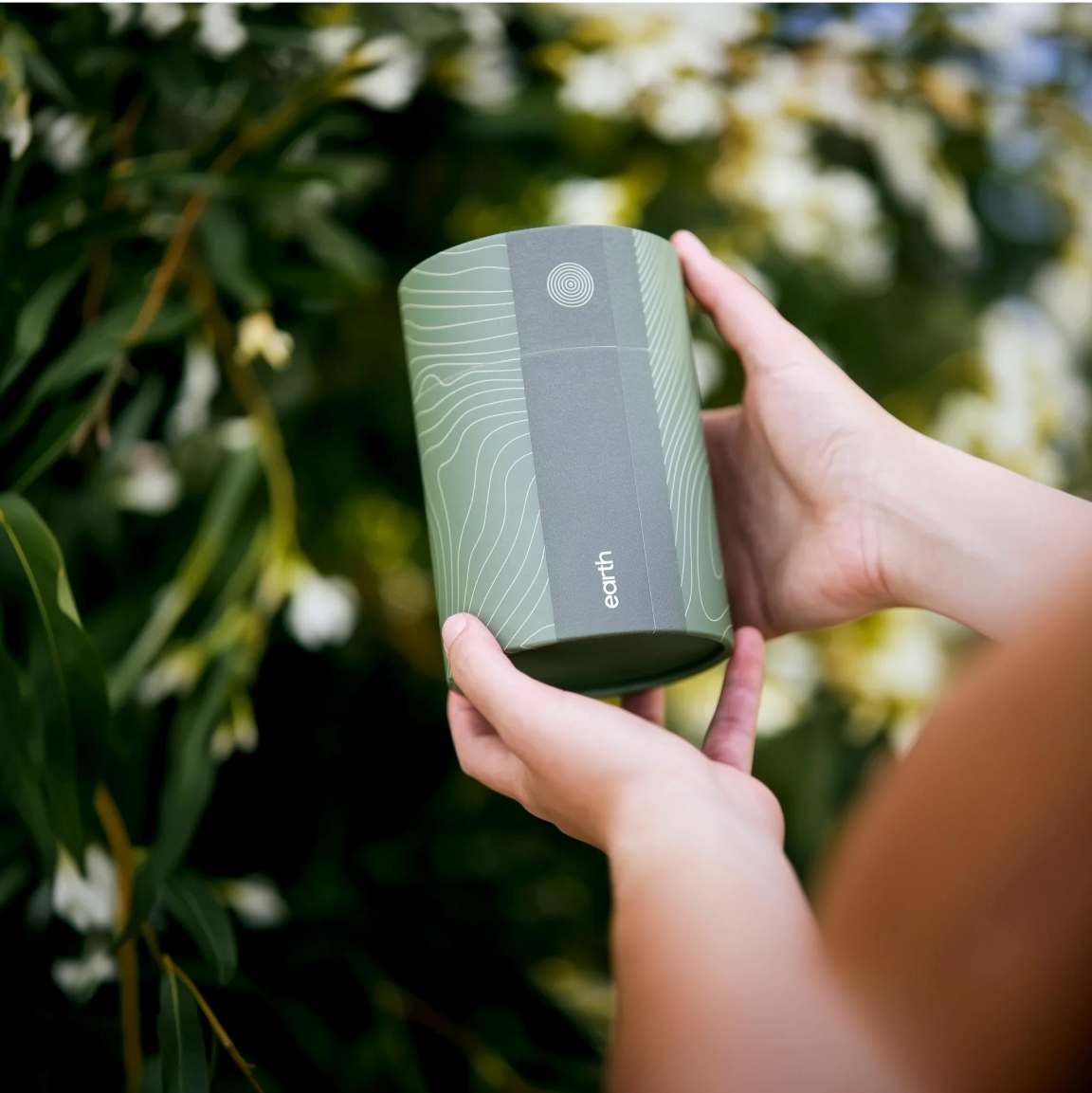
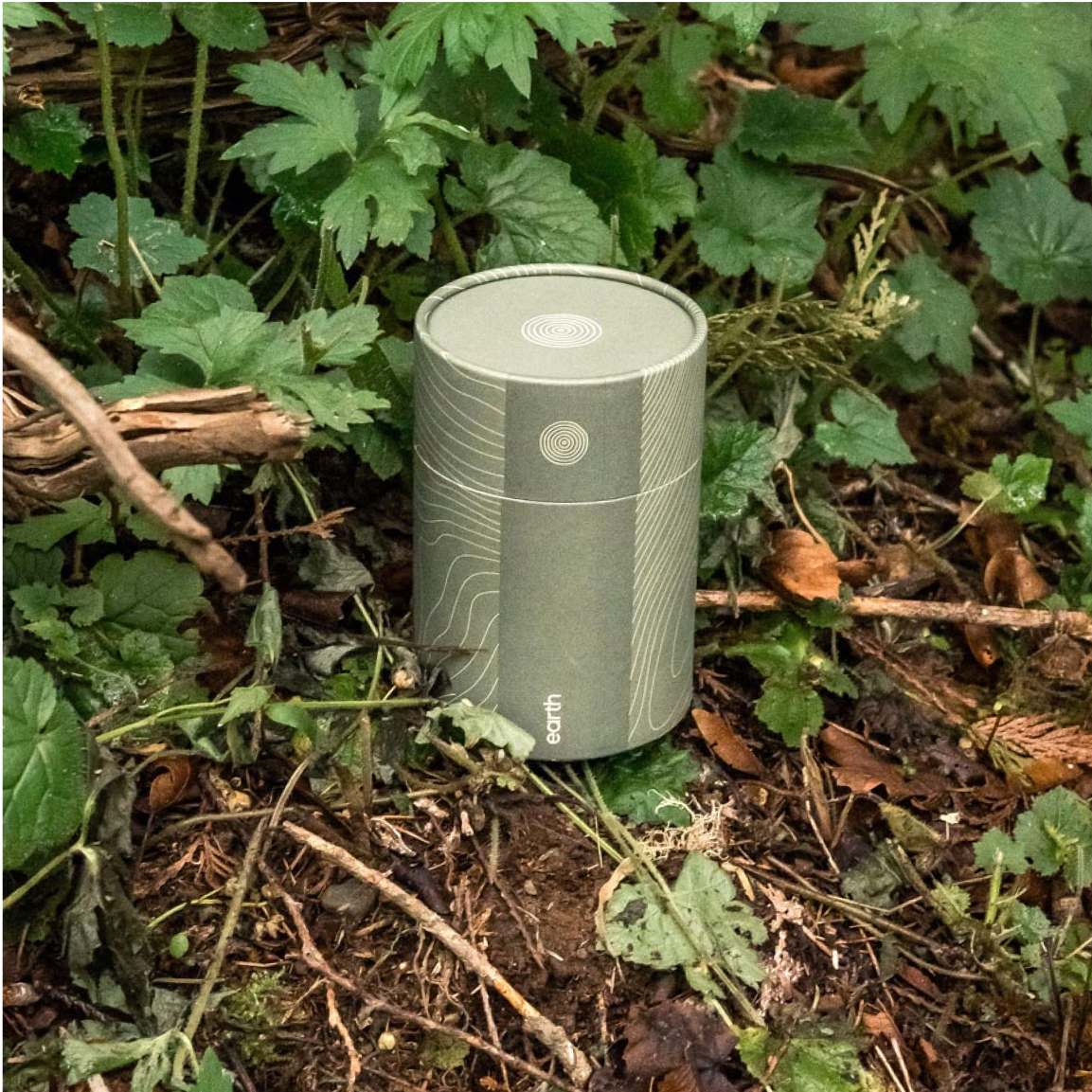
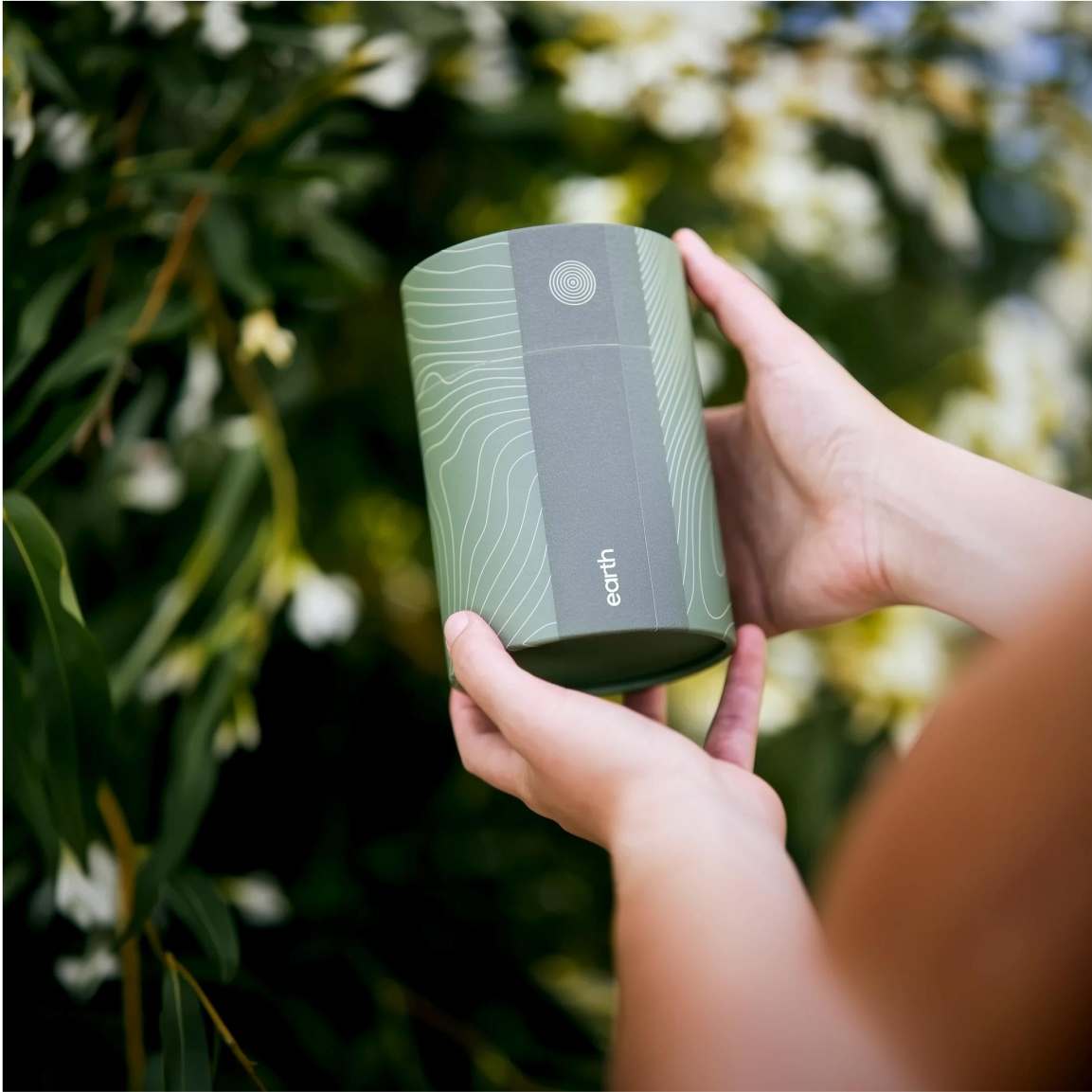
Today, the plant stands vibrant and tall. Mixed into its soil is something precious: soil created from Kenneth's remains through Earth Funeral's human composting process.
"For me, it meant if that's Ken, then there's life in the house," Dianne says. "And I have the opportunity to make a slow goodbye."
"A Classic, Good Old-Fashioned Guy"
Kenneth was the kind of man who walked on the outside of the curb when he walked with you. Who opened doors. Who always had a card or gift, whether it was a holiday or just because. A former Air Force serviceman and minor league baseball player who once played in Yakima, Washington, Kenneth was Dianne's calming influence—the Illinois native who would gently tell his fast-moving New Jersey wife to "slow down."
"He was sweet. Just a very sweet guy," Dianne says.
They met as coworkers at a Chicago radio station in the 1980s—Dianne on the creative side in the newsroom, Kenneth in sales. Years later, when Dianne flew in from New York to visit a mutual friend who was dying, she discovered Kenneth had organized a farewell party. It was so typical of him.
Kenneth's first wife had passed away several years earlier, eight months after his retirement. They'd had a long, successful marriage and two sons together. Now Kenneth was ready for a new chapter.
He once made Dianne a Valentine's card that said: "I know I wasn't your first love, but I hope I'm your last love."
"I was his last love," Dianne says matter-of-factly.
Dianne appreciated that Kenneth talked openly about his first wife. "Life is life," she says. "If he wanted to talk about it, we talked about it."
They married in 1999. Kenneth commuted to New York every two weeks for six years while Dianne finished her career there. When she retired, they moved back to Chicago, then to North Carolina, and finally to New Jersey, where Kenneth wanted Dianne to be close to home. They traveled—simple road trips across America, visiting the Rock and Roll Hall of Fame in Cleveland, driving down the coast of Florida, flying to Bermuda.
As Kenneth got older and his health declined, they spent more time in the house together. "We talked a lot about everything," Dianne recalls. Looking back now, she realizes Kenneth knew he was leaving. He would say things like, "I'm just happy to wake up in the morning."
Two days before he died, a new couch they'd ordered finally arrived—one Dianne had researched extensively because Kenneth had back problems. He sat on it once. "You got that couch for me?" he asked, laughing. Then: "Just make sure this is your last couch."
He passed that night. He was 90 years old.
"We Have to Modernize"
Kenneth didn't want a traditional funeral. He felt funerals were "so temporary"—people come, they cry, they eat food, then it's over. He didn't want to be buried in the ground either. And he didn't want cremation.
"We were really figuring, we didn't know what to do," Dianne says. "We figured we would have cremation if nothing else."
Then a friend who also served as their trustee saw a story about human composting on CBS Sunday Morning and sent them a link. Kenneth and Dianne looked it up together.
"He said, 'That's interesting,'" Dianne recalls. "I said, 'Yeah, and whichever one of us goes first, you can have some of the compost if you want it.'" Kenneth made a joke about her struggling houseplant. They both knew he would've thrown it away.
But they were serious about the choice. They had their lawyer update their will and trust to specify Earth Funeral. That was July 2024. Kenneth died that February.
"Even though Kenneth was Catholic all his life," Dianne explains, "this is what he wanted. And nowadays people do what they want to do. A lot of times people are tired of heavy ritual."
Dianne sees human composting as inevitable evolution. "Just like we've gone from handwriting and personal phone books to our contacts in our cell phone, everything's gone digital. We have to modernize."
She's practical about the realities: "Cemeteries are running out of space. Towns and cities are running out of land. Cremation lets fumes into the air. I think the more people learn about human composting, the more people are going to gravitate towards it."
4 O'Clock in the Morning
When Kenneth died at home around 4 a.m., Earth Funeral walked Dianne through everything. Kenneth's remains had been picked up by the local funeral home, and Earth Funeral coordinated directly with them.
The experience was the opposite of what Dianne expected from the funeral industry. "I know that funeral directors tend to talk slow and low and cock their heads and pretend to be sad for you—they're counting the money," she says bluntly. "I did not get that from Earth Funeral. What I got was that Earth Funeral takes the time with every individual that comes to them."
Most importantly, Earth Funeral gave Dianne space to grieve. "I didn't have to go choose a casket. I didn't have to make sure all the children's names were spelled correctly in a program and get tissues and order food and then house people from out of town. It was easy for me because I just dealt with Earth Funeral, and I could be alone for a couple of days, which is what you need."

Life in the House
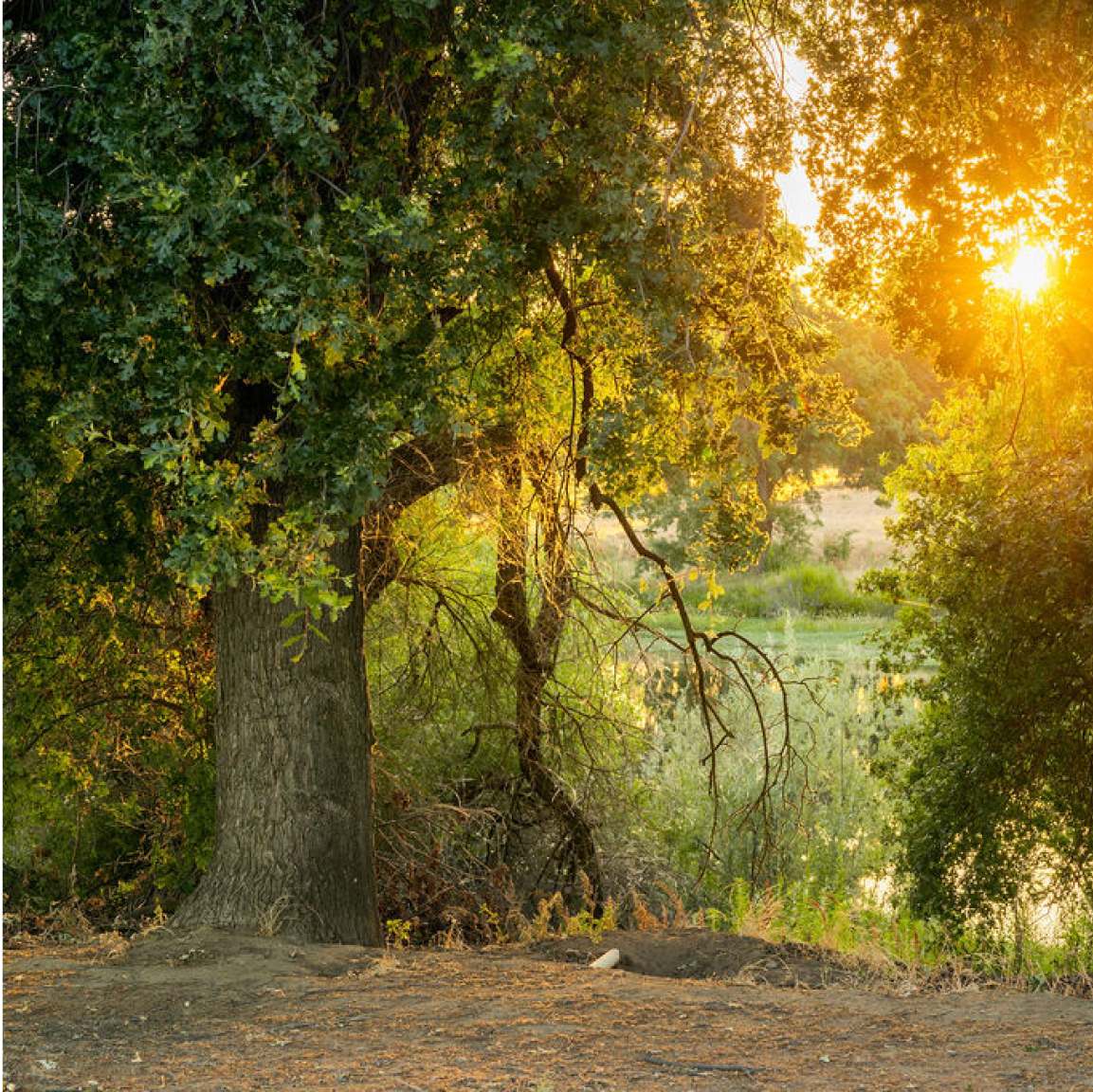
Most of Kenneth's soil went to Earth Funeral's conservation land in Washington. Dianne kept some for herself.
"I wanted the soil, not because I thought it was going to keep my houseplants alive. I wasn't even thinking about that," she explains. "I wanted the soil because for me, it would be, in some strange way, a slow goodbye."
She decided to try it on the plant Kenneth had always criticized. She mixed some soil with potting soil, spread some across the top, and watered it. Four or five days later, she came downstairs to find it standing up straight.
"It was standing up, looking at me like, 'What took you so long to come downstairs?'" Dianne says. "For me, it was a miracle."
She pauses, then adds with a smile: "It also gives me something to smile about because it's not a smiling topic. I see life in this plant. That's his honeydew list—you didn't like it, but you're keeping it alive."
A Vision for the Future
Dianne has become an unexpected advocate for human composting. She sends Earth Funeral newsletters around the country. She talks about it with friends, including those from traditional backgrounds who initially had reservations.
One of Dianne's friends has already changed her mind from cremation to human composting after hearing the story. Others are curious. Dianne is patient with questions.
Her optimism about human composting's growth is infectious. "I think the more people learn about human composting, the more people are going to gravitate towards it," she says. "I really am proud of Earth Funeral for being pioneers with this."
Living in the Now
Dianne has already chosen human composting for herself. At her age, she's pragmatic about death. "It's inevitable," she says. "You can't afford for stuff to be too scary to talk about or too scary to plan for, because when something happens and you haven't done any planning, somebody might throw you in the recycle bin."
She doesn't have children who will visit a cemetery or want an urn on a mantle. Human composting makes sense for her circumstances and her values.
When the time comes, Kenneth's soil will be in Washington. Hers will be in New Jersey. The distance doesn't concern her.
"The spirits are together, I think," she says.
For now, she tends to her thriving plant. She sorts through Kenneth's belongings at her own pace—his custom shirts, his nice watch, the memories. She talks about him when people ask, grateful for the chance to keep his story alive.
"I believe that he is watching over me," Dianne says. "I find myself now knowing what to do for myself. Everything I had to do as a caregiver, it helped me a lot."
She thinks about Kenneth's Southern phrases, his nicknames, his gentle way of watching over everyone. "You're going to get pneumonia of the ankles," he used to warn when she went out without socks. Of course that doesn't exist, she says with a laugh. But that was Ken.
In her thriving plant, in the lives he touched, and in their modern choice, Kenneth's legacy continues to grow—proving that love, like life itself, always finds a way to flourish.
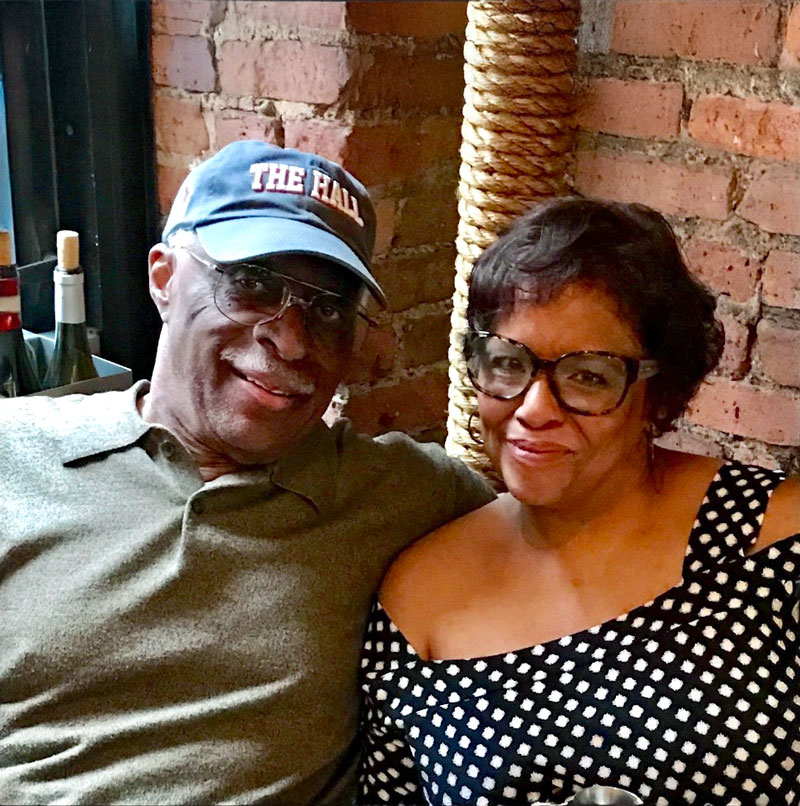
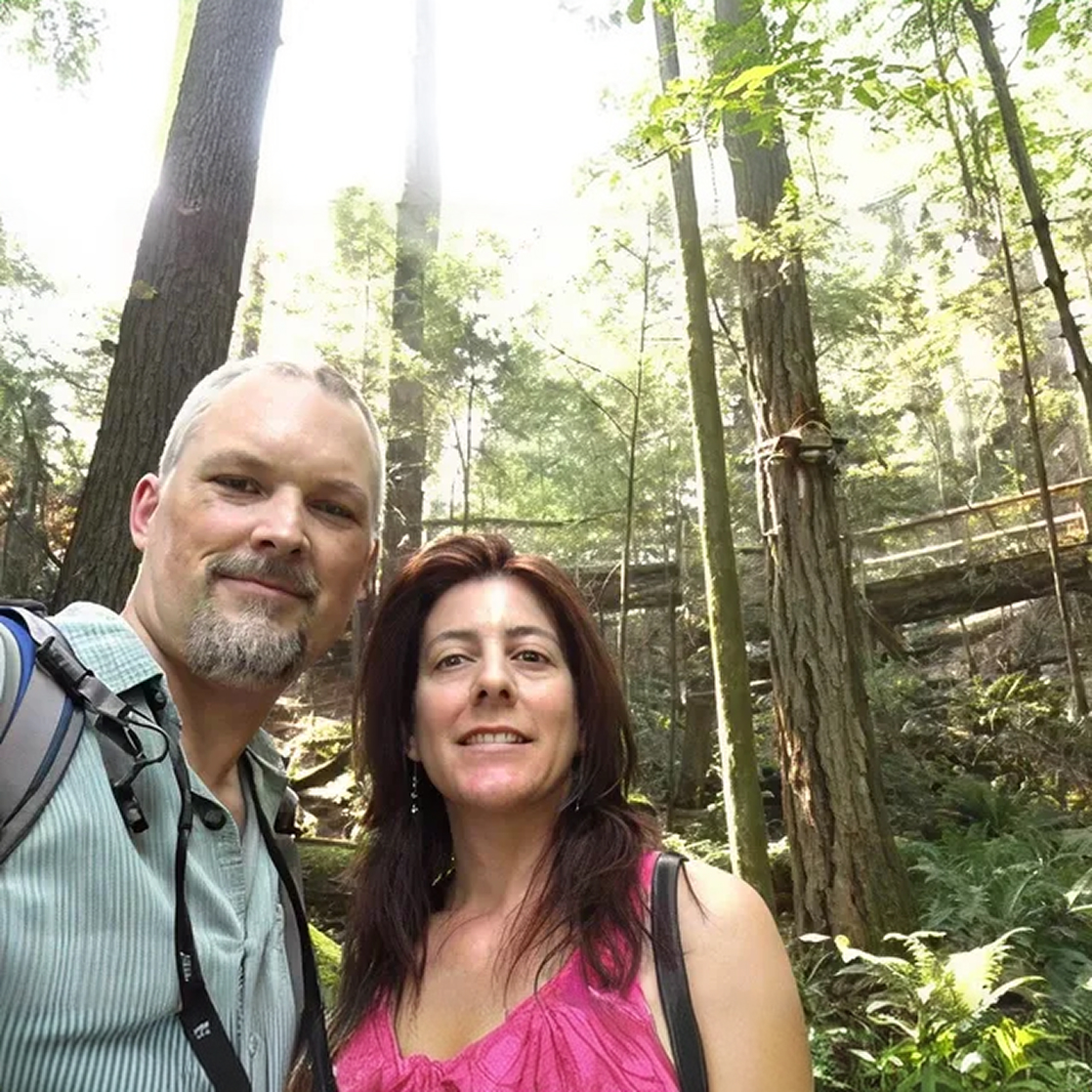
Facing a terminal diagnosis, Todd Warner made end-of-life plans for himself, his wife, and her father—turning a difficult conversation into a gift of relief for his whole family. Now he's on a mission to show others that talking openly about death makes it less scary for everyone.
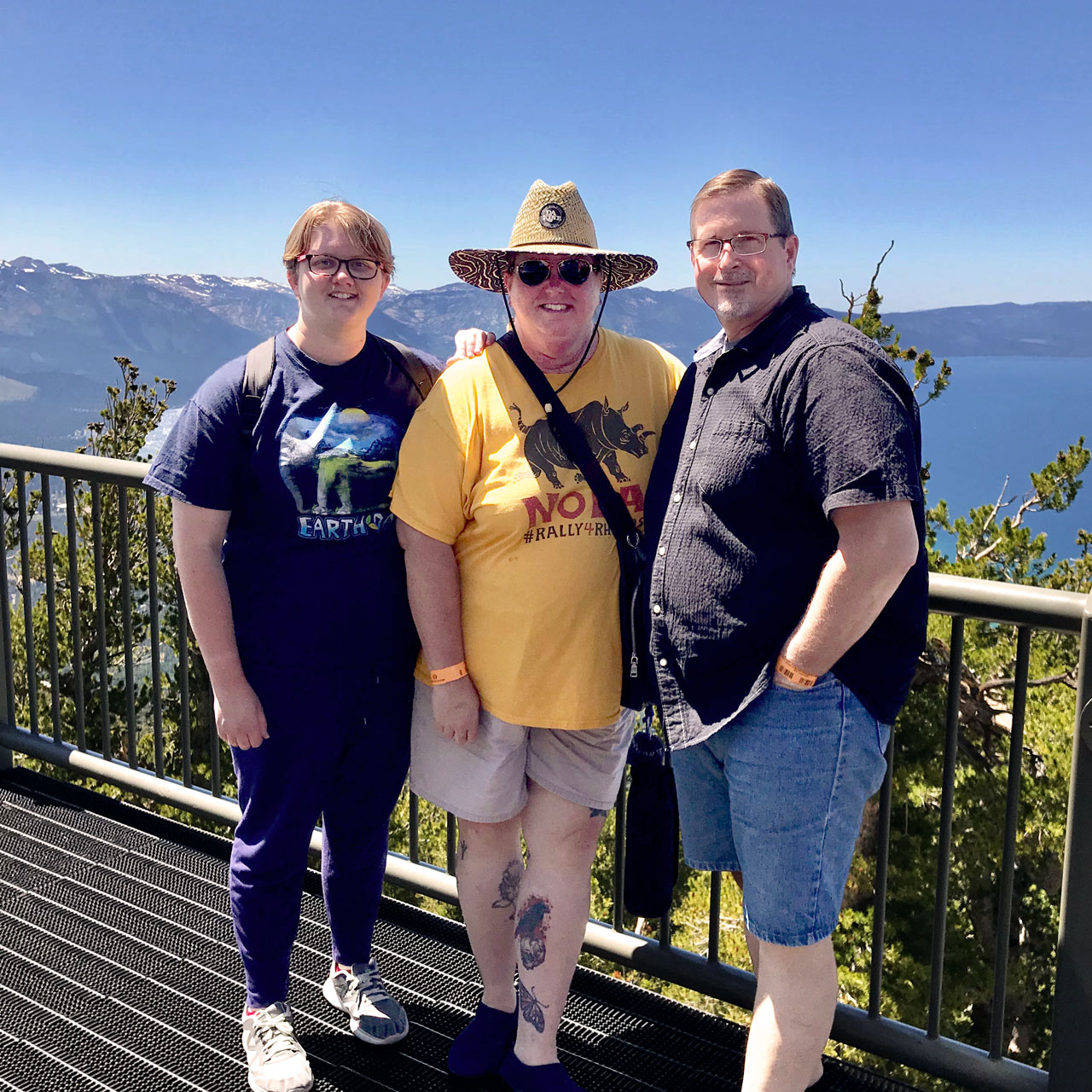
Lifelong science teacher Cheryl Buettner had always fantasized about having an illegal Viking funeral, until she learned about Earth Funeral.

Stephen’s soil transformation enabled meaningful and deeply personal moments for his family, as well as provided continued connection to his partner Sean, who plans to join him at Earth’s Olympic Peninsula conservation site some day.