As Seen In Yahoo News: East Coast Gets First Human Composting Facility as Greener End-of-Life Option Gains Ground

.avif)

Yahoo News
|
August 10, 2026
Three months after opening its doors, our Elkridge, Maryland facility is still making headlines, this time with a closer look at what's actually inside the building.
Aaron Goldstein's piece picks up where earlier coverage left off, framing the launch as part of a bigger shift: families increasingly want their final arrangements to reflect their values, not just tradition or cost, and greener alternatives to burial and cremation are becoming real, tangible options rather than a niche idea.
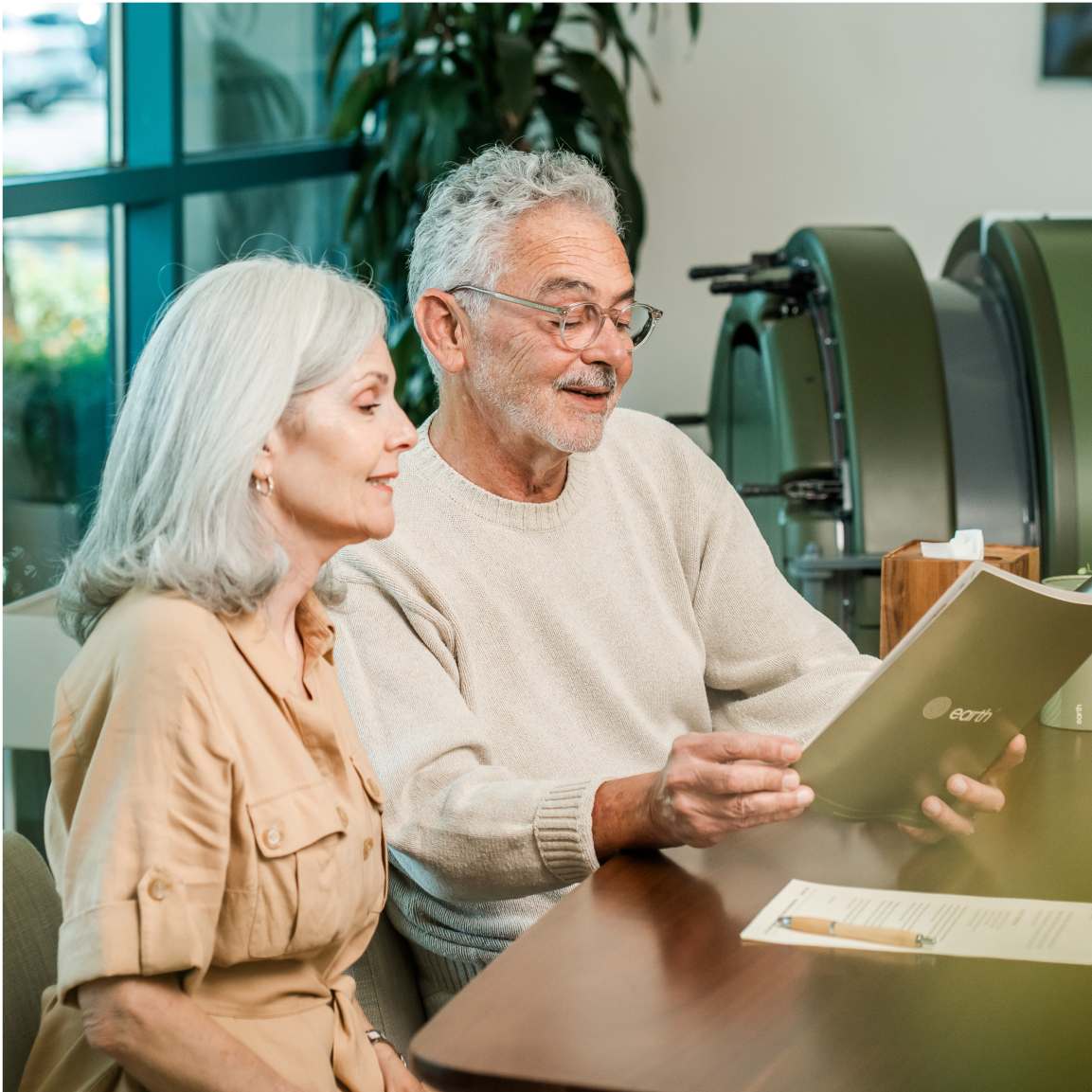
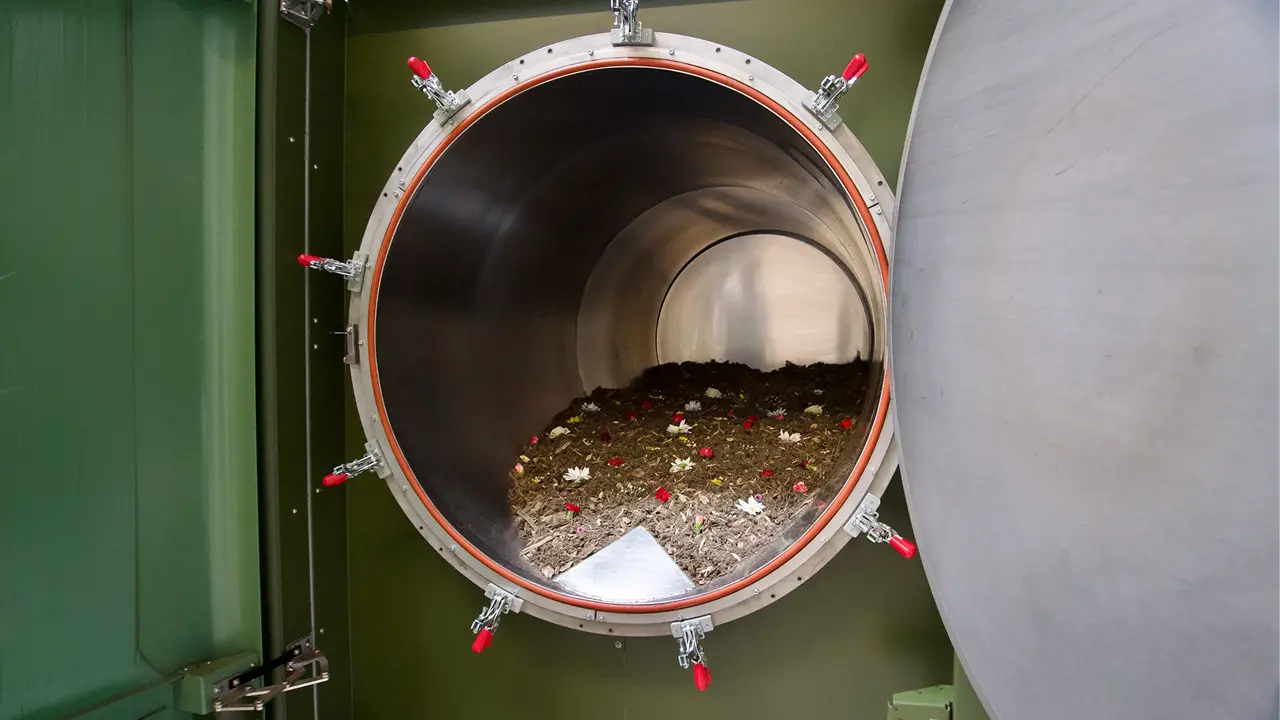
Citing a LOCAL 12 segment, the article gives the first real look at the physical scale of the facility: a 37,000-square-foot center built for both the soil transformation process and for grieving families. The vessel room alone spans 15,000 square feet and holds 126 vessels. Separate spaces are set aside purely for walking families through how the process works and for giving them a private place to say goodbye.
Cofounder and CEO Tom Harries is quoted calling the facility the "largest of its kind in the world."
The article also makes the practical case for a dedicated East Coast site more explicitly than earlier coverage did. It notes that a regional facility removes the logistical burden families used to face when the closest option was across the country, and that the sheer size of the build signals to the market that providers are seeing real demand for climate-conscious end-of-life choices at scale.
The piece closes by tying the opening to a broader trend, noting that human composting is moving beyond a niche idea and that projects at this scale suggest growing demand for climate-conscious choices at every stage of life.
Return to nature through soil transformation
A natural alternative to burial or cremation that creates new life. Get an instant quote by answering just a few questions.
{{CTA-webinar-2}}
"The vessel room takes up 15,000 square feet and can accommodate 126 vessels"