Annual report | October 1, 2025
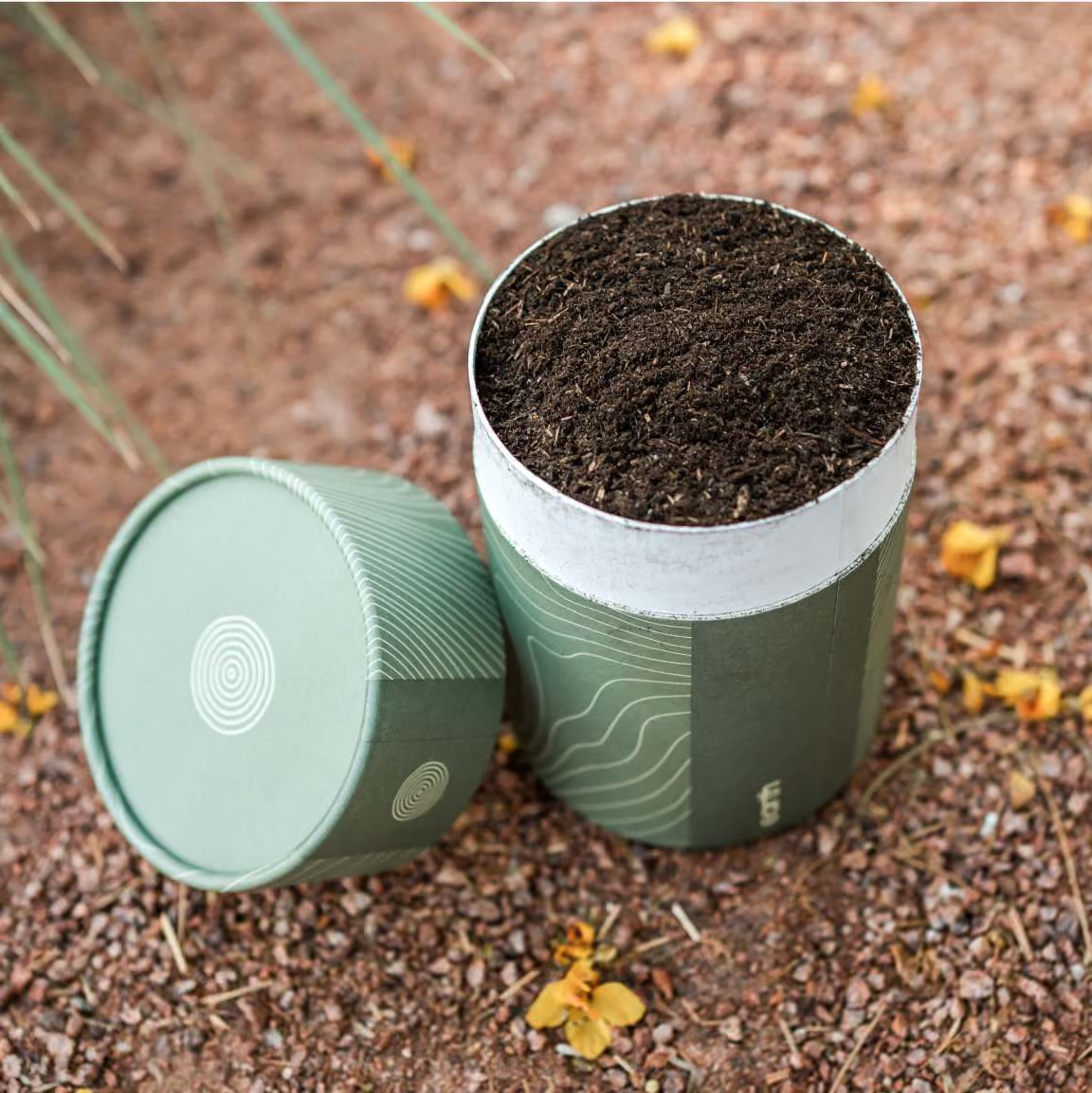
Earth Funeral is the national leader in soil transformation, a natural process that transforms human remains into nutrient-rich soil.
Our August 2025 survey reveals a clear shift toward sustainable, values-driven alternatives among families making end-of-life arrangements.
Research methodology & transparency
- 2,895 families participated in August 2025 survey
- Families defined as people who have expressed interest in or already purchased an Earth Funeral soil transformation package
- Ages 25-97 years old
- All questions were optional to ensure authentic responses
- No incentives were provided for survey participation
Planning is a group activity
One of the most striking findings is how collaborative end-of-life planning has become.
Rather than individuals making solitary decisions, arrangements are increasingly becoming family endeavors that require shared participation. Beyond planning for themselves, more than half of all respondents anticipate helping others:
- 52% of women expect to help someone else with their arrangements
- 54% of men expect to help someone else with their arrangements
Whether helping a spouse, parent, or other family member, more than half
of all respondents expect to be involved in multiple end-of-life planning processes.
53%
of Americans anticipate helping
someone else with end-of-life planning
End-of-life planning is a collaborative activity where individuals serve as guides, advocates, and decision-makers not just for themselves, but for their entire network.
Women initiate conversations
Women are the architects of end-of-life conversations.
While both genders plan collaboratively, women emerge as the clear leaders in end-of-life discussions. A remarkable 93% of women started the conversation about end-of-life planning in their households.
This means that in more than 9 out of 10 households where women are present, they are the ones breaking the silence on death planning, transforming what was once a taboo topic into active family dialogue.
Women’s expanding circle of care
Women think beyond themselves when planning for death.
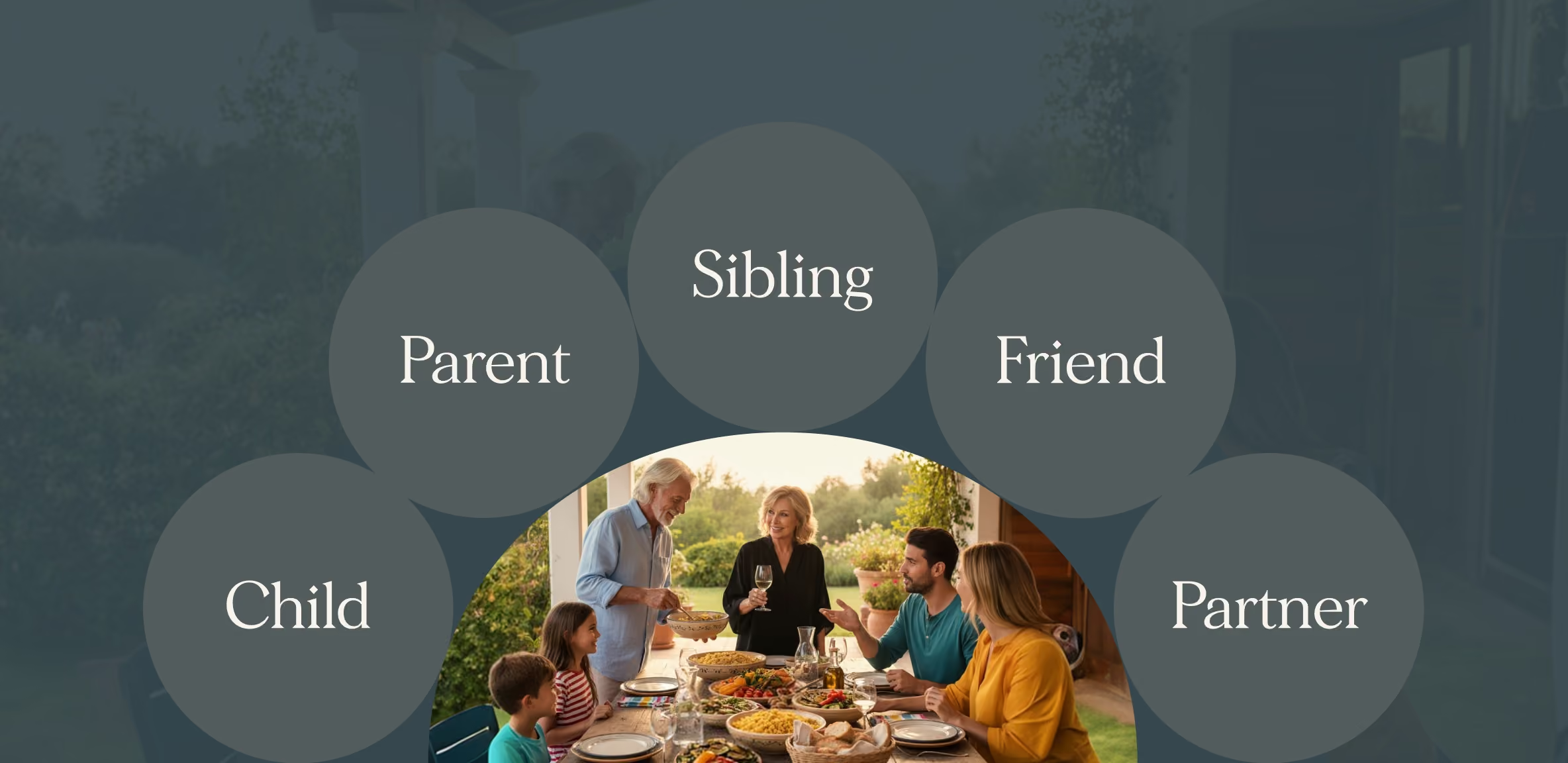
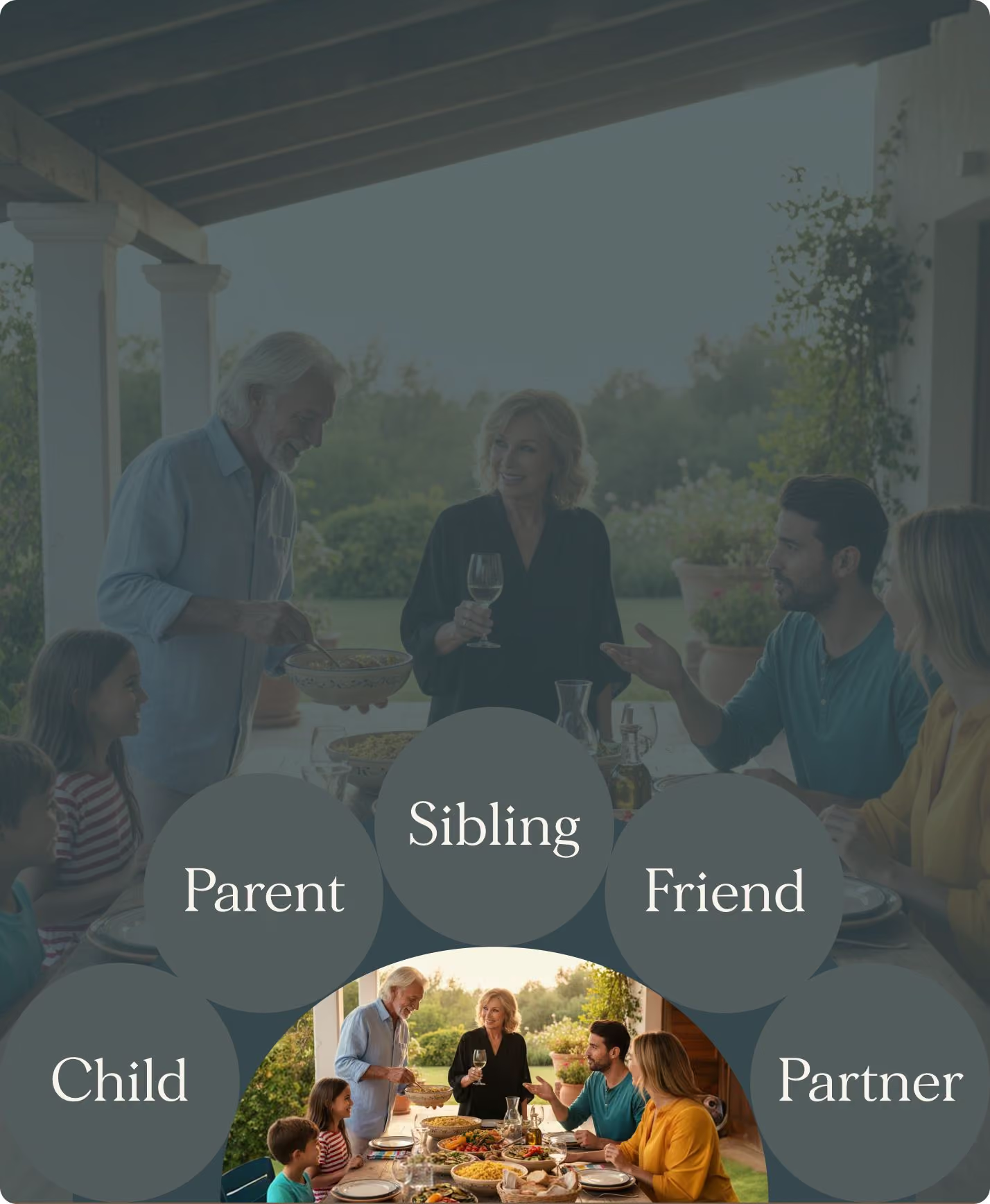
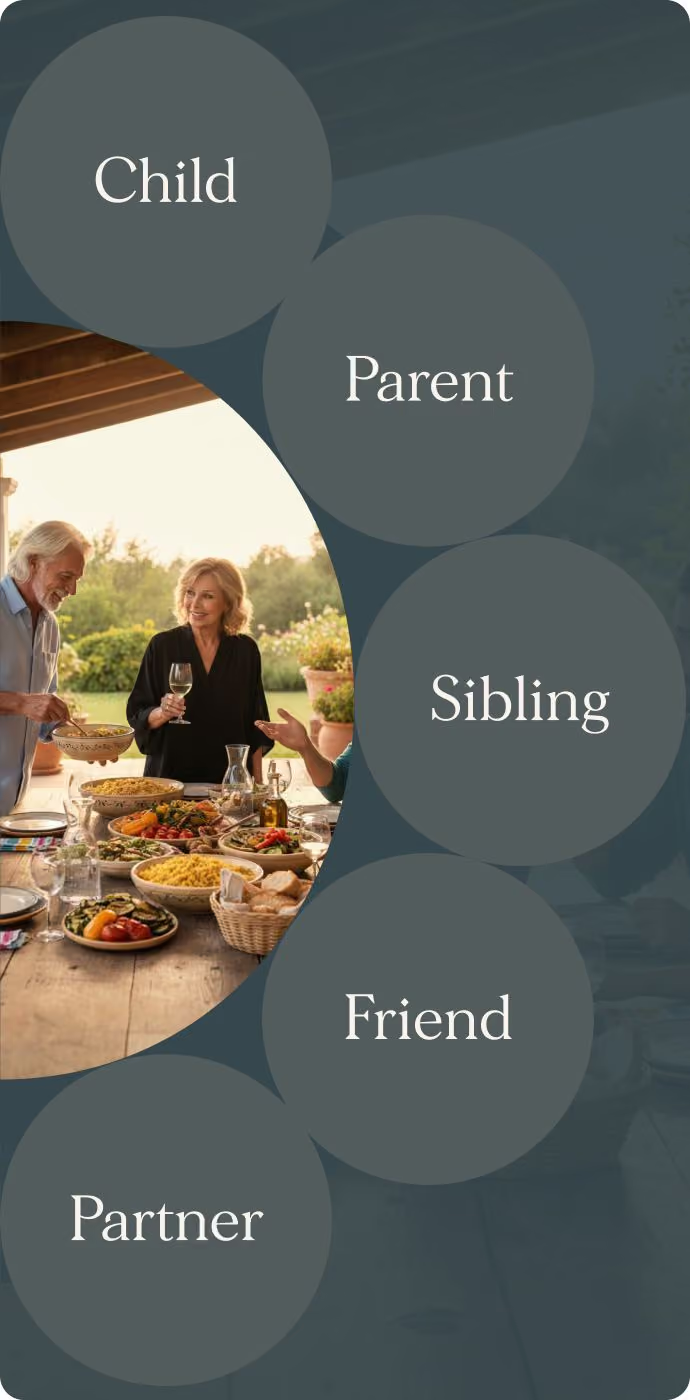
This expansive approach positions women as architects of multigenerational death planning. They take responsibility not just for their own arrangements, but serve as guides and advocates for their entire social network, helping everyone from partners to parents, siblings to friends, and even their own children.
The result
Women create cascading networks of end-of-life care, where one woman's planning often triggers conversations across multiple families and friend groups, amplifying the impact of sustainable death care choices throughout entire communities.
{{CTA-10-question}}
Men focus on partners
Men take a concentrated approach to end-of-life planning.
Beyond managing their own arrangements, 42% of men plan to help their spouse or partner with end-of-life planning.
Men and women approach end-of-life caregiving differently. Women build broad support networks spanning multiple relationships, while men focus their helping efforts on their primary partnership.
Together, these approaches create comprehensive family coverage.
42%
of men plan to help both themselves and their partner with end-of-life arrangements
Women expand the conversation outward while men deepen the commitment within the household.
End-of-life planning is a midlife activity
Planning happens when people are healthy and autonomous.
End-of-life planning has shifted from a crisis-driven activity to a proactive midlife milestone. 86% of respondents are 55 and older, indicating that individuals are increasingly taking control of these decisions while they're still healthy and capable of making informed choices.
Rather than leaving these decisions to grieving family members, people are making considered choices aligned with their personal beliefs and environmental values when they have the mental clarity and emotional bandwidth to do so.
86%
of people making end-of-life plans are age 55+
Family values are at the core of plans
Planning is fundamentally about protecting loved ones.
Nearly half of all respondents who are planning ahead are primarily motivated by protecting their family from difficult decisions and emotional stress during an already challenging time. This family-first mindset establishes the foundation for all subsequent planning decisions.
What’s your biggest motivation for planning ahead?
Relieving family of the burden/peace of mind
Families aren't just choosing arrangements, they're choosing care for the people they'll leave behind. This is caregiving that extends beyond life itself.
{{CTA-8-question}}
Top priority: Environmental impact
Environmental concerns top the list of death planning priorities.
When asked what matters most in their final arrangements, survey respondents delivered a clear and decisive verdict: helping the environment.
This data reveals a remarkable shift in values. Environmental impact has become not just a consideration, but the primary driver of end-of-life decisions.
The second-place priority, "a simple, straightforward process," echoes earlier findings about relieving family burdens.
What matters most for your arrangements?
A simple, straightforward process
Families are making end-of-life choices based on their values rather than tradition.
Cost is still considered
Money matters, but isn't the main driver.
While environmental impact and family care lead the conversation, 10% of respondents ranked cost as their #1 priority for final arrangements.
What matters most for your arrangements?
This indicates that while families are increasingly willing to prioritize values over price, practical financial considerations remain important for a meaningful segment of the market.
Traditional Full Service Burial
$8,300+
Source: 2023 NFDA General Price List study
According to industry data, families choosing soil transformation save significantly compared to traditional alternatives.
Rejecting an American standard
Only 3% of respondents considered traditional burial.
Traditional casket burial was once the American standard. Today, it has virtually disappeared from consideration. Only 3% of respondents considered traditional burial while making their end-of-life plans. 35% considered cremation, and 26% considered Green burial.
What other option are you seriously considering besides Earth Funeral?
Cremation
Traditional burial
Green burial
What's driving this rejection?
Among respondents, 38% sought "a more natural process" while 24% wanted "something more aligned with my values."
What made you want to explore options beyond traditional burial or cremation?
Desire for a more natural process
Wanted something more aligned with my values
For generations, traditional burial, complete with embalming, caskets, and burial vaults, defined American deathcare. Yet among families seeking environmentally conscious alternatives, nearly 98% have moved beyond this model entirely.
The new American standard
Families embrace natural death options
For 91% of families, environmental impact has become the primary consideration in end-of-life planning. This represents a fundamental shift from traditional decision-making factors like cost or convenience to values-based choices that reflect a family's commitment to sustainability.
How important is it that your arrangements help the environment?
This environmental consciousness extends far beyond Earth Funeral families. According to the National Funeral Directors Association 2024 report, 68% of Americans said they were interested in exploring more eco-friendly funeral and final disposition options.
Americans exploring more eco-friendly funerals
68%
Environmental values have fundamentally reshaped American death care preferences, with the vast majority now prioritizing options that help rather than harm the planet.
Using soil
Multiple memorials, endless possibilities.
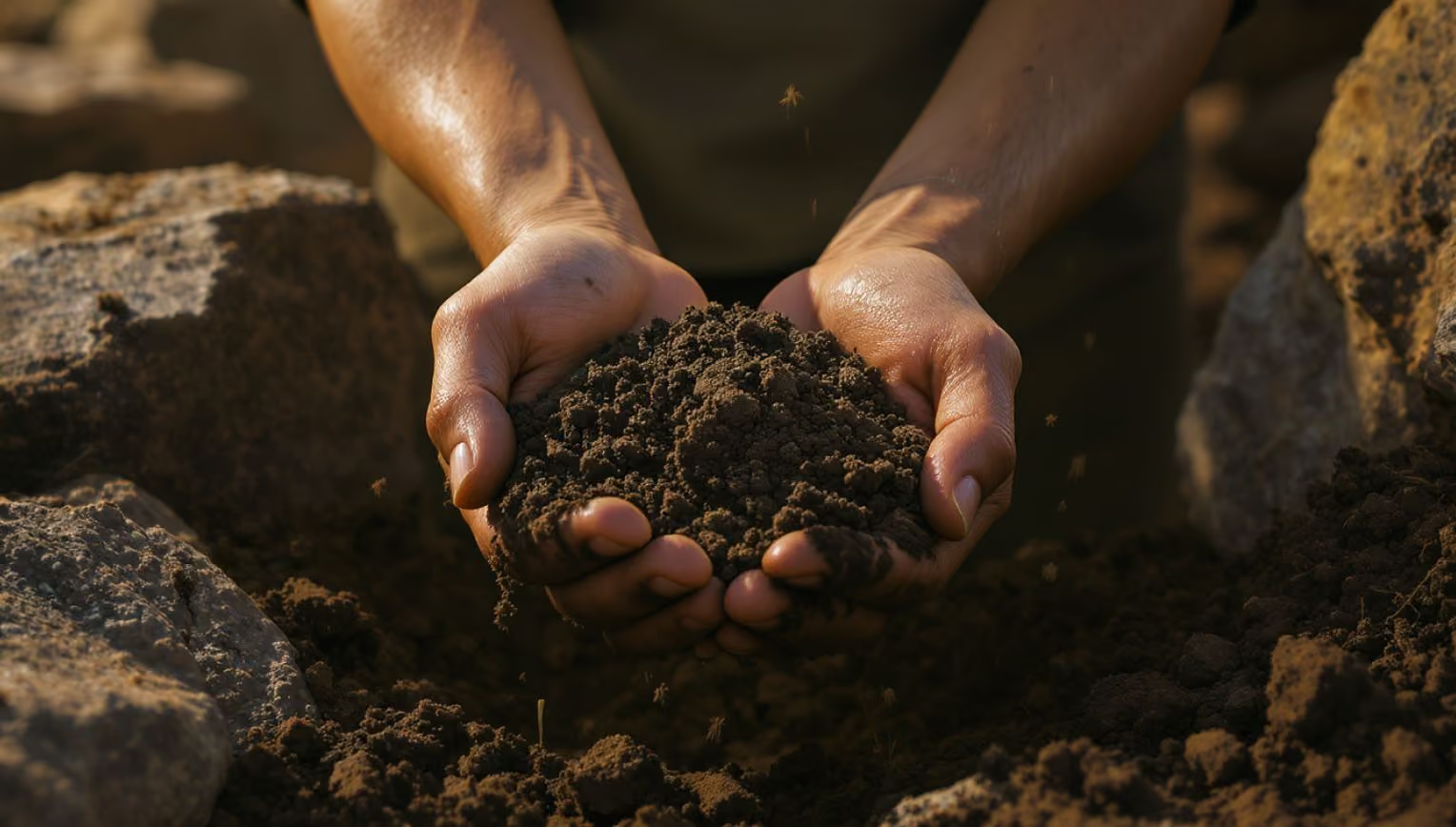
Earth Funeral's process creates enough nutrient-rich soil for families to honor their loved ones in multiple ways.
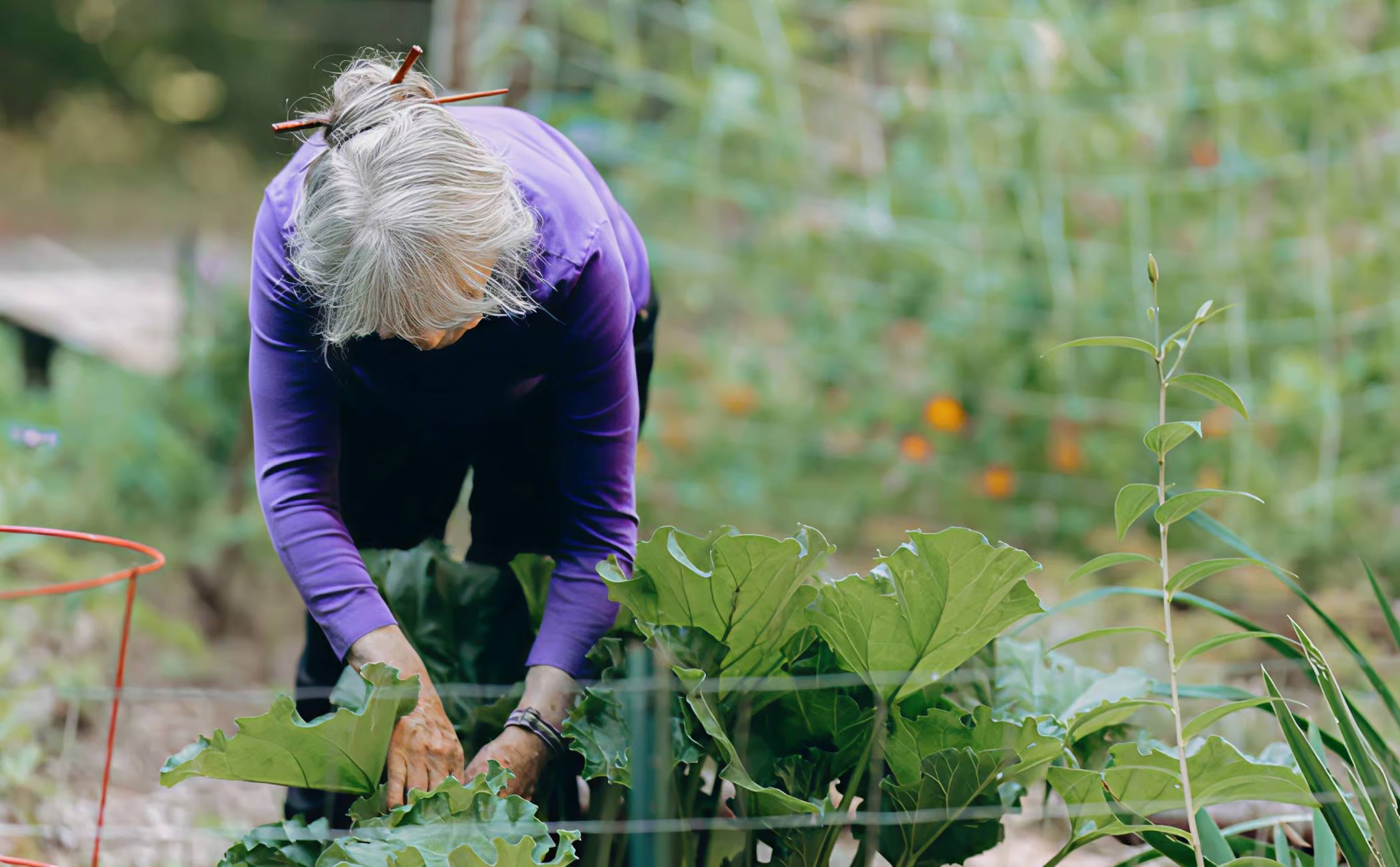
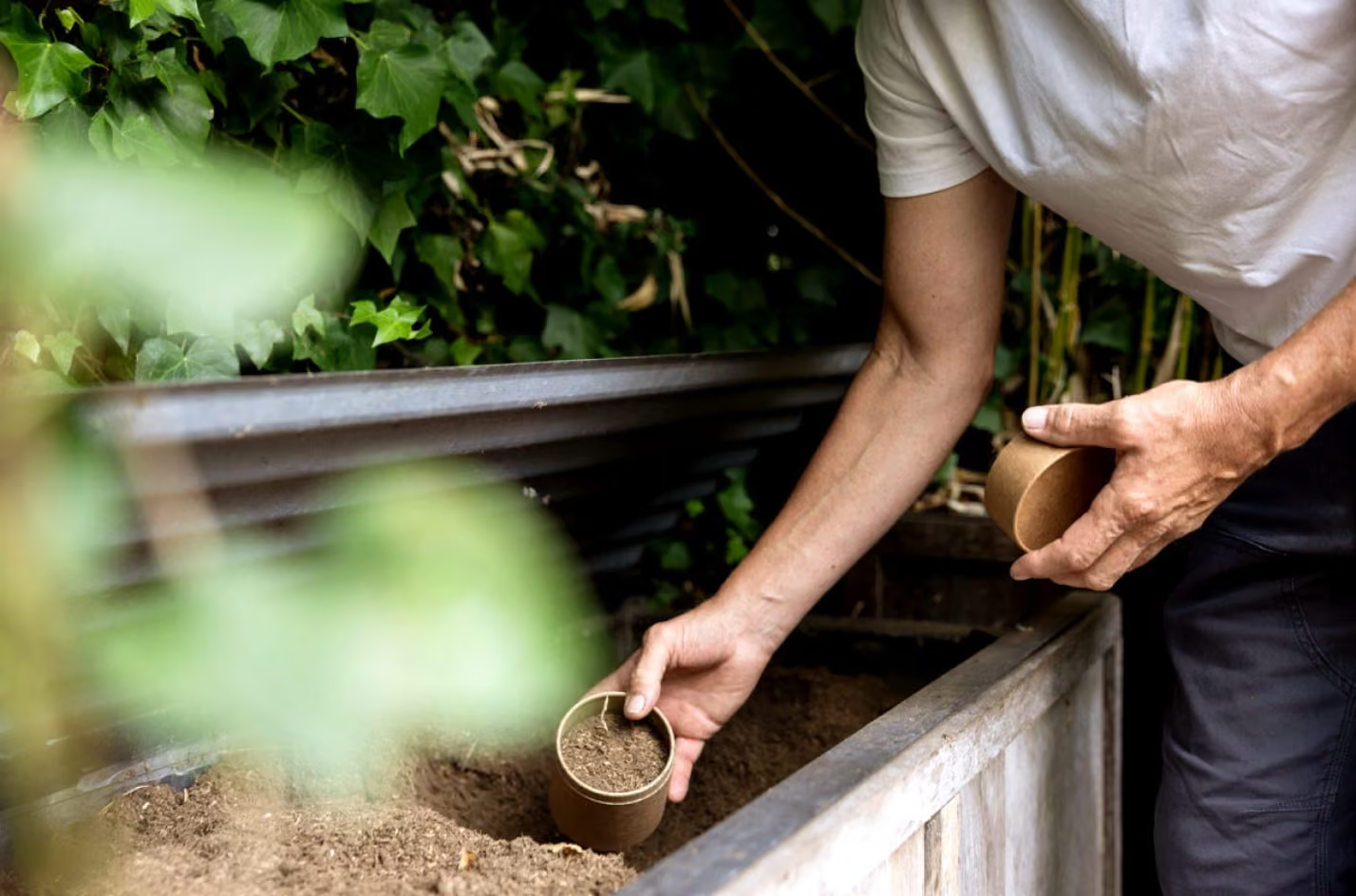
Families can create potted plants for their homes, plant gardens that bloom with new life, or spread soil in cherished locations that hold special meaning.
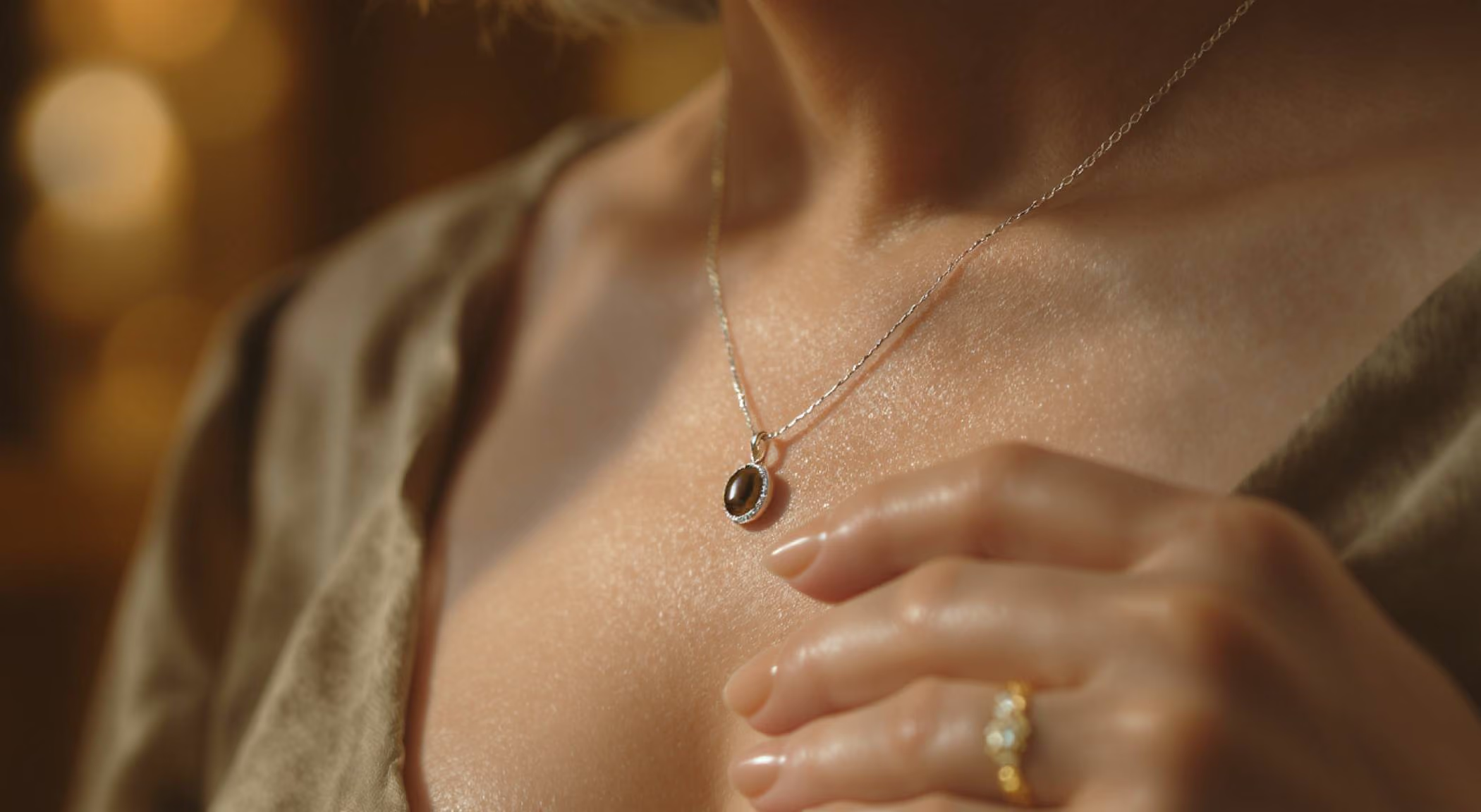
Soil can be shared with family and friends for their own memorials, or worn close to the heart in memorial jewelry that travels with them.
Families can also mix soil from multiple loved ones together, keep portions for future reflection, or donate remaining soil to conservation projects.
Families aren't limited to visiting one grave or keeping one urn. They can create living legacies that grow, travel, and change alongside their healing journey.
How families make decisions
Knowledge-seeking drives discovery.
Families find Earth Funeral through active research and credible information sources, demonstrating the thoughtful, informed nature of their decision-making process.
How did you first hear about Earth Funeral?
This pattern reflects Earth Funeral's commitment to education. We've built trust through comprehensive educational resources, transparent information, and credible media coverage that helps families understand their options.
{{CTA-3}}
Resources for your journey
Earth Funeral provides extensive educational resources to support informed decision-making about end-of-life alternatives:
Through ongoing research, transparent education, and evidence-based content, Earth Funeral continues leading the conversation about sustainable death care.