Which States Currently Allow Soil Transformation?


Soil Transformation
|
March 22, 2025
As awareness of the environmental harm caused by traditional funeral practices grows, more people are looking to green alternatives.
One such alternative that is growing in both popularity and availability is soil transformation. Sometimes known as natural organic reduction or human composting, this is a process that is now practiced in a number of states in the US.
This article explains the soil transformation process, and looks at soil transformation legality and availability. It also looks at the benefits of the practice compared to other funeral options.
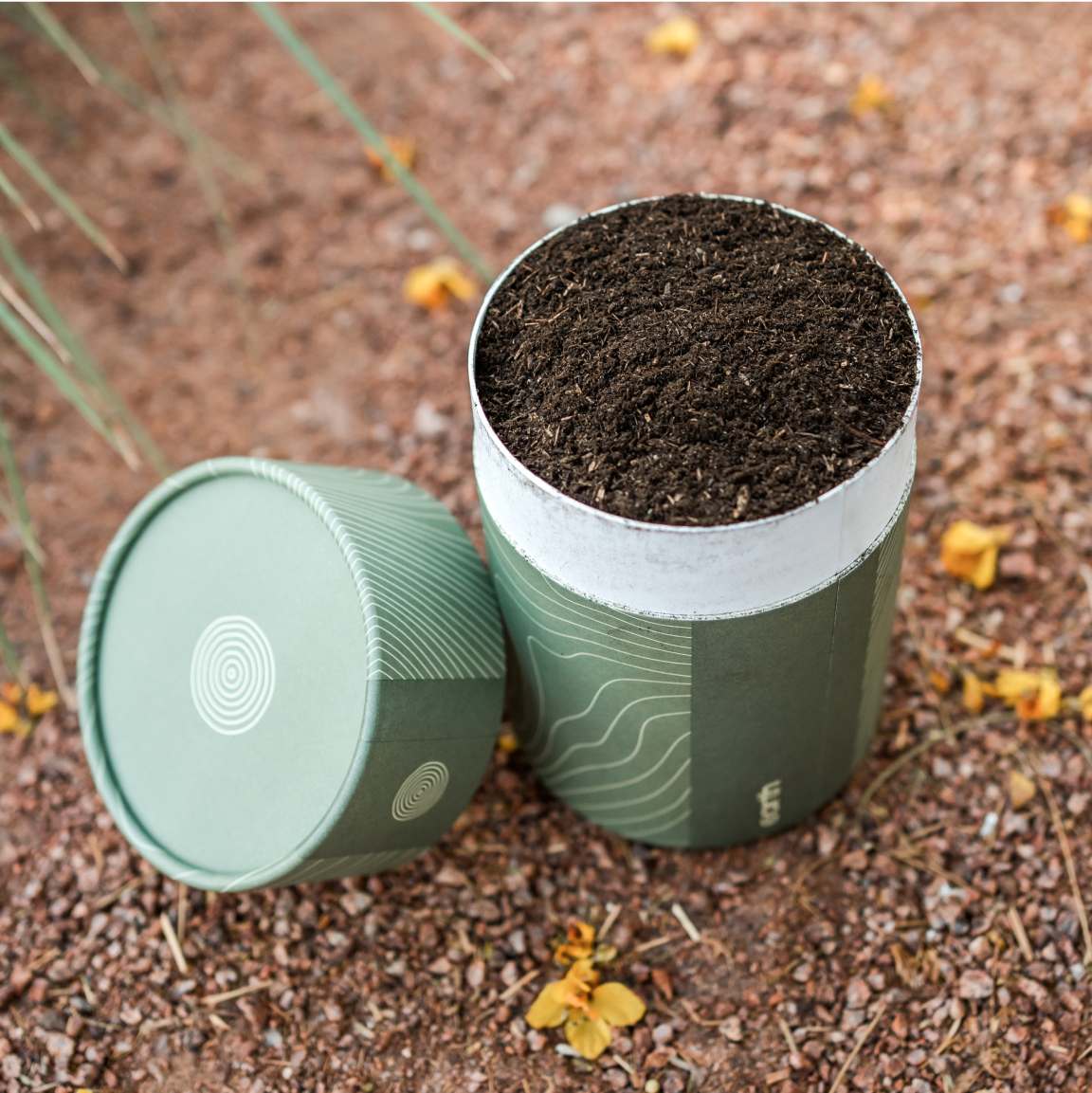
Soil transformation is a natural, environmentally-friendly alternative to burial and cremation. Rather than being incinerated and turned into ash as in cremation, a body is gently transformed into nutrient-rich soil.
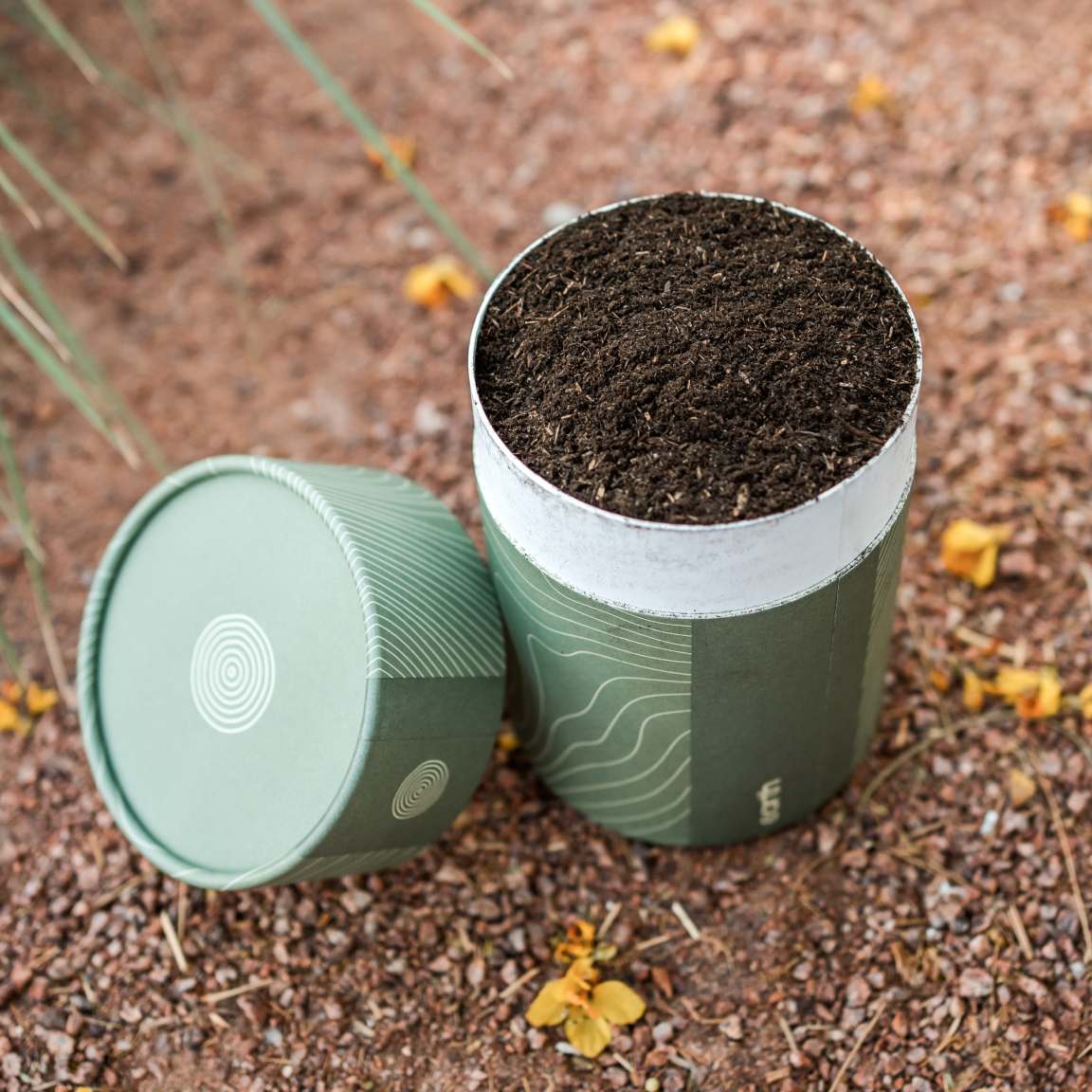
Families choose how much soil they would like returned, and the rest can then be used to support vital conservation efforts. We always recommend verifying local rules and regulations before spreading soil on public or private land, as these vary by location.
The process uses organic materials and the principles of nature. Conditions found in the natural world are recreated by balancing elements such as carbon and nitrogen, and optimizing temperature and moisture levels. The body is broken down on a molecular level and the end result is healthy soil, which is perfectly suited for conservation uses.
As a green and appealing alternative to traditional funeral practices, interest in soil transformation is growing quickly.
As awareness has grown, so has support. Fourteen states have legalized the process and bills are currently in progress in several other states.
In 2019, Washington became the first state to legalize soil transformation, with the law taking effect in May 2020. Since then, fourteen states have legalized the process: Arizona, California, Maryland, Nevada, New Jersey, Oregon, Washington, Colorado, Georgia, Minnesota, New York, Vermont, Delaware, and Maine.
Bills are in progress in New Mexico, Utah, Illinois, Massachusetts, Ohio, Texas, Connecticut, West Virginia, Indiana, Iowa, Missouri, New Hampshire, Rhode Island, and Hawaii.
In states where the process is not yet legal, human composting may still be available to residents. Families can often arrange for transportation to a licensed facility in a nearby state where the process is permitted, and have the resulting soil returned home.
View our tracker for full details of the legislation in each state and where soil transformation services are available.
In the US, your body can be legally composted after death but only if the process takes place in a state that has passed legislation allowing it.
If an individual would like to opt for soil transformation but they do not reside in a state where the process is legal, their body would have to be transported to another state after their passing.
The process has not been legalized by every state that has considered it. For instance, a bill was considered but did not pass in Maine. However, supporters remain in these states with bills continuing to be re-proposed, and interest is growing in other states.
{{CTA-webinar-1}}
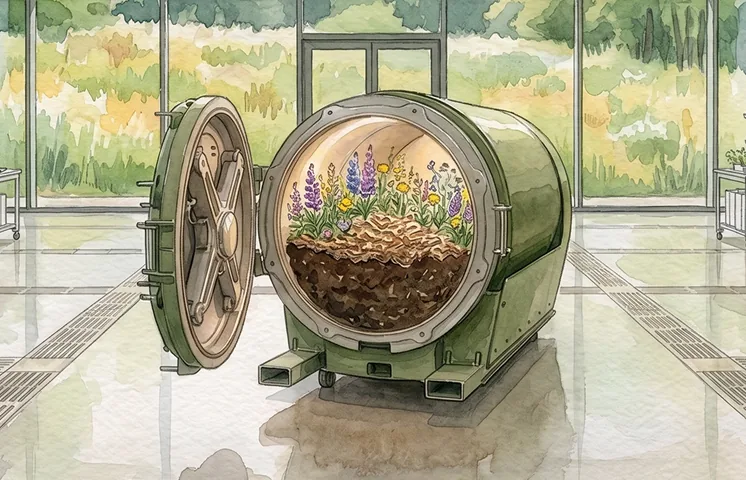
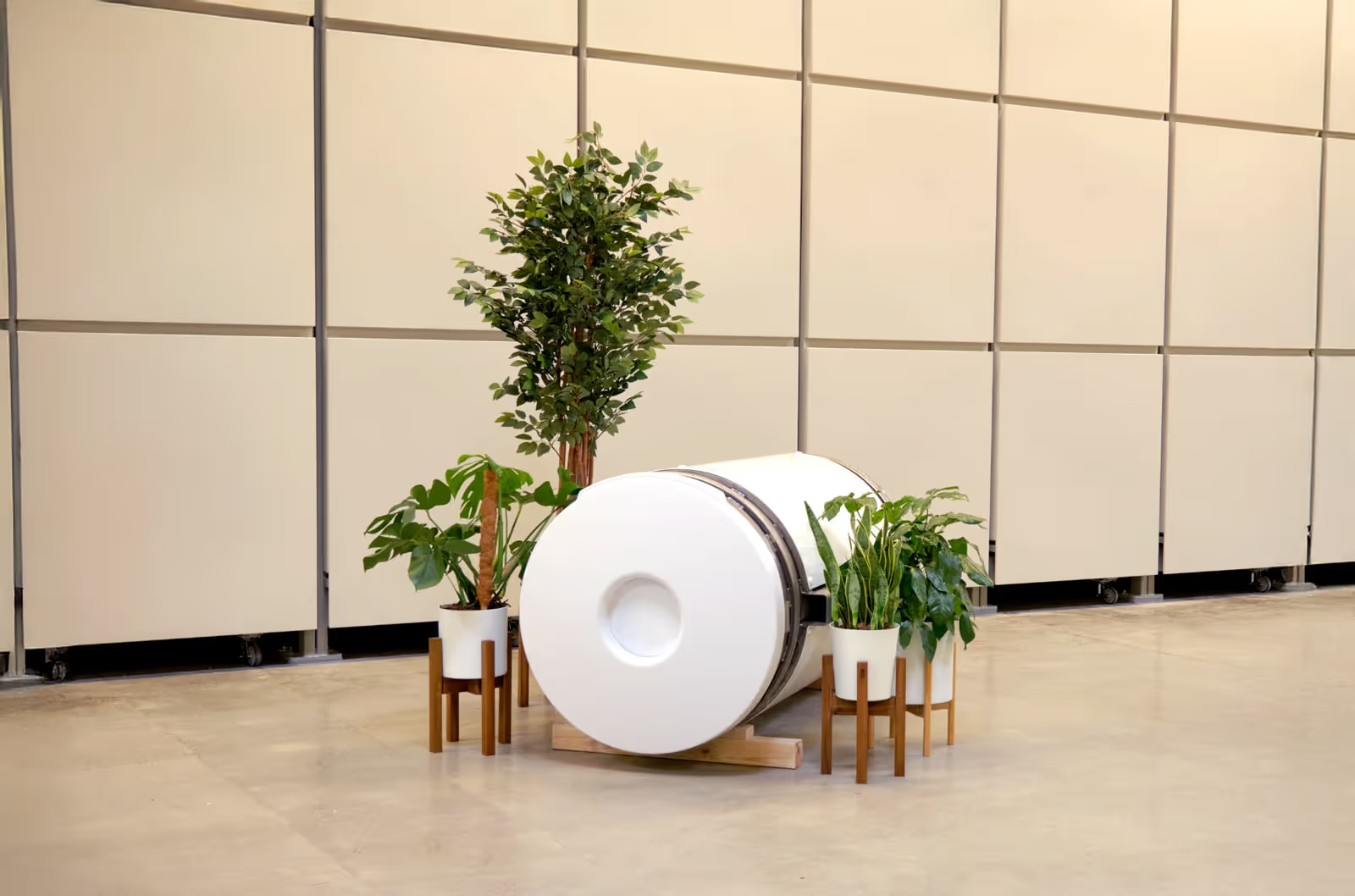
Soil transformation providers have dedicated facilities which house individual vessels. After death, the body will be transported to the facilities, where the process can then start.
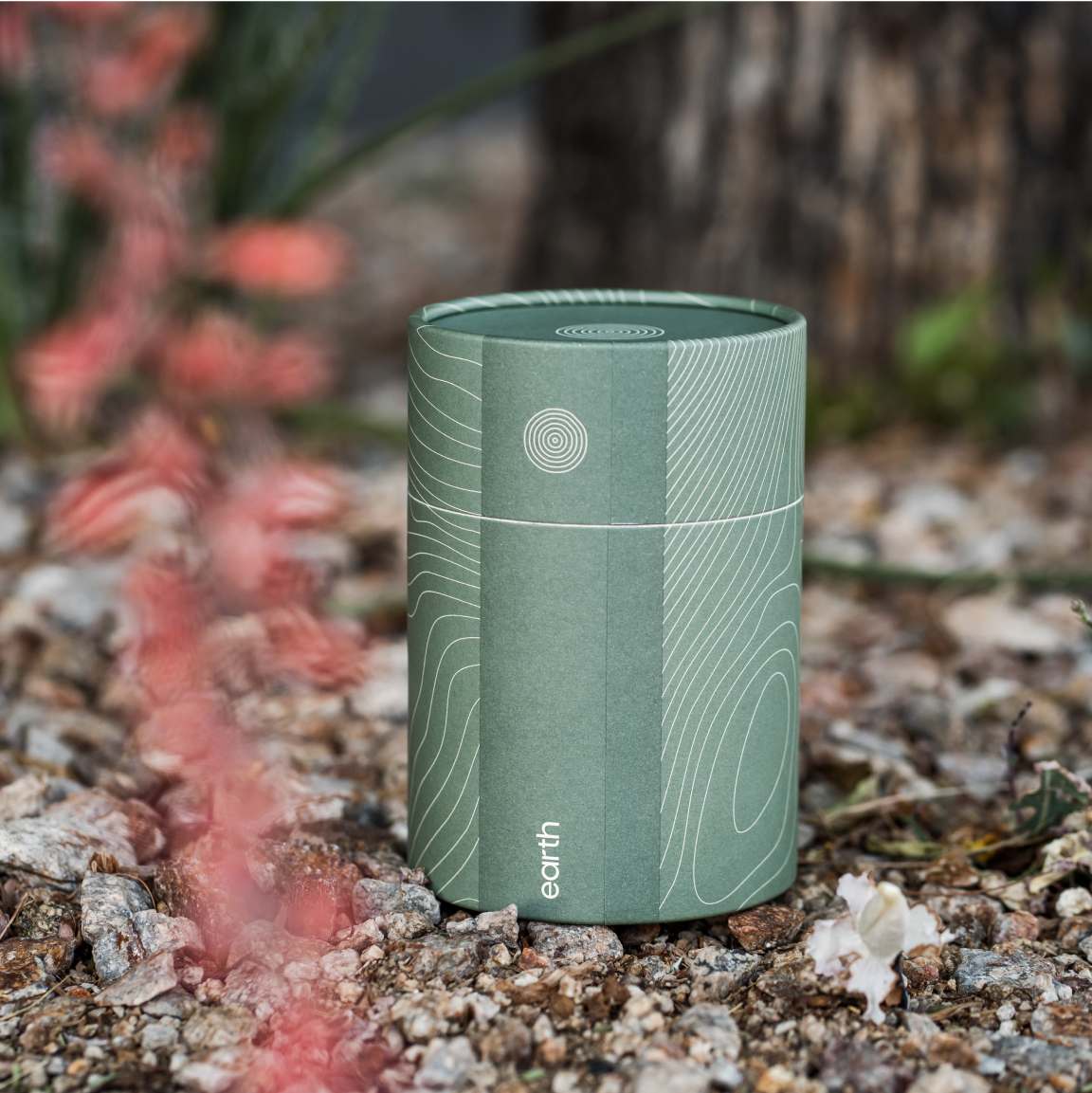
At Earth, we own and operate the world's most advanced soil transformation facilities. We combine best-in-class technology with a peaceful, serene atmosphere. The result is a facility that reflects the beauty of the soil transformation process itself.
You will first need to make sure that the process is legal in your state or a nearby state. You should be able to do most of your research online.
When considering options you should look for a provider that is conveniently located, suits your budget and is transparent about the service provided and costs involved.
On our website we break down the steps involved in our process, and provide a quote based on a few simple questions. Read more about our service and get a quote.
Like all disposition methods, composting of human remains is strictly regulated. As with crematories, operators must have a soil transformation facility license, issued by the state’s funeral regulator.
{{CTA-16-question}}
Soil transformation has some similarity to traditional burial in that the human body is returned to the ground at the end of life. However, composting is much more environmentally friendly.
Traditional burial is a hugely resource-intensive process that involves the consumption of urban land at an unsustainable rate.
While soil transformation can have a very positive impact on soil health, burial tends to pollute our soil. Metals, wood and chemicals are buried in the ground in the form of caskets and embalming fluid.
In the US alone, 4.3m gallons of embalming fluid are buried each year, along with 64.5 thousand tons of steel, 1.6 million tons of reinforced concrete and 20 million board feet of hardwood.
Over recent decades, the appeal of traditional burial has diminished. Many people are put off by environmental concerns and many find alternatives like soil transformation a more attractive and appealing concept.
Human composting has a more obvious conceptual similarity to cremation, with the body undergoing a transformation into remains. Rather than being incinerated and turned into ash, a body is transformed into nutrient-rich soil.
Again, soil transformation is a much more environmentally friendly option. Cremation is a fossil fuel driven process with high carbon emissions. Cremation involves temperatures of between 1200 and 2000ଏ. With the average cremation taking two hours, there is a significant energy requirement in creating and maintaining this heat.
The energy source for cremation is typically natural gas. The process therefore produces significant amounts of carbon dioxide. One cremation is estimated to produce 535 lbs of CO2. This is the equivalent of a 609 mile car journey in an average sized car.
The combustion of fossil fuels also causes the emission of carbon monoxide, nitrogen oxides and sulfur dioxide. Other noxious substances emitted include fine soot and mercury.
{{CTA}}
At Earth, we provide soil transformation services. If you are interested in this process, you can read about our soil transformation or get an instant online quote.
Soil Transformation
On a recent episode of 50+ & Unfiltered, Stewart casually shared that she plans to skip burial and cremation entirely: “Oh, I’m going to be composted. These coffin things and all that stuff? No way.”
12/8/2025
3 min read
Green Funeral Practice
As families consider human composting as an alternative to cremation and burial, questions naturally arise about what happens to bones, dental work, and medical implants during the process.
6/3/2026
4 min read