As Seen In Upworthy: Largest 'human composting' facility in the country aims to return our bodies to nature when we die

.jpg)
.avif)
Upworthy
|
May 27, 2026
For decades, families on the East Coast had one choice: send a loved one across the country, or let go of the idea entirely. That changed when Earth Funeral opened the doors of its new Elkridge, Maryland facility, now the largest human composting center in the country and the first of its kind on the East Coast.
Upworthy writer Evan Porter opens by framing the problems with conventional end-of-life options: the financial burden of traditional burial, the environmental toll of embalming fluid, the permanent land use of caskets, and the energy and emissions of cremation.
Against that backdrop, the article positions natural organic reduction as a rapidly growing alternative that addresses each of those concerns. Earth Funeral's new Maryland facility is described as the company's first on the East Coast, eliminating the need for families to transport remains across the country to access the process.
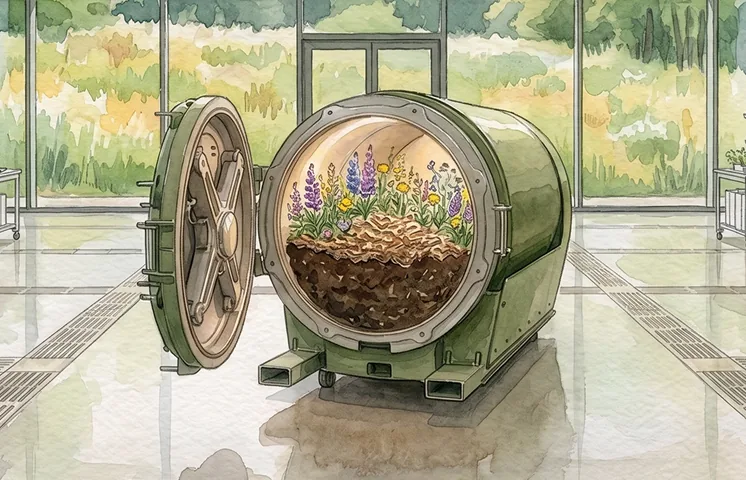
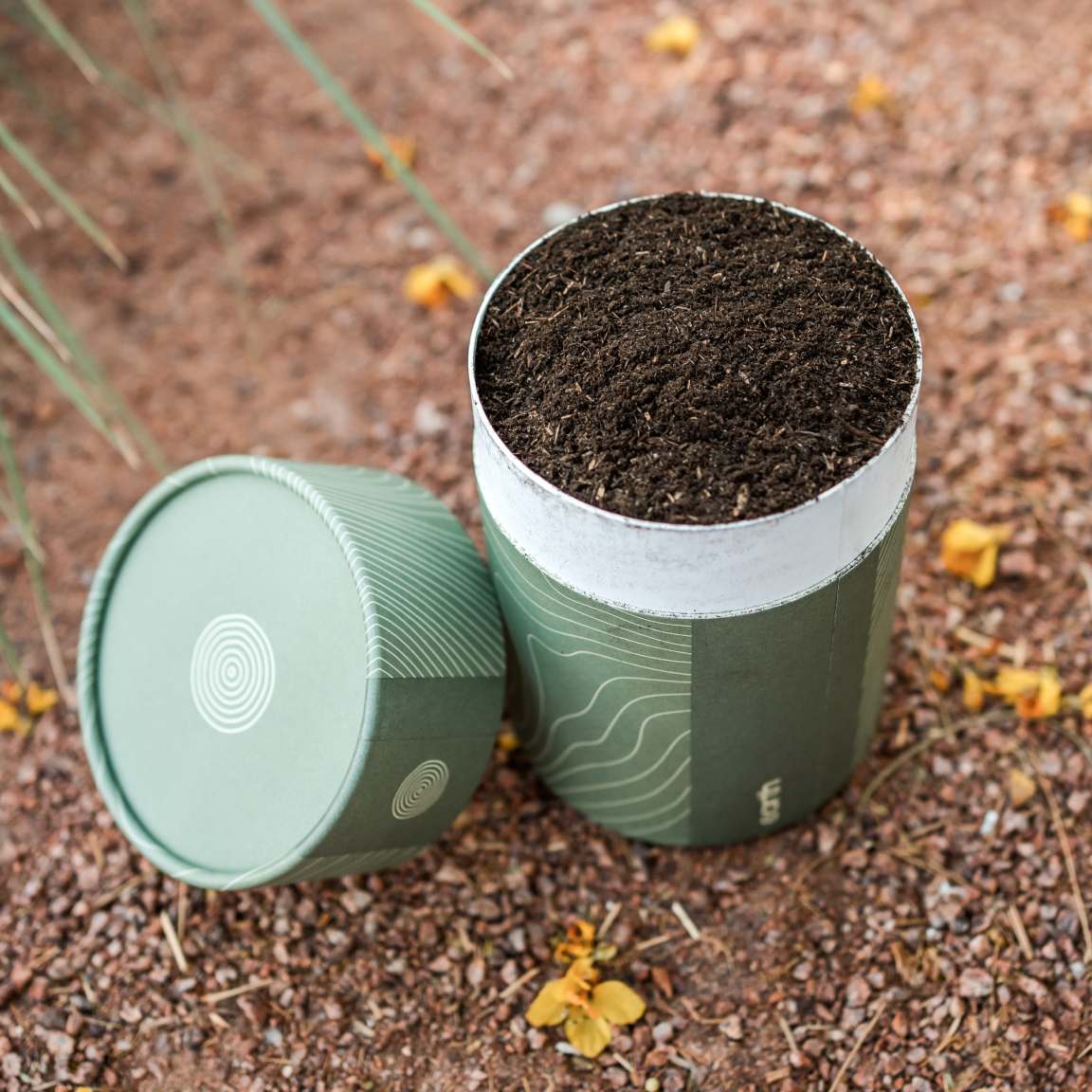
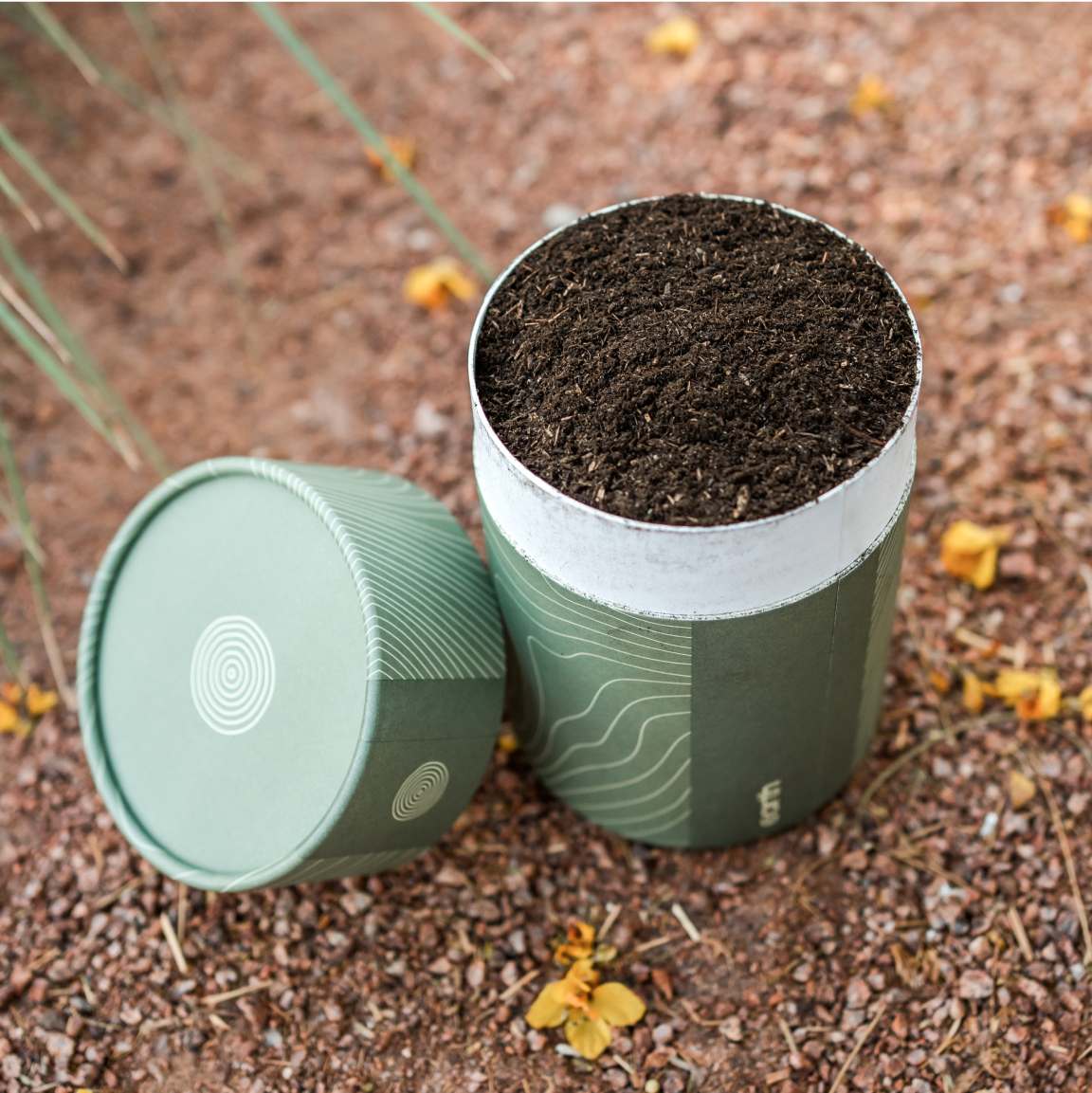
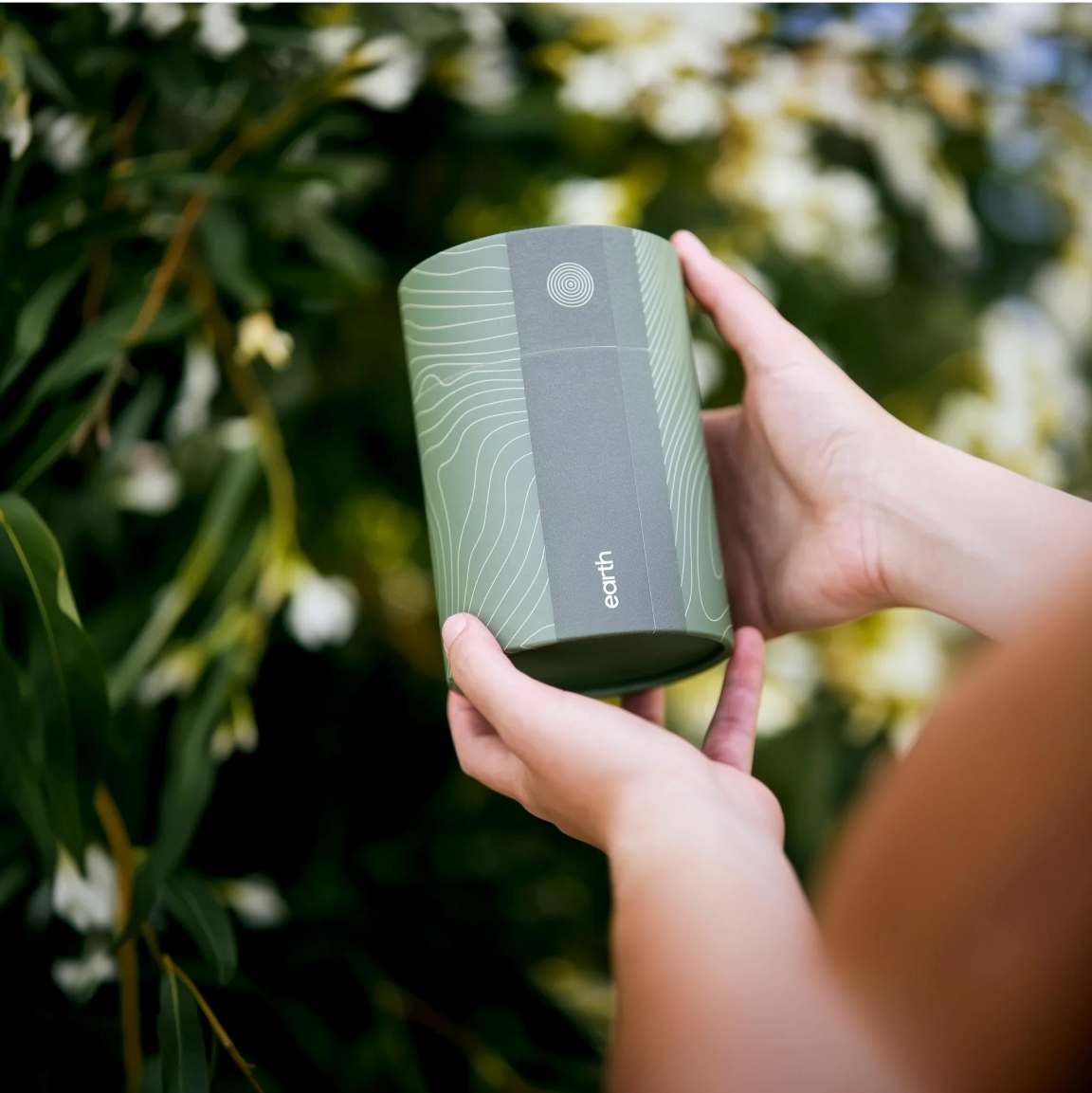
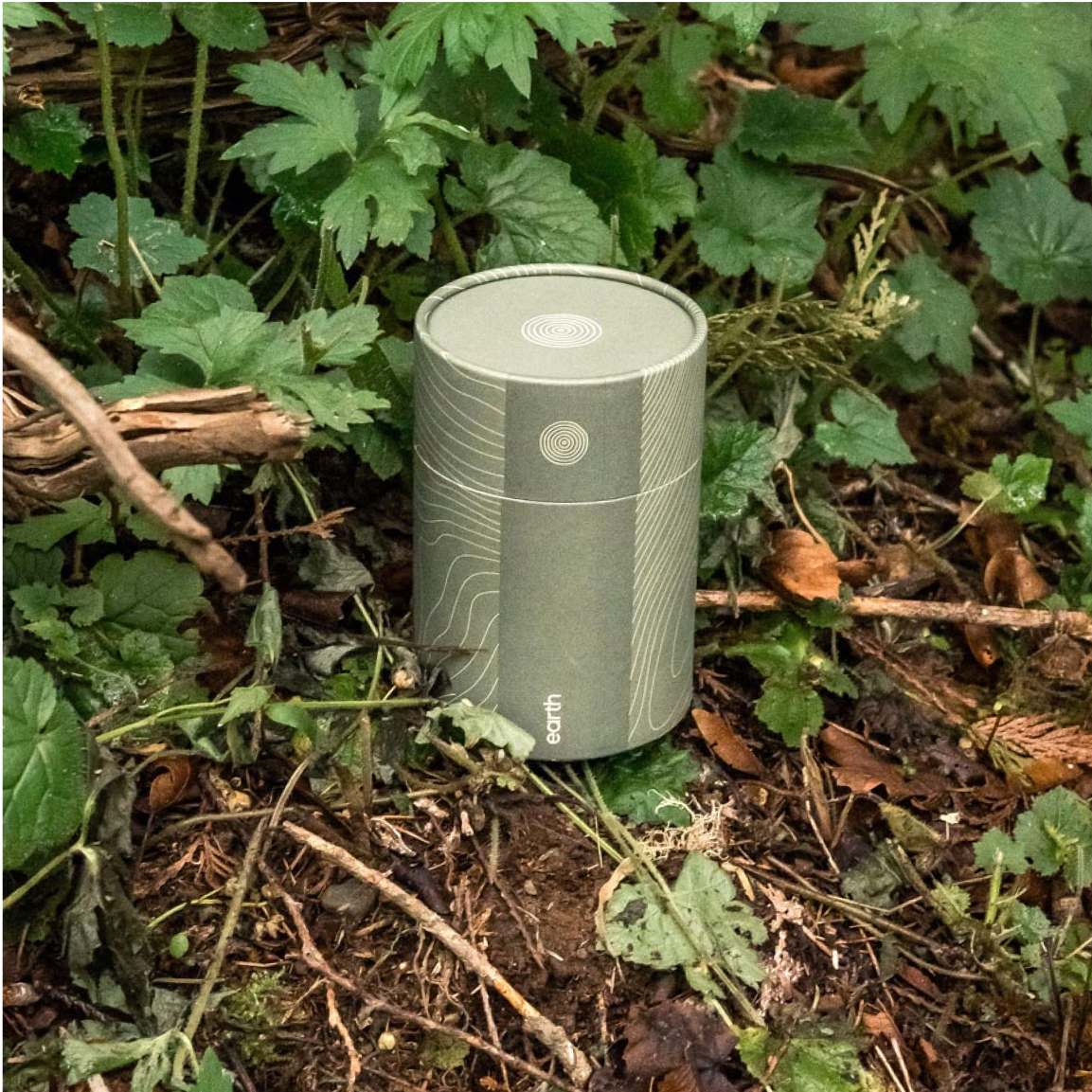
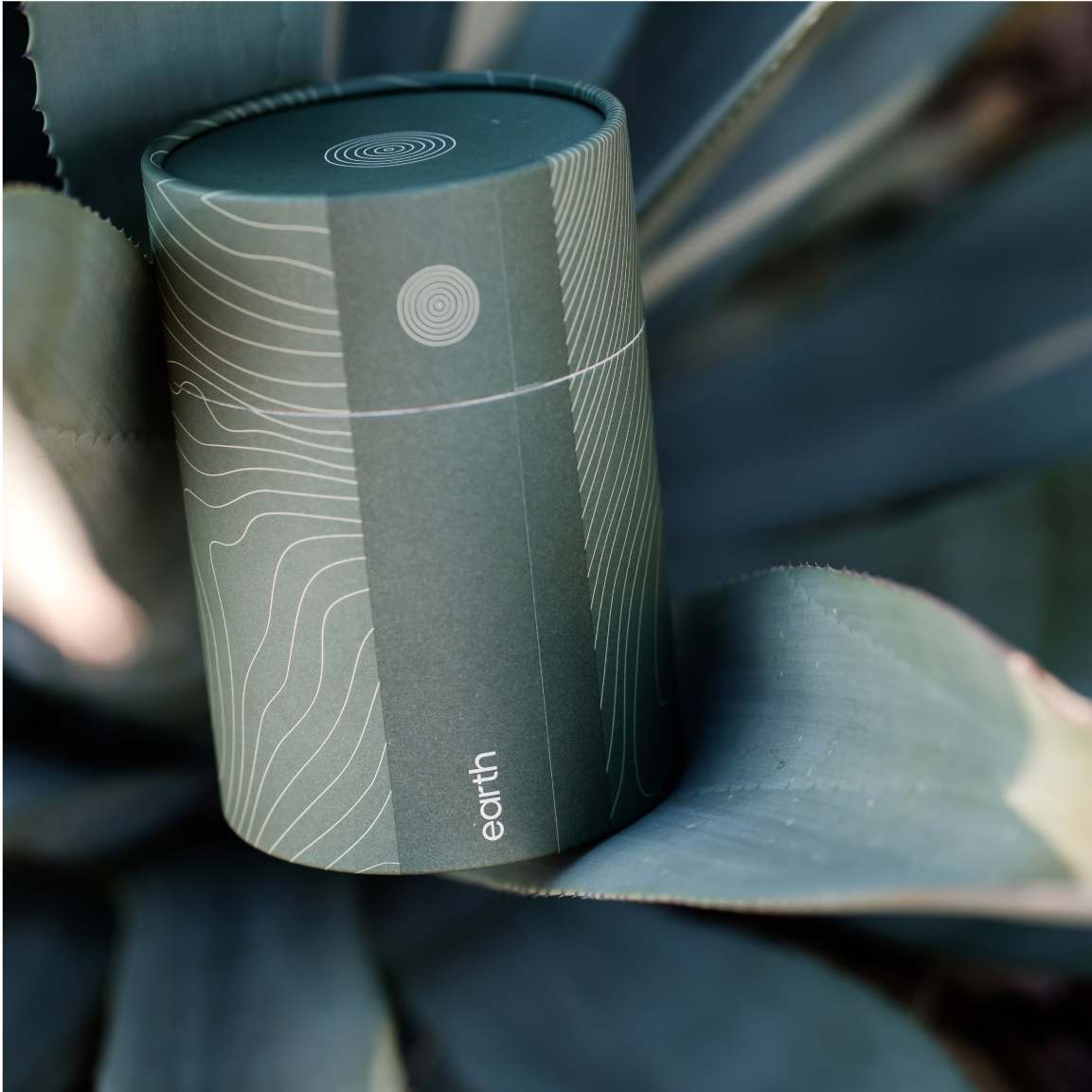
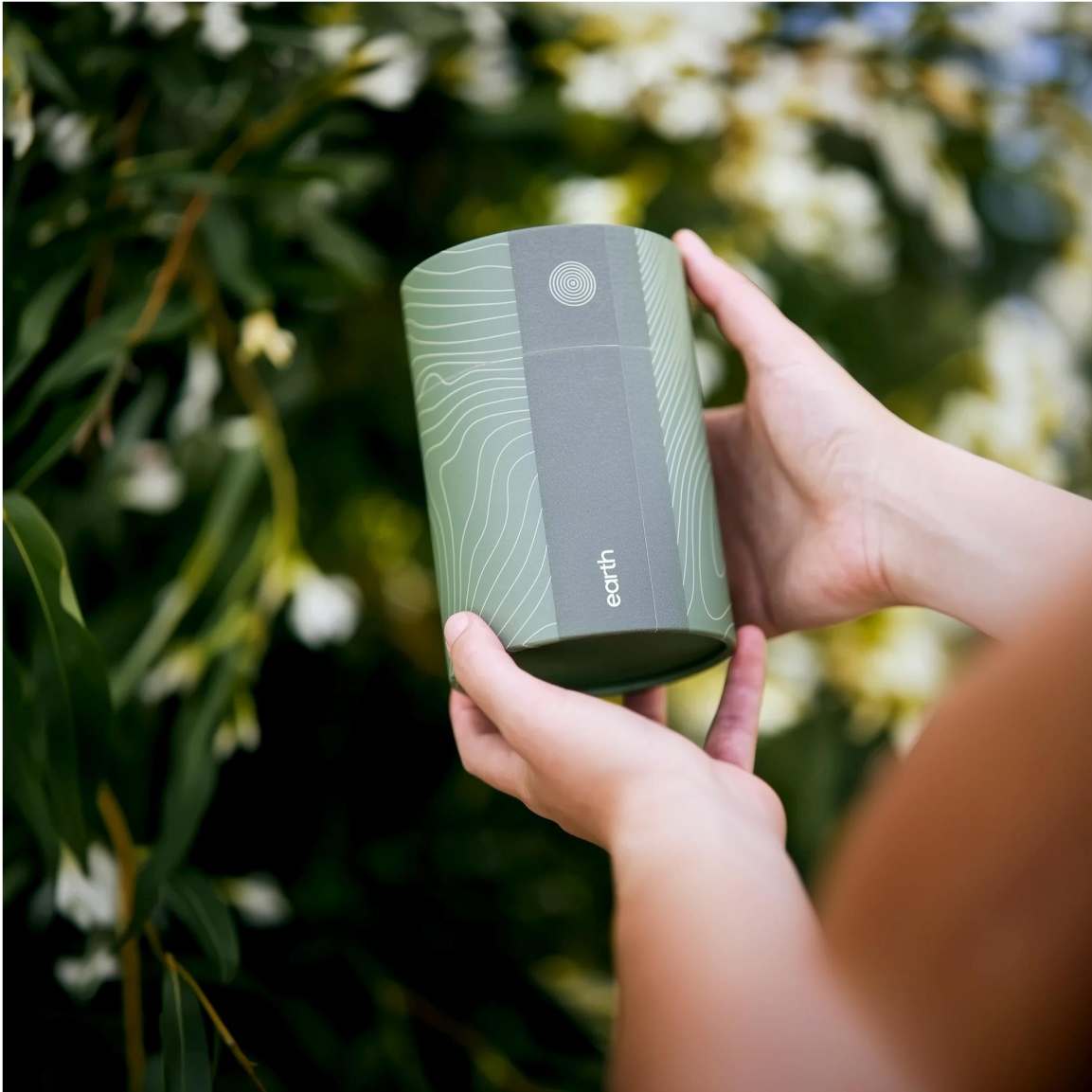
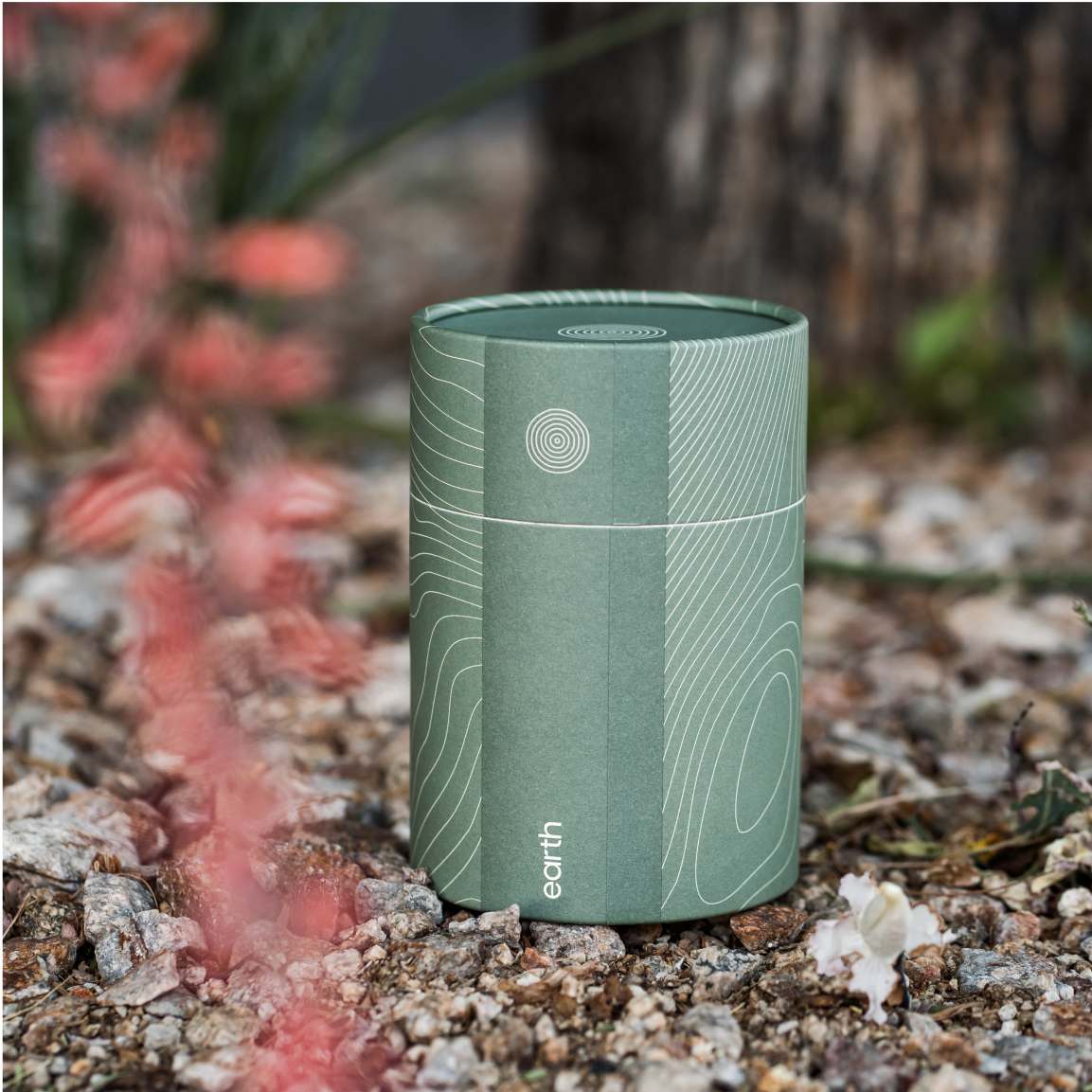
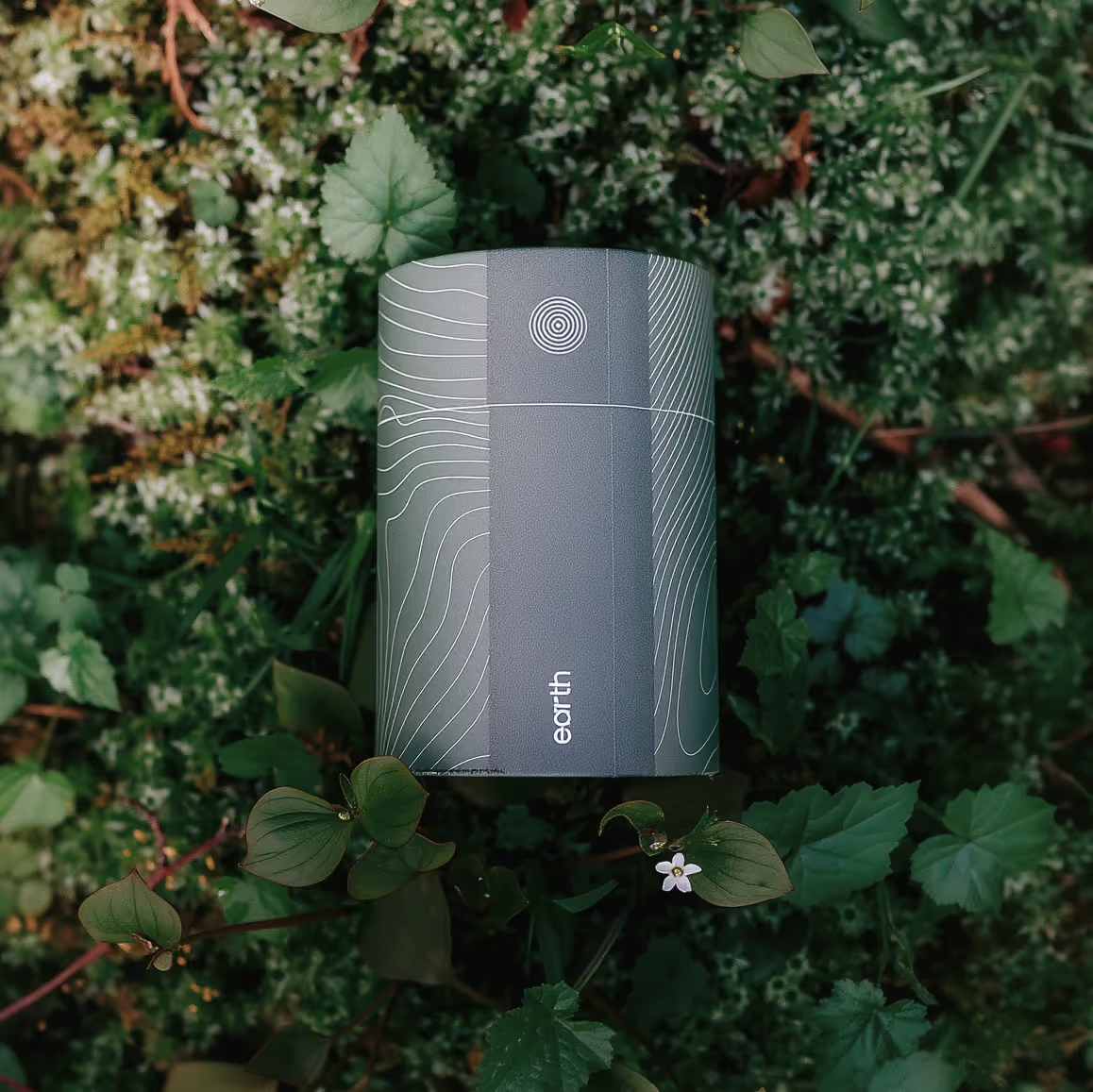
The article walks through how soil transformation works: the body is wrapped in a biodegradable shroud and placed in a vessel with organic materials including mulch, wood chips, and wildflowers. Carefully controlled heat and conditions allow microbes to complete the process in roughly 30 days, yielding approximately one cubic yard of nutrient-rich soil.
That soil is then returned to families, who can choose to pot, plant, or share. The cost is described as comparable to cremation.
The article includes the story of Stephen Spiese of Pennsylvania, who drove his late wife's remains to Earth Funeral's Washington facility. Spiese told CBS News: "To be laid in that rich soil, surrounded by wildflowers, I can't think of a thing she would've wanted more than that." His account illustrates the deep personal resonance families find in choosing this path.
The piece also notes that roughly 40% of Americans say they would consider human composting once they learn how it works, a figure nearly equal to overall awareness of the option, suggesting that exposure alone is enough to move families toward this choice.
The broader context includes the legal landscape, with human composting now legal in 14 states including Maryland, Arizona, California, Vermont, and Washington, with more joining each year.
The article closes with a note that goes beyond practicality: "There's something undeniably beautiful about our bodies returning to the Earth, in whatever form that takes."
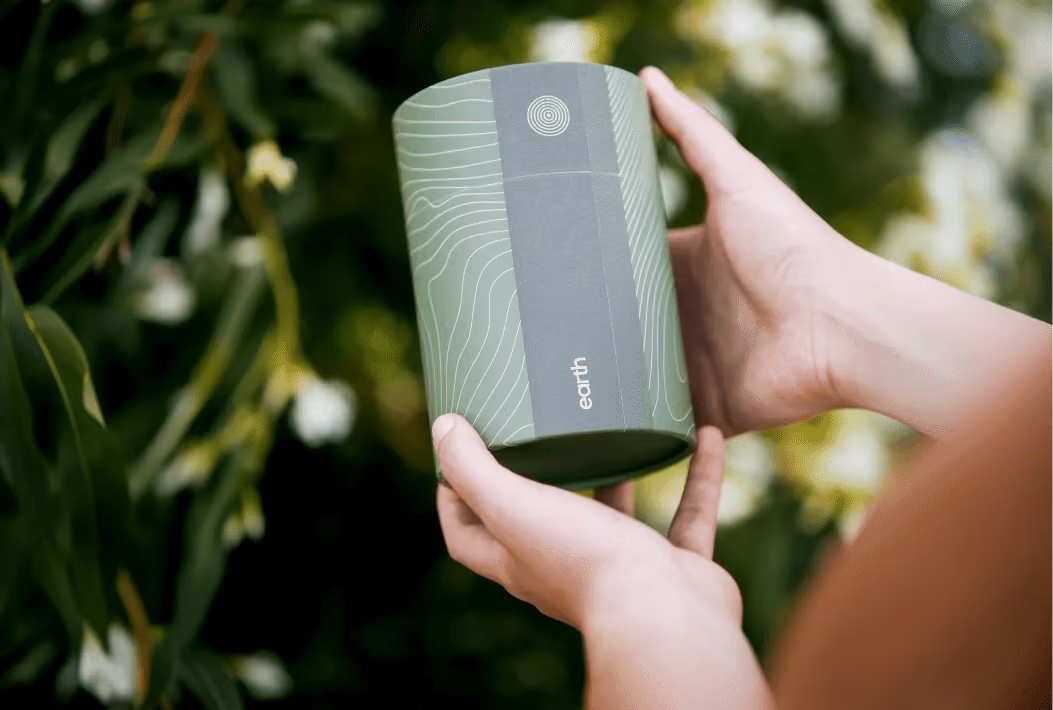
Return to nature through soil transformation
A natural alternative to burial or cremation that creates new life. Get an instant quote by answering just a few questions.
{{CTA-webinar-1}}
"To be laid in that rich soil, surrounded by wildflowers, I can't think of a thing she would've wanted more than that."