As Seen In The Stranger: Younger People Are Planning Their Own Composting Funerals in Washington

.avif)

The Stranger
|
April 22, 2024
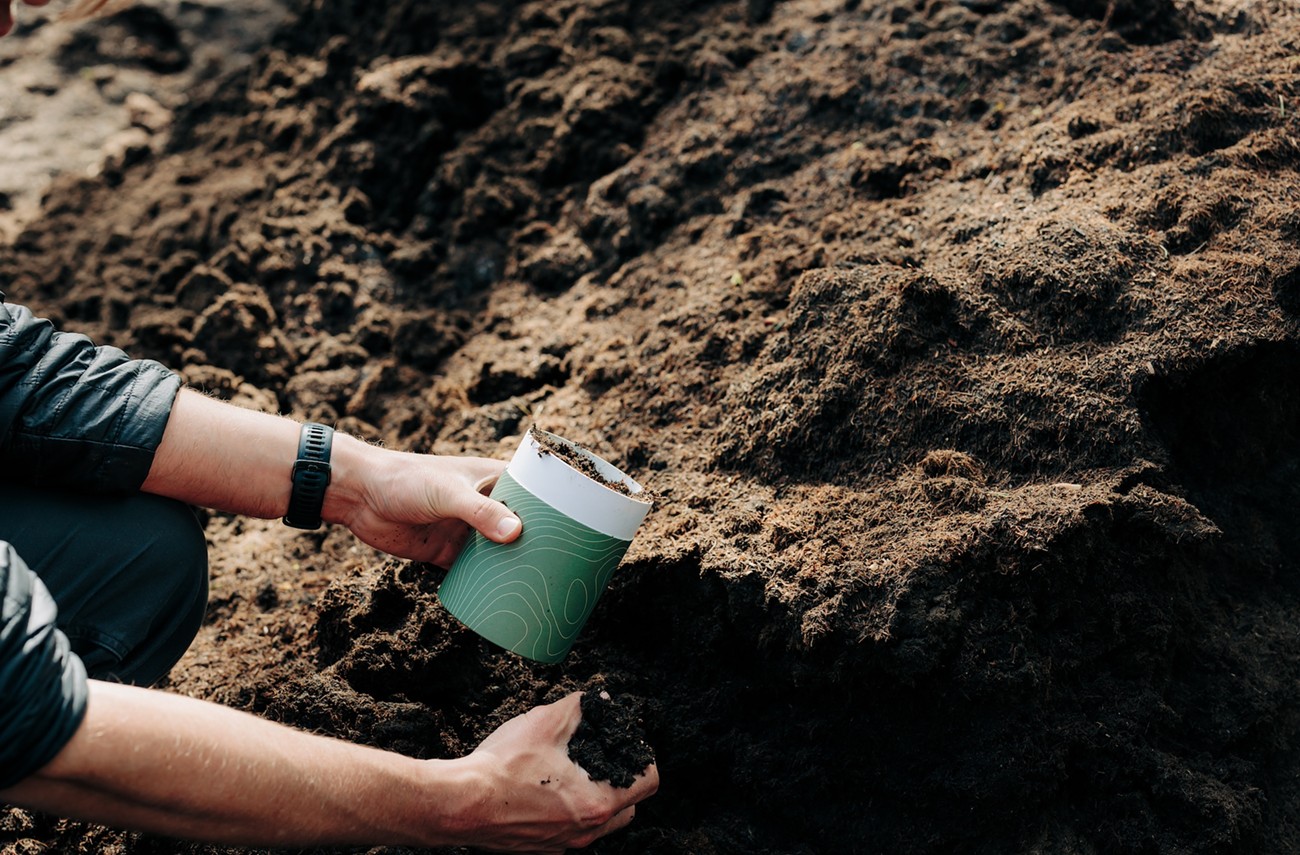
The Stranger explores how younger Washingtonians are increasingly choosing human composting for end-of-life planning, driven by environmental consciousness and changing attitudes toward death.
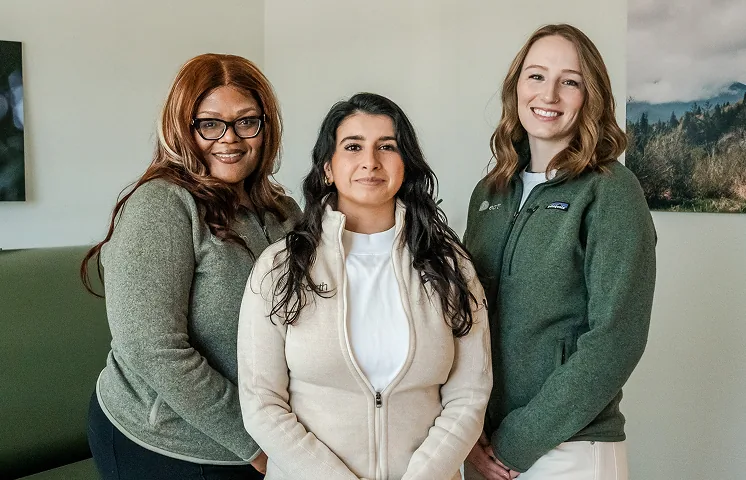
"Younger people are more educated around climate change," explained Sarah McWalter, a care advisor with Earth Funeral, describing how climate-conscious individuals want to "lock in" and "do something really good for the planet before everything is said and done."
In The Stranger, reporter Nathalie Graham examines the growing trend of younger people pre-planning their own human composting, featuring personal stories from Washingtonians in their 30s and 40s who are rejecting traditional burial and cremation.
The article highlights how Earth Funeral and other Washington companies are seeing increased interest from younger individuals who want to make environmentally conscious end-of-life decisions. Graham profiles Dale Knudsen, 35, who was turned off by traditional funerals' environmental impact.
The piece contrasts these younger perspectives with Nancy Franke, 68, who sees human composting as a form of immortality and useful contribution to the ecosystem, demonstrating how the practice appeals across generations for different reasons.
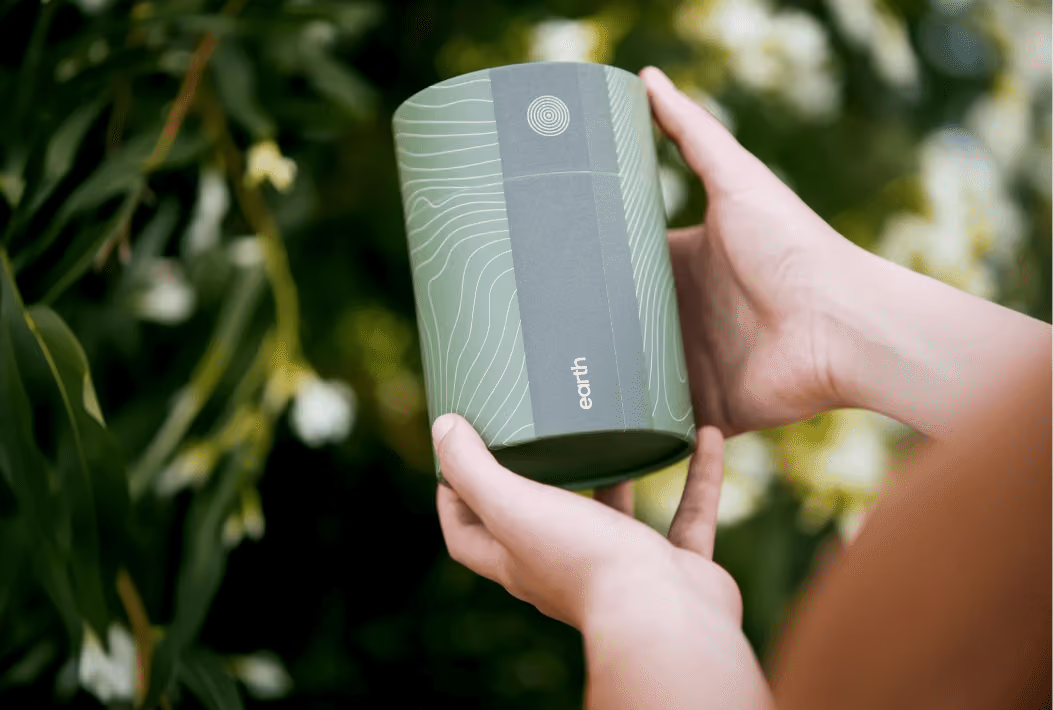
Return to nature through soil transformation
A natural alternative to burial or cremation that creates new life. Get an instant quote by answering just a few questions.
{{CTA-webinar-1}}
"Younger people are more educated around climate change and want to do something really good for the planet."