As seen in the New York Times: When I Go, I’m Going Green

.avif)

The New York Times
|
August 30, 2025
More Americans are choosing sustainable end-of-life options, with interest in green and natural alternatives growing as baby boomers seek environmental consistency in their final arrangements.
"If you nursed your babies and you recycle the cardboard in the toilet paper roll, this is going to appeal to you," explains Lee Webster, former president of the Green Burial Council, describing the demographic driving demand for sustainable death care.
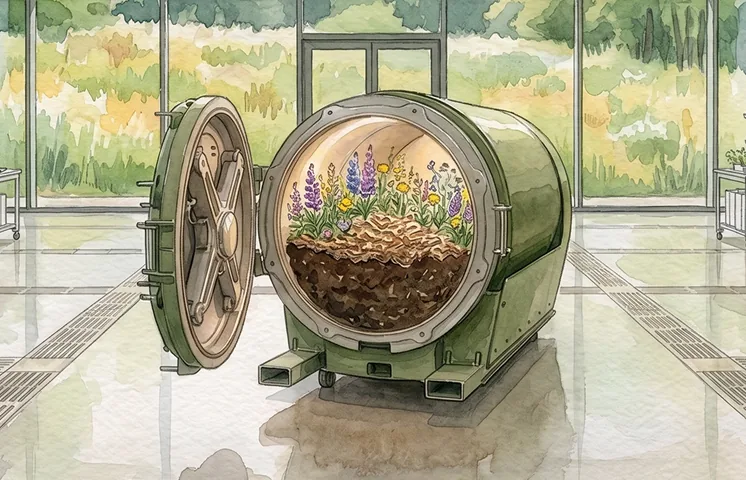
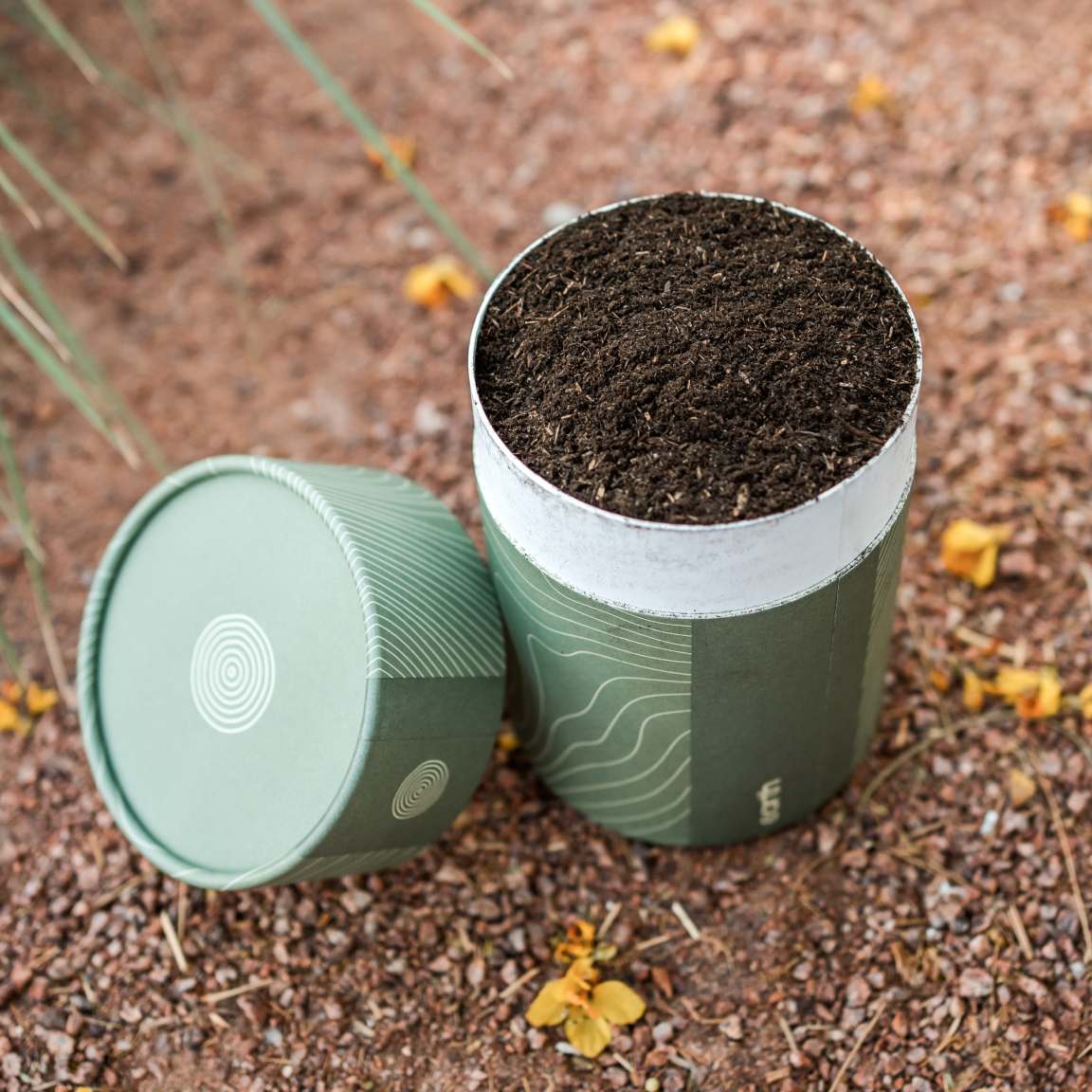
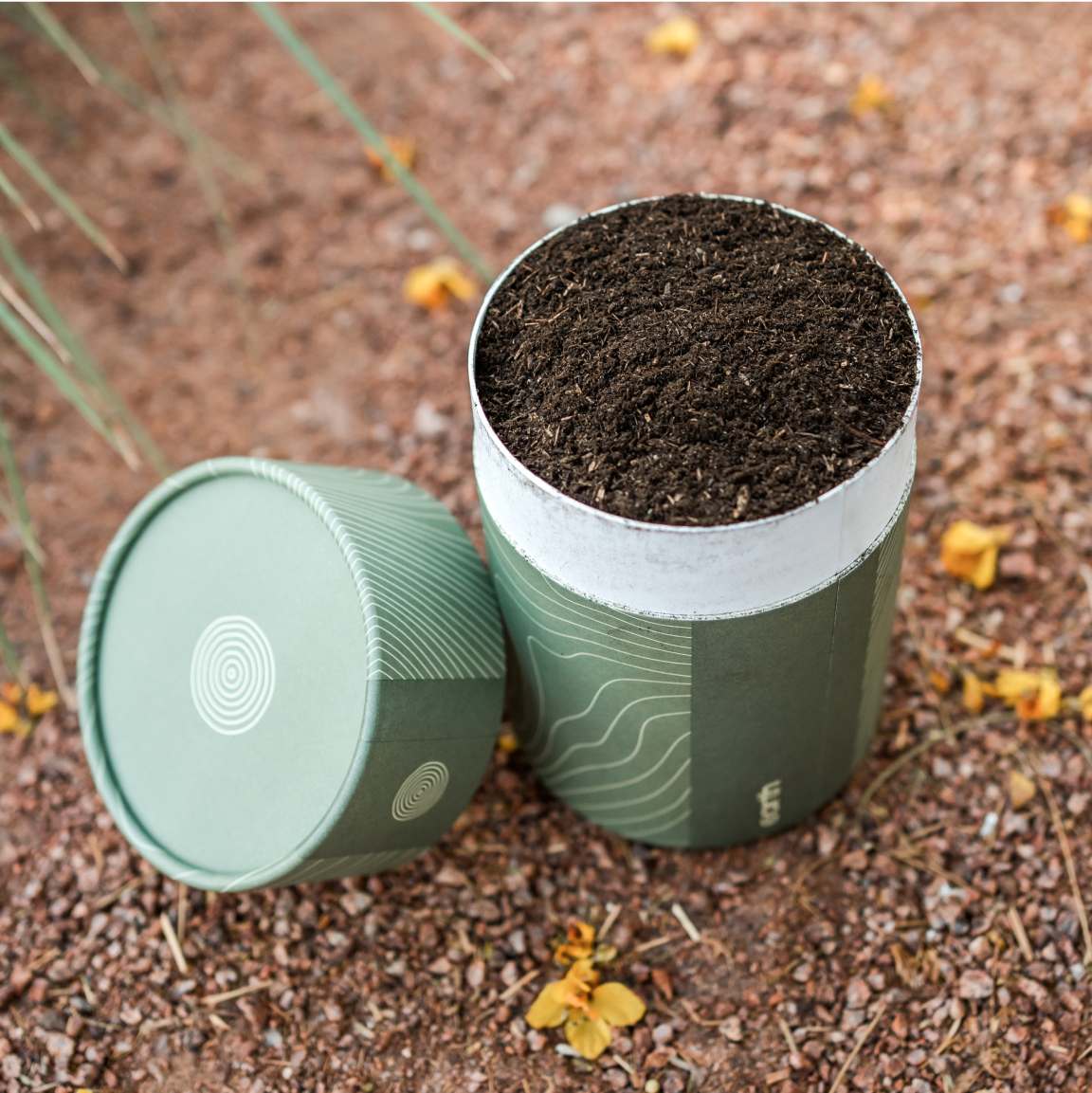
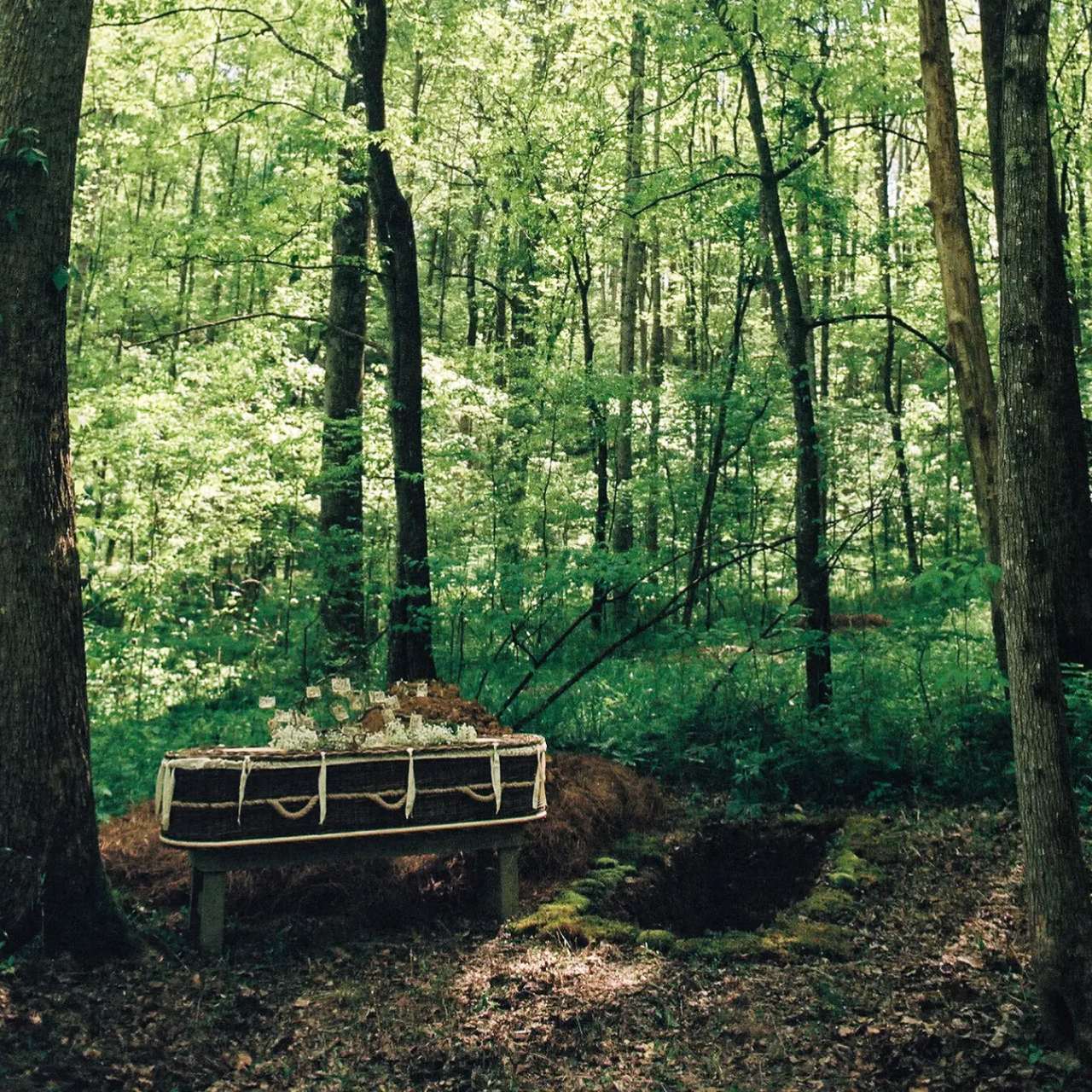
In The New York Times, reporter Paula Span profiles the personal journey of selecting sustainable end-of-life arrangements while examining the broader shift toward environmentally conscious death care. The article explores various alternatives including soil transformation, where bodies are gently transformed into nutrient-rich soil through natural processes, offering families meaningful ways to contribute to ecological restoration.
The coverage highlights how sustainable death care methods like soil transformation address environmental concerns while providing cost-effective alternatives to traditional burial. Span examines the appeal of processes that eliminate fossil fuel consumption and chemical treatments, allowing families to create lasting environmental legacies through ecological contribution.
The piece demonstrates growing consumer demand for authentic, sustainable end-of-life options that align with environmental values while offering families meaningful ways to honor their loved ones through ecological renewal.
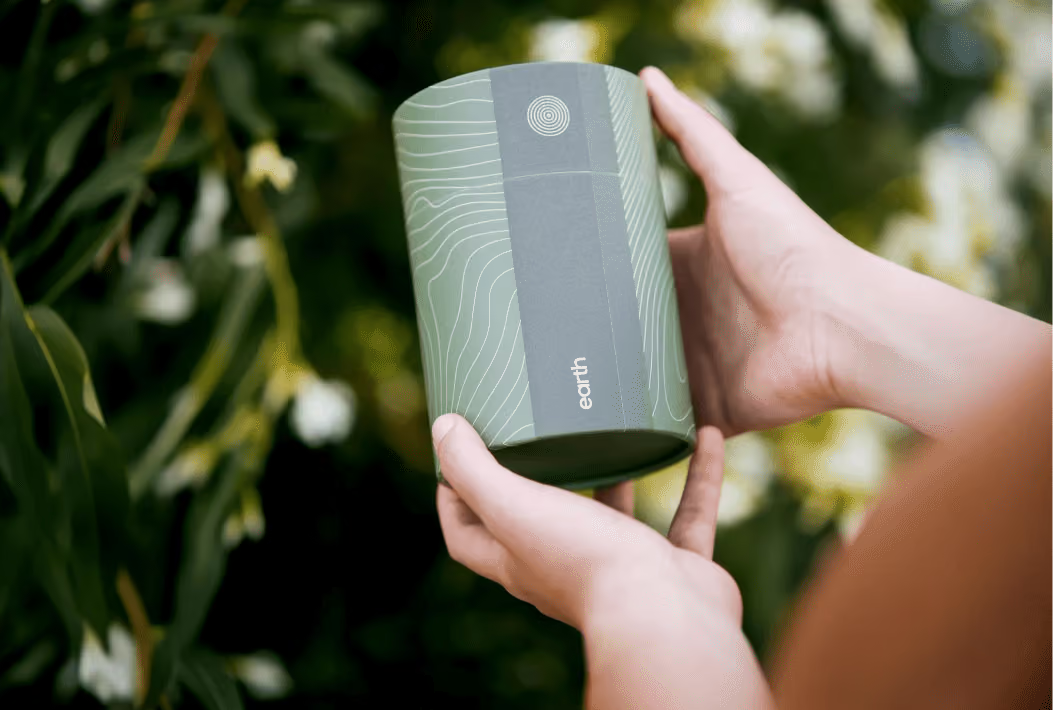
Return to nature through soil transformation
A natural alternative to burial or cremation that creates new life. Get an instant quote by answering just a few questions.
{{CTA-webinar-2}}
“I don’t think there’s a perfect option, but we can do a hell of a lot better than the traditional methods,”