As Seen In AARP: Human Composting: A New Take on the 'Green' Funeral

.avif)

AARP
|
December 6, 2024
AARP explores the growing trend of human composting as an environmentally friendly alternative to traditional burial and cremation, featuring Earth Funeral's expansion across multiple states.
"While it's getting labeled as a new process, what we're doing is actually as old as time," says Tom Harries, CEO of Earth Funeral, describing how the company accelerates natural decomposition using science and technology.
In AARP, reporter Robin L. Flanigan examines the rising interest in green funeral options, noting that 68% of respondents in a 2024 survey expressed interest in nontoxic end-of-life alternatives compared to 56% in 2021.
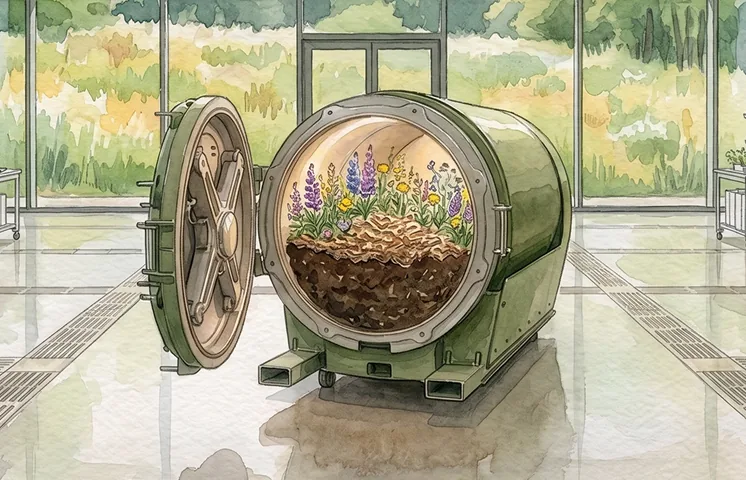
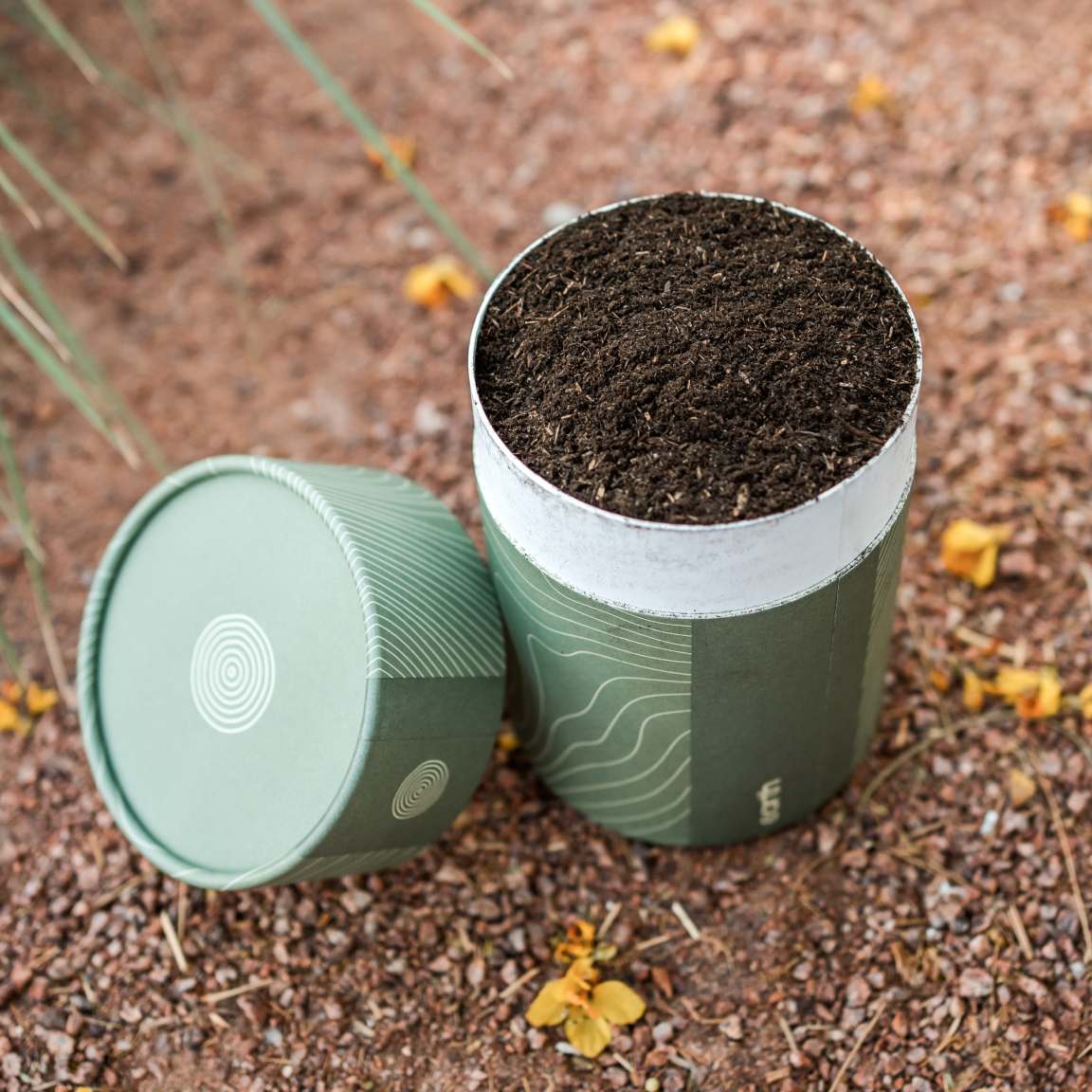
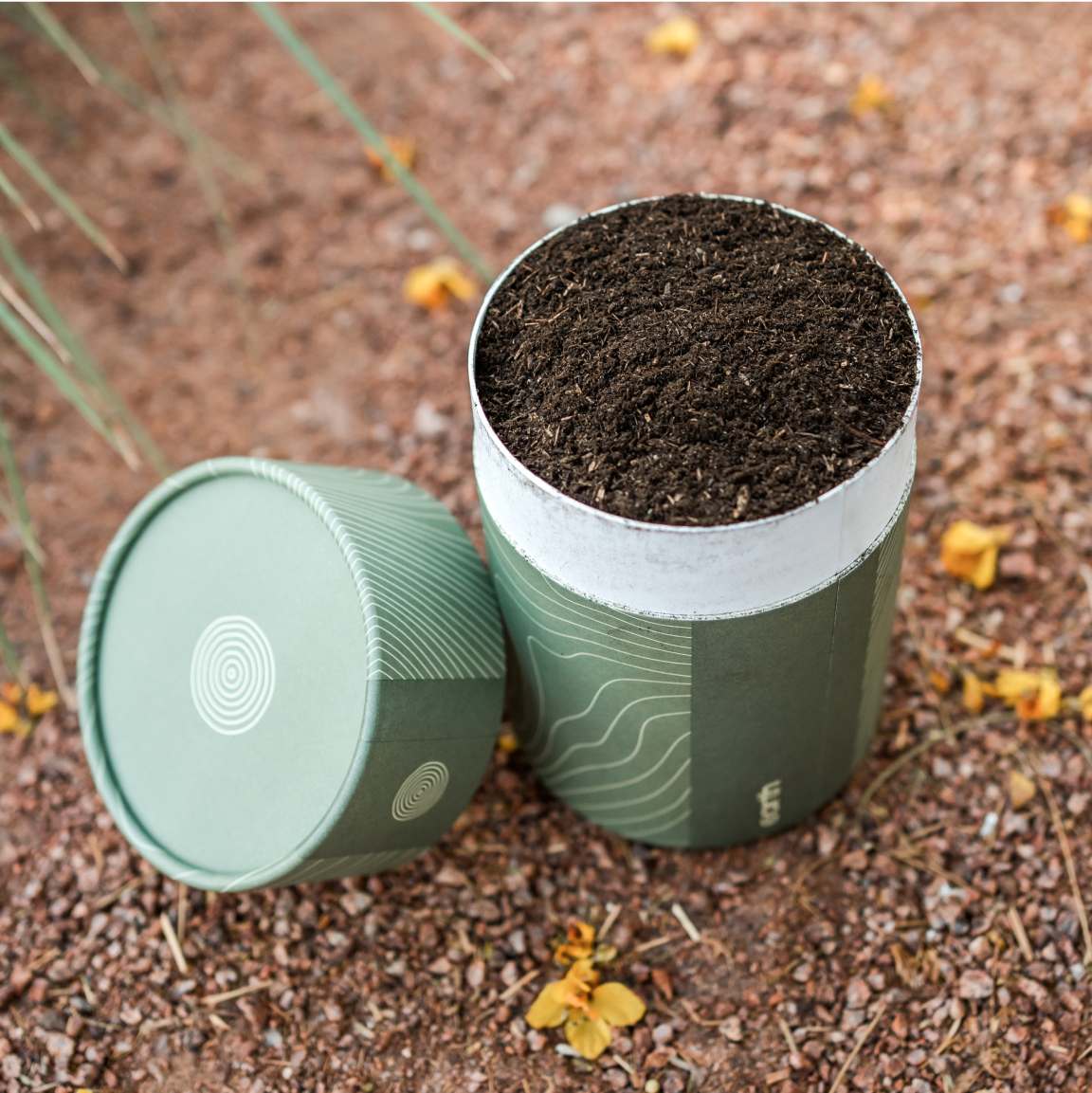
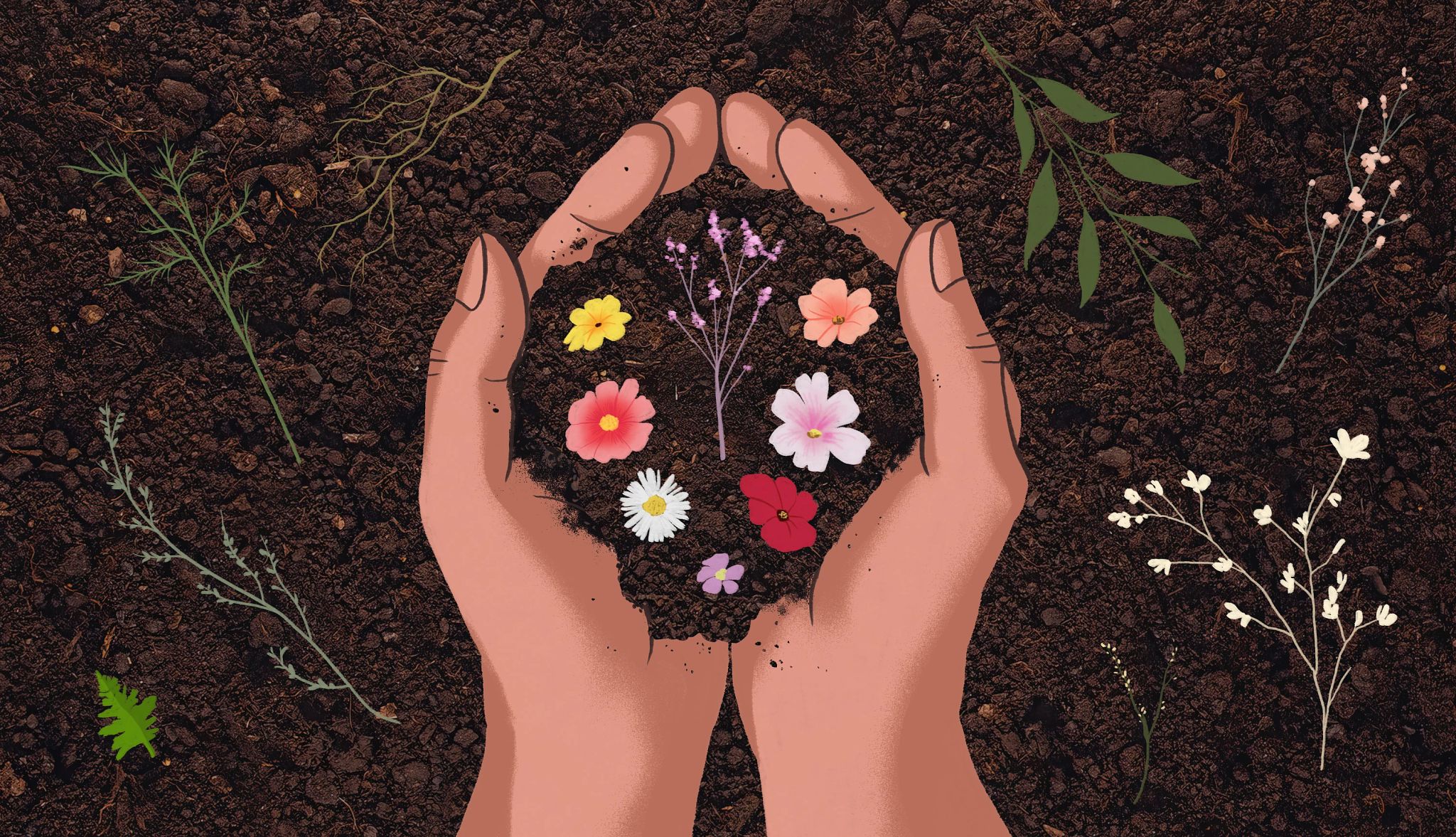
The article details Earth Funeral's 45-day process that transforms bodies into 300 pounds of nutrient-rich soil, highlighting the company's work with over 5,000 families since launching in 2022. AARP showcases personal stories like Tim Andruss creating a memorial garden with his wife Alenka's soil and Roberta Vollendorff spreading her son's soil beneath their family's sitka spruce tree.
The piece addresses practical considerations including costs, regulatory challenges, and the importance of discussing end-of-life wishes with loved ones as human composting becomes legal in 12 states.
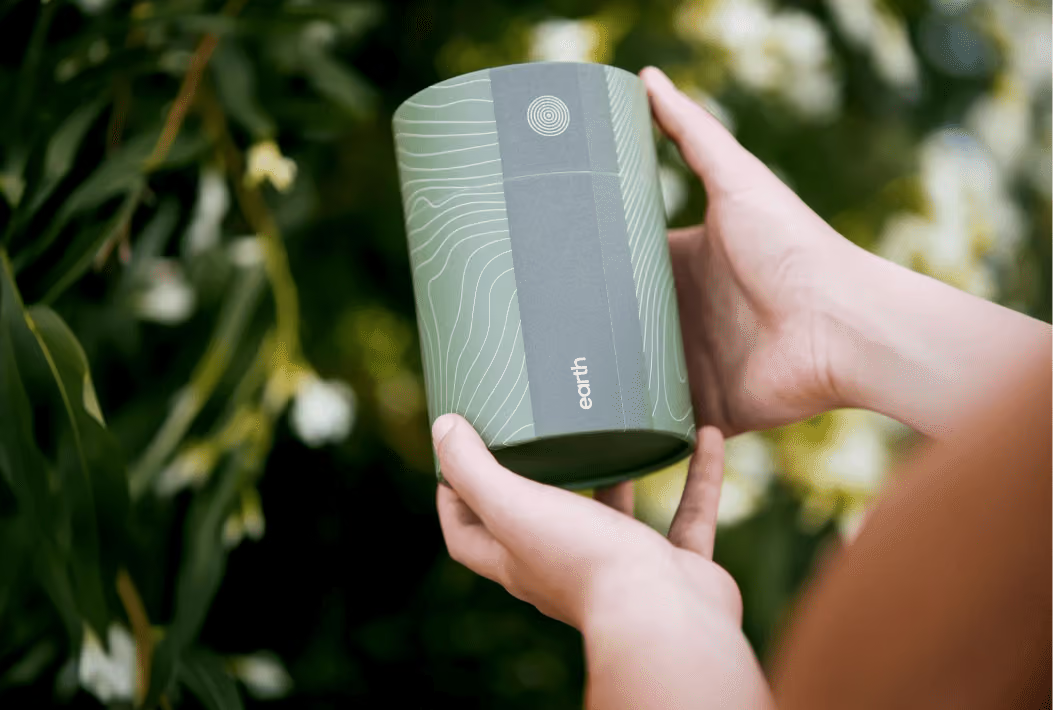
Return to nature through soil transformation
A natural alternative to burial or cremation that creates new life. Get an instant quote by answering just a few questions.
{{CTA-webinar-1}}
"While it's getting labeled as a new process, what we're doing is actually as old as time."